Oil Based Stain Vs Water Based Stain for Decks: Ultimate Comparison Guide
Choosing the right stain for your deck can feel overwhelming. You want your deck to look great, last longer, and stay protected from the elements.
But should you go with an oil-based stain or a water-based stain? Each option has its own benefits and drawbacks that can affect how your deck looks and performs. You’ll discover the key differences between oil-based and water-based stains. By the end, you’ll know exactly which stain suits your deck and your needs.
Keep reading to make the best choice for your outdoor space.
Types Of Deck Stains
Deck stains protect wood from sun, rain, and wear. Choosing the right type helps keep your deck beautiful. Two main types of stains are oil based and water based. Each type has unique features and benefits.
Understanding these types helps you pick the best stain for your deck’s needs. This guide explains both oil based and water based stains clearly.
Oil Based Stains
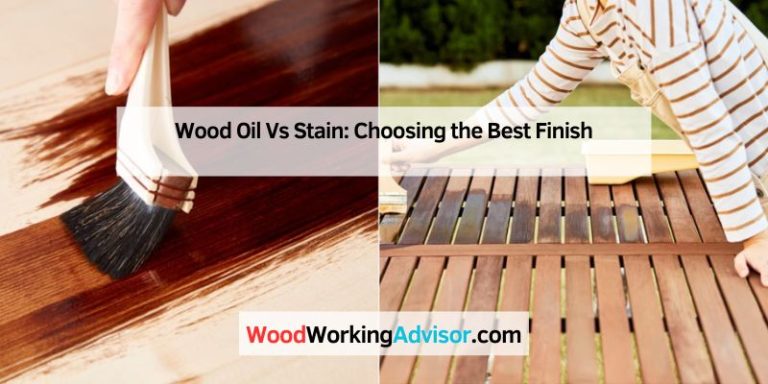
Oil based stains soak deep into the wood. They highlight the wood’s natural grain and color. These stains last longer on rough wood surfaces. They resist water and sun damage well. Applying oil based stains takes more time to dry. They also have a strong smell during application. Cleaning tools after use requires solvents like mineral spirits. Oil based stains darken wood slightly and give a rich, warm look.
Water Based Stains
Water based stains dry faster than oil based types. They offer clear colors that do not change wood’s shade much. These stains have less odor and clean up easily with soap and water. Water based stains form a thin layer on the wood surface. They resist fading and mildew better in humid areas. These stains are safer for the environment and for people applying them. They may need more frequent reapplication than oil based stains.
Application Process
The application process is a key step in staining your deck. It affects the final look and how long the stain lasts. Both oil-based and water-based stains need careful work for good results. The steps vary slightly between the two types. Knowing what to do helps you avoid mistakes and saves time.
Preparation And Tools
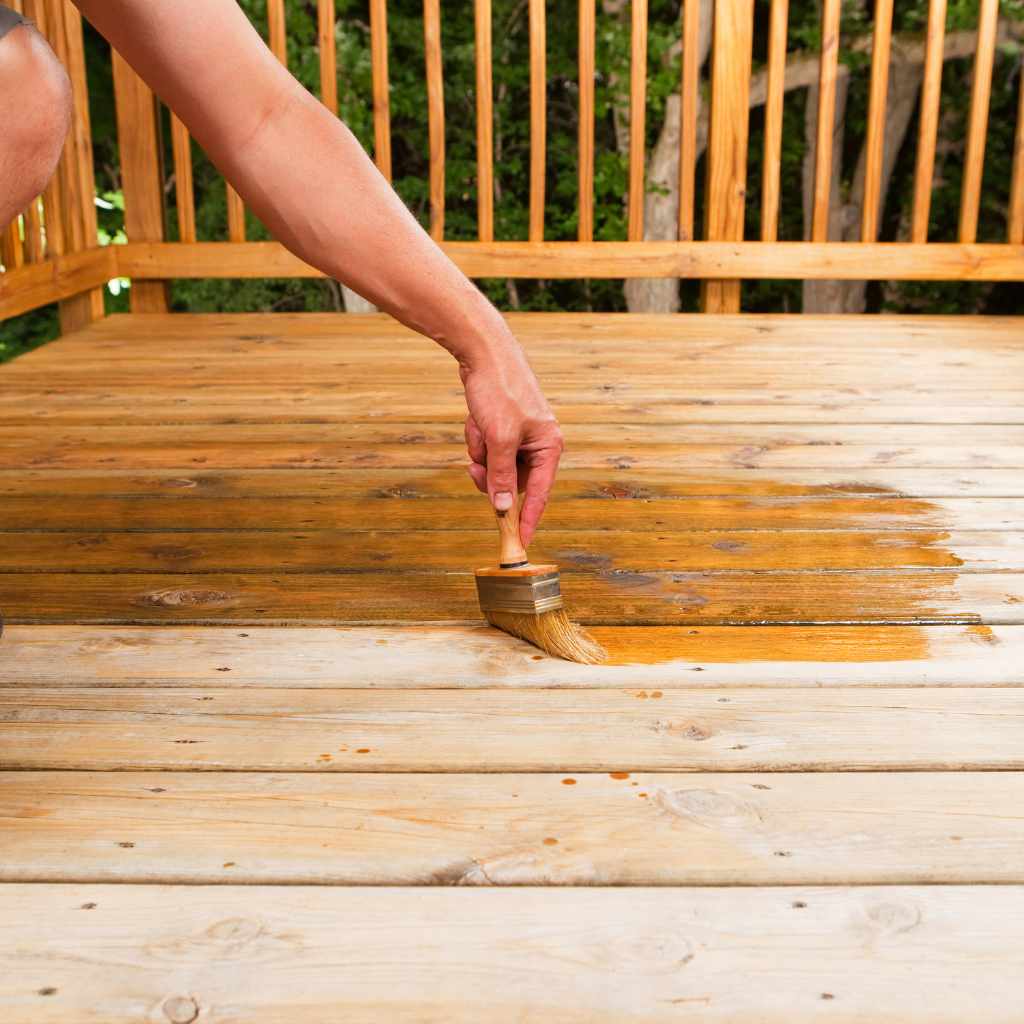
Start by cleaning the deck thoroughly. Remove dirt, dust, and old finish. Use a deck cleaner or mild soap with water. Let the surface dry completely before staining.
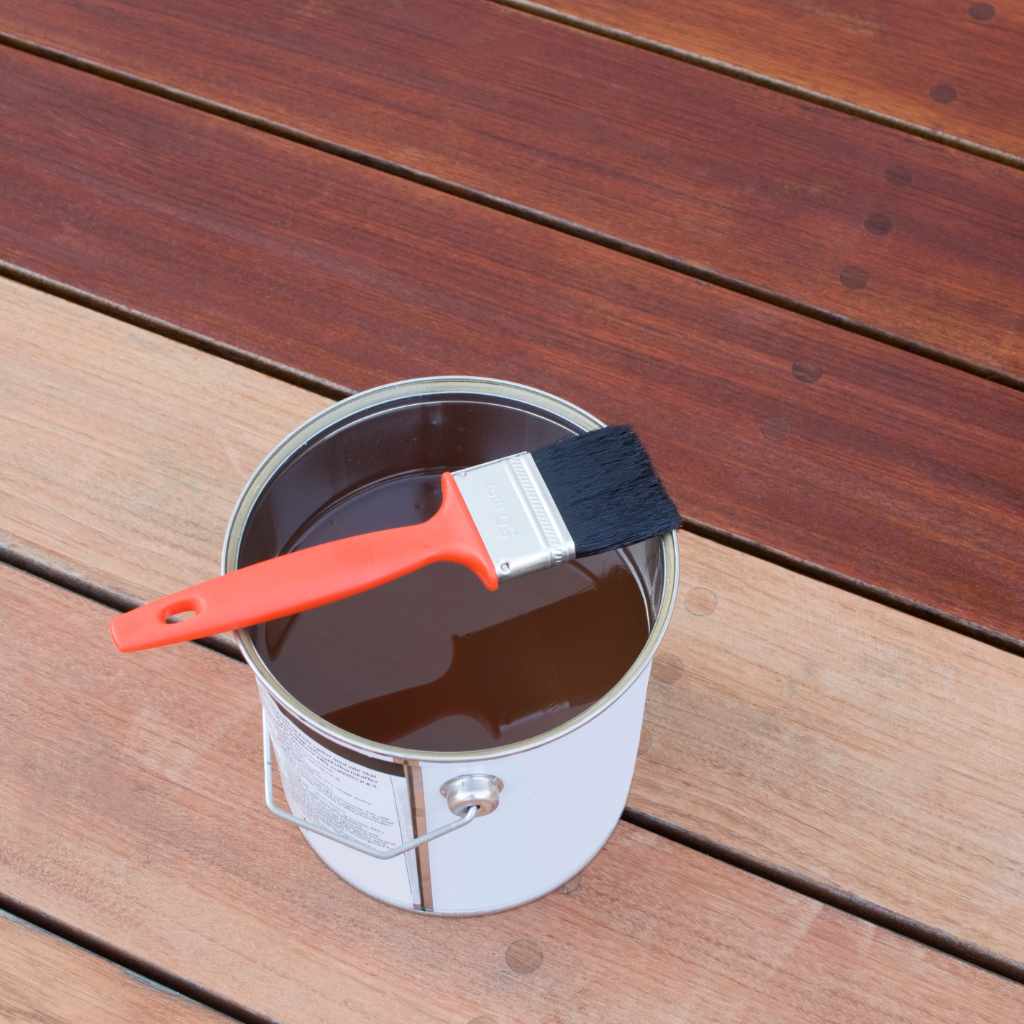
For oil-based stains, use natural bristle brushes or a paint sprayer. These tools help the stain soak into the wood. For water-based stains, synthetic brushes or rollers work best. They spread the stain evenly over the surface.
Wear gloves and old clothes to protect yourself. Cover plants and nearby areas to avoid stains. Stir the stain well to mix the color and oils or water.
Drying And Curing Times
Oil-based stains take longer to dry. Usually, they need 24 to 48 hours to dry to the touch. Full curing can take up to a week. During this time, avoid heavy foot traffic or placing furniture on the deck.
Water-based stains dry faster. They are usually dry within 2 to 4 hours. Full curing happens in 1 to 3 days. This speed allows for quicker use of the deck after staining.
Both types need good air flow and dry weather. Avoid staining on rainy or very humid days. Proper drying and curing protect the wood and keep the color vibrant.
Appearance And Finish
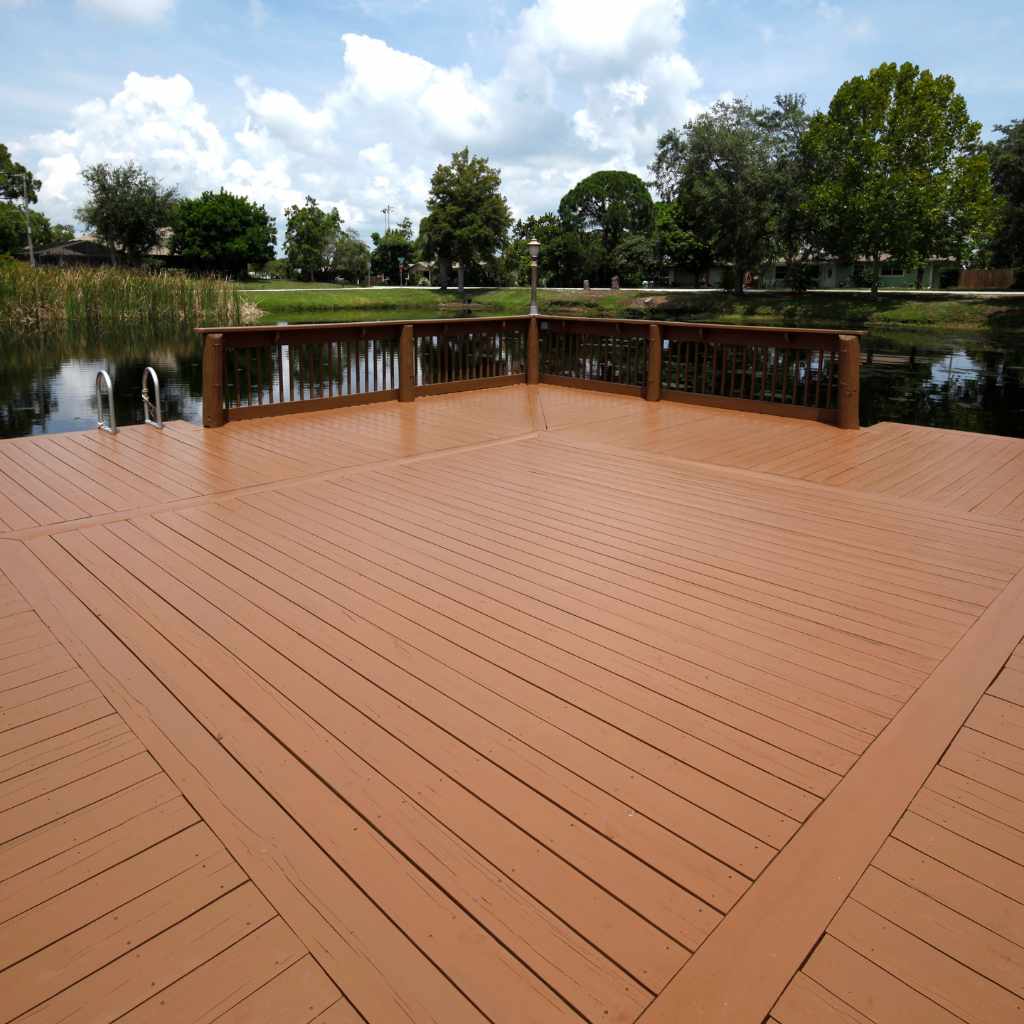
The appearance and finish of a deck stain shape the overall look of your outdoor space. Choosing the right stain affects how the wood shows its natural beauty. Both oil-based and water-based stains offer unique looks. Their differences in color and texture can change your deck’s style.
Color Options
Oil-based stains usually have rich, deep colors. They tend to bring out warm tones in the wood. This type of stain often darkens the wood slightly. Water-based stains come in a wider range of colors. They offer more natural and lighter shades. These stains keep the wood grain visible and bright.
Texture And Gloss
Oil-based stains create a smooth and glossy finish. This finish can look shiny and polished. The texture feels a bit thicker on the wood surface. Water-based stains dry faster and feel lighter. They usually provide a matte or satin finish. This finish looks more natural and less shiny.
Durability And Maintenance
Choosing the right stain for your deck affects how long it lasts and how much work it needs. Durability and maintenance are key factors in this decision. Both oil based and water based stains offer benefits and challenges. Understanding these can help keep your deck looking good for years.
Weather Resistance
Oil based stains soak into the wood deeply. This helps protect against rain and sun damage. They create a stronger barrier to water and UV rays. Water based stains sit more on the surface. They dry faster but may need more frequent reapplication in harsh weather.
Longevity
Oil based stains usually last longer on decks. They resist peeling and cracking better over time. Water based stains can fade quicker under strong sunlight. Still, they resist mildew and mold growth well. Choosing quality products improves lifespan for both types.
Cleaning And Upkeep
Cleaning oil based stained decks can be tougher. The stain absorbs dirt and grime easily. Water based stains clean with soap and water more easily. Both types need regular cleaning to prevent buildup. Reapplying stain every few years keeps the deck protected and fresh.
Environmental Impact
Choosing the right stain for your deck affects more than just its look. The environmental impact matters a lot. Understanding how oil based and water based stains affect the earth helps make better choices. This section breaks down their effects on the environment.
Voc Levels
VOC stands for volatile organic compounds. These are chemicals that evaporate into the air. Oil based stains usually have high VOC levels. They release more harmful gases during and after application. These gases contribute to air pollution and smog.
Water based stains have much lower VOC levels. They release fewer harmful gases. This means better air quality around your home. Using low VOC stains helps reduce pollution and protect health.
Eco-friendliness
Water based stains are more eco-friendly overall. They use water as the main solvent, which is safer for the environment. They also clean up easily with just soap and water, reducing chemical waste.
Oil based stains use petroleum products. They take longer to break down and can harm soil and water. Spills are harder to clean and can cause lasting damage. Choosing water based stains helps protect nature and wildlife.
Cost Considerations
Choosing between oil based and water based stains for your deck involves thinking about costs. Knowing the expenses helps you pick the right stain for your budget and needs. Costs include both the price you pay now and future expenses.
Initial Expense
Oil based stains usually cost more per gallon than water based stains. The price reflects the ingredients and how the stain protects wood. Water based stains are often cheaper and easier to buy.
Application tools and time also affect costs. Oil based stains may need special brushes and longer drying times. Water based stains dry faster, which can save time and labor costs.
Long-term Investment
Oil based stains often last longer on decks. This means fewer reapplications over time. You might spend less money on maintenance with oil based stains.
Water based stains may need to be reapplied more often. However, they clean up easily and are safer for the environment. This can save money on cleaning supplies and disposal fees.
Think about how long you plan to keep your deck. The stain’s durability can impact total spending in the long run.
Suitability For Different Deck Materials
Choosing the right stain depends on the deck material. Some stains work better with certain surfaces. Knowing the differences helps protect your deck well. It also improves the deck’s look and life. Let’s explore how oil based and water based stains suit different deck materials.
Wood Types
Oil based stains soak deep into wood. They bring out the natural grain and color. This makes them ideal for hardwoods and softwoods. They also help protect wood from moisture and sun damage. Water based stains sit more on the surface. They dry faster and have less odor. These are good for softwoods or older wood. Water based stains also resist fading better over time.
Composite Decks
Composite decks have a plastic and wood mix. Oil based stains do not stick well to composites. They may peel or blotch unevenly. Water based stains work better on composites. They bond well and dry quickly. Water based stains keep composite decks looking fresh. They also prevent mold and mildew growth.
Common Problems And Solutions
Deck stains protect wood and keep it looking fresh. Both oil based and water based stains face common issues. Understanding these problems helps you pick the right stain and care for your deck better.
Peeling And Fading
Peeling happens when the stain loses its grip on the wood. Oil based stains peel less but can fade faster under strong sun. Water based stains stick well but may peel if applied too thick.
Fading affects both types. Sunlight breaks down color over time. Oil stains tend to fade unevenly, while water stains fade evenly but quicker.
To fix peeling, sand the affected area lightly. Clean it well and apply a fresh coat of stain. For fading, choose a stain with UV protection. Regular cleaning also slows down fading.
Mold And Mildew Issues
Decks often face mold and mildew in damp, shady spots. Water based stains resist mold better due to their quick drying time. Oil based stains can trap moisture, encouraging mold growth.
To prevent mold, keep your deck clean and dry. Use a mold cleaner before staining. Choose stains with mildewcide for added protection.
If mold appears, scrub the deck with a mix of water and mild detergent. Rinse thoroughly and let it dry before applying stain again.
Choosing The Right Stain
Choosing the right stain for your deck is important. It affects the look, protection, and lifespan of the wood. Understanding the differences between oil based and water based stains helps you make a better choice. Consider your project needs and what you prefer before deciding.
Project Requirements
Think about the condition of your deck. Oil based stains soak deep into wood. They work well for older decks or wood with cracks. Water based stains sit on top and dry faster. They suit new decks or wood in good shape. Also, consider the climate. Oil stains resist water better but take longer to dry. Water stains dry quickly but may need reapplication sooner. Choose the stain that fits your deck’s age, condition, and weather.
Personal Preferences
Look at the color options each stain offers. Oil based stains bring rich, warm tones that last long. Water based stains have clearer, brighter colors and keep wood’s natural look. Think about smell and cleanup too. Oil stains have a strong odor and need solvents for cleanup. Water stains smell mild and clean up with soap and water. Pick the stain that matches your style and comfort.
Frequently Asked Questions
What Are The Key Differences Between Oil And Water-based Stains?
Oil-based stains penetrate deeper and offer better durability. Water-based stains dry faster, have low odor, and are eco-friendly. Both enhance wood appearance but suit different maintenance needs.
Which Stain Type Lasts Longer On Outdoor Decks?
Oil-based stains generally last longer due to better wood penetration. However, high-quality water-based stains can also provide durable protection with proper application and maintenance.
How Do Oil And Water-based Stains Affect Deck Maintenance?
Oil-based stains require reapplication every 2-3 years and need mineral spirits for cleanup. Water-based stains dry quickly, clean with soap and water, and often require more frequent touch-ups.
Are Water-based Stains Safer For The Environment And Health?
Yes, water-based stains emit fewer volatile organic compounds (VOCs), making them safer for users and the environment. Oil-based stains contain more VOCs and require proper ventilation during application.
Conclusion
Choosing between oil-based and water-based stains depends on your deck needs. Oil-based stains soak deep and last longer. Water-based stains dry quickly and clean up easily. Both protect wood and enhance its look. Consider your climate, deck use, and maintenance time.
This helps pick the right stain type. Proper application keeps your deck beautiful for years. Think about ease, durability, and color when deciding. Your deck will thank you with lasting charm.