Plywood vs MDF Cabinets: Essential Choice
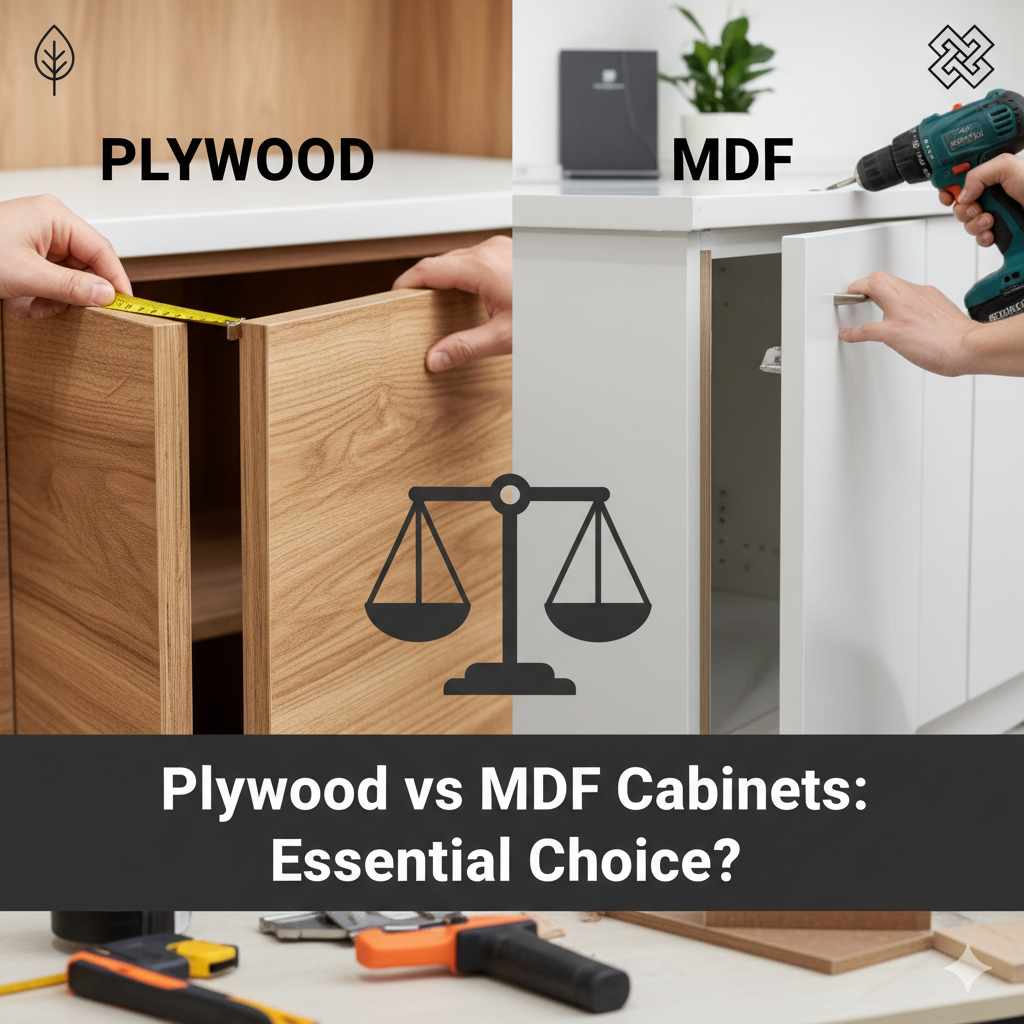
For durable, moisture-resistant cabinets, plywood is generally superior. MDF is more affordable, smoother for painting, but less resistant to moisture and heavier. Your best choice depends on budget and application.
Hey there, DIYers and home renovators! Md Meraj here, ready to help you navigate a pretty common but super important decision when it comes to building or upgrading your cabinets: Plywood versus MDF. It can feel a bit overwhelming trying to figure out which material is best for your project. Will your cabinets be strong enough? Will they hold up in a humid kitchen or a busy bathroom? Don’t worry, we’re going to break it all down, nice and simple. By the end of this, you’ll feel confident choosing the right material for beautiful, lasting cabinets.
Plywood vs MDF Cabinets: The Essential Choice for Your Home
Choosing the right material for your cabinets is more than just aesthetics; it’s about functionality, durability, and even your budget. When you’re looking at cabinet construction, two common materials pop up again and again: plywood and Medium-Density Fiberboard (MDF). Both have their fans and their drawbacks, and understanding these differences is key to picking the perfect option for your kitchen, bathroom, or workshop. Let’s dive in and demystify plywood and MDF so you can make an informed decision.
What Exactly is Plywood?
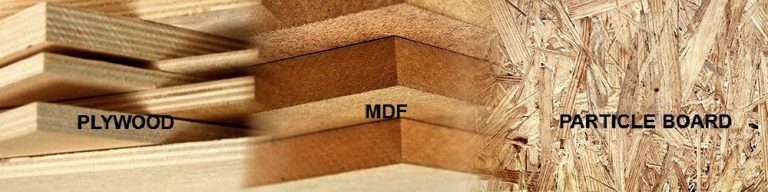
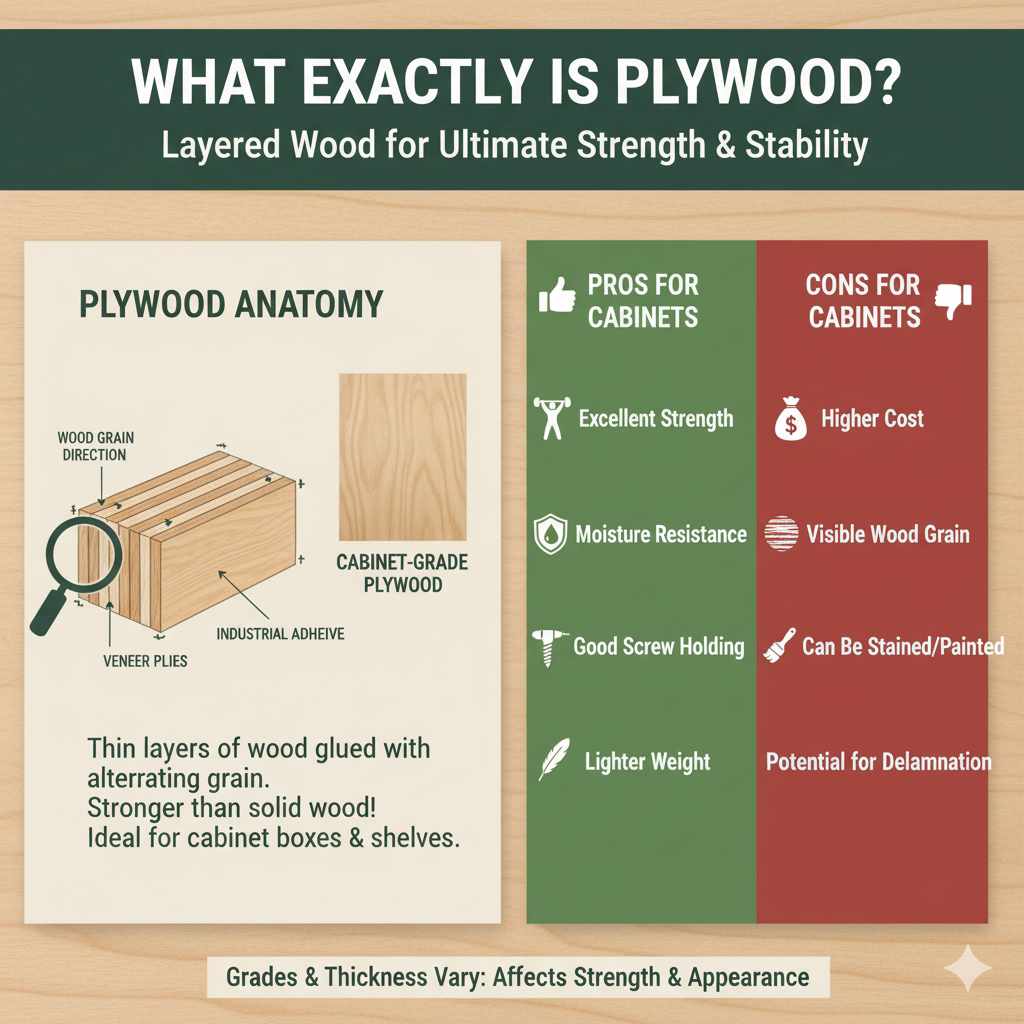
Plywood is made by taking thin layers, or “plies,” of wood veneer and gluing them together. The magic happens because the grain of each ply is rotated 90 degrees to the ply below it. This cross-graining makes plywood incredibly strong and stable – much stronger than a solid piece of wood of the same thickness! Think of it like a really strong, layered sandwich.
It comes in various grades and thicknesses, affecting its strength and appearance. For cabinets, you’ll often see cabinet-grade plywood, which has smoother, fewer knots on the face veneer, giving it a nicer finish. It’s a fantastic choice for cabinet boxes, shelves, and even doors.
Pros of Plywood for Cabinets:
- Excellent Strength: The layered construction makes it very strong and resistant to breaking or bending, especially under load. This is crucial for shelves in cabinets that will hold dishes or pantry items.
- Moisture Resistance: While not waterproof, plywood generally holds up better to humidity and occasional splashes than MDF. This is a big plus for kitchens and bathrooms.
- Good Screw Holding: Screws and nails hold exceptionally well in plywood, all the way through the layers, making assembly sturdy.
- Lighter Weight: Generally lighter than MDF of the same thickness, making installation easier.
- Can Be Finished: Plywood can be stained and finished to look like solid wood, or it can be painted.
Cons of Plywood for Cabinets:
- Cost: Plywood can be more expensive than MDF, especially higher grades.
- Grain Appearance: While some like the wood grain for finishing, it might not be ideal if you’re aiming for a perfectly smooth, uniform painted surface.
- Potential for Delamination: In very high moisture environments or with poor quality plywood, the layers can sometimes separate over time.
What is MDF (Medium-Density Fiberboard)?
MDF is an engineered wood product. It’s made by breaking down hardwood and softwood into wood fibers, then combining them with wax and a resin binder. This mixture is then heated and pressed into flat, dense panels. The result is a very uniform material with no grain pattern, unlike plywood.
Because of its uniform density, MDF is incredibly smooth and stable, making it a favorite for painting and for projects where a flawless surface is desired. It’s often used for cabinet doors, decorative panels, and drawer fronts.
Pros of MDF for Cabinets:
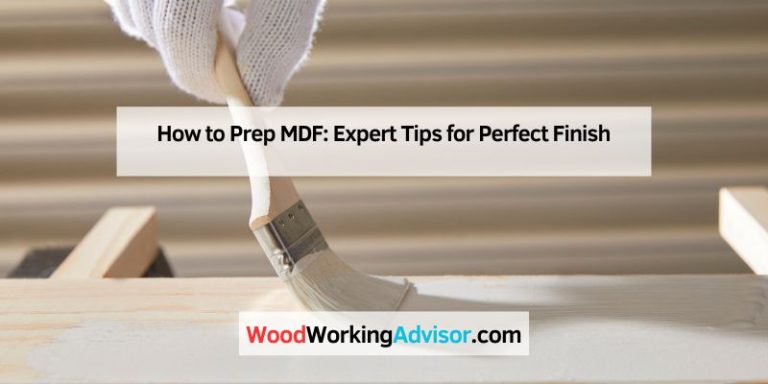
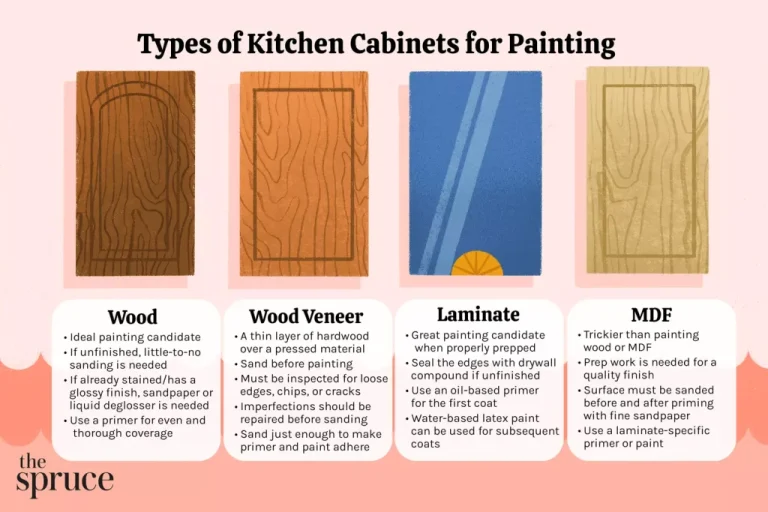
- Smooth Surface: Its incredibly smooth, pore-free surface makes it ideal for painting. It takes paint beautifully without the grain showing through, giving a furniture-like finish.
- Cost-Effective: MDF is generally less expensive than plywood, making it a budget-friendly option for cabinet projects.
- Stability: It’s very stable and doesn’t warp or crack easily due to changes in temperature or humidity (though it doesn’t handle moisture well, as we’ll discuss).
- Machinability: It’s easy to cut and shape precisely, and edges can be routed for decorative profiles.
Cons of MDF for Cabinets:
- Moisture Sensitivity: This is MDF’s Achilles’ heel. It will swell and disintegrate if it gets wet. It’s porous and will soak up water like a sponge. This makes it a risky choice for areas with high moisture, like under sinks or in steamy bathrooms without extreme precautions.
- Heavy: MDF panels are significantly heavier than plywood of the same size, which can make handling and installation more challenging.
- Poor Screw Holding: Screws don’t grip as well in MDF as they do in plywood. You can’t put screws into the edge of an MDF panel and expect them to hold. You typically need to use glue and joinery methods, or special fasteners.
- Dust When Cutting: Cutting MDF produces a very fine dust that can be an irritant to your lungs and eyes. Proper dust collection and personal protective equipment (PPE) are essential. You can learn more about wood dust safety from the Occupational Safety and Health Administration (OSHA).
- Can Sag Over Time: Due to its density and weight, MDF can sag over time, especially on longer shelves, if not adequately supported.
Plywood vs MDF: Side-by-Side Comparison
To make things even clearer, let’s put plywood and MDF head-to-head on some key features:
| Feature | Plywood | MDF |
|---|---|---|
| Strength & Durability | Excellent. Very strong, resists impact. | Good structural strength, but can be brittle. Prone to denting. |
| Moisture Resistance | Good. Better than MDF, but still not waterproof. | Poor. Swells significantly with moisture. Not recommended for wet areas. |
| Weight | Lighter. Easier to handle. | Heavier. Can be difficult to manage. |
| Screw Holding | Excellent. Screws and nails grip well. | Poor. Screws can strip easily. |
| Surface Finish | Varies. Can have visible grain. Good for stains or paint. | Very smooth, flat, and pore-free. Excellent for painting. |
| Cost | Moderate to High. | Low to Moderate. Generally more affordable. |
| Machinability | Good. Can be cut and shaped. | Excellent. Very easy to cut precisely and route. |
| Dust & Health | Standard wood dust. | Fine, potentially irritating dust. Requires good ventilation and PPE. |
| Environmental Impact | Made from wood veneers. Can use sustainably sourced wood. | Made from recycled wood fibers, but uses resins and binders. |
When to Choose Plywood for Your Cabinets?
Plywood is your go-to material when you need robustness and resilience, especially for the structural components of your cabinets. Think of it as the workhorse.
- Cabinet Boxes (Carcasses): This is where plywood truly shines. The strength and stability of plywood make it ideal for the main cabinet structure that holds up shelves and doors. It can bear the weight of contents without bowing.
- Shelving: For shelves that will hold heavy items like dinnerware, pantry goods, or tools, plywood is the safer bet to prevent sagging over time.
- Areas with High Humidity or Potential for Splashes: If your cabinets are going into a bathroom prone to steam, or a kitchen where occasional spills are common (especially near the sink), plywood offers much better protection against moisture damage than MDF.
- Projects Requiring Strong Fastening: If your design involves many screws and joints that need to be exceptionally strong, plywood’s superior screw-holding capacity is a major advantage.
- When a Visible Wood Grain is Desired: If you plan to stain your cabinets and appreciate the natural beauty of wood grain, plywood is a wonderful choice.
Many cabinet manufacturers use plywood for the cabinet boxes and then pair it with MDF doors for a smooth painted finish. This combination leverages the strengths of both materials.
When to Choose MDF for Your Cabinets?
MDF enters the picture when you’re prioritizing a flawless finish, especially for painted surfaces, and are mindful of budget. It’s excellent for decorative elements.
- Cabinet Doors: MDF is a favorite for painted cabinet doors. Its smooth, featureless surface takes paint exceptionally well, creating a sleek, professional look without any grain interference. Routed decorative profiles also look incredibly sharp on MDF. Check out resources like Woodworking Network for more on this.
- Drawer Fronts: Similar to doors, the smooth surface of MDF is perfect for drawer fronts that will be painted.
- Decorative Panels: Any accent panels or inserts where a perfectly smooth finish is crucial look fantastic on MDF.
- Budget-Conscious Projects: If you’re working with a tighter budget, MDF can significantly reduce material costs compared to high-grade plywood.
- When Moisture Isn’t a Concern: For cabinets in dry areas like a home office, laundry room (away from water sources), or entertainment center, MDF can be a great choice, provided you take care during assembly.
If you do choose MDF for cabinet boxes, it’s essential to understand its limitations. You’ll need to employ strong joinery techniques and seal all edges and surfaces VERY thoroughly, especially if there’s any chance of moisture contact. Many people opt for pre-made cabinet boxes and use MDF specifically for the doors and drawer fronts.
Assembly and Installation Tips for Both Materials
No matter which material you choose, proper assembly and installation are vital for the longevity and appearance of your cabinets.
Working with Plywood:
- Use the Right Fasteners: Standard wood screws work well. For stronger joints, consider using wood glue in conjunction with screws.
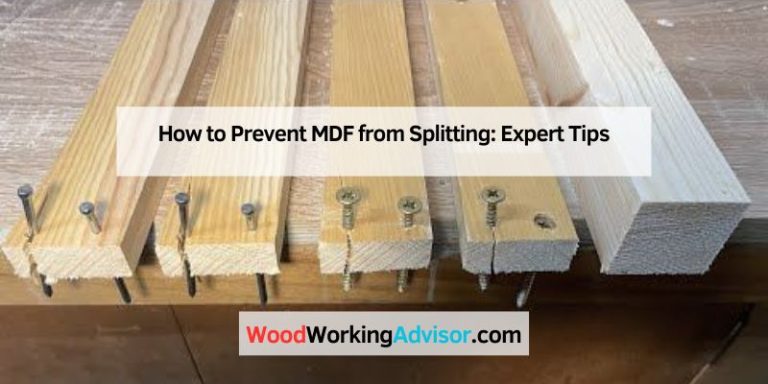
- Pre-drilling is Key: While plywood holds screws well, pre-drilling pilot holes, especially near the edges, will prevent splitting and make driving screws easier.
- Edge Treatment: If you don’t want exposed plywood edges showing, you can use edge banding or apply wood filler and sand smooth before painting or staining.
Working with MDF:
- Dust Control: ALWAYS wear a high-quality dust mask or respirator, safety glasses, and consider using a dust collection system when cutting or sanding MDF. It creates extremely fine dust. You can find more safety tips from organizations like the National Institute for Occupational Safety and Health (NIOSH).
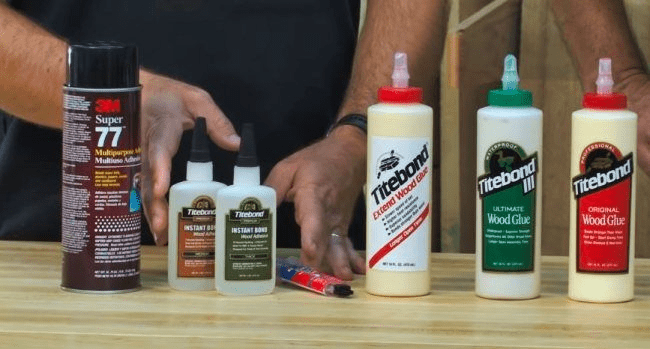
- Use Strong Adhesives and Joinery: Because screws don’t grip well in MDF, rely on strong wood glues like PVA (polyvinyl acetate) and use joinery methods such as biscuits, dowels, or pocket holes.
- Seal Edges and Surfaces: For any MDF that might encounter even slight moisture, coat all surfaces and especially edges with a good primer or sealant. Several coats are better than one.
- Support for Long Spans: If using MDF for shelves, ensure adequate support to prevent sagging, such as adding a front edge reinforcement or using thicker material.
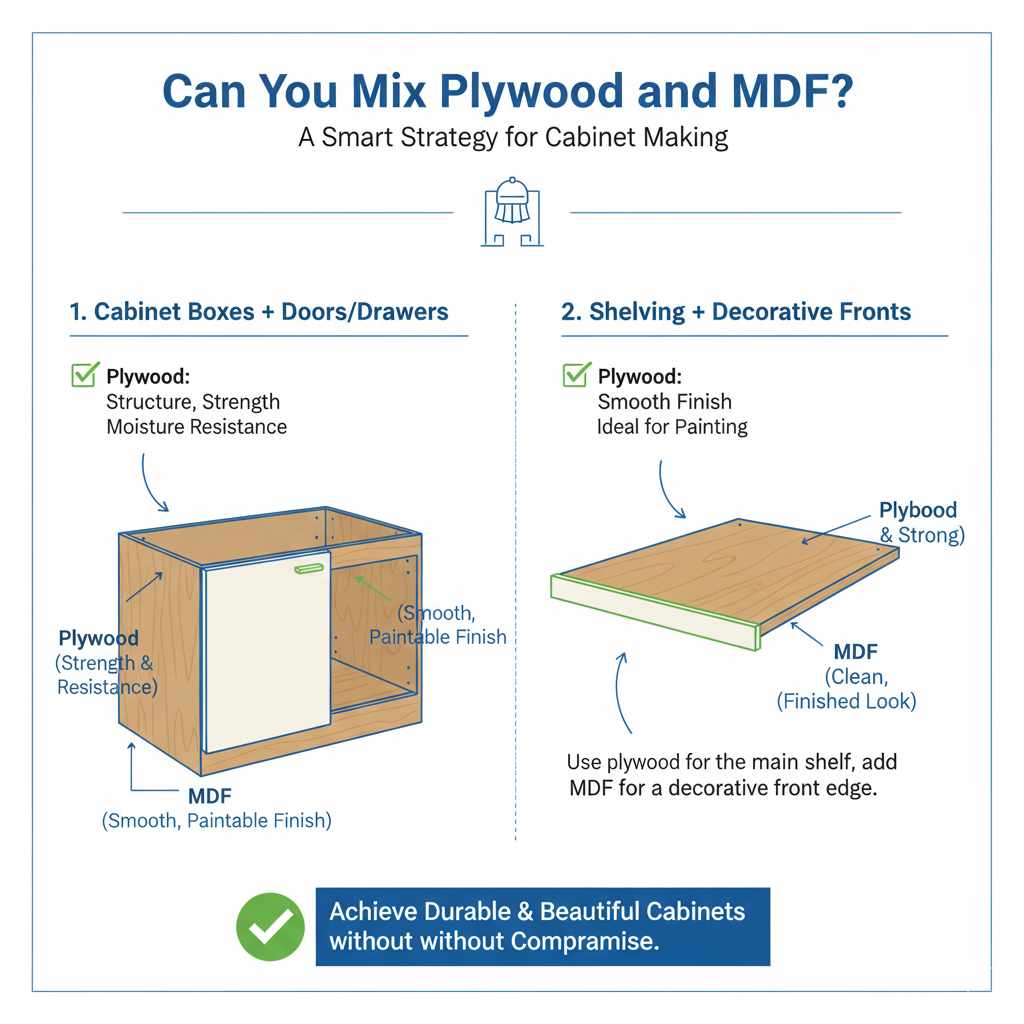
Can You Mix Plywood and MDF?
Absolutely! Mixing plywood and MDF is a very common and smart strategy in cabinet making. It allows you to use the best material for each part of the cabinet.
- Cabinet Boxes (Plywood) + Doors/Drawers (MDF): This is perhaps the most popular combination. You get the strength and moisture resistance of plywood for the main structure, and the perfectly smooth, paintable surface of MDF for the cabinet faces.
- Shelving (Plywood) + Decorative Fronts (MDF): If your shelves need to be robust, use plywood for the shelf itself and add an MDF decorative strip along the front edge for a clean, finished look.
By strategically combining these materials, you can achieve a cabinet that is both durable and beautiful, without overspending or compromising on performance.
Frequently Asked Questions (FAQs)
1. Which is stronger, plywood or MDF?
Plywood is generally considered stronger and more durable for structural applications due to its layered wood veneer construction and better resistance to impact. MDF can be strong, but it’s denser and can be more brittle, making it prone to chipping or denting.
2. Is plywood or MDF better for kitchen cabinets?
For kitchen cabinets, especially the boxes and shelves, plywood is often the preferred choice due to its superior moisture resistance and strength. MDF is excellent for painted cabinet doors in kitchens, as it provides a smooth, flawless finish.
3. Can I paint MDF cabinets?
Yes, MDF is excellent for painted cabinets! Its smooth, pore-free surface allows for a very professional and smooth paint finish without the wood grain showing through, unlike plywood.
4. Which is more expensive, plywood or MDF?
Generally, MDF is more affordable than plywood. The exact cost can vary based on the grade and type of plywood, but basic construction-grade MDF is typically less expensive than decent cabinet-grade plywood.
5. What happens if MDF gets wet?
If MDF gets wet, it will absorb water, swell significantly, and can lose its structural integrity, eventually disintegrating. It is not suitable for areas with high moisture exposure without extensive sealing and protection.
6. Can I use MDF for cabinet shelves?
While you can, it’s generally not recommended for heavy loads or in areas where moisture might be an issue. MDF shelves tend to sag over time due to their weight and can be damaged by moisture. Plywood is a much better choice for cabinet shelves.
Making Your Final Decision
Choosing between plywood and MDF for your cabinets really boils down to understanding their strengths and weaknesses and matching them to your project’s specific needs. Think about where the cabinets will go, what they will hold, and what kind of finish you’re aiming for.
For the backbone of your cabinets – the boxes and shelves – where strength, durability, and a bit of moisture resistance are key, plywood is usually the superior choice. It’s a robust material that will stand the test of time. On the other hand, if you’re dreaming of beautifully painted cabinet doors or drawer fronts with a sleek, furniture-like finish, MDF is hard to beat. Its smooth surface is a painter’s dream, and it’s often more budget-friendly.
Don’t be afraid to mix them! Using plywood for the cabinet structure and MDF for the doors is a smart way to get the best of both worlds. This strategy gives you the lasting strength where you need it most, combined with the flawless aesthetic of MDF where it counts for appearance. Always consider the environment your cabinets will be in – especially humidity – and factor that into your decision.
By understanding these differences, you’re well on your way to building or buying cabinets that are not only beautiful but also functional and built to last. Happy building!