Semi-Gloss vs Satin Hardwood Floors: Which Looks Better?
Choosing the finish for your hardwood floors can feel a bit tricky when you’re just starting out. You see pictures and hear terms like semi-gloss and satin, and wonder which one will make your home look just right. It’s a common question because the finish really changes the whole look and feel of your wood.
Don’t worry though! We’ll break it all down simply and show you exactly what to consider. Get ready for a clear path to deciding if Semi-Gloss vs Satin Hardwood Floors: Which Looks Better? is the right choice for you.
Understanding Hardwood Floor Finishes
The finish on your hardwood floors is more than just a protective layer; it’s a key design element that dictates the overall aesthetic and how light interacts with the wood. Think of it as the makeup for your floors, enhancing their natural beauty or giving them a distinct personality. The gloss level of a finish affects everything from perceived cleanliness to how well it hides minor imperfections.
For homeowners, understanding these differences is the first step in making an informed decision that they’ll love for years to come.
What is Floor Finish Gloss Level
The gloss level refers to how reflective a surface is. In the context of hardwood floors, it describes how much light bounces off the surface of the protective coating. This isn’t just about making things shiny; it influences the perceived depth of the wood grain, the vibrancy of the color, and even the apparent texture.
Higher gloss levels create a more dramatic, almost mirror-like sheen, while lower gloss levels offer a more subdued, natural look.
Different gloss levels are measured on a scale, though these scales aren’t always standardized across all manufacturers. Generally, you’ll see terms like matte, satin, eggshell, satin, semi-gloss, and high-gloss or full-gloss. Each step up the scale means an increase in reflectivity.
The choice significantly impacts the style of your room. A very shiny floor can make a small room feel larger and brighter by reflecting more light. Conversely, a less shiny floor can make a large room feel cozier and more intimate.
This measure of shininess is achieved through the composition and application of the top coat, often polyurethane. The way the polymers in the finish are structured and cured affects how smoothly light can reflect. A smoother surface, with fewer microscopic peaks and valleys, will be more reflective.
Manufacturers use different additives and formulations to achieve specific gloss levels. This allows consumers to select a finish that matches their personal style and practical needs.
The Importance of Finish in Wood Flooring
The finish on hardwood floors plays a dual role: protection and aesthetics. Without a finish, wood is susceptible to moisture damage, scratches, dents, and staining from spills. A good finish acts as a barrier, keeping your floors looking new for longer.
It’s the first line of defense against everyday wear and tear. This protective aspect is crucial for the longevity of your investment in hardwood flooring.
Aesthetically, the finish defines the overall look of your room. It can highlight the natural beauty of the wood grain, give it a warmer tone, or provide a sleek, modern appearance. The way the finish interacts with light also plays a significant role.
A high-gloss finish can make a room feel more expansive and glamorous, while a matte finish can create a sophisticated and understated elegance. The finish is often the most visible characteristic of the floor, so getting it right is essential for achieving your desired interior design.
Beyond appearance and protection, the finish can also affect maintenance. Some finishes are more forgiving when it comes to showing dirt and scuff marks. For busy households with pets or children, this is a practical consideration that can save a lot of time and frustration.
The right finish can make your beautiful hardwood floors easier to live with and maintain, ensuring they remain a source of pride for years.
Semi-Gloss vs Satin Hardwood Floors Which Looks Better
When people start thinking about refinishing or installing new hardwood floors, one of the most common dilemmas they face is choosing between a semi-gloss and a satin finish. This choice is fundamental because it dramatically impacts the appearance and feel of the entire room. Both offer protection, but their visual differences are significant and can steer your home’s style in very different directions.
This section will help you clearly see the distinct personalities of semi-gloss and satin finishes so you can confidently pick the one that fits your vision.
What is a Semi-Gloss Finish
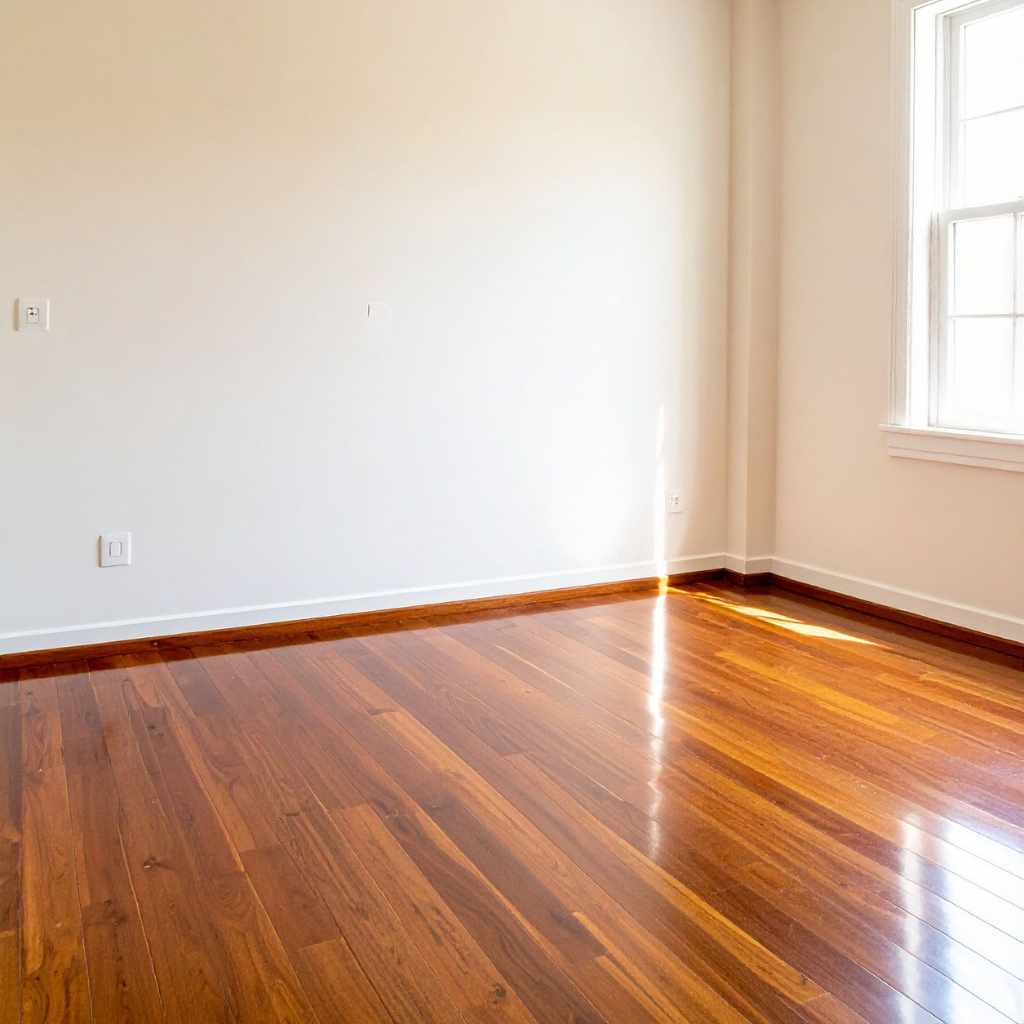
A semi-gloss finish offers a noticeable sheen that reflects light well, creating a polished and somewhat formal look. It’s brighter than satin but not as intensely reflective as a high-gloss finish. Imagine a subtle shine that highlights the wood’s features without being blindingly mirror-like.
This level of gloss is often favored for its ability to make floors appear clean and its capacity to bounce light around a room, potentially making it feel larger and more illuminated. It strikes a balance between a very dull appearance and an overly reflective one.
When considering Semi-Gloss vs Satin Hardwood Floors: Which Looks Better?, semi-gloss is the choice if you want your floors to have a distinguished presence. It’s durable and provides a good protective barrier against wear and tear. This makes it a practical option for high-traffic areas where durability is a major concern.
The slight shine also makes it easier to spot and clean spills or dirt, as they tend to stand out more against the reflective surface compared to a matte finish.
The visual appeal of semi-gloss is often described as sophisticated. It can complement a range of interior design styles, from traditional to more contemporary settings, adding a touch of understated elegance. It’s a popular choice because it’s not too flashy but still offers a visible level of shine that indicates a well-maintained and attractive floor.
The slight reflectivity can also help bring out the richer tones of certain wood species, giving them a warm and inviting glow.
What is a Satin Finish
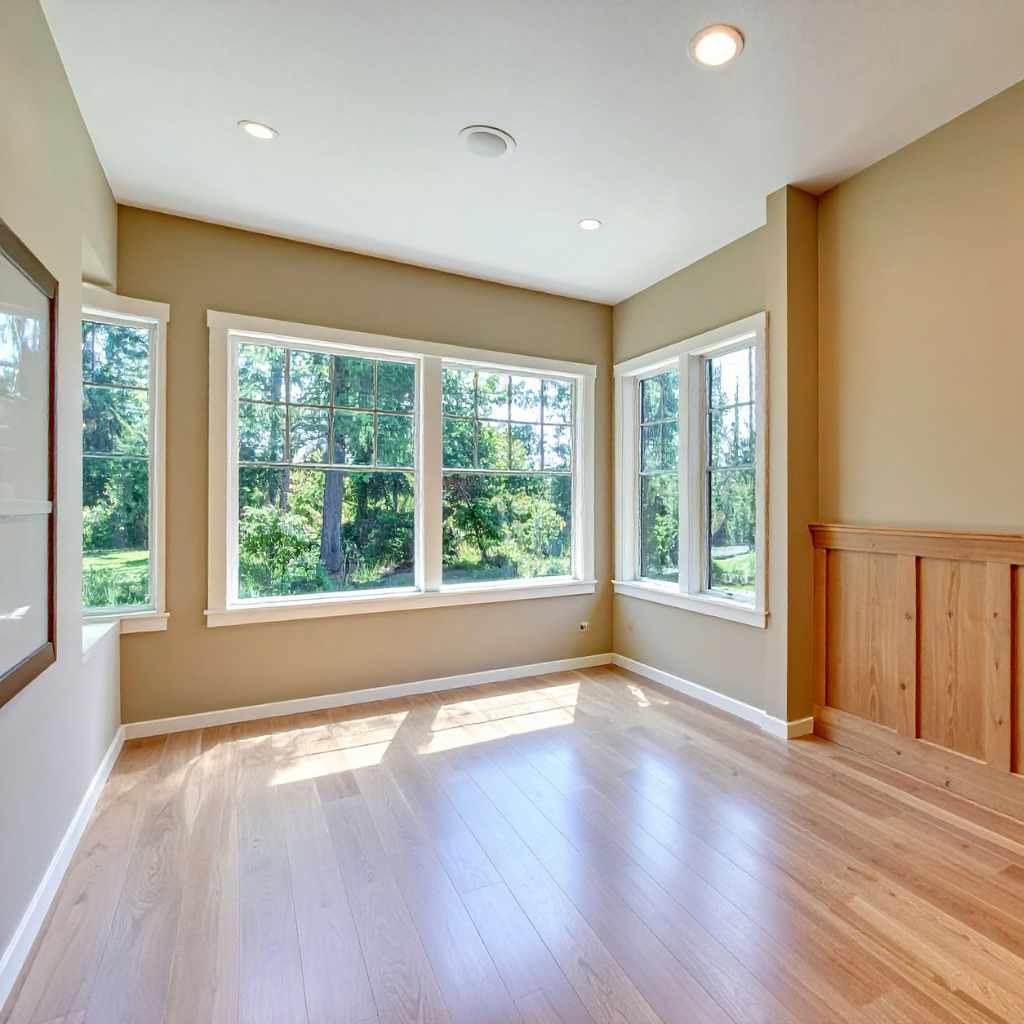
A satin finish is a more subdued and natural-looking option for hardwood floors. It has a soft sheen that reflects light gently, giving the wood a warm and inviting appearance without being overly shiny. Think of the gentle glow of silk or a soft matte surface that still has a hint of light reflection.
This finish is often described as understated elegance, providing a sophisticated look that feels more relaxed and less formal than semi-gloss. It’s a very popular choice for its versatility.
When you’re weighing Semi-Gloss vs Satin Hardwood Floors: Which Looks Better?, satin is often chosen for its ability to enhance the natural beauty of the wood grain without overpowering it. It minimizes the glare that can sometimes come with higher gloss levels, making it comfortable for the eyes. This low-sheen quality also means it’s more forgiving when it comes to minor scuffs and scratches, as they tend to blend in more readily with the softer surface.
This makes satin a practical choice for busy households.
The warmth and subtlety of a satin finish make it incredibly adaptable to various decor styles. It can lend a cozy feel to traditional homes or add a touch of refined simplicity to modern spaces. Its ability to subtly highlight the wood’s texture and color without being distracting makes it a favorite for many homeowners who prefer a look that is both beautiful and livable.
The gentle reflection of light from a satin finish can create a welcoming ambiance in any room.
Comparing Semi-Gloss and Satin Finishes
The decision between semi-gloss and satin finishes boils down to your personal preferences and the specific needs of your home. While both offer protection, their visual impact is quite different. Understanding these distinctions will help you choose the finish that best suits your lifestyle and design goals.
This comparison will highlight the key differences, so you can feel confident in your choice for Semi-Gloss vs Satin Hardwood Floors: Which Looks Better?
Durability and Maintenance
When comparing Semi-Gloss vs Satin Hardwood Floors: Which Looks Better?, durability and maintenance are critical factors for most homeowners. Generally, both semi-gloss and satin finishes, when applied as part of a quality polyurethane system, offer excellent durability. They are designed to protect your hardwood floors from scratches, spills, and general wear and tear.
However, there are subtle differences in how they present wear and how easily they can be maintained.
Semi-gloss finishes, with their higher reflectivity, tend to show scuff marks and fine scratches more readily than satin finishes. This is because the shiny surface reflects light more intensely, making any imperfections stand out. While they are durable, you might find yourself needing to clean them more frequently to keep them looking pristine.
Spills on a semi-gloss floor can also be more noticeable until wiped up. Despite this, they are still very resilient and can withstand heavy foot traffic.
Satin finishes, on the other hand, are more forgiving. Their lower sheen means that minor scuffs and scratches are less visible. This makes them a popular choice for busy households with children or pets, where wear and tear are expected.
Cleaning a satin floor might involve less frequent attention to minor marks. However, it’s important to note that both finishes, if properly applied and maintained, will offer substantial protection. The perceived durability can sometimes be more about how well the finish hides everyday ‘dings’ rather than its actual resistance.
Visual Appearance and Light Reflection
The most significant difference between semi-gloss and satin finishes lies in how they interact with light and their overall visual appearance. This is often the deciding factor when people are deciding Semi-Gloss vs Satin Hardwood Floors: Which Looks Better? Understanding this difference is key to achieving your desired room aesthetic.
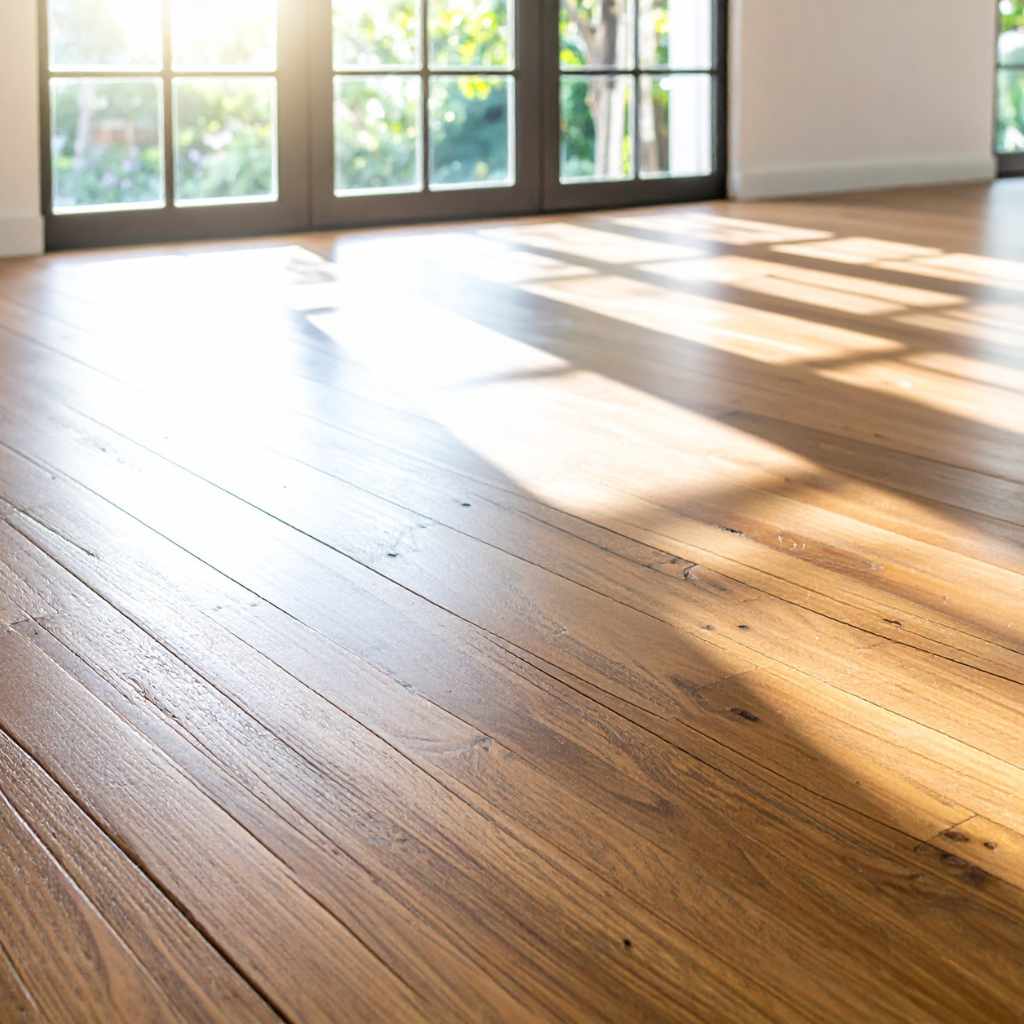
A semi-gloss finish provides a noticeable shine. It reflects a significant amount of light, which can make a room feel brighter and appear larger. This increased reflectivity can highlight the wood’s grain pattern and color, giving it a richer, more lustrous appearance.
The shine is polished and clear, lending a sense of sophistication and a more formal feel to the space. It’s a finish that draws attention to the floor, making it a prominent feature in the room’s design.
In contrast, a satin finish offers a softer, more muted sheen. It reflects light in a gentler way, creating a warm and inviting glow rather than a bright sparkle. This subtle sheen allows the natural beauty of the wood grain to be appreciated without the distraction of excessive glare.
Satin finishes are excellent for creating a more relaxed, cozy atmosphere. They can also help to make the room feel more intimate. This subdued reflection is often preferred by those who want their floors to complement, rather than dominate, their interior decor.
Impact on Room Style
The choice between semi-gloss and satin finishes has a profound impact on the overall style and ambiance of your home. When considering Semi-Gloss vs Satin Hardwood Floors: Which Looks Better?, think about the mood you want to create.
Semi-gloss finishes tend to lend themselves to more formal or traditional interior design styles. The clear sheen adds a touch of elegance and can make a space feel more upscale. If you have a classic decor with more ornate furniture or architectural details, a semi-gloss floor can provide a beautiful, polished foundation that complements these elements.
It can also be used in modern settings to create a sleek, dramatic look, especially in areas where you want the floors to be a focal point.
Satin finishes offer greater versatility and are well-suited for a wider range of styles, including contemporary, minimalist, and rustic designs. Their subtle glow creates a warm and welcoming atmosphere, making spaces feel more approachable and comfortable. For homeowners who prefer a natural, understated look, satin is an excellent choice.
It allows the beauty of the wood itself to shine through, enhancing the room’s character without making the floor the sole attention-grabber. This makes it ideal for creating a cozy, lived-in feel.
Factors to Consider for Your Flooring Choice
Selecting the right finish for your hardwood floors involves more than just personal taste; it requires careful consideration of practical factors. When you’re deciding Semi-Gloss vs Satin Hardwood Floors: Which Looks Better?, thinking about your lifestyle and the specific characteristics of your home will lead you to the best decision for both beauty and function.
Household Lifestyle and Traffic Patterns
Your daily life plays a significant role in determining the best finish for your hardwood floors. If your home is a hub of activity, with kids, pets, and frequent entertaining, you’ll want a finish that can stand up to the demands and look good doing it.
For high-traffic areas, such as hallways, living rooms, and kitchens, a finish that is forgiving of wear and tear is often preferred. Satin finishes tend to hide minor scratches and scuffs better due to their lower sheen, making them a popular choice for busy households. They require less frequent touch-ups and can maintain their attractive appearance with regular cleaning.
This means less worry about everyday accidents and more enjoyment of your beautiful floors.
If your home is more subdued, or if you are very diligent about floor care, a semi-gloss finish might be a good option. Its reflectivity can enhance the elegance of a room, and it can still be very durable. However, be prepared for the possibility that scuffs and scratches might be more noticeable.
In areas with light traffic or where you can easily control entry (like a formal dining room that’s not used daily), semi-gloss can offer a sophisticated appeal without constant concern.
Here’s a quick look at how traffic levels might influence your choice:
- High Traffic Areas (e.g., Entryways, Hallways, Kitchens): Satin is generally recommended due to its ability to camouflage minor imperfections.
- Moderate Traffic Areas (e.g., Living Rooms, Family Rooms): Both semi-gloss and satin can work well, depending on your preference for shine and how much wear you anticipate.
- Low Traffic Areas (e.g., Bedrooms, Formal Dining Rooms): Semi-gloss can add a touch of luxury, as these areas typically experience less wear.
Wood Species and Grain
The type of wood and its natural grain patterns can also influence which finish looks best. Different wood species have unique characteristics, and the finish you choose can either accentuate or mask these features. This is an important part of deciding Semi-Gloss vs Satin Hardwood Floors: Which Looks Better?
Woods with prominent and deep grain patterns, such as oak or hickory, can look stunning with either finish. A semi-gloss finish can make these pronounced grains pop, giving them a rich and luxurious appearance. The shine emphasizes the texture and depth of the wood.
On the other hand, a satin finish can provide a more understated elegance, allowing the natural beauty of the grain to be appreciated without a high level of glare. This can create a cozier, more inviting feel.
Woods with finer or less dramatic grain, like maple or birch, can also benefit from different finishes. A semi-gloss can add a sense of depth and bring out the subtle color variations in these woods, making them appear more vibrant. A satin finish can provide a soft, smooth look that enhances the clean, uniform appearance of these wood types.
Ultimately, the goal is to choose a finish that complements the inherent qualities of the wood species you have selected.
Consider these points:
- Prominent Grain Woods (e.g., Oak, Hickory, Ash): Both semi-gloss and satin can enhance these woods. Semi-gloss brings out texture and depth; satin offers a more subtle, natural look.
- Fine Grain Woods (e.g., Maple, Birch, Cherry): Semi-gloss can add vibrancy and perceived depth. Satin offers a smooth, clean aesthetic.
- Color Variations: Lighter woods might show scratches more easily regardless of finish, while darker woods might appear richer with a semi-gloss finish.
Desired Room Ambiance
The atmosphere you wish to create in a room is a primary driver for selecting a floor finish. When evaluating Semi-Gloss vs Satin Hardwood Floors: Which Looks Better?, think about the mood you want to set.
If you aim for a bright, airy, and somewhat formal or elegant feel, a semi-gloss finish is often the preferred choice. Its reflectivity bounces light around the room, making it feel more spacious and open. This can be particularly beneficial in smaller rooms or areas that don’t receive a lot of natural light.
The polished look of semi-gloss can also add a touch of luxury, making it suitable for dining rooms, living rooms, or entryways where you want to make a sophisticated impression.
For a cozy, warm, and inviting ambiance, a satin finish is usually ideal. The softer sheen creates a more relaxed and comfortable environment. It’s perfect for bedrooms, family rooms, or any space where you want to feel at ease.
The understated elegance of satin means it blends well with various decor styles, from rustic to contemporary, providing a beautiful foundation without being overpowering. It contributes to a feeling of warmth and homeliness.
Here’s how each finish contributes to ambiance:
- Semi-Gloss: Contributes to a feeling of spaciousness, brightness, and formality. It makes a statement and enhances a polished look.
- Satin: Contributes to a feeling of warmth, coziness, and comfort. It offers understated elegance and a relaxed, inviting atmosphere.
Caring for Semi-Gloss and Satin Floors
Once you’ve chosen between semi-gloss and satin finishes, proper care is essential to keep your hardwood floors looking their best for years to come. While the finishes themselves offer protection, consistent and appropriate cleaning will maintain their beauty and longevity. Understanding the best practices for each finish type ensures you get the most out of your investment.
Daily and Weekly Cleaning Routines
Establishing a regular cleaning routine is key for both semi-gloss and satin hardwood floors. The goal is to remove dirt and debris that can scratch the finish over time, regardless of its gloss level. The frequency of cleaning will depend on your household’s activity level and the amount of foot traffic.
For daily maintenance, dry sweeping or vacuuming with a soft brush attachment is recommended for both finishes. This removes surface dirt, dust, and pet hair that can dull the floor or cause micro-scratches. Pay attention to entryways where grit can be tracked in.
If you have a semi-gloss floor and notice a spill or smudge, it’s best to wipe it up immediately. While satin is more forgiving, prompt cleaning is always a good practice to prevent stains from setting.
Weekly cleaning can involve damp mopping. Use a hardwood floor cleaner specifically designed for your type of finish (water-based or oil-based polyurethane). Always wring out your mop so it’s just damp, not wet.
Excessive water can damage hardwood floors over time, leading to warping or discoloration. For semi-gloss floors, a thorough damp mop will help maintain its shine. For satin floors, a gentle damp mop will keep them clean and preserve their subtle glow.
Avoid using abrasive cleaners or steam mops, as these can damage the finish.
Here’s a simple cleaning schedule:
- Daily: Sweep or vacuum with a soft brush attachment to remove loose dirt and debris.
- As Needed: Spot clean spills and marks immediately.
- Weekly (or as needed): Damp mop with a pH-neutral hardwood floor cleaner. Ensure the mop is well wrung out.
Dealing with Scratches and Scuffs
Scratches and scuffs are inevitable with hardwood floors, but how they appear and how you address them can differ between semi-gloss and satin finishes. Understanding how to manage these minor imperfections will help maintain the appearance of your floors.
On semi-gloss floors, scuffs and light scratches tend to be more noticeable because the reflective surface highlights them. For minor scuffs, a clean tennis ball or a pencil eraser can sometimes buff them out. For deeper scratches, you might need touch-up kits or stain pens that match your floor color.
These can fill in the scratch and provide a protective layer. However, significant damage may require professional refinishing.
Satin finishes are generally more forgiving when it comes to scuffs and scratches. The lower sheen helps to blend them in, making them less obvious to the eye. For minor scuffs, similar methods to those used for semi-gloss can be effective.
If a scratch does appear and is bothersome, you can often use a color-matching wood repair crayon or putty to fill it. The matte nature of the finish means that these repairs are often less noticeable than on a shiny surface. For widespread issues, refinishing is still the best long-term solution.
Here’s a comparison of managing marks:
| Issue | Semi-Gloss Floors | Satin Floors |
|---|---|---|
| Visibility | Scuffs and scratches are more noticeable. | Scuffs and scratches are less noticeable. |
| Minor Scuffs | Can often be buffed out with a tennis ball or eraser. | Similar buffing methods may work, or they may blend in naturally. |
| Minor Scratches | Touch-up kits, stain pens, or color-matching repair products are useful. | Wood repair crayons or putty are effective and often blend well. |
| Deep Damage | May require professional repair or refinishing. | May require professional repair or refinishing. |
Protective Measures and Longevity
Preventing damage is always better than repairing it. Implementing protective measures can significantly extend the life and maintain the beauty of both semi-gloss and satin hardwood floors, ensuring they look great for longer.
For both finish types, using furniture pads on the legs of tables, chairs, and other furniture is crucial. These pads prevent scratches and dents that can occur when furniture is moved. Area rugs or mats at entrances can trap dirt and moisture, protecting the floor from abrasive particles and potential water damage.
It’s also wise to trim pet nails regularly to minimize scratching. For areas that receive direct sunlight, consider using curtains or blinds to reduce UV exposure, which can cause fading over time.
The longevity of the finish itself depends on the quality of the product used and the number of coats applied during installation or refinishing. Both semi-gloss and satin finishes, when applied correctly using high-quality polyurethane, are very durable. A typical finish can last anywhere from 5 to 15 years, depending on traffic and maintenance.
When the finish begins to wear thin and shows dull spots or scratches that cannot be easily repaired, it’s time to consider a re-coat or a full refinish to restore its protective layer and appearance.
Key protective measures include:
- Furniture Pads: Always use felt or rubber pads on furniture legs to prevent scratches.
- Rugs and Mats: Place mats at all entryways to catch dirt and moisture. Use area rugs in high-traffic zones.
- Pet Care: Keep pet nails trimmed and clean up accidents promptly.
- Sun Protection: Use window coverings to shield floors from direct sunlight and UV damage.
Frequently Asked Questions
Question: Which finish is more durable semi-gloss or satin
Answer: Both semi-gloss and satin finishes, when made with quality polyurethane, are very durable. Satin finishes tend to hide minor scuffs and scratches better due to their lower sheen, making them appear more resilient in daily use. Semi-gloss can show wear more readily because its shine highlights imperfections.
Question: Will semi-gloss make my room look smaller
Answer: Semi-gloss finishes reflect more light, which can actually make a room feel brighter and more spacious. While very high gloss can sometimes create overwhelming reflections, semi-gloss typically enhances the sense of openness rather than shrinking a space.
Question: Is satin better for hiding dirt
Answer: Yes, satin finishes are generally better at hiding dirt and minor imperfections like scuffs and scratches due to their matte appearance. The lower sheen means that everyday wear and tear is less obvious compared to the brighter, more reflective surface of a semi-gloss floor.
Question: Can I use a standard floor cleaner on both finishes
Answer: You should always use a pH-neutral cleaner specifically designed for polyurethane-finished hardwood floors. Avoid all-purpose cleaners or abrasive products, as they can dull or damage both semi-gloss and satin finishes. Always check the cleaner’s label to ensure it’s safe for your floor type.
Question: Which finish is more modern
Answer: Both finishes can be modern depending on the overall interior design. However, satin finishes are often favored in contemporary and minimalist designs for their understated elegance and natural look. Semi-gloss can also be used in modern spaces to create a sleek, dramatic statement.
Final Thoughts
Deciding between semi-gloss and satin finishes for your hardwood floors really comes down to the look and feel you want for your home. If you prefer a brighter, more polished appearance that can make rooms feel larger and more elegant, a semi-gloss finish offers that sophisticated sheen. It’s a choice that can bring a touch of luxury and highlight the wood’s texture.
On the other hand, if you value a warmer, more relaxed ambiance where the natural beauty of the wood can shine through subtly, and everyday wear is less apparent, satin provides that perfect soft glow.
Think about your daily life – busy households with pets and kids might find the forgiving nature of satin to be a practical advantage, while those who enjoy a pristine, show-home look might lean towards semi-gloss. Consider the type of wood you have; its grain and color can be beautifully complemented by either finish, but in different ways. Ultimately, there’s no single ‘better’ option, only the best option for you.
By understanding how each finish interacts with light, reflects wear, and contributes to your room’s style, you can confidently select the one that will make your hardwood floors a source of lasting beauty and enjoyment in your home.