What Color Is Oak Wood? Red vs White Oak, Stained & Aged
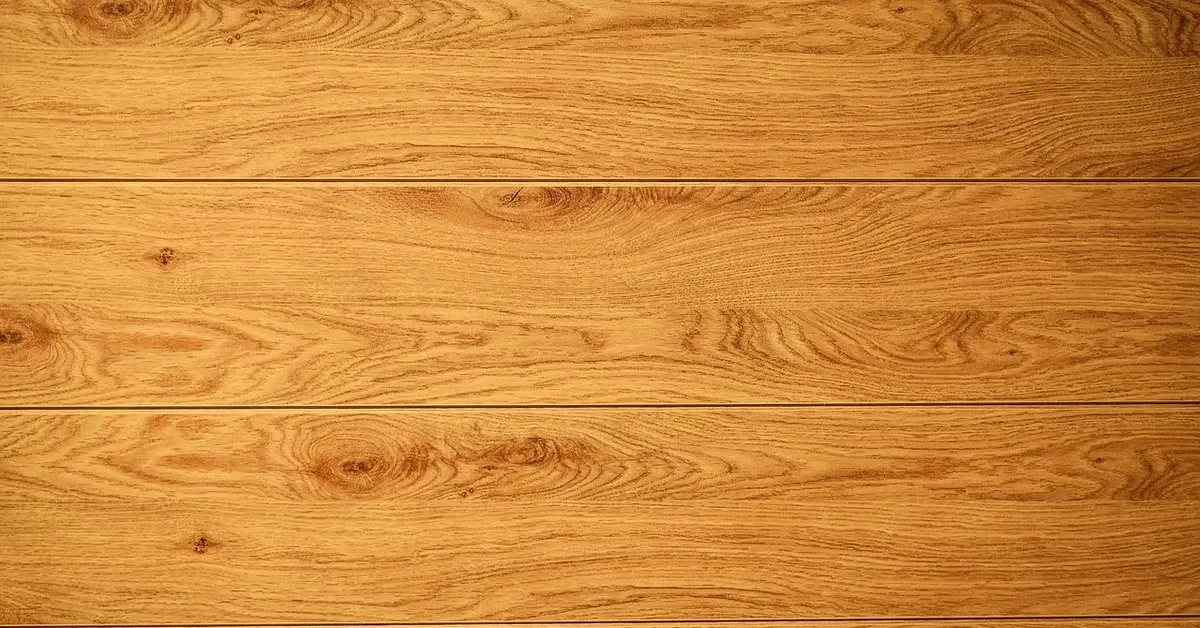
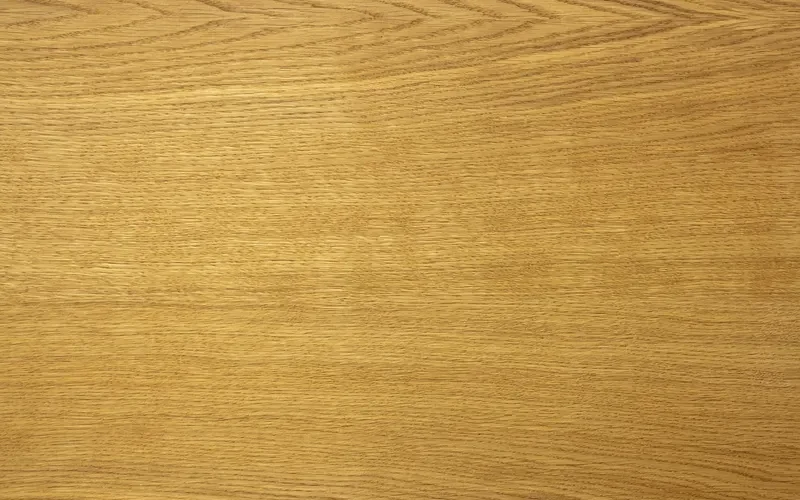
Oak is light to medium brown, but red oak carries a reddish cast and white oak an olive one, and color alone is not a reliable way to tell them apart. Age, sunlight and finish then push both toward amber, caramel or darker brown. This guide covers the heartwood and sapwood colors, a species comparison with real hardness and weight numbers, how aging and finishes change oak, and a light-to-dark color chart.
Introduction To Oakwood Colors
Best Medium Brown Oak Stain Pick
 |
Minwax Wood Finish Penetrating Stain, Early American, 1 Quart, $13.88 If you want the medium honey-brown oak color described in the chart below, this oil-based penetrating stain is the classic way to get there on either red or white oak.
|
As an Amazon Associate we earn from qualifying purchases.
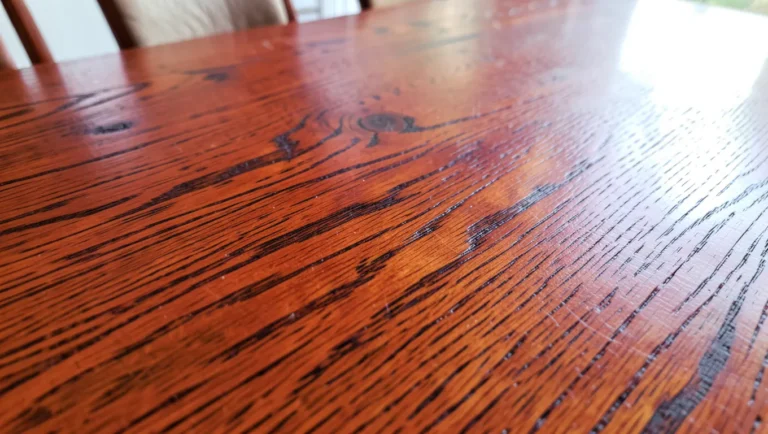
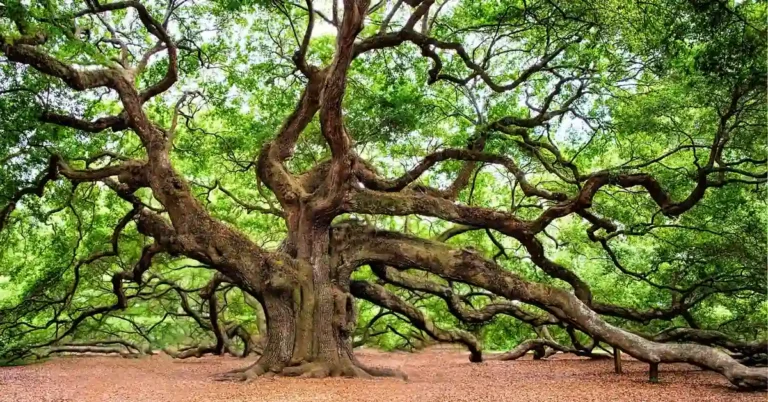
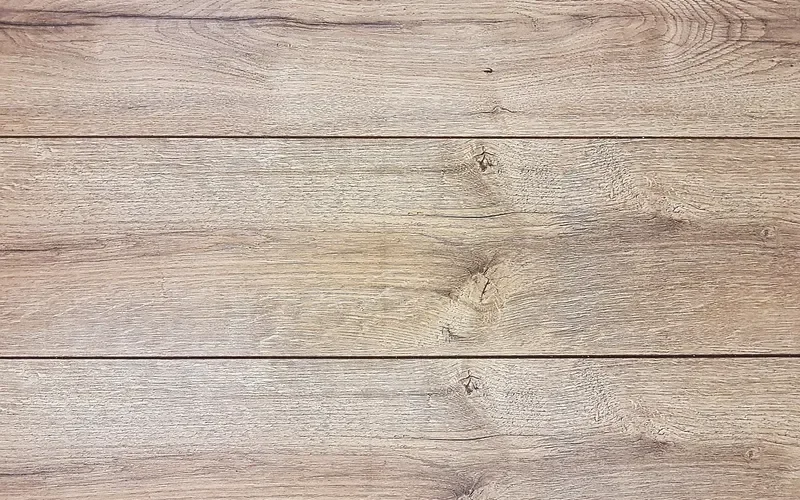
Oak is a hardwood in the Quercus genus, and its color depends first on which part of the tree the board came from. Heartwood is the older inner wood and sapwood is the paler outer layer. The Wood Database describes red oak heartwood as light to medium brown, commonly with a reddish cast, and white oak heartwood as light to medium brown, commonly with an olive cast. For both species it notes that the paler sapwood is not always sharply separated from the heartwood, so a single board can run from pale cream to tan across its width.
That variation is normal rather than a defect, and it is why two boards from the same pile can look different before any stain goes on. For a wider look at hardwood identification and finishing, see our types of wood guide.
Factors Influencing Oakwood Color
Several things move oak’s color between the sawmill and your finished room:
- Heartwood or sapwood: sapwood is the lightest part of the board, so a floor or tabletop with a lot of it reads paler and more contrasty.
- Species: red oak leans reddish-pink and white oak leans olive-tan, but both have large outliers, so treat this as a tendency.
- Light exposure: in a flooring-industry guide from National Hardwood, red oak ambers toward orange-brown over five to ten years, while white oak deepens toward a warmer caramel and stays in the brown-tan family. The same guide expects visible differences between rug-covered and exposed floor after about three years.
- Cut direction: flat-sawn boards show wide cathedral grain, quarter-sawn boards show straight grain with prominent ray flecks, and the same wood looks different in each.
- Iron contact: the Wood Database warns that both oaks can react with iron, especially when wet, causing dark stains and discoloration. Steel wool, wet nails and cheap fasteners are the usual culprits.
Common Oakwood Hues
Most oak you see falls into three broad ranges. These describe the look, not the species:
- Light oak: pale cream to soft tan. It comes from sapwood, from washed or limed finishes, or from a clear water-based finish on lighter boards. It looks bright and pairs well with white walls.
- Medium oak: warm honey to golden brown. This is the most common color for flooring and furniture, and it is what a clear finish on typical heartwood gives you.
- Dark oak: rich amber-brown to deep chestnut. It comes from decades of light exposure, from oil-based finishes that amber, or most often from a dark stain.
Red Oak Vs White Oak
The names mislead people. Red oak is not red and white oak is not white: both are brown, and the species differ more in subtle cast than in lightness. Many articles claim white oak is the darker of the two, but the sources below describe the difference as a slight reddish versus olive cast, not a reliable light-versus-dark rule. The table pulls the real numbers from the Wood Database species pages.
| Feature | Red oak (Quercus rubra) | White oak (Quercus alba) |
|---|---|---|
| Heartwood color | Light to medium brown, commonly with a reddish cast | Light to medium brown, commonly with an olive cast |
| Janka hardness (side grain) | 1,220 lbf | 1,350 lbf |
| Average dried weight | 43.8 lb/ft3 | 47.0 lb/ft3 |
| Pores (endgrain) | Very large in earlywood, tyloses absent or scarce, so air can pass through | Very large in earlywood, tyloses abundant, so the pores are plugged |
| Ray flecks on face grain | Shorter, rarely over about 1 inch | Taller, sometimes over 1 inch |
| Rot resistance | Non-durable to perishable | Very durable |
| Price | Usually slightly less expensive | Usually slightly more expensive |
Red oak Janka hardness is 1,220 lbf and white oak is 1,350 lbf. Source: Wood Database: red oak and Wood Database: white oak.
For a floor, that means white oak is a little harder and heavier, while red oak is a little cheaper. For color, it means you should not pick by name: sample the actual boards under your own lighting. For two different oak comparisons, see bur oak vs white oak and European oak vs white oak.
How to Tell Red Oak From White Oak When the Color Is Unclear
Both the Wood Database and Fine Homebuilding warn that color is the least reliable test, because age fades reds toward brown and there are many oak species grouped under the red and white names. The Wood Database ranks these checks as more dependable:
- Look at the endgrain pores: white oak heartwood has tyloses that plug the large earlywood pores, and red oak lacks them. Clean the endgrain first so sawdust is not mistaken for tyloses, and check heartwood rather than sapwood, which often lacks tyloses even in white oak.
- Try the blow test: on a clean straight-grain end cut, if you can blow air through the pores at all, it is probably red oak.
- Check ray height: on face grain, short rays under about an inch point to red oak and taller rays point to white oak.
How Aging and Finish Change Oak Color
This is the part most color guides skip: the same board changes a lot depending on what you put on it and how long it sits in the light. The table combines the Wood Database color descriptions with flooring-industry guidance on aging and finishes.
| Condition | Red oak result | White oak result |
|---|---|---|
| Bare or clear, new | Light to medium brown with a reddish cast | Light to medium brown with an olive cast |
| 5 to 10 years of light | Ambers toward orange-brown | Deepens toward warmer caramel, stays brown-tan |
| Oil-based clear finish | Ambers as it cures and keeps darkening, which can stack onto the pink and read orange | Also warms and ambers, usually reads golden |
| Water-based clear finish | Stays clear, so the natural color shows | Stays clear, so the natural color shows |
| Medium brown stain (e.g. Early American) | Reads as a warm medium brown, pores take pigment | Reads as a medium brown, a little less warm |
The finish rows reflect common flooring-retailer guidance that oil-based polyurethane ambers while water-based finishes stay clear; the exact shift varies by brand, so test on an offcut. One practical takeaway: if you want to keep oak’s pale natural color, choose a water-based finish, and if you want warmth, an oil-based one does part of the work for you. Our best polyurethane for hardwood floors guide compares the options.
Oak Wood Color Chart: Light, Medium, and Dark
Oak color shifts with species, cut, age and finish. Use this chart to match a look to a realistic way of getting it:
| Color Range | Typical Source | Appearance | Best Finish To Achieve |
|---|---|---|---|
| Light oak | Sapwood or pale boards of either species | Pale cream to light tan, soft grain contrast | Clear water-based finish or matte natural oil |
| Medium oak | Heartwood of either species under a clear finish | Warm golden brown, red oak a bit pinker, white oak a bit more olive | Clear satin, or a medium brown stain |
| Dark oak | Either species, stained or aged | Rich chestnut to deep chocolate brown | Dark walnut or espresso stain |
| Gray or weathered oak | Either species, outdoors or gray-washed | Cool silvery gray | Gray wash, or leave it unfinished outdoors |
| Amber or golden oak | Either species under oil-based finish or after years of light | Deep honey-amber, warm | Oil-based finish, or time and light |
Staining And Finishing Oakwood
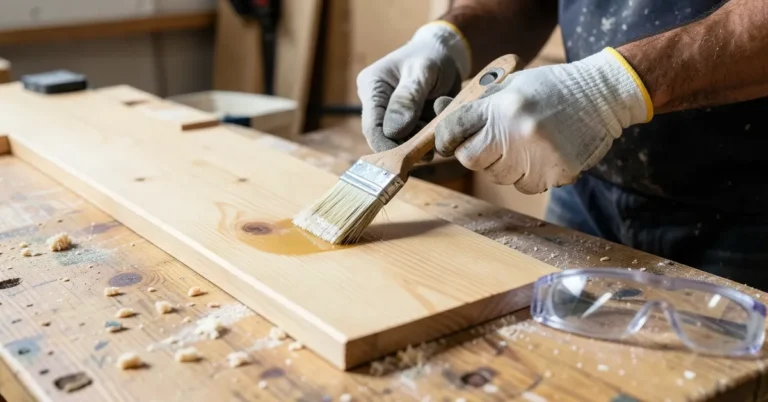
Oak glues, stains and finishes well according to the Wood Database, and the large open pores of red oak in particular take up stain pigment. Here is what common finish directions do to oak’s color:
- Natural or clear finish: shows the wood’s own color. This is the most common choice for oak flooring.
- Honey or medium brown stain: adds warmth and evens out light and dark boards. Minwax Early American is a classic medium brown.
- Gray or weathered stain: works best on white oak. Flooring guides commonly report that red oak’s reddish cast can show through gray and read slightly purple, so sample first.
- Dark walnut or espresso stain: gives a rich dark furniture look and hides most of the difference between boards and species.
- White or whitewash stain: keeps oak light with a weathered look, and works well with a pickling or cerusing technique.
Always test on an offcut from the actual boards you will use, because sapwood, heartwood and species each take stain differently. Our driftwood stain on red oak guide shows what a gray-brown stain does to red oak, and bleaching oak covers going lighter.
Maintaining Oakwood’s Color
Oak is durable, but its color will shift over time without protection. To slow that down:
- Use a UV-blocking finish: a finish with UV inhibitors slows yellowing and graying from sun exposure.
- Clean gently: use a barely damp cloth with mild soap and dry right away, because standing water can stain oak, especially around iron fasteners.
- Rotate rugs and furniture: a rug left in place for years leaves the covered wood noticeably lighter. The National Hardwood guide suggests rotating annually and notes a matte finish hides uneven aging better.
- Skip silicone polishes: they can interfere with future refinishing.
For day-to-day care, see our guides to cleaning oak hardwood floors and cleaning oak furniture.
Choosing The Right Oakwood Color For Your Space
Match oak to the room by undertone rather than by exact shade. Rules that work reliably:
- Light oak and white walls: bright and Scandinavian. Choose a cool white rather than a warm cream.
- Medium honey oak and warm neutrals: the classic American look with beige, tan and terracotta.
- Dark stained oak and deep colors: rich and traditional, good with navy, forest green and charcoal.
- Gray-stained white oak and cool walls: the modern farmhouse look, safest on white oak.
If you are mixing oak with other species, match undertones (warm to warm, cool to cool). See what color walnut is and what color teak is for how they sit next to oak, and our wood flooring guide for types and costs. Prices differ too: white oak per board foot is covered separately.
Oakwood Color Trends
Oak has cycled through several looks. The high-gloss orange “golden oak” of the 1990s fell out of fashion, and current trends lean toward:
- Wire-brushed or cerused oak: the grain is opened and filled with white or gray pigment for a textured two-tone effect.
- Natural matte finish: flat or satin water-based finish that keeps the raw, pale look.
- Smoked or fumed oak: ammonia fuming reacts with the tannins in oak and darkens it to a deep brown all the way through. The fumes are hazardous, so this is normally done by professionals in sealed chambers rather than at home.
- Blonde oak: very light, nearly white finishes in minimalist and Japandi interiors.
Frequently Asked Questions
What Color Is Oakwood?
Oak heartwood is light to medium brown. Red oak commonly has a reddish cast and white oak an olive cast, per the Wood Database, and the paler sapwood runs cream to tan. Age, light and finish then shift it toward amber, caramel or darker brown.
Does Oakwood Change Color Over Time?
Yes. A flooring-industry guide reports red oak ambers toward orange-brown over about five to ten years, while white oak deepens toward a warmer caramel. Light exposure and oil-based finishes speed this up, and areas under rugs stay paler.
How Does Oakwood Compare To Other Woods?
Oak is warmer and darker than maple, which is nearly white, and lighter than walnut, which runs deep chocolate brown. See our comparisons of mahogany vs oak and beech vs oak.
Is Oakwood Suitable For Furniture?
Yes. Red oak scores 1,220 lbf and white oak 1,350 lbf on the Janka scale, which resists dents well, and both are listed for cabinetry and furniture. White oak is also very rot-resistant, while red oak is not.
What is the difference between red oak and white oak color?
Red oak heartwood commonly has a reddish cast and white oak an olive cast, but both are light to medium brown. The Wood Database says color alone is not a reliable way to tell them apart, so check pores, rays or the blow test.
Is red oak or white oak darker?
Neither is reliably darker. Both are light to medium brown, and the difference is a reddish versus olive cast. Finish matters more: oil-based finishes amber red oak toward orange, and white oak ages toward caramel.
How can you tell red oak from white oak?
Check the endgrain: white oak pores are plugged with tyloses and red oak pores are open enough to blow air through. Face-grain rays are also taller on white oak, sometimes over an inch, and shorter on red oak.
Conclusion
Oak is a light to medium brown wood whose cast depends on species, whose depth depends on age and light, and whose final look depends on the finish you choose. Do not rely on color to name the species, sample your actual boards, and pick a water-based finish to keep oak pale or an oil-based finish or stain to warm it. For stain ideas, browse our wood finishing guide, and compare stain brands such as the Behr wood stain color chart.
Sponsored / affiliate links. As an Amazon Associate I earn from qualifying purchases. I may earn additional commission from eligible campaigns.