What Color Is Teak Wood? Natural Shade Guide Explained
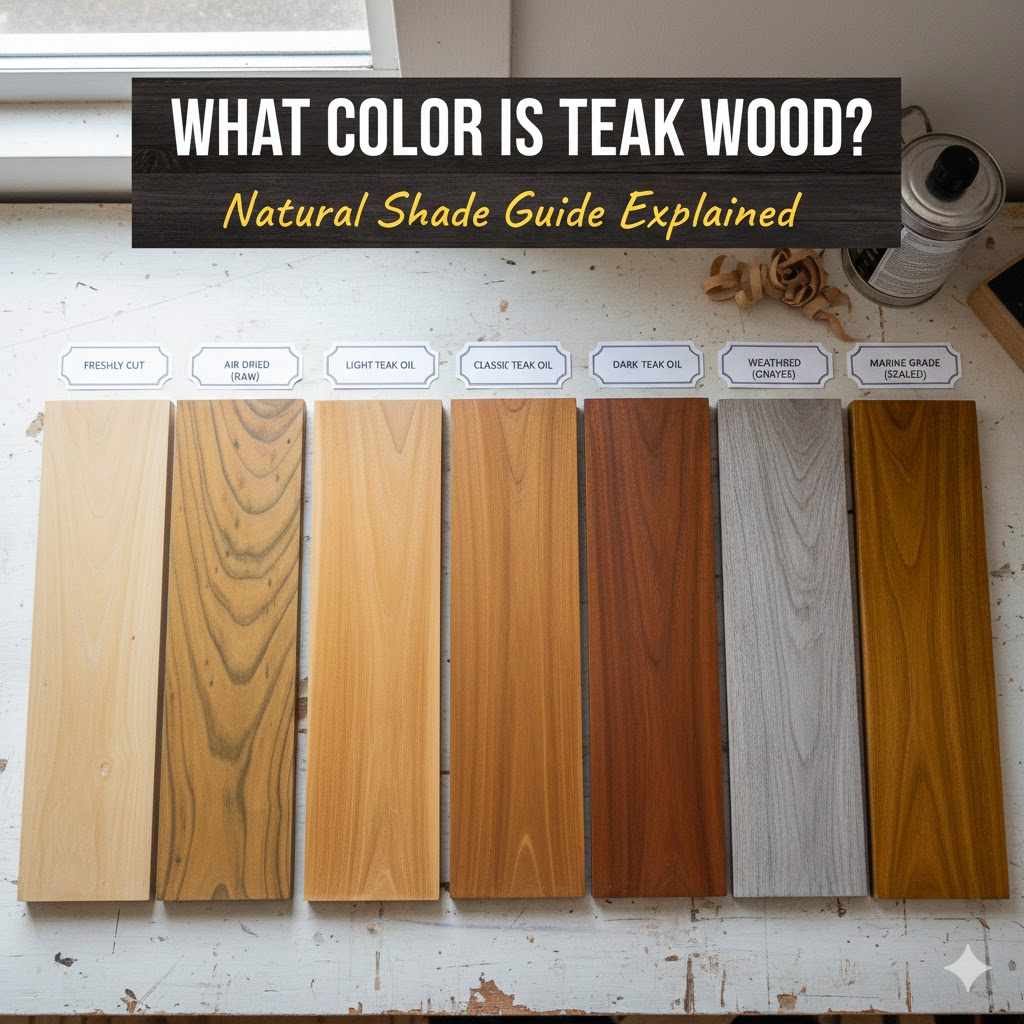
Figuring out What Color Is Teak Wood? Natural Shade Guide can be a bit tricky, especially if you’re new to wood types. The color of teak wood changes, and it’s affected by many factors. This guide helps you easily see the spectrum. You’ll soon have a solid grasp of teak’s natural beauty and the subtle color shifts it can take. Let’s start with a peek at the different hues.
The Natural Colors of Teak Wood
Teak wood is prized for its beauty and durability. A big part of its appeal is the varied and lovely colors it naturally displays. The color isn’t just one shade; instead, it’s a spectrum. This range is impacted by where the tree grew, its age, and even how the wood is treated. This variety makes teak wood a favorite for projects, from furniture to boat decks. Exploring this diversity is where we’ll start to give you a clearer view of the different shades.
Teak Wood’s Core Hues
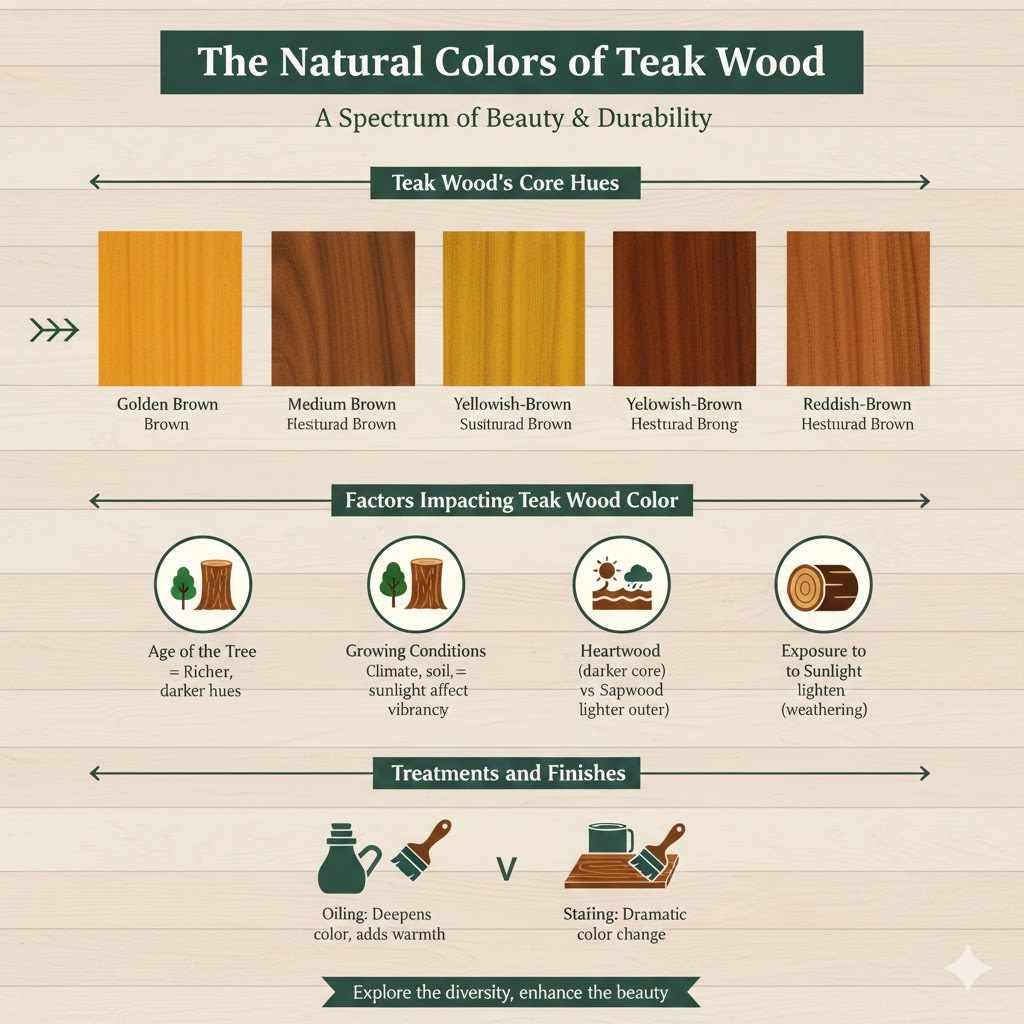
Teak wood’s base color often shows up as a golden brown. This color gives the wood a warm, inviting look. However, the wood’s color spectrum doesn’t stop there. You might find streaks of a darker, richer brown and even hints of yellow or red. The heartwood, which is the older part of the tree’s trunk, usually has the deepest, richest color. This contrast adds depth and character to each piece. Understanding this color range is where you start to appreciate teak wood’s natural beauty.
- Golden Brown: This is the classic color that many people associate with teak. It’s warm and inviting, perfect for adding a touch of natural elegance to any space. This shade often appears in newly-cut teak or wood that has been recently oiled. It gives a bright, sunny feel.
- Medium Brown: As teak ages or is exposed to the elements, it often transitions to a medium brown shade. This color provides a balanced look. It maintains some warmth. It’s often seen in outdoor furniture that gets sunlight.
- Dark Brown: The heartwood of teak trees often has a rich, dark brown color. This can range from a deep, chocolate hue to a near-black appearance. This darker color shows off the age and maturity of the wood, adding a luxurious feel.
- Yellowish-Brown: Sometimes, teak wood can have a yellowish tint. This may show up as it’s freshly cut or if it comes from younger trees. This color gives a brighter and livelier feel. It’s great for pieces that want a light and airy aesthetic.
- Reddish-Brown: Certain teak varieties can have reddish tones. These can add warmth and depth to the wood. This color variant is highly sought after for its unique appearance. It provides a striking look that stands out in any setting.
Factors Impacting Teak Wood Color
Several factors affect the color of teak wood. The tree’s growing conditions play a big part. Climate, soil type, and how much sunlight the tree gets influence the color and tone. Even the wood’s age has an effect; older teak often has a richer, deeper color. The part of the tree the wood comes from also matters. The heartwood tends to be darker than the sapwood (outer part). Different treatments, like oiling or staining, can also affect the final color. Each factor contributes to the unique beauty of teak wood.
- Age of the Tree: As a teak tree ages, the color of its wood changes. Older trees tend to have richer, darker hues. The heartwood of older trees is typically a deep brown. This shows the wood’s maturity and its long growth.For example, a teak table made from a mature tree will usually have a more pronounced dark color. This contrast is a key part of the wood’s appeal.
- Growing Conditions: The environment where the teak tree grows significantly impacts its color. Trees grown in areas with plentiful sunlight often have more vibrant colors. Soil composition and climate also affect the wood’s appearance.Consider a comparison. Teak from humid, tropical climates might have richer colors than teak from cooler regions. These differences add to the unique character of the wood.
- Heartwood Versus Sapwood: The heartwood is the core of the teak tree. It’s typically darker. The sapwood is the outer layer. It tends to be lighter in color. The contrast between these two parts can be striking.A piece of furniture crafted with both heartwood and sapwood will display a wider range of colors. This diversity is what attracts many woodworkers and buyers.
- Exposure to Sunlight: Direct sunlight can lighten teak wood over time. This process is called weathering. While it alters the color, it doesn’t reduce the wood’s strength or durability.Outdoor teak furniture often changes color with exposure to the sun. This shift is a natural part of the wood’s aging process.
- Treatments and Finishes: The way teak is treated and finished greatly influences its final color. Oiling the wood deepens its color and adds warmth. Stains can change the color dramatically.Using teak oil will often enhance the golden brown tones. Applying a stain can give a desired shade. Knowing these effects lets you tailor the look to your needs.
The Color Change in Teak Over Time
Teak wood goes through a natural color change as it ages. The beautiful golden-brown color you see at first starts to turn to a silvery-gray. This change is caused by the wood’s exposure to sunlight and weather. While the color shifts, the wood’s structural integrity remains strong. Understanding this natural process helps with taking care of teak. It also helps in keeping your teak items in good condition.
The Weathering Process
Weathering is the term used to describe the changes teak wood undergoes from exposure to the elements. This is especially true of outdoor pieces. The sun’s UV rays break down the lignin. Lignin is a substance that binds wood fibers. Rain washes away the surface oils. This exposes the lighter wood underneath. This process, when applied to teak, leads to the silvery-gray patina that many people love. This also helps defend the wood from decay.
- UV Ray Exposure: The sun’s ultraviolet (UV) rays are one of the main drivers of weathering. They break down the surface of the wood. This causes the color to fade and change. This impact is more noticeable in areas that get a lot of sun.
- Rain and Moisture: Rain and moisture wash away the natural oils. These oils help protect the wood. This process makes the surface lighter in color. It may also lead to the wood feeling a bit rougher.
- Oxidation: As teak is exposed to the air, it oxidizes. This process can contribute to the color change. Oxidation is a chemical reaction. It slowly transforms the wood’s surface. This, together with the sun and rain, creates the silver-gray look.
- The Silver-Gray Patina: The end result of weathering is a silver-gray patina. This is a characteristic appearance that many people love. The patina doesn’t affect the wood’s strength. It actually can help protect it from further damage.
- Reversal and Maintenance: You can slow the weathering. You can also restore the wood’s original color with certain treatments. Regular cleaning and applying teak oil can help. This keeps the wood from weathering too quickly.
How to Maintain Teak Wood Color
You can maintain the color of teak wood with a few easy steps. Regular cleaning is a must. Use mild soap and water to remove dirt and grime. Applying teak oil will help protect the wood and keep its color. This is especially important for outdoor furniture. Periodic sanding can also help remove any weathered areas. This helps to keep your teak looking its best.
- Regular Cleaning: Clean your teak wood items regularly. This prevents dirt, dust, and other debris from building up. This also prevents them from impacting the wood’s color. This simple step keeps your teak looking good. It also helps it last longer.
- Teak Oil Application: Teak oil provides a protective layer. It helps to keep the wood’s natural color. Apply the oil. Follow the manufacturer’s instructions. This should happen about every six months, or as needed.Consider this. Oiling can maintain the original golden-brown color. This keeps your teak furniture looking its best.
- Avoid Harsh Chemicals: Never use harsh chemicals or abrasive cleaners on teak. These can strip the wood of its natural oils. This will damage the wood and change its color. Stick to mild soaps and water.
- Use Protective Covers: When not in use, protect outdoor teak furniture with covers. This minimizes exposure to sunlight and moisture. This can slow down the weathering process. This will let you enjoy your teak’s color longer.
- Sanding as Needed: Sanding can remove the weathered top layer. This will restore the wood’s original color. Be careful when sanding. Don’t remove too much wood. Always apply teak oil after sanding.
Different Applications and the Colors of Teak
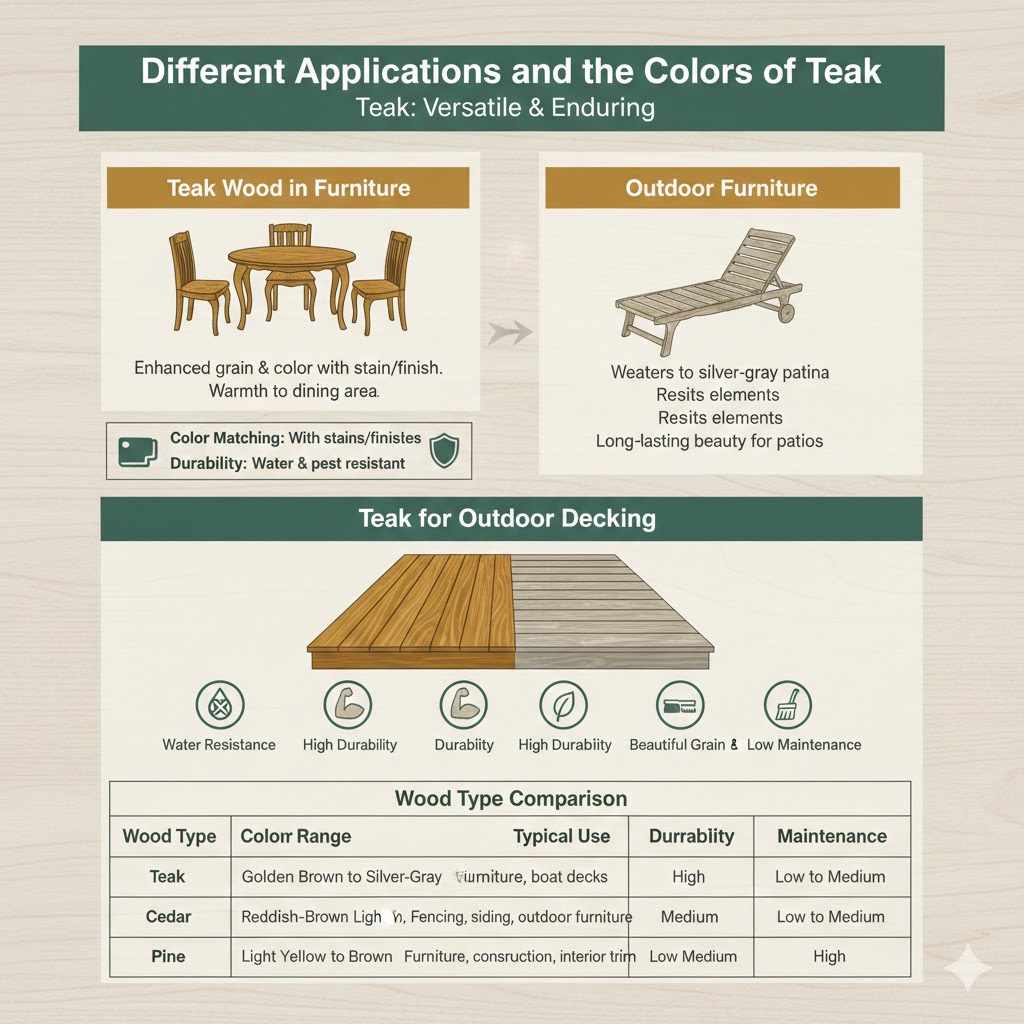
Teak wood’s colors and characteristics make it perfect for various uses. From elegant indoor furniture to durable outdoor decking, teak provides aesthetic appeal. The color can be changed. This makes it perfect for matching different interior design styles. Whether you seek a classic look or a contemporary design, teak offers versatile choices. This flexibility is part of its charm.
Teak Wood in Furniture
Teak’s warm tones and natural beauty make it a popular choice for furniture. Its durability means furniture made from teak can last for many years. It is resistant to water and pests. This also makes it a great choice for both indoor and outdoor settings. Whether it’s a dining table, a lounge chair, or a bed frame, teak furniture offers style and functionality. It can enhance any living space.
- Indoor Furniture: For inside, teak furniture often gets a stain or clear finish. This enhances the grain and color. This makes it fit various design styles. Teak’s durability makes it an excellent choice for items that are used every day.A solid teak dining table brings warmth to a dining area. It also stands up to daily use.
- Outdoor Furniture: Outdoor teak furniture often weathers naturally. This creates a silver-gray appearance. This weathering does not affect the furniture’s strength. Its resistance to the elements makes it perfect for outdoor use.Think of a teak patio set. It will endure the weather. It will also maintain its beauty for many years.
- Color Matching: Teak’s color can be matched to other items. You can achieve this with stains or finishes. This offers flexibility in design. You can also match it to existing decor.A carefully chosen stain can make teak blend with other wood furniture. This creates a consistent look in your home.
- Durability: Teak’s natural oils make it resistant to water. This adds to its great durability. It is perfect for items that get a lot of use.
- Aesthetic Appeal: The warm tones and beautiful grain of teak furniture make it an attractive choice. It adds character to any space. It provides a touch of elegance.
Teak for Outdoor Decking
Teak wood is a top choice for outdoor decking. Its high oil content gives natural water resistance. This makes it perfect for use near water. The wood weathers gracefully over time. This gives the deck a rich, silver-gray appearance. This color is popular. It fits many outdoor settings, from backyards to boat decks. Teak offers both beauty and functionality. This is a great choice for decks.
- Weather Resistance: Teak’s natural oils provide excellent resistance to water. This keeps it from rotting or warping. This makes it a great choice for decking.
- Durability: Teak is very durable. It can withstand the harsh conditions of outdoor use. It provides years of reliable service.
- Aesthetics: Teak decking has a beautiful appearance. This includes the natural color variations. Its smooth surface also makes it safe and appealing.
- The Silver-Gray Patina: The weathering process creates a unique silver-gray patina. Many people like the look of this. It adds charm and character to the deck.
- Maintenance: Teak decking requires little maintenance. Regular cleaning and occasional oiling can keep it in excellent condition. This ensures long life.
| Wood Type | Color Range | Typical Use | Durability | Maintenance |
|---|---|---|---|---|
| Teak | Golden Brown to Silver-Gray | Outdoor decking, furniture, boat decks | High | Low to Medium (regular cleaning and oiling) |
| Cedar | Reddish-Brown to Light Brown | Fencing, siding, outdoor furniture | Medium | Medium (weather protection) |
| Pine | Light Yellow to Brown | Furniture, construction, interior trim | Low to Medium | High (prone to rot and insect damage) |
Frequently Asked Questions
Question: Does teak wood always turn gray?
Answer: No, teak wood doesn’t always have to turn gray. The silver-gray color is a natural result of weathering, mostly on outdoor teak. If you like the original golden-brown color, you can keep the wood looking that way with regular oiling and proper care.
Question: How can I maintain the original color of teak wood?
Answer: Keeping teak’s original color involves regular care. Clean the wood. Apply teak oil. Shield the wood from direct sun and moisture when you can. This will slow down the weathering. This helps retain the golden-brown hue.
Question: Is the color change in teak wood a sign of damage?
Answer: The color change, or weathering, in teak wood is a natural process. The wood isn’t being damaged. It just means the wood is reacting to the elements. This doesn’t affect the wood’s strength or durability.
Question: Can I stain teak wood?
Answer: Yes, you can stain teak wood. Staining lets you modify the color. It can also enhance the wood grain. Make sure the stain you use is appropriate for exterior use if it’s for outdoor furniture.
Question: What’s the best way to clean teak wood?
Answer: Clean teak wood with mild soap and water. Avoid harsh chemicals and abrasive cleaners. These might remove the natural oils. It’s best to rinse the teak well and let it air dry.
Final Thoughts
Understanding What Color Is Teak Wood? Natural Shade Guide means appreciating the beauty and variety that teak has to offer. Whether you are curious about the golden hues of new teak or the silver-gray patina that comes with age, there is something beautiful. You can keep your teak wood in great shape. Regular cleaning and maintenance are key.
Applying teak oil will preserve its color. Consider where the wood will be located. Will it be indoors or outdoors? The color you see will depend on many factors. So, the next time you look at a teak piece, think about where it grew. Think about how the elements have affected it. Enjoy the wonderful color of teak wood.