Mortise and Tenon Tools: The Complete Hand and Machine Guide
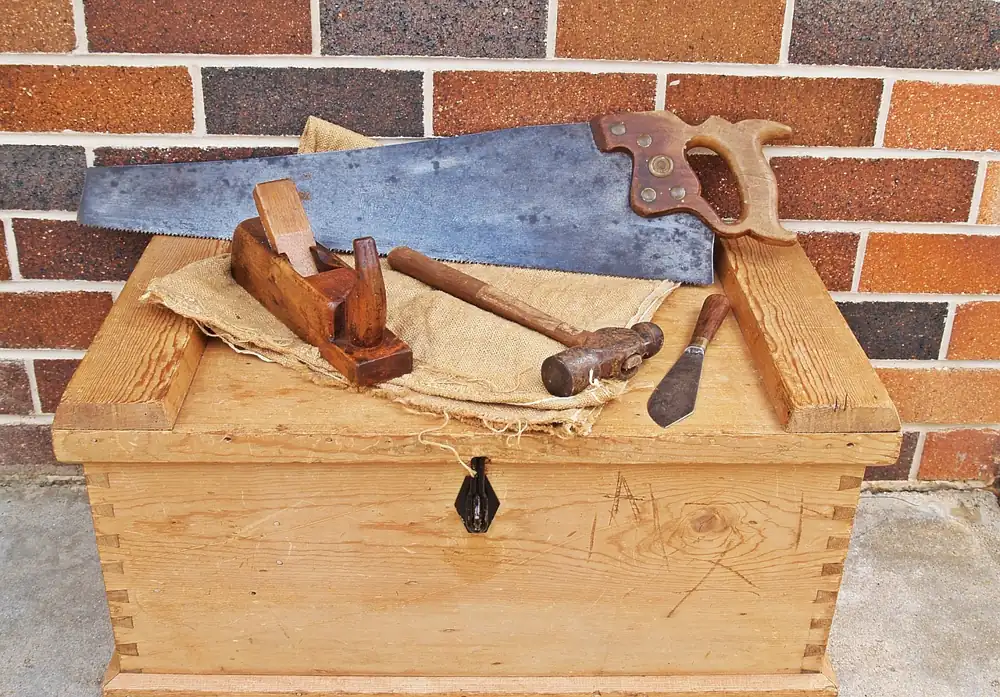
The essential mortise and tenon tools are six: a mortise chisel sized to the joint width, a mortise gauge to scribe both cheek lines at once, a tenon saw (or dovetail and carcass saws) to cut the tenon, a joiner’s mallet, a shoulder plane to fit the tenon, and either a benchtop hollow-chisel mortiser or a router jig if you want to skip chopping by hand. My first mortise chopped by hand in 8/4 white oak with a 3/8-inch mortise chisel took 13 minutes and still needed a paring pass to clean the walls. The fortieth took 6 minutes and came off the chisel smooth enough to skip paring entirely.
Quick Answer
The core mortise and tenon tools are a mortise chisel, a mortise gauge, a tenon saw, a joiner’s mallet, and a shoulder plane. A mortise chisel matched to the joint width chops the mortise; the gauge scribes both cheek lines in one pass; the saw and mallet cut and fit the tenon. A benchtop mortiser or router jig replaces the chisel and mallet for volume work.
What Tools Do You Need for Mortise and Tenon Joints?
A complete mortise and tenon tool kit has five hand tools and one optional machine: a mortise chisel, a mortise gauge, a tenon saw, a joiner’s mallet, and a shoulder plane, plus a benchtop mortiser or router jig if you’re cutting more than a handful of joints. Each tool does one job the others cannot substitute for.
- Mortise chisel — a thick, square-edged chisel built to take mallet blows and lever waste out of the mortise without twisting
- Mortise gauge — scribes both mortise walls at once using two adjustable spurs set to the chisel’s exact width
- Tenon saw (or a dovetail saw for cheeks and a carcass saw for shoulders) — cuts the tenon down to the scribed lines
- Joiner’s mallet — drives the mortise chisel through cross-grain chopping without damaging the handle
- Shoulder plane — trims the tenon’s cheeks and shoulders for a tight, gap-free fit
- Benchtop mortiser or router jig — optional machine path that replaces the chisel and mallet for repetitive joints
Every one of these tools earns its place by doing a job a substitute tool does badly. A bevel-edge bench chisel can pare a tenon shoulder, but it flexes and rolls under mallet blows in a deep mortise — that’s the difference a purpose-built mortise chisel makes.
For the joint itself — what a mortise and tenon actually is, its main types, and real strength data — see this site’s guide to mortise and tenon joinery. This page covers the tools; that one covers the joint.
What Chisel Do You Need to Cut a Mortise by Hand?
A dedicated mortise chisel, not a bevel-edge bench chisel, cuts a hand-chopped mortise. Mortise chisels come in 1/8-inch to 5/8-inch widths, ground thick and square-sided to resist twisting under repeated mallet blows while levering waste out of the cut.
The mortise width should run roughly one-third of the stock’s thickness. A 3/4-inch table apron takes a 1/4-inch or 5/16-inch mortise chisel; a 1-1/2-inch leg takes a 1/2-inch chisel. Buy the chisel width to match the joint, not the other way around — the mortise gauge is then set to that exact chisel, so the chisel decides the mortise size, not a tape measure.
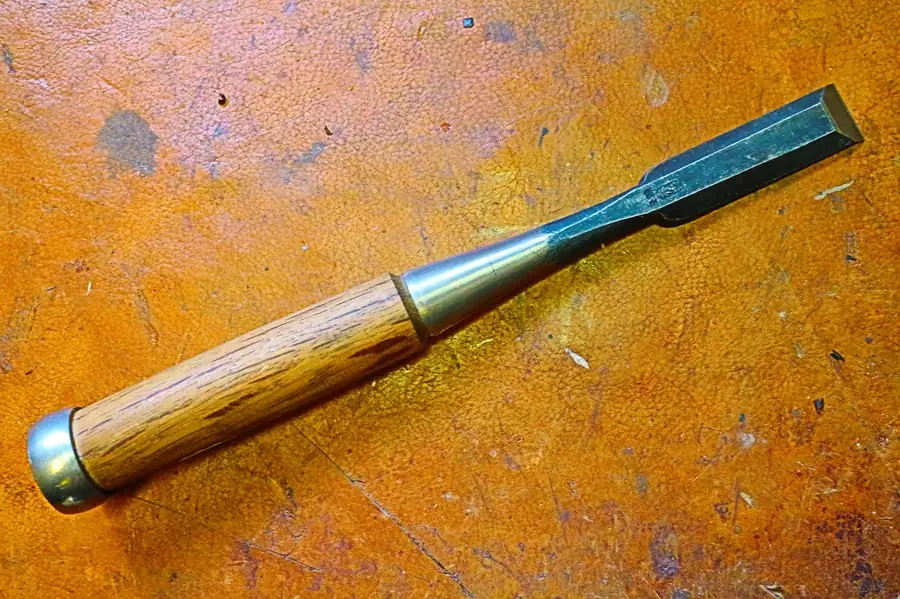
A 1/4-inch mortise chisel will not clean up a 3/8-inch mortise faster by taking a second pass down each wall. The chisel’s flat back rides against the far wall and burnishes it instead of paring it, leaving a mortise that looks finished but is undersized for the tenon. Match the chisel width to the mortise width before starting, not after the first chop goes wrong.
Recommended Mortise Chisel Set
Narex Mortise Chisel Set, 4/6/10/12mm – $83.16
Four widths (roughly 5/32, 1/4, 3/8, and 1/2 inch) cover nearly every apron-and-leg mortise a furniture project needs, forged from chrome-manganese steel and hardened to 59 HRc so the edge survives repeated mallet blows.
- Best for: a first mortise chisel set covering the common furniture-joint width range
- Why we picked it: four widths in one set means the mortise gauge only needs resetting four times, not once per project
- Main drawback: the handles need a light coat of finish before use — they ship bare from the factory
As an Amazon Associate we earn from qualifying purchases.
What Is a Mortise Gauge and Do You Need One?
A mortise gauge is a marking tool with two adjustable steel spurs that scribe both mortise walls in a single pass along the wood’s edge, usually after the joint’s rough layout has already been struck with a mechanical carpenter pencil. Yes, it is worth owning separately from a regular marking gauge — a marking gauge has one pin and requires two separate settings and two passes to mark a mortise, doubling the chance of a mismatched width.
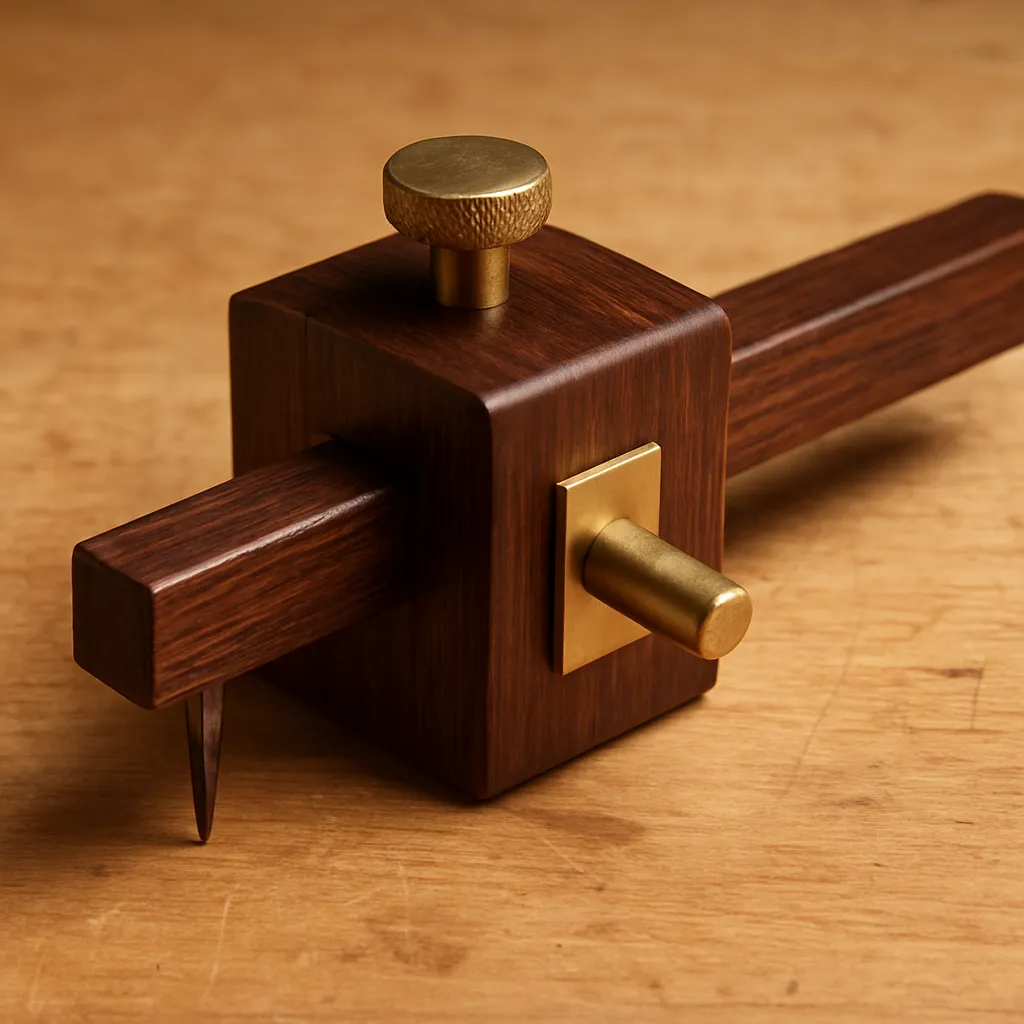
Set the gauge once by resting both spurs directly against the sides of the mortise chisel you’re using, then lock the fence at the distance from the board’s face or edge. That single setting scribes every mortise and every matching tenon cheek line in a project — I run one gauge setting through a full set of table legs and aprons before touching the adjustment screw again.
A basic beech-and-brass mortise gauge costs $20 to $35. Premium wheel-style gauges with one-handed thumbscrew adjustment run $60 to $90 and hold a setting more precisely across a long session, but a basic gauge is accurate enough for most furniture work if the fence is locked down firmly before the first cut.
What Saw Do You Use to Cut a Tenon?
A tenon saw, a stiff-backed backsaw 10 to 14 inches long with 11 to 14 teeth per inch, cuts a tenon’s cheeks and shoulders. A dovetail saw and a carcass saw are the same backsaw family cut to different jobs — not three different tools you need to own separately.
| Saw | Blade Length | Teeth Per Inch | Best For |
|---|---|---|---|
| Tenon saw (general backsaw) | 10–14 in | 11–14 TPI | All-purpose tenon cheeks and shoulders |
| Dovetail saw | 8–10 in | 15–20 TPI, rip filing | Fine rip cuts down the tenon cheeks |
| Carcass saw | 10–12 in | 12–14 TPI, crosscut filing | Crosscutting the tenon shoulders cleanly |
One tenon saw handles both cuts adequately on furniture-scale joinery. Splitting the job across a rip-filed dovetail saw for cheeks and a crosscut-filed carcass saw for shoulders, the way our guide to cutting dovetail joints by hand covers for that joint, gives a cleaner shoulder line but is not required to get a functional tenon.
Is a Shoulder Plane Necessary for Mortise and Tenon Joints?
A shoulder plane is necessary once a saw cut needs correcting, not before. A saw that tracks dead-on the scribed line needs no plane at all; a shoulder plane with a 3/4-inch blade trims the last few thousandths off a tenon’s cheeks and shoulders when the saw wanders even slightly.
Buy the 3/4-inch blade width first — narrow enough to trim shoulders cleanly, wide enough to true most cheeks in two passes. The sole must sit dead flat and both sides must run perfectly perpendicular to it, or the plane transfers its own error onto the tenon instead of removing the saw’s error. See our comparison of Lie-Nielsen and Veritas hand planes for how the two major premium makers handle that sole-to-side tolerance.
If you would rather build that precision into a plane yourself than buy it, see our guide on how to make a wooden jointer plane, which covers picking a stable body wood and truing the sole flat.
Fit the tenon’s thickness first, testing with light hand pressure at a 45-degree angle into the mortise mouth, then trim width last with a chisel. A tenon that needs force to seat is still too thick; one that wobbles side to side is already too thin to fix with the plane.
Do You Need a Mortiser Machine or Router Jig?
No — a benchtop mortiser or router jig is optional, not required, for mortise and tenon joinery. A hollow-chisel benchtop mortiser plunges to a 6-inch depth in one pass on most home-shop models and cuts a mortise in under 90 seconds that takes 8 to 12 minutes to chop by hand in oak.
The math favors a machine past roughly a dozen mortises on one project — a table with four legs and eight aprons, for instance. Below that count, the setup time for a benchtop mortiser or a router-and-jig combination (squaring the fence, dialing in bit depth, test-cutting scrap) usually costs more time than it saves. Our guide to what a mortiser actually is covers the machine itself — bench, floor, and chain types — in more depth.
A router with a 1/4-inch or 1/2-inch spiral upcut bit and a shop-made or commercial mortise-and-tenon jig is the middle path: cheaper than a dedicated mortiser, faster than hand-chopping, but it needs a squared fence setup before the first cut and leaves rounded mortise corners that a chisel has to square off afterward.
Hand Tools vs. Machine Tools: Which Should You Buy First?
Buy the hand-tool set first: a mortise chisel, mortise gauge, tenon saw, and joiner’s mallet cost under $150 combined and cut any mortise and tenon joint a benchtop machine can. A mortiser or router jig is worth adding only once mortise count per project regularly runs past a dozen.
| Path | Typical Cost | Time Per Mortise | Best For |
|---|---|---|---|
| Hand chisel + mallet | $100–$150 (chisel set + gauge + mallet) | 8–12 min | Occasional projects, under a dozen mortises |
| Router + jig | $150–$400 (jig + bits, router owned separately) | 2–4 min plus setup | Repeated projects, rounded corners acceptable |
| Benchtop hollow-chisel mortiser | $300–$700 | Under 90 sec | Volume work, square-cornered mortises with no chisel cleanup |
According to Fine Woodworking’s own comparison of ten different ways to cut this joint, no single method wins outright — the right tool path depends on the project’s mortise count, not on which method is “correct.” A one-off mortise for a single shelf bracket doesn’t justify a $400 jig any more than a production run of twenty chairs justifies chopping every mortise by hand.
Frequently Asked Questions
What size chisel do you need for a mortise?
The chisel width should equal roughly one-third of the stock’s thickness — a 3/4-inch apron takes a 1/4-inch or 5/16-inch mortise chisel, a 1-1/2-inch leg takes a 1/2-inch chisel. Set the mortise gauge to the chisel afterward, not the reverse.
Can you use a regular chisel instead of a mortise chisel?
A bevel-edge bench chisel can start a shallow mortise but flexes and rolls under repeated mallet blows in anything deeper than about 1/2 inch. A dedicated mortise chisel’s thicker, square-sided body resists that twist and levers waste out cleanly.
What’s the difference between a tenon saw and a dovetail saw?
A dovetail saw is filed with a rip pattern at 15 to 20 teeth per inch for cutting with the grain on tenon cheeks; a tenon saw is a general-purpose backsaw at 11 to 14 teeth per inch that handles both cheeks and shoulders adequately without switching tools.
Do you need a mallet or can you use a hammer to chop a mortise?
A joiner’s mallet, not a hammer, drives a mortise chisel. A mallet’s wide wooden face spreads the impact across the chisel’s handle end; a hammer’s small steel face concentrates force into one spot and splits a wooden chisel handle within a few dozen blows. See our breakdown of the difference between a hammer and a mallet for the full comparison.
Is it worth buying a benchtop mortiser for a first project?
Not for a first project. A hand-tool set covers any mortise a benchtop mortiser can cut, at under a third of the cost, and teaches the fit tolerances a machine hides. Add a mortiser only once mortise count per project regularly exceeds about a dozen.
Sponsored / affiliate links. As an Amazon Associate I earn from qualifying purchases. I may earn additional commission from eligible campaigns.