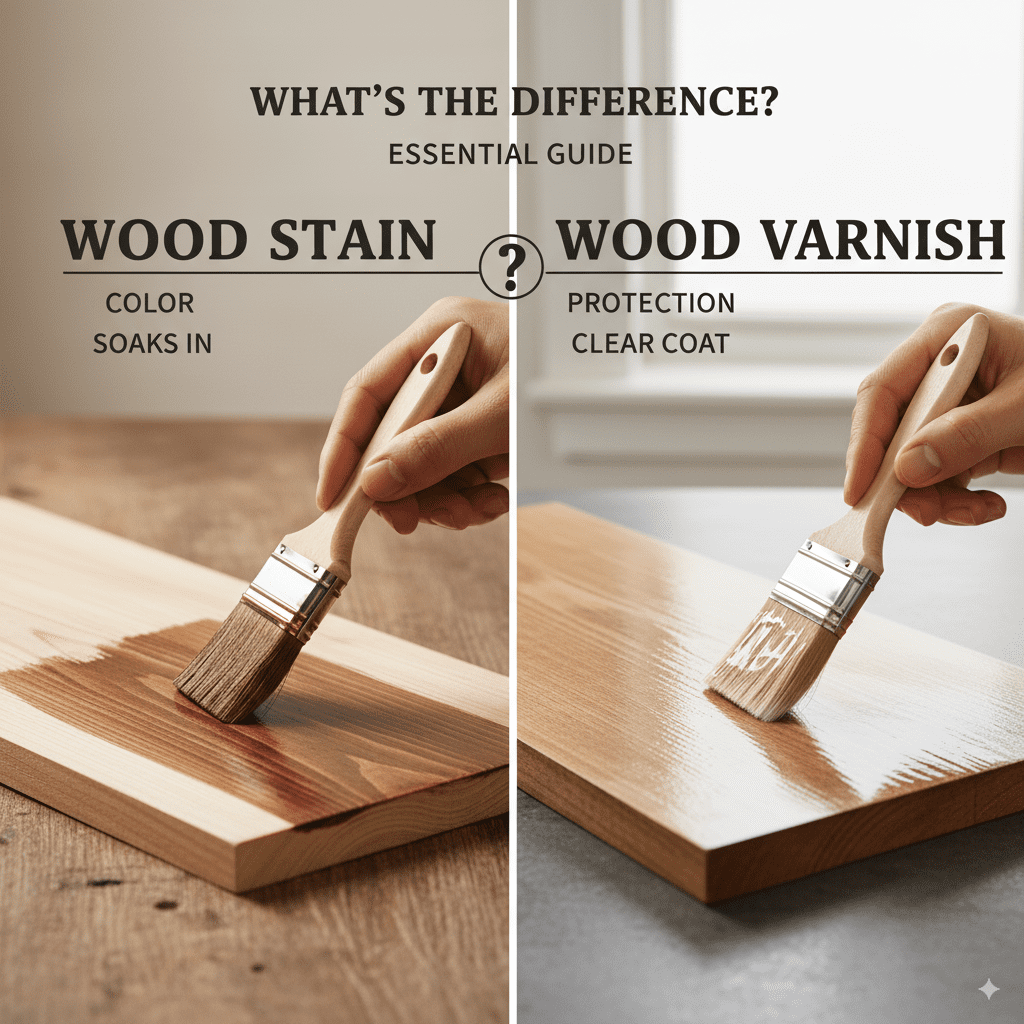
What’s the Difference Between Stain and Varnish: Essential Guide
Quick Summary: Stain penetrates wood to add color and highlight the natural grain, but provides minimal protection. Varnish creates a tough, clear topcoat that shields against moisture, UV rays, and wear. Use stain for aesthetics, varnish for durability, or combine them for enhanced beauty and longevity in your woodworking projects.
Hey there, fellow DIY enthusiast! If you’re dipping your toes into woodworking, you’ve probably wondered about stain and varnish. Many homeowners get confused between the two, leading to uneven finishes or projects that don’t last. Don’t worry—it’s a common mix-up, especially when you’re eager to transform that plain wood into something beautiful.
I’m Md Meraj, and I’ve been guiding folks like you through simple home improvements for years. With the right knowledge, anyone can achieve professional-looking results safely and affordably. In this guide, I’ll break down the differences, show you when to use each, and walk you through easy steps to apply them. Let’s get started on building your confidence!
What Is Wood Stain?
Wood stain is like a colorful hug for your wood. It soaks right into the fibers, changing the color while letting the natural grain shine through. Unlike paint, which sits on top and hides everything, stain enhances what Mother Nature gave us. It’s perfect for giving oak, pine, or maple a richer tone without covering up their unique patterns.
From my experience in countless workshops, stain comes in oil-based, water-based, or gel forms. Oil-based stains penetrate deeply for a warm, even color but take longer to dry. Water-based ones are easier to clean up and have less odor, making them great for indoor projects. Gel stains are thicker, ideal for vertical surfaces where drips could be a problem. Always test on a scrap piece first to see how it absorbs—different woods react uniquely.
Safety is key here. Wear gloves to avoid skin contact, and work in a well-ventilated area to dodge fumes. If you’re staining furniture or floors, remember stain alone doesn’t protect against scratches or water. That’s where a topcoat comes in, but we’ll cover that soon.
What Is Varnish?
Varnish is your wood’s bodyguard. It’s a clear, hard finish that forms a protective layer on the surface, sealing out moisture, dirt, and everyday wear. Made from resins, oils, and solvents, it dries to a glossy or matte sheen, depending on what you choose. Think of it as a shield that keeps your wood looking fresh longer.
In my years of home renovations, I’ve seen varnish save the day on tabletops, doors, and outdoor pieces. Polyurethane varnish is popular for its durability and water resistance, while spar varnish flexes with wood in humid or marine environments. It’s usually applied after staining if you want color, but it can stand alone on natural wood for a subtle enhancement.
One thing to note: varnish can yellow over time, especially oil-based types, so opt for water-based if you want to keep lighter woods bright. Always stir it gently—never shake—to avoid bubbles that could ruin your smooth finish.
Key Differences Between Stain and Varnish
Understanding these differences helps you pick the right one for your project. Stain focuses on color, while varnish prioritizes protection. Here’s a clear breakdown to make it simple.
| Aspect | Stain | Varnish |
|---|---|---|
| Purpose | Adds color and enhances grain | Provides protection and sheen |
| Application | Penetrates into wood | Forms a layer on top |
| Protection Level | Low (needs topcoat) | High (resists moisture, UV, scratches) |
| Drying Time | 1-2 hours for touch-dry | 4-24 hours per coat |
| Finish Options | Matte, semi-transparent | Glossy, satin, matte |
| Durability | Moderate with sealer | Excellent for heavy use |
| Cost | Affordable ($10-20 per quart) | Slightly higher ($15-30 per quart) |
This table shows why many folks use both: stain for beauty, varnish for strength. For more on comparisons, check out this varnish vs. stain guide from The Spruce.
When to Use Stain vs. Varnish
Choosing between stain and varnish depends on your project’s needs. If you want to change the wood’s color—like turning pale pine into rich walnut—go for stain. It’s ideal for decks, fences, or furniture where you want the texture to show.
Varnish shines on high-traffic areas, like kitchen cabinets or outdoor benches, where protection is crucial. It guards against spills, sun fading, and scuffs. For indoor floors, use varnish over stain for color plus durability.
Sometimes, skip stain if you love the wood’s natural hue, and just varnish for shine and safeguard. In humid spots, like bathrooms, varnish prevents warping. For outdoor projects, look for UV-protected varnish to avoid cracking. Always consider the wood type—porous woods like oak take stain well, while dense ones like maple might need preconditioning.
If affordability matters, stain is cheaper for large areas, but varnish saves money long-term by reducing refinishing needs. Test small areas to ensure you’re happy with the look before committing.
Tools and Materials Needed for Staining and Varnishing
Gathering the right tools makes the job smoother and safer. Here’s what you’ll need for each process. I always recommend quality items to avoid frustration midway.
| Category | For Staining | For Varnishing |
|---|---|---|
| Basic Tools | Sandpaper (120-220 grit), lint-free cloths, foam brushes | Natural bristle brushes, foam applicators, sanding sponges |
| Materials | Wood stain, preconditioner (for softwoods), mineral spirits for cleanup | Varnish, thinner (if needed), tack cloth for dust removal |
| Safety Gear | Gloves, mask, eye protection | Respirator, gloves, drop cloths |
| Optional Extras | Stain pads, orbital sander | Stir sticks, paint trays, wet/dry vacuum |
These essentials keep things affordable—most cost under $50 total. For reliable tools, visit Minwax’s staining tips for product recommendations. Remember, clean tools extend their life and prevent contamination.
How to Apply Stain: Step-by-Step Guide
Applying stain is straightforward if you follow these steps. Take your time—rushing leads to blotches. Always work in a dust-free space for the best outcome.
- Prepare the surface: Sand the wood starting with 120-grit paper, progressing to 220-grit for smoothness. Wipe away dust with a tack cloth.
- Apply preconditioner: For softwoods like pine, brush on a wood conditioner to ensure even absorption. Let it sit for 15 minutes, then wipe excess.
- Stir and test the stain: Mix well without creating bubbles. Test on a scrap piece to check color and drying time.
- Apply the stain: Use a foam brush or cloth to spread evenly along the grain. Work in sections to avoid lap marks.
- Wipe off excess: After 5-15 minutes, wipe with a clean cloth. Longer wait times deepen the color.
- Let it dry: Wait 1-2 hours before recoating if needed. Full cure takes 24 hours.
- Seal it: Apply a topcoat like varnish for protection.
This process usually takes a day, but results are worth it. If blotchy, sand lightly and reapply.
How to Apply Varnish: Step-by-Step Guide
Varnishing builds a strong finish, but patience is essential for avoiding drips. Thin coats are better than thick ones for a pro look.
- Sand the surface: If stained, lightly sand with 220-grit to smooth. Clean thoroughly with mineral spirits.
- Stir the varnish: Gently mix to combine ingredients. Thin with mineral spirits if too thick for the first coat.
- Apply the first coat: Use a natural bristle brush, flowing with the grain. Work quickly to keep a wet edge.
- Let it dry: Wait 4-6 hours. Sand lightly between coats with 320-grit paper.
- Apply additional coats: Build 2-3 layers for durability, sanding each time.
- Final cure: Allow 24-48 hours before use. Avoid heavy objects for a week.
For outdoor varnish, choose marine-grade for extra UV protection. This method ensures a flawless, lasting shield.
Common Mistakes to Avoid When Using Stain and Varnish
Even seasoned DIYers slip up, but knowing these pitfalls keeps your project on track. Here’s a list of frequent errors and how to dodge them.
- Not sanding enough: Rough surfaces cause uneven absorption. Always progress grits and dust off.
- Skipping preconditioner: On softwoods, this leads to blotches. Apply it every time.
- Over-applying: Too much stain or varnish creates drips and long dry times. Wipe excess promptly.
- Ignoring drying times: Rushing coats causes bubbling or peeling. Patience pays off.
- Poor ventilation: Fumes build up—use fans and masks for safety.
- Wrong tool choice: Cheap brushes shed bristles. Invest in quality for smooth results.
- Improper disposal: Oily rags can self-ignite. Hang them to dry or soak in water before tossing.
Avoiding these keeps your work safe and stunning. If a mistake happens, sand it down and start fresh—it’s all part of learning.
Tips for Achieving Professional Results
To elevate your finishes, follow these practical pointers from my workshop days. They build confidence and ensure lasting beauty.
- Work in moderate temperatures: 60-80°F prevents fast drying and cracks.
- Use natural light: It reveals streaks better than artificial bulbs.
- Layer thinly: Multiple light coats beat one heavy one for evenness.
- Maintain tools: Clean brushes immediately to reuse them.
- Experiment with samples: Mix stains for custom shades.
- Add UV protection: For sunny spots, choose varnishes with blockers.
For more expert advice, explore University of Minnesota Extension’s wood finishes guide—it’s a goldmine for beginners.
Frequently Asked Questions
Can I apply varnish directly over stain?
Yes, and it’s recommended! Wait until the stain is fully dry (usually 24 hours), then lightly sand and apply varnish for protection. This combo gives color and durability without issues.
Do I need to sand between coats of varnish?
Absolutely. Light sanding with 220-320 grit removes dust nibs and ensures better adhesion. Wipe clean before the next coat for a smooth finish.
Is stain waterproof?
No, stain alone isn’t waterproof—it adds color but minimal protection. Always top with varnish or sealant for water resistance, especially outdoors.
How long does varnish last on wood?
Indoors, 5-10 years with proper care. Outdoors, 2-3 years due to weather. Reapply when it dulls or peels to keep wood safe.
Can I use stain on previously varnished wood?
Not directly—varnish blocks penetration. Sand off the old layer first, then stain. It’s labor-intensive but worth it for a fresh look.
What’s better for outdoor furniture: stain or varnish?
Both! Stain for color, then varnish for UV and moisture protection. Choose exterior-grade products for longevity in the elements.
How do I fix blotchy stain?
Sand the area lightly, apply a wood conditioner, and restain. For tough cases, use gel stain—it controls absorption better.
Conclusion
There you have it, friends—the clear scoop on stain versus varnish. By now, you should feel ready to tackle your next woodworking adventure with ease. Remember, stain brings out the beauty in wood, while varnish keeps it safe and sound for years to come. Combining them often yields the best results, turning simple projects into heirlooms.
As your friendly guide, I encourage you to start small, practice on scraps, and enjoy the process. Woodworking isn’t about perfection; it’s about creating something with your own hands that brings joy to your home. If you hit a snag, revisit these steps or drop a comment—I’m here to help. Grab those tools, stay safe, and let’s make something amazing together!