Wood Flooring Inspiration: Genius Ideas
Quick Summary: Discover inspiring wood flooring ideas to transform your home! From classic to contemporary, find the perfect style, finish, and pattern to match your aesthetic, enhance durability, and boost your home’s value. Get simple tips to achieve a stunning, lasting wood floor look.
Choosing the right wood flooring can feel like a big decision, but it doesn’t have to be overwhelming. If you’re dreaming of the warmth and beauty of wood underfoot, you’re in the right place! Many homeowners worry about making the wrong choice or getting lost in the details. This guide is here to simplify everything. We’ll explore a world of wood flooring inspiration, showing you how to pick a style that’s both beautiful and practical for your home and lifestyle. Get ready to fall in love with your floors!
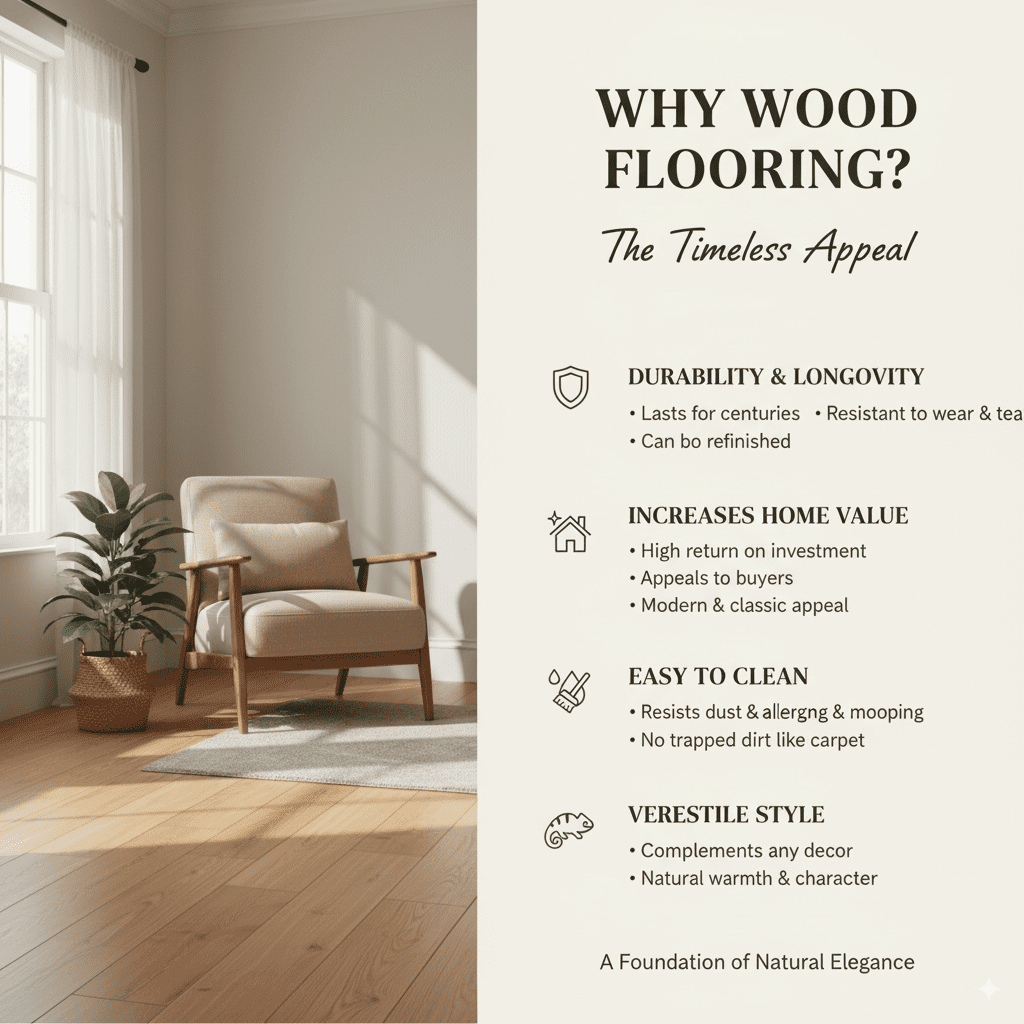
Why Wood Flooring? The Timeless Appeal
Wood flooring has been a beloved choice for centuries, and its popularity shows no signs of fading. There’s something truly special about the natural grain, the rich colors, and the way wood adds a sense of warmth and character to any room. Unlike carpet, wood floors are durable, easy to clean, and can even increase your home’s resale value. Plus, they offer a fantastic foundation for any decorating style, from cozy farmhouse to sleek modern.
When you think about lasting beauty and a touch of natural elegance, wood floors often come to mind first. They are a smart investment that pays off in both aesthetics and functionality. Let’s dive into some brilliant ideas to get your creative juices flowing!
Understanding Wood Flooring Types: A Quick Guide
Before we get to the fun part – inspiration – it’s super helpful to know the basic types of wood flooring available. This knowledge will help you narrow down your choices and pick something that fits your needs and budget. Here are the main players:
- Solid Hardwood: This is exactly what it sounds like – planks milled from a single piece of hardwood, like oak, maple, or cherry. It’s beautiful, durable, and can be sanded and refinished multiple times over its long lifespan. It’s a classic choice for a reason!
- Engineered Hardwood: This flooring is made of multiple layers. The top layer is real hardwood, but beneath it are layers of plywood or high-density fiberboard. This construction makes it more stable and less prone to expanding or contracting with changes in humidity, making it a great option for basements or areas with fluctuating moisture levels.
- Laminate Flooring: While it looks like wood and is very budget-friendly, laminate isn’t actually made of real wood. It has a core layer made of fiberboard, topped with a photographic applique layer that mimics wood, and a clear protective wear layer. It’s very durable and scratch-resistant.
- Vinyl Plank Flooring (LVP): Similar to laminate, LVP uses a photographic layer to mimic wood grain, but its core is made of vinyl. It’s waterproof, highly durable, and often the most affordable option. It’s become incredibly popular for its ability to look like real wood while offering superior resilience.
For this guide, we’ll focus heavily on real wood (solid and engineered) as it offers that quintessential warmth and character. However, many of these inspiration ideas can be adapted to high-quality laminate or LVP if you need a more budget-friendly or water-resistant solution.
Wood Flooring Inspiration: Brilliant Ideas for Every Style
Now for the exciting part! Let’s explore some fantastic wood flooring ideas that can elevate your home’s look and feel. We’ll cover everything from classic choices to trendy concepts.
1. The Classic Beauty of Oak
Oak is the undisputed champion of wood flooring, and for good reason. It’s incredibly durable, readily available, and comes in a stunning range of natural colors and grain patterns. It’s a workhorse that looks good in almost any setting.
- Red Oak: Offers warmer, reddish-brown tones and a more prominent grain. It’s a classic choice that pairs well with traditional and rustic decor.
- White Oak: Features cooler, grayish-brown tones and a tighter, more subtle grain. It’s a popular choice for modern and transitional styles, bringing a sophisticated, minimalist feel.
Finishing Touches: Whether you opt for a natural, matte finish to highlight the wood’s inherent beauty, a slightly stained look to match your furniture, or a high-gloss polish for a touch of glamour, oak can do it all. A natural or light stain on white oak is a go-to for achieving that sought-after Scandinavian or minimalist aesthetic.
2. The Rich Sophistication of Walnut
For a touch of luxury and drama, walnut flooring is a superb choice. Its deep, rich brown color and beautiful, often flowing grain patterns add instant elegance to any space. Walnut is softer than oak, so it might show dents and scratches more easily, but for many, its striking beauty is worth the extra care.
Where it Shines: Walnut flooring is perfect for living rooms, dining rooms, and master bedrooms where you want to create a cozy, upscale atmosphere. It pairs wonderfully with lighter wall colors to make the floor the star, or with rich jewel tones for a truly opulent feel.
3. The Warm Charm of Maple
Maple flooring offers a lighter, brighter look than oak or walnut. Its fine, subtle grain and creamy white to pale yellow tones can make a room feel more spacious and airy. It’s also very durable, making it a practical choice for busy households.
Modern Appeal: Maple is an excellent choice for contemporary homes. Its clean lines and light color are perfect for minimalist designs or spaces that receive a lot of natural light. You can also stain maple to achieve a variety of looks, though its natural beauty is often its biggest selling point.
4. The Unique Character of Hickory
Hickory is known for its striking variations in color and strong, distinctive grain patterns. You’ll often find planks with a beautiful mix of light and dark tones, knots, and natural imperfections that add a rustic, charming character to your floors. It’s also one of the hardest domestic woods, making it extremely durable.
Rustic Vibes: Hickory flooring is ideal for country homes, log cabins, or any space where you want to embrace a natural, rugged aesthetic. It pairs well with natural wood furniture, stone accents, and cozy textiles.
5. Reclaimed Wood: History Underfoot
For a truly unique and eco-friendly option, consider reclaimed wood flooring. Sourced from old barns, factories, or other vintage structures, these floors carry a history and character that new wood simply can’t replicate. Each plank tells a story with its unique patina, nail holes, and wear marks.
Pros of Reclaimed Wood:
- Unmatched character and charm
- Eco-friendly choice (reuses existing materials)
- Adds significant character and a conversation starter
Things to Consider: Reclaimed wood can be more expensive and may require more specialized installation. It’s essential to source it from reputable dealers who have treated it for pests and removed old nails. For more information on sustainable building materials, check out resources from the U.S. Environmental Protection Agency (EPA) on green building.
6. Beyond the Planks: Inspiring Patterns
While linear plank flooring is the most common, don’t forget about patterns! Different layouts can dramatically change the look and feel of your room.
- Herringbone: This classic pattern involves placing rectangular blocks of wood at a 45-degree angle to each other, forming a zigzag effect. It’s sophisticated, timeless, and can make a space feel more dynamic and luxurious.
- Chevron: Similar to herringbone, but the ends of the planks are cut at an angle so they meet precisely at a point, creating a more fluid V-shape. It’s a bolder, more dramatic statement than herringbone and can elongate a room.
- Basketweave: This pattern uses blocks laid side-by-side and then interspersed with other blocks running perpendicularly, creating a woven look. It’s a more complex pattern that adds a unique artistic touch.
Pattern Considerations: Patterned floors often work best in larger spaces or as a feature in a specific area, like an entryway or dining room. They can sometimes be more expensive to install due to the precision and labor involved. Small rooms might feel overwhelmed by very intricate patterns.
7. The Magic of Finishes and Stains
The finish and stain you choose can completely transform the look of your wood floor. Don’t just settle for natural – explore the possibilities!
- Natural/Clear Coat: Highlights the wood’s inherent color and grain without altering it. It’s a timeless choice for showcasing natural beauty.
- Light Stains (e.g., Whitewash, Grey Wash): These can create a modern, airy, or coastal feel. Whitewashing lightens the wood and minimizes grain, offering a soft, contemporary look. Grey stains offer a sophisticated, slightly weathered appearance.
- Medium Stains (e.g., Honey, Saddle): These add warmth and depth, bringing out richer tones in the wood. Honey tones are warm and inviting, while saddle stains offer a richer, earthier feel.
- Dark Stains (e.g., Espresso, Dark Walnut): These create a dramatic, luxurious, and sophisticated look. Dark floors can make a room feel intimate and cozy but can also show dust and scratches more easily.
- Matte vs. Gloss Finish: A matte finish offers a more natural, understated elegance and is more forgiving of minor scratches. A gloss finish provides a shiny, reflective surface that can make a room feel brighter but will show imperfections more readily.
Pro Tip: Always get samples of your chosen wood with the stain and finish applied. View them in your home’s lighting conditions before committing. The color can look very different in a showroom versus your actual living space.
8. Wide Plank vs. Narrow Plank Flooring
The width of your wood planks can have a significant impact on the overall feel of your room.
- Wide Plank Flooring: Planks that are 5 inches or wider. They offer a more rustic, grand, and traditional look. Wide planks can make a room feel more expansive and highlight the natural beauty of the wood grain. They are particularly effective in larger rooms or open-plan living spaces.
- Narrow Plank Flooring: Planks that are 2-3 inches wide. These tend to create a more formal, classic, and sometimes intricate look. They can make a smaller room feel more visually complex and are often seen in older homes or more traditional interiors.
Aesthetic Choice: Wide planks are often associated with farmhouse or rustic styles, while narrower planks can lend themselves to more polished, contemporary, or historical designs. Consider the scale of your room when making this choice.
9. Engineered Wood for Unique Spaces
As mentioned earlier, engineered hardwood offers a fantastic solution for areas where traditional solid hardwood might not be ideal, such as basements or rooms with significant temperature and humidity fluctuations. The cross-layered construction provides excellent stability.
Moisture-Resistant Options: Many engineered wood products and even some high-quality laminate and LVP can offer better resistance to moisture than solid hardwood. This makes them a great “house-like” flooring option for areas that might see spills or increased humidity. For detailed guidance on flooring in moisture-prone areas, resources like BuildingScience.com offer in-depth technical information.
Versatility in Style: Engineered hardwood comes in virtually all the same species, stains, finishes, and plank widths as solid hardwood, offering the same aesthetic versatility without the same susceptibility to moisture and temperature changes.
Popular Wood Species and Their Characteristics
Choosing the right wood species is crucial for both the look and longevity of your floor. Here’s a look at some popular options and what makes them stand out:
| Wood Species | Typical Color Tones | Grain Description | Hardness (Janka Rating) | Best For |
|---|---|---|---|---|
| Red Oak | Pinkish-brown to light brown | Prominent, straight grain with cathedral patterns | 1290 | Versatile, traditional, rustic |
| White Oak | Light brown to grayish-brown | Straight grain, more subtle than red oak | 1360 | Modern, transitional, Scandinavian |
| Maple | Creamy white to light brown | Fine, subtle grain, less distinct | 1450 | Contemporary, minimalist, bright spaces |
| Walnut | Rich, dark brown | Can be straight or wavy, often flowing | 1010 | Luxury, formal, dramatic spaces |
| Hickory | Creamy white to dark brown (high variation) | Strong, distinct grain with knots | 1820 | Rustic, farmhouse, high-traffic areas |
| Cherry | Reddish-brown to warm brown, darkens with age | Fine, straight grain, sometimes wavy | 950 | Traditional, elegant, formal rooms |
Note: The Janka rating measures the hardness of wood species. A higher number indicates a harder, more dent-resistant wood.
Installation: DIY vs. Professional
The installation method for your wood flooring will depend on the type of flooring you choose and your comfort level with DIY projects. Engineered hardwood and laminate often come with click-lock systems that make them more DIY-friendly than solid hardwood, which typically requires nailing or gluing.
- DIY Installation: Can save money and offer a great sense of accomplishment. It’s best suited for click-lock engineered wood or laminate in a straightforward layout. Always ensure you have the right tools and understand the manufacturer’s instructions thoroughly. Look for resources on proper subfloor preparation, as this is critical for a successful installation.
- Professional Installation: Recommended for solid hardwood, complex patterns (like herringbone), or if you’re not confident in your DIY skills. Professionals have the expertise and tools to ensure a perfectly laid, durable, and beautiful floor. They can also handle any unexpected issues that might arise. A well-installed floor is key to its longevity and appearance.
For DIYers, watching reputable installation videos from manufacturers or sites like This Old House can be incredibly helpful.
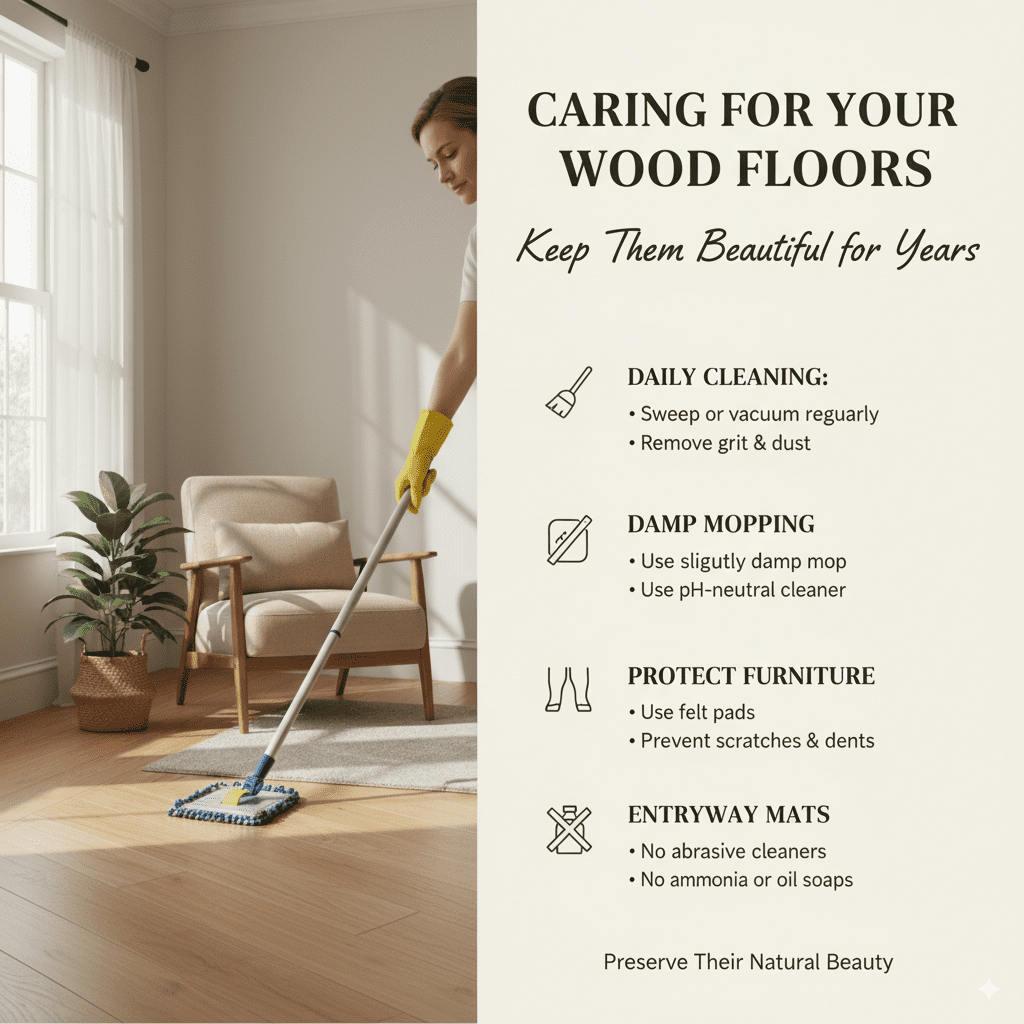
Caring for Your Wood Floors
Once your beautiful wood floor is installed, proper care will ensure it stays looking its best for years to come. The key is to protect it from excessive moisture, dirt, and abrasive wear.
- Daily Cleaning: Sweep or vacuum your floors regularly (using a soft brush attachment on your vacuum) to remove grit and dust that can scratch the finish.
- Damp Mopping: For spills or occasional deeper cleaning, use a slightly damp mop. The key word here is slightly – never let water pool on your wood floors. Use a wood floor cleaner specifically recommended by your manufacturer or a simple solution of water and a small amount of pH-neutral detergent.
- Protect from Furniture: Use felt pads on the legs of all furniture. This is one of the easiest ways to prevent scratches and dents.
- Entryway Mats: Place mats both inside and outside exterior doors to catch dirt, sand, and moisture before they get tracked onto your floors.
- Avoid Harsh Chemicals: Never use abrasive cleaners, ammonia, or oil-based soaps on your wood floors, as they can damage the finish and the wood itself.
Regular maintenance not only keeps your floors looking beautiful but also upholds their durability. Think of it as part of the ongoing craftsmanship!
Frequently Asked Questions about Wood Flooring
Q1: Is real wood flooring too delicate for a family with kids and pets?
A1: While real wood floors can be more susceptible to scratches and dents than some alternatives, choosing a harder wood species like hickory or maple, opting for a durable finish (like a matte polyurethane), and using wide planks can significantly improve their resilience. Regular cleaning and protective pads under furniture are also crucial.
Q2: What’s the difference between solid and engineered hardwood?
A2: Solid hardwood is milled from a single piece of wood and can be sanded and refinished many times. Engineered hardwood has a real wood veneer on top of layered plywood or fiberboard, making it more dimensionally stable and suitable for areas with humidity changes. It can usually be refinished once or twice, depending on the veneer thickness.