Can You Use WD-40 on Wood? (Short-Term Fix, Not a Long-Term One)
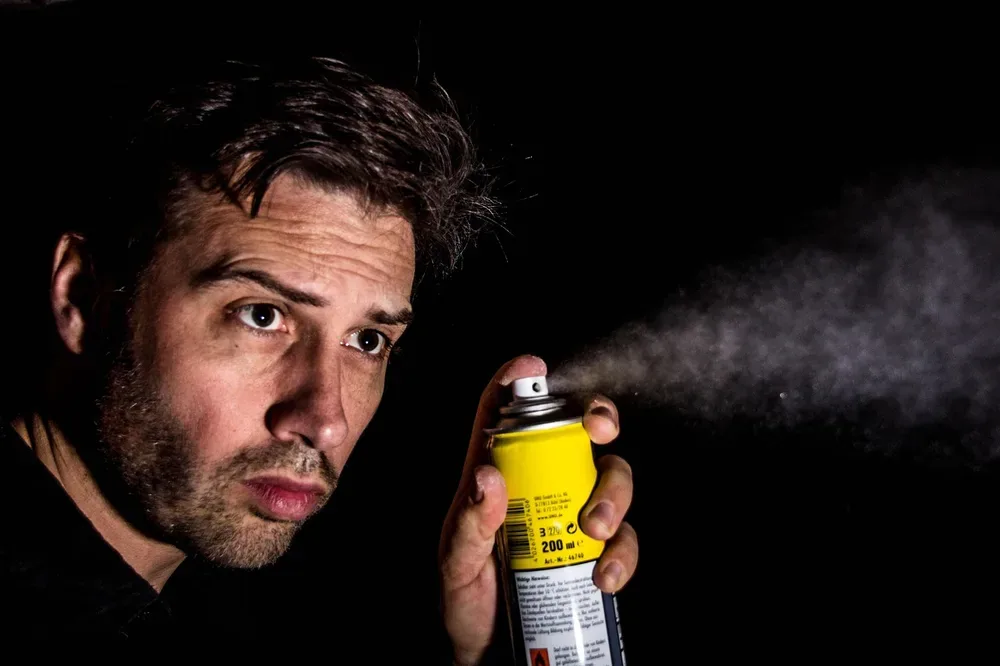
WD-40 is a mineral-oil-based lubricant and water-displacer, not a wood finish – it is safe for occasional, narrow jobs on wood but the wrong choice for general care. A quick spray can free a sticking drawer track or quiet a squeaky hinge, but leaving it on wood regularly causes an oily residue, dust buildup, and finish problems, and it can even leave a dark stain on bare wood. This guide covers what WD-40 is actually good for on wood, the real risks, and what to use instead for genuine wood care.
Why WD-40 Isn’t a Wood Finish (and What to Use Instead)
WD-40 is a petroleum-based penetrant and lubricant designed to displace water, loosen rust, and free stuck metal parts. It contains no wax, resin, or film-forming ingredient of the kind real wood finishes use, so it cannot cure into a hard protective layer, block UV light, or resist water the way a genuine wood finish or sealant does. That’s the core misunderstanding behind most “does WD-40 protect wood” questions – it was never built to protect wood in the first place, only to lubricate metal.
Because it evaporates and leaves behind only a thin oily film, WD-40 also does nothing to improve durability or long-term shine on wood – any “gloss” it produces fades within days and often attracts more dust than it repels, since the residue stays slightly tacky. If your actual goal is to condition, polish, or protect a wood surface, reach for a product made for that job instead of a multi-purpose lubricant.
Best Wood Conditioner Pick (Not WD-40)
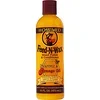 |
Howard Feed-N-Wax Wood Polish & Conditioner, 16 oz – $10.98 This is the kind of product WD-40 gets mistaken for – a real wood-specific conditioner that feeds the grain with beeswax and carnauba wax instead of leaving behind a petroleum-based residue.
|
Safe, Limited Ways to Use WD-40 on Wood
Used sparingly and for the right job, WD-40 has a few legitimate, narrow uses around wood furniture and fixtures. It is not a wood-care product, but it is a genuinely useful shop tool for these specific situations:
- Sticking drawer slides: A light spray on the metal drawer track (not the wood sides) can free a binding drawer – though if the slide itself is worn out rather than just dirty, see our guide on replacing wooden drawer slides instead of relying on lubricant long-term.
- Squeaky hinges on wood doors or cabinets: A few drops directly on the metal hinge pin stops the squeak without needing to remove the door.
- A stuck screw in wood: A quick spray around a stripped or rust-frozen screw head can loosen it enough to back out, especially on outdoor or old hardware.
- A one-time quick wipe-down: A light wipe can temporarily add shine and repel dust on a finished surface, but this effect reverses within days as the oil residue itself starts collecting dust.
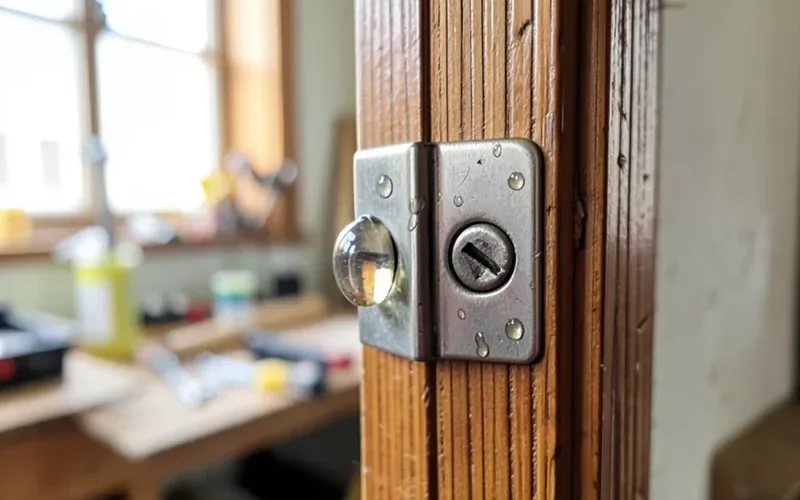
In every case, the wood itself isn’t the target – the metal fastener, hinge, or track is. Spraying WD-40 broadly across a wood surface “just in case” is where the real problems start.
The Real Risks: Stains, Residue, and Refinishing Problems
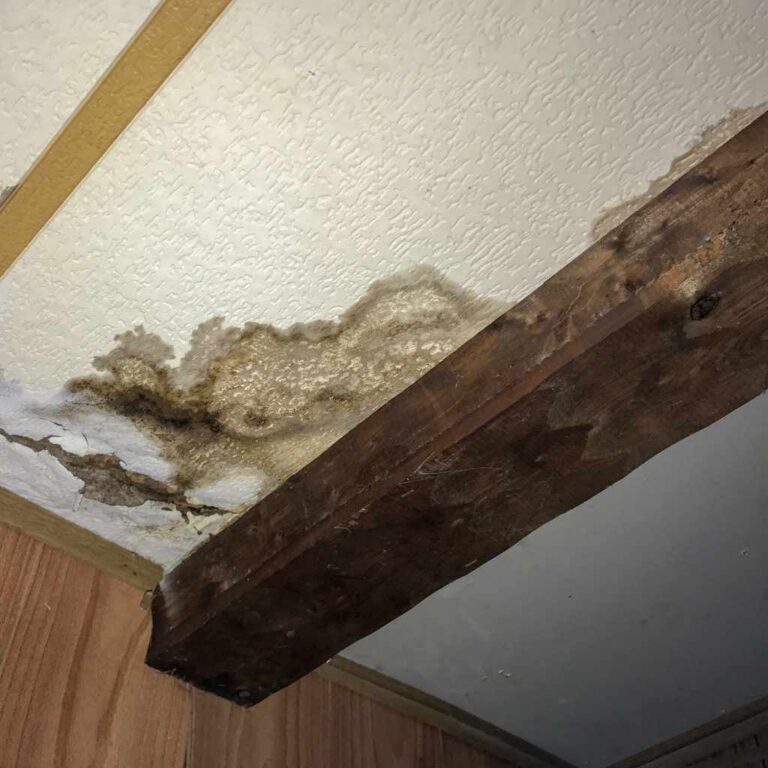
On porous or unfinished wood, WD-40’s light mineral oil soaks in fast. Because it spreads unevenly through the grain, it commonly leaves a visible dark blotch that is difficult to sand or clean out completely – the photo below shows how quickly this happens on bare pine.
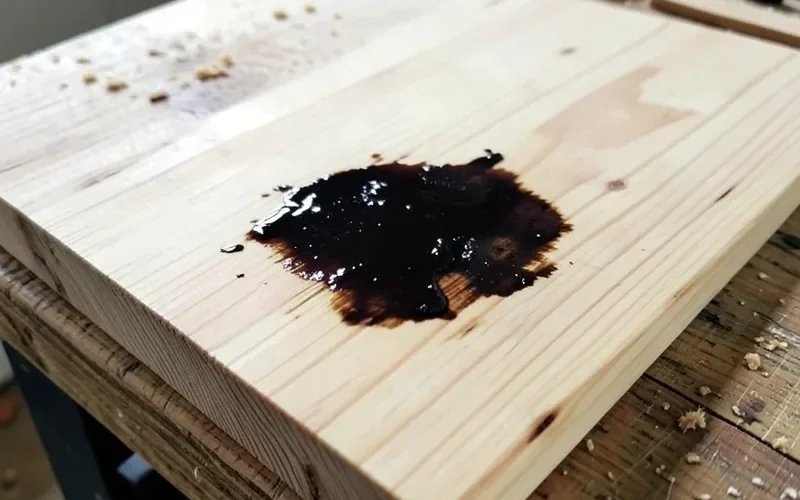
Even on finished wood, repeated use causes three specific problems competitors rarely spell out clearly:
- Residue buildup: The oily film left behind is slightly tacky, so it attracts more dust over time instead of less – the opposite of the “dust-repellent” effect people expect.
- Refinishing problems: If you ever plan to re-stain or repaint the wood, WD-40’s oil residue creates a barrier that keeps new stain, paint, or topcoat from adhering properly. Sanding alone often doesn’t fully remove it.
- Wax and finish softening: WD-40’s manufacturer notes that its classic Multi-Use Product will soften wax polishes and some wax coatings, which means it can dull or lift a waxed furniture finish rather than protect it.
“WD-40 points out that the classic Multi-Use Product will soften wax polishes and some wax coatings.”
WD-40’s own site markets the Original formula as a general household multi-use product, including light spot use on wood objects like old chairs or picture frames – but that’s a far narrower claim than “safe for regular wood care,” and it still doesn’t apply to bare or unfinished wood, where staining risk is highest. The same caution applies to hardwood floors: a squeak fix on the fastener is fine, but treating the floorboards themselves with WD-40 risks the same residue and adhesion problems.
WD-40 vs. a Real Wood Finish or Conditioner
The clearest way to see why WD-40 isn’t a substitute for real wood care is to compare what each product actually does:
| Property | WD-40 | Real Wood Finish/Conditioner |
|---|---|---|
| UV protection | None | Yes, in most film-forming finishes |
| Durability | Days – evaporates and wears off fast | Months to years depending on product |
| Water resistance | Minimal, temporary | Real barrier when properly cured |
| Future stain/paint adhesion | Interferes – leaves an oily barrier | Designed to be recoated or refinished |
| Best use on wood | Metal hardware attached to wood only | The wood surface itself |
How to Test WD-40 on Wood Safely (If You Decide to Use It)
If you’re using WD-40 for one of the narrow, legitimate jobs above and want to be careful with the surrounding wood, test first:
- Pick an inconspicuous spot: Choose a hidden area, like the inside of a cabinet door or the underside of a shelf, that matches the finish of the visible surface.
- Apply a small amount: Spray a light amount onto a cloth first, not directly onto the wood, then dab it onto the test spot.
- Wait 24 hours: Check for discoloration, dulling, or softened finish before deciding to proceed on the visible surface.
- Wipe immediately after use: On the actual job, wipe off any excess with a clean, dry cloth right after application – don’t let it sit and soak in.
- Avoid bare or unfinished wood entirely: If the test spot has no topcoat, skip WD-40 altogether and use a product made for raw wood instead – see our guide on finishing bare wood for food-safe and general-purpose options.
Common Mistakes to Avoid
- Spraying it as a general wood polish: It is not formulated to protect or condition wood, and using it that way accelerates residue buildup and dulling.
- Using it on bare or unfinished wood: This is the single most common cause of the dark blotch stains people report.
- Skipping the wipe-down: Leaving WD-40 to soak in rather than wiping it off makes every risk above worse – residue, refinishing problems, and dust buildup.
- Expecting a lasting shine: Any gloss WD-40 adds is temporary and fades within days, unlike a real wood polish or wax.
Frequently Asked Questions
Can WD-40 damage wood finish?
Yes, with repeated or heavy use. WD-40’s solvents can soften wax coatings and break down some finishes over time, and the oily residue left behind attracts more dust and can leave the surface looking dull instead of shiny. A single light wipe rarely causes visible damage, but treating it as a regular polish will.
Is WD-40 safe for wood furniture?
Only for spot use, not general care. It can loosen a sticking drawer track or quiet a squeaky joint, but it is not formulated for wood and leaves a greasy film that attracts dust and can interfere with wax or future refinishing. Use a real wood polish or conditioner for routine furniture care instead.
Will WD-40 stain wood?
It can, especially on bare or unfinished wood. WD-40 is a light mineral oil, and porous wood soaks it in quickly, which can leave a visible dark blotch that is difficult to sand or clean out completely. Finished wood with an intact topcoat is less likely to stain, but it is still not risk-free.
Does WD-40 stop squeaky wood floors?
It can provide temporary relief if the squeak comes from a metal fastener – a nail or screw rubbing against the subfloor or joist, not the wood itself. Spraying it directly onto floorboards does not fix the underlying gap or loose board, and the oil residue can make the finish slippery.
What should I use on wood instead of WD-40?
For lubricating hinges and slides long-term, use a silicone-based lubricant or dry PTFE spray, since neither leaves an oily residue. For actually caring for the wood itself – conditioning, polishing, or protecting the finish – use a dedicated wood conditioner or furniture polish made for that purpose, not a penetrating oil.
Conclusion
WD-40 has a real, narrow place around wood projects – freeing a stuck screw, quieting a hinge, or loosening a sticking drawer track – but it was never designed as a wood finish, polish, or protectant, and using it that way causes residue, dulling, and even staining on bare wood. For actual wood care, whether that’s conditioning old furniture or repairing a damaged finish, reach for a product built for wood instead of a multi-purpose lubricant.
Sponsored / affiliate links. As an Amazon Associate I earn from qualifying purchases. I may earn additional commission from eligible campaigns.