Woodworking Gifts for Bakers
Woodworking gifts for bakers should match the baker’s main task: a pastry baker needs a rolling pin or bench scraper, a bread baker needs a dough whisk or proofing basket board, and a decorator needs a cake stand or icing turntable base. A poor match lands in a drawer, misses food-safety needs, or warps after a few washes. This guide maps practical wooden gift ideas to baking style, skill level, time, and food-safe materials.
Which wooden gift fits the baker?


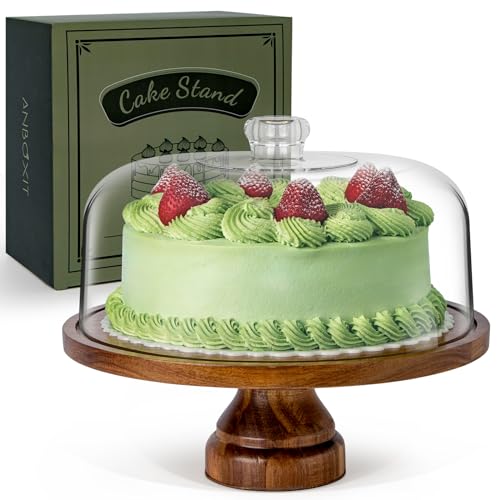
Start with what the baker actually makes. Bread bakers usually value proofing, mixing, and slicing tools; pie and pastry bakers want rolling and shaping tools; cookie bakers benefit from repetitive prep tools; cake decorators usually need display, storage, or organization more than a specialty rolling tool.
Then match the project to your shop time. A simple spoon set can be a short project. A laminated cutting board or a carved dough bowl asks for more layout, glue-up, sanding, and finishing time. The best gift is the one that will be used, not the one with the most dramatic joinery.
Wooden gift matrix
| Baker type | Best woodworking gift | Skill level | Estimated build time | Material cost range | Food-safe finish | Top failure risks |
|---|---|---|---|---|---|---|
| Bread baker | Wooden dough bowl | Intermediate | 8–16 hours | Moderate to high | Mineral oil plus beeswax conditioner | Warping, tool chatter, uneven wall thickness |
| Pie or pastry baker | Rolling pin | Beginner to intermediate | 2–5 hours | Low to moderate | Food-safe oil finish | Out-of-round shaping, rough sanding, finish buildup |
| Cookie baker | Cutting board | Intermediate | 6–12 hours | Moderate | Mineral oil plus beeswax conditioner | Cross-grain movement, glue-line creep, edge telegraphing |
| Cake decorator | Recipe box or card holder | Beginner | 3–6 hours | Low | Food-safe oil or shellac on exterior only, if desired | Weak hinges, misaligned dividers, pencil marks that smear |
| Frequent host | Bread board or bread warmer | Beginner to intermediate | 4–10 hours | Low to moderate | Mineral oil and beeswax conditioner | Too-thin stock, poor sanding, moisture movement |
Picture a pie baker who already owns a stand mixer and pastry mats. A 20-inch rolling pin with a clean taper will get used more often than another gadget. By contrast, a bread baker who proofs loaves in bowls may use a carved dough bowl at the counter every week, especially if it also works as a serving piece.
What makes a good baker gift?
A good baker gift solves a repeat task. It should speed up prep, store something the baker already uses, or improve the presentation of finished bread, pastries, or desserts. Decorative value helps, but utility should lead.
Food safety matters because these projects touch dough, flour, butter, and wet batter. Raw wood can suit kitchen use when it is sanded smooth, finished correctly, and cared for the right way. For most raw-wood kitchen gifts, that means hand-wash only and no dishwasher.
Wood movement and durability basics
Wood moves with moisture. That matters most in wide panels, glued assemblies, and pieces with cross-grain parts. A board that looks perfect on the bench can cup or crack if you use an unstable species, leave uneven thickness, or rush the drying step before finishing.
Choose a gift design that works with that movement. Narrower parts, stable grain direction, and balanced stock thickness reduce failure risk. If the project will live near sinks, steam, or frequent washing, keep the structure simple and the finish thin.
Wooden rolling pin ideas
A wooden rolling pin is one of the safest handmade bets for bakers who work with dough often. It is useful, easy to personalize, and practical for both pie and cookie work. Solid hardwood construction matters because the tool needs density, smoothness, and enough mass to roll evenly without flex.
Clines Crafted Woodworking notes that walnut and maple are popular rolling pin woods, and that 18–20 inches is an ideal length. That length works well for a wide range of pastry tasks without becoming awkward on a small countertop.
French tapered vs straight styles
A French tapered rolling pin has sloped ends and no handles. It gives the baker more control over pressure at the center and edges of the dough. A straight rolling pin keeps the diameter consistent and is easier to turn on a lathe if you want a simpler turned shape.
For a gift, the French style often feels more specialized, while the straight style is easier to make cleanly. Choose the one that fits your turning skill. If the taper is uneven or the cylinder is out of round, the tool will feel wobbly on dough.
Finish, sanding, and care
Sand until the surface feels completely smooth, because dough picks up any rough spot. Use a food-safe oil finish, then keep the care simple: hand-wash only and dry right away. Clines Crafted Woodworking specifically lists hand wash only for wooden rolling pins.
Do not soak it. Do not send it through a dishwasher. Heat, standing water, and detergent cycles can raise the grain, strip finish, and encourage cracking. A light re-oiling schedule helps the pin stay smooth and resist moisture changes.
Can you make a cutting board that gets used?
Yes, if you build it for the right baker and keep the size practical. A personalized cutting board works best for bakers who portion butter, slice bars, trim pastry, or set out bread and cheese for guests. It also has strong counter-display appeal when the wood and engraving are chosen well.
Walnut, maple, and cherry are common hardwood choices for this kind of gift. End-grain boards are kinder to knife edges and can look more premium, while edge-grain boards are simpler to build and usually faster to finish. Personalization can be a monogram, a family name, or a short date on one corner.
How to size the board
For a countertop-friendly gift, keep the footprint manageable. A medium board gives the baker prep space without taking over the counter. A simple rectangle is easier to flatten and keep stable than an unusual silhouette, and it is less likely to show uneven expansion at the edges.
Suppose you build a board about 12 by 18 inches for a cookie baker who also serves dessert on it. That size can handle cookie cooling, bar cutting, and display without feeling oversized. If the board is too thick, it becomes heavy; too thin, and it may warp sooner.
Spoons, dough bowls, and bread tools
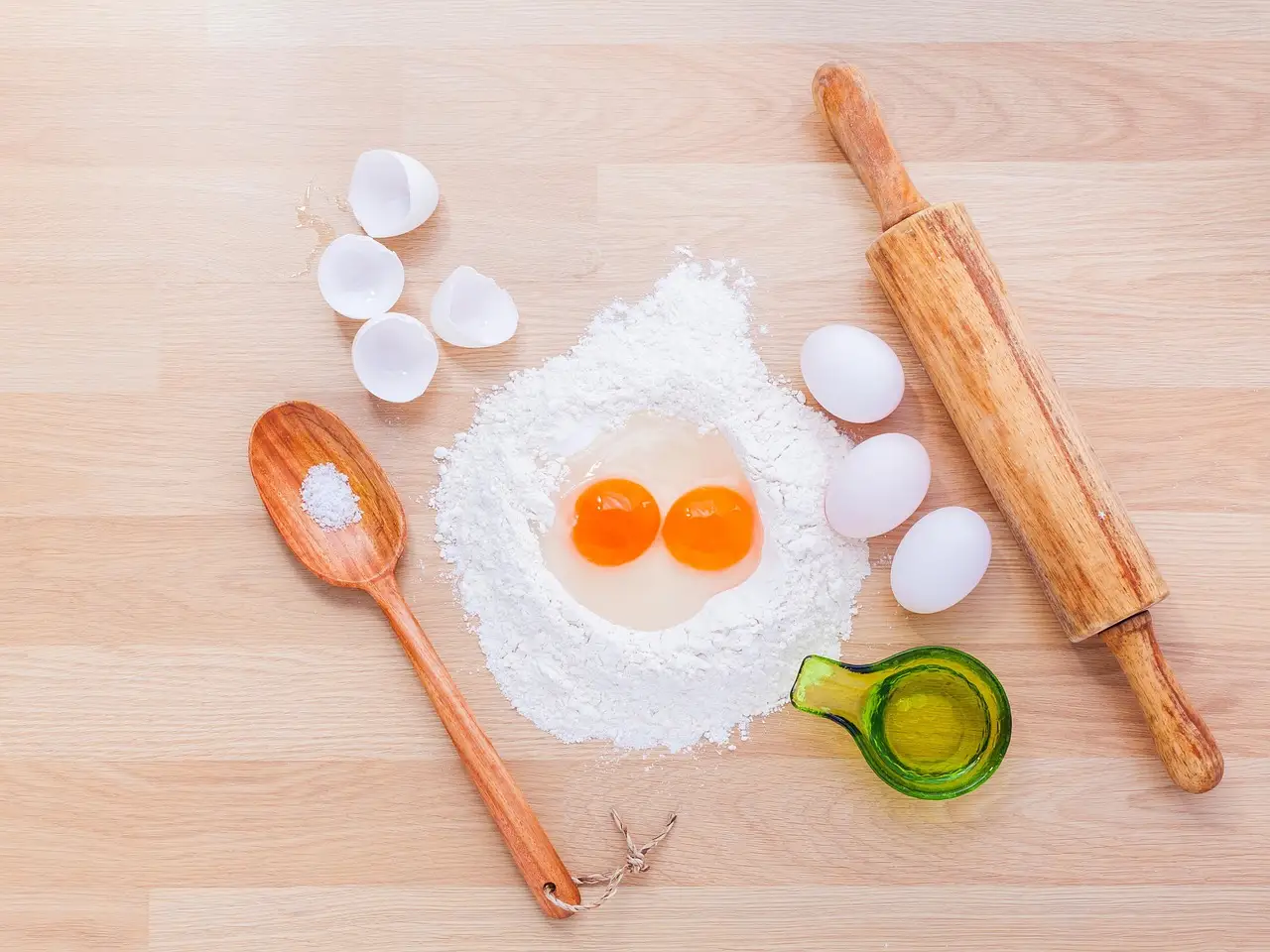
These gifts cover the daily-use end of the spectrum. A spoon set is the fastest build here. A dough bowl takes more shaping but can become a centerpiece for bread bakers. A bread board or bread warmer sits between the two, combining function with table display.
Wooden spoon or spatula set
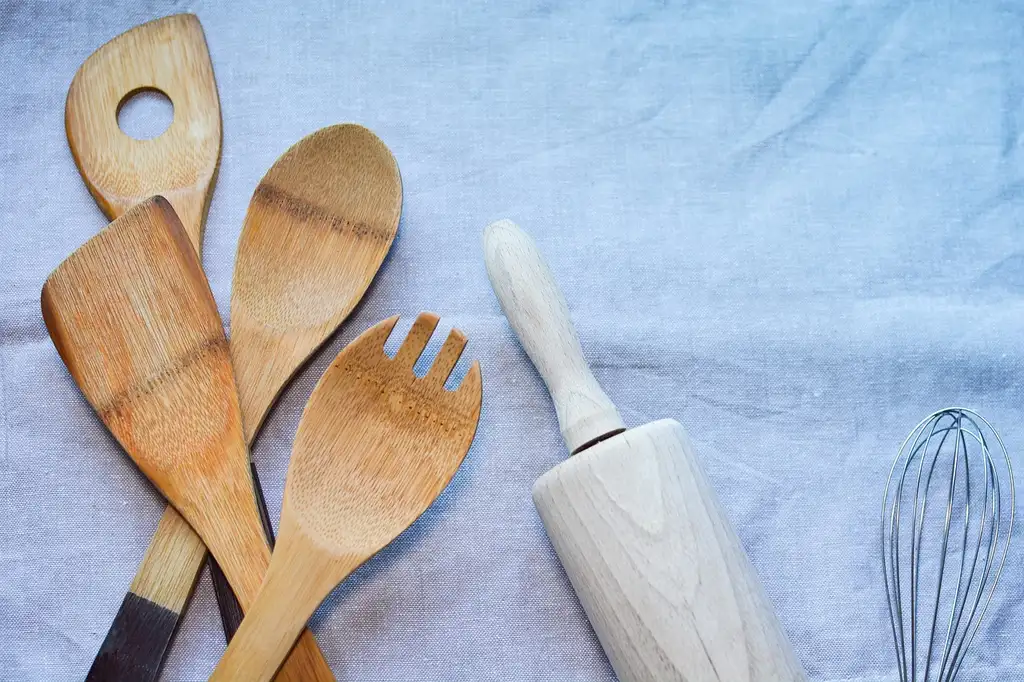
For a baker who stirs batter, folds dough, or scrapes bowls often, a spoon and spatula set is useful every week. Good woods include cherry, maple, and walnut. They are dense enough for repeated kitchen use and less likely to feel flimsy in the hand.
Keep the edges rounded and the faces smooth so the tool does not scratch mixing bowls. A food-safe finish is appropriate, but the real safety comes from the shape, sanding, and care routine. These tools should be hand-washed and dried promptly, then stored away from the sink.
Wooden dough bowl
A dough bowl fits bread bakers best. It can be used for proofing, mixing, or presenting a finished loaf on the counter. Its large carved form gives it decorative weight too, which makes it a strong gift when the recipient values both utility and display.
The failure points are obvious. Hollow too aggressively and the walls become weak. Leave uneven wall thickness and the bowl may move differently across its body. If you want a reliable result, keep the shape simple and the rim consistent.
Bread board or bread warmer
A bread board is useful for serving and slicing. A bread warmer adds heat retention for table service, which suits hosts who regularly set out loaves with dinner. These gifts work best when you keep the size countertop-friendly and the surface flat enough for slicing.
For bread service, a board with a handled or slightly raised edge can help with carry and crumbs. If you add a warmer feature, keep the design realistic for a wooden build and avoid any part that traps moisture against the grain.
What woods and finishes are safe?
Walnut, maple, cherry, and oak are the main woods worth considering for kitchen gifts. Maple is dense and stable. Walnut machines cleanly and looks refined. Cherry ages nicely and is easy to finish well. Oak can work, but its open grain makes it less ideal for some pieces that need a very smooth surface.
Grain stability matters because kitchen gifts see seasonal moisture changes. Stable stock helps a rolling pin stay round, a board stay flat, and a spoon keep its shape. Choose straight, dry lumber, and avoid short-cutting acclimation just to finish faster.
Food-safe finishes and what to avoid
For raw-wood kitchen gifts, food-safe mineral oil and beeswax conditioner are the most practical finish choices. They help slow moisture exchange without building a thick coating. Use thin coats, wipe off excess, and plan on periodic reapplication.
Avoid film finishes on contact surfaces unless you are very deliberate about cure and use. Avoid any dishwasher-safe claim for raw wood pieces. A dishwasher is hard on glue lines, finish, and grain direction. Hand-wash only is the safer instruction for rolling pins, spoons, boards, and bowls.
Say your recipient bakes sourdough twice a week and leaves tools on the counter. A maple dough bowl with a mineral oil and beeswax finish will likely be used more often than a delicate box with little storage value. The more visible the tool is, the more likely it is to stay in rotation.
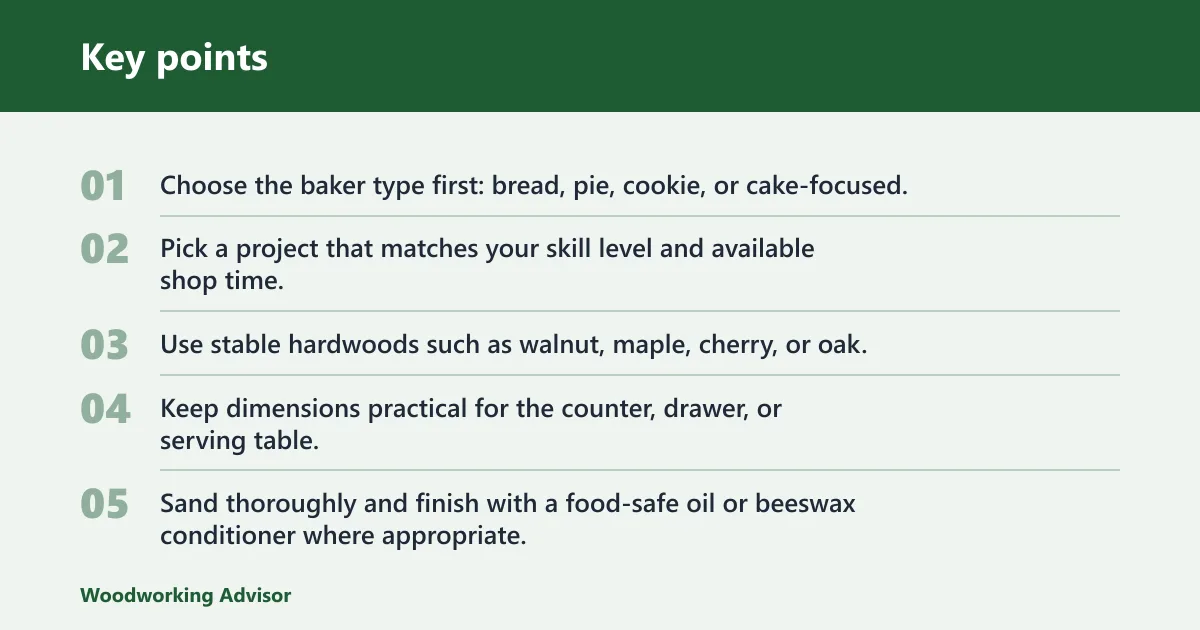
- Choose the baker type first: bread, pie, cookie, or cake-focused.
- Pick a project that matches your skill level and available shop time.
- Use stable hardwoods such as walnut, maple, cherry, or oak.
- Keep dimensions practical for the counter, drawer, or serving table.
- Sand thoroughly and finish with a food-safe oil or beeswax conditioner where appropriate.
- Include care instructions: hand-wash only, dry right away, no dishwasher.
Frequently asked questions
What skills do bakers need?
Bakers need different skills depending on what they make. Bread bakers rely on shaping, proofing, and timing. Pie and pastry bakers need rolling and handling skills. Cake decorators need storage, organization, and precise portioning. Gift choice should follow the task, because the most useful tool supports the baker’s repeat process.
What are good wooden gifts for bakers?
The best wooden gifts for bakers are the ones tied to daily work: rolling pins, cutting boards, spoon sets, dough bowls, recipe boxes, and bread boards. A decorative object can still work, but it should earn counter space by doing a job the baker already performs often.
What wood is best for kitchen gifts?
Walnut, maple, and cherry are the strongest all-around choices for most kitchen gifts. Maple is especially good where durability matters. Walnut gives a darker, more formal look. Cherry finishes cleanly and has a warm tone. Oak can work, but its grain calls for more care in sanding and finishing.
How do you care for a wooden rolling pin?
Wash it by hand, dry it right away, and avoid soaking or dishwashing. Use a food-safe oil finish, then reapply it when the surface starts to look dry. That care routine helps preserve the surface and keeps the pin smooth enough for dough work.
What baking tools make the best gifts for beginners?
For beginners, simple tools are usually the best fit: a rolling pin, spoon set, recipe box, or bread board. These gifts are easy to understand, easy to store, and useful without a learning curve. Avoid overbuilt specialty pieces unless you know the baker already wants them.
What handmade gifts will a serious baker actually use?
Serious bakers usually use the gifts that reduce friction in a regular task. A well-made rolling pin, a stable cutting board, a proofing dough bowl, or a recipe box with dividers all fit that pattern. If the tool improves prep or storage, it is more likely to stay on the counter.
Are wooden kitchen gifts food safe?
They can be, but only if you build and finish them with food use in mind. Smooth sanding, stable stock, and the right finish matter. Food-safe mineral oil and beeswax conditioner are common choices. For care, hand-wash only is the safer rule for raw-wood kitchen items.
What can I make in a weekend for a baker?
A weekend project can be a rolling pin, spoon set, recipe box, or simple bread board. If your layout is ready and the stock is dry, these are realistic timeframes. A dough bowl or end-grain board usually takes longer because shaping and flattening add more steps.
Sponsored / affiliate links. As an Amazon Associate I earn from qualifying purchases. I may earn additional commission from eligible campaigns.