Best Finish for Maple Furniture Without Yellowing Guide
The best finish for maple furniture without yellowing is a waterborne clear topcoat, especially acrylic-urethane or water-based polyurethane. Choose it when pale color matters more than a warm amber tone. Oil-based varnish can darken maple quickly and make repairs harder. This guide compares finishes by color retention, repairability, and food-contact or high-wear use so you can pick the right one.
Best finish for maple furniture without yellowing: the short answer


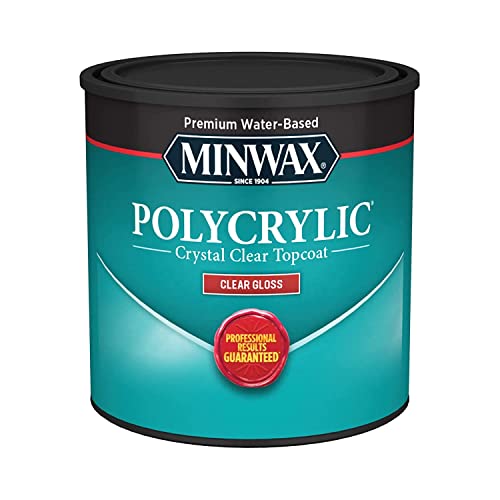
For most maple furniture, start with water-based polyurethane. Maple is often described as having tight, closed grain and a pale white-to-cream color, so a clear finish that stays non-ambering can help keep it close to the look of freshly sanded wood. Oil-based polyurethane and varnish add warmth, but that warmth is usually the same yellowing people want to avoid.
Top pick for preserving maple’s pale color
Water-based polyurethane is the safest default when you want maple to stay light. It fits cabinets and furniture better than oil-based poly when color retention matters, because the finish film is clearer and less likely to shift maple toward amber or orange.
When a different finish is the better choice
If you want a matte, oiled look instead of a sealed clear film, Danish oil or a hardwax oil can fit better. If the piece will see heavy moisture, tabletops and cabinet fronts usually do better with a film finish. If the piece must be food-safe after curing, use a finish specifically described that way.
Quick picks by project type
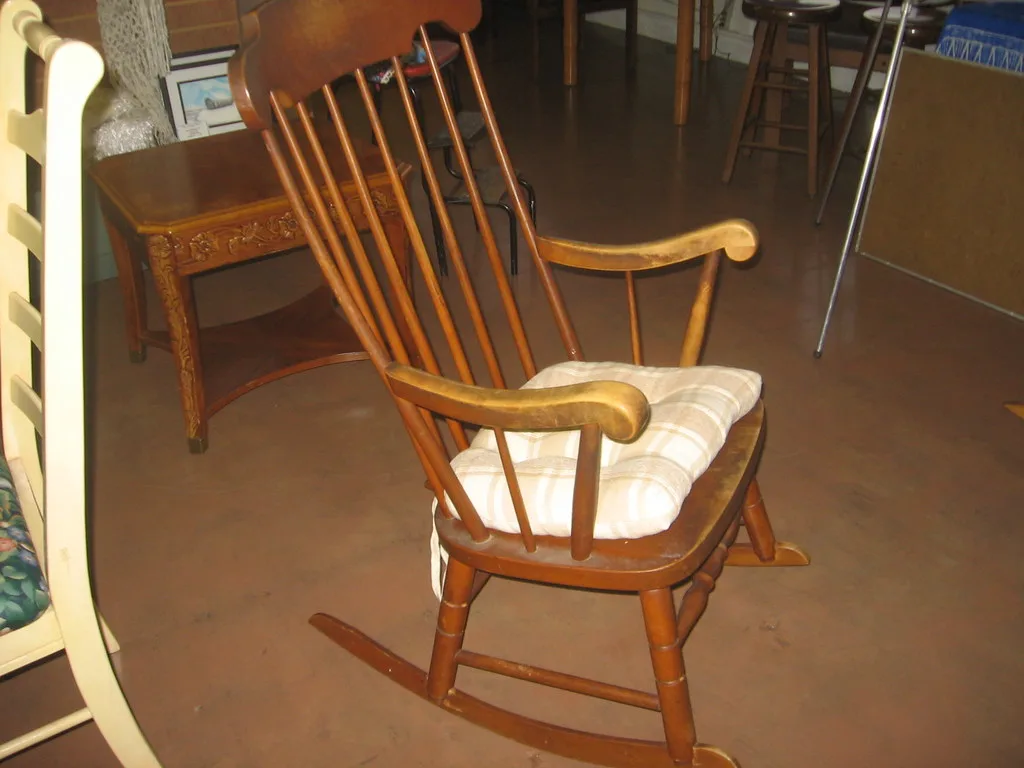
Match the finish to the piece first, then the sheen, then the color shift you can tolerate. Maple behaves differently from cherry or walnut because its light tone shows ambering sooner, so the “best” finish changes with use case.
| Project type | Desired sheen | Yellowing risk | Durability need | Recommended finish category |
|---|---|---|---|---|
| Maple cabinets and built-ins | Satin or semi-gloss | Low | High | Water-based polyurethane |
| Maple dining table or desk | Satin | Low to medium | High | Water-based polyurethane |
| Kitchen-adjacent maple shelf or tray | Matte to satin | Low | Medium | Food-safe hardwax or varnish oil |
| Display piece with a natural look | Matte | Low to medium | Medium | Danish oil or hardwax oil |
| Maple with blotch-prone stain work | Any topcoat | Medium | Depends on use | Oil-based gel stain under a clear topcoat |
Maple cabinets and built-ins
Choose water-based polyurethane if the goal is to keep maple looking light and even across doors, drawer fronts, and fixed panels. A satin sheen often reads more natural than gloss on large vertical surfaces, and it makes minor grain movement less obvious.
Maple tabletops and dining furniture
Use a water-based film finish when you need abrasion resistance and spill protection. For a table that may need refinishing later, repairability matters too, so a common choice is a finish system that can be scuff-sanded and recoated without stripping the whole surface.
Kitchen-adjacent maple and food-contact pieces
For countertops, fruit bowls, and children’s items, pick only a finish identified as safe for that use after curing. Tried & True Superior Varnish Oil combines linseed oil with natural pine resin, is described as safe for countertops, fruit bowls, and children’s toys, and comes in an 8-ounce can.
Matte, natural-look projects
If you want maple to look unfinished but protected, penetrating oils and hardwax oils are worth a look. They leave less build than polyurethane, which can keep the surface from looking plasticky, though they usually provide less moisture protection than a film finish.
Why maple turns amber under some finishes
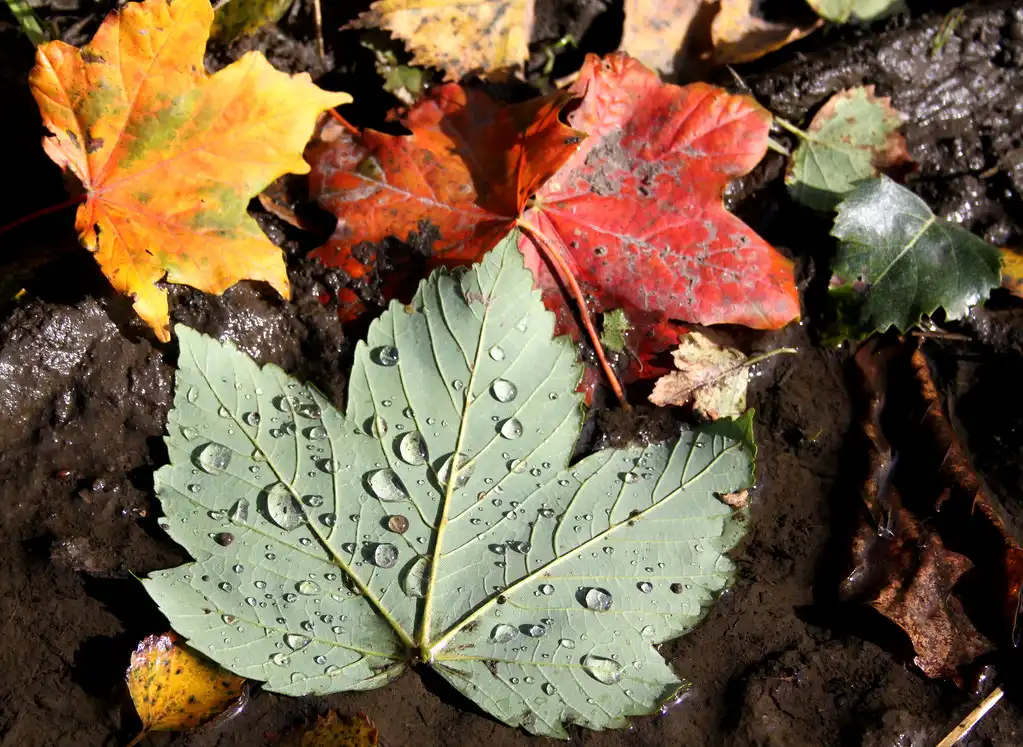
Maple is hard to finish cleanly because its tight, closed grain resists penetration and its pale color shows shifts quickly. The wrong coating can make maple look amber or orange, and that change can show up soon after the finish dries, then deepen as the finish ages.
Maple’s tight grain and pale color
Hard maple and other common furniture maples both have a light base color that makes finish tone easier to spot than on darker woods. That does not mean every maple board reacts the same way, but it does mean a small color shift becomes visible fast.
How oil-based finishes deepen color over time
Oil-based polyurethane and varnish have a natural amber cast. On maple, that cast can move the wood away from white-to-cream and toward a warm yellow or orange tone. The change is not always immediate, but it is the main reason those finishes are poor matches when clarity matters most.
What yellowing looks like on finished maple
Yellowing usually shows as a warmer, darker cast that softens the crisp contrast between maple’s pale face grain and its growth lines. On a cabinet door, it can make a bright kitchen read creamy. On a tabletop, it can make new finish look older than it is.
Picture a maple nightstand under a window. A clear, waterborne topcoat keeps the top close to its sanded color. An oil varnish version may look fine on day one, then drift warmer enough that the top no longer matches the drawer front after a few weeks or months.
Should you use water-based or oil-based finish on maple?
Use water-based finish when you want maple’s light tone to stay as close to the raw wood as possible. Use oil-based finish when a warm amber cast is acceptable, or even desirable. On maple, that tradeoff is usually clearer color versus richer color, not better versus worse.
Water-based polyurethane for clear color retention
Water-based polyurethane is the best default for preserving maple’s natural look. It dries clearer than oil-based products and is commonly recommended for furniture and cabinets where you want the least color shift. It also keeps the finish decision simple when matching new work to unfinished or lightly finished maple.
Oil-based polyurethane or varnish for warmth, and the tradeoff
Oil-based polyurethane and varnish bring a natural amber cast that many woodworkers like on darker species. On maple, that same cast can overpower the wood’s pale tone. If you want warmth, it is a valid choice; if you want maple to stay light, it is usually the wrong one.
When a hybrid or penetrating finish makes sense
Penetrating finishes make sense when you want a lower-build, hand-rubbed look or easier future touchups. Danish oil cures in 8 hours and covers about 120 sq ft per pint, so it fits small furniture pieces where a matte look matters more than maximum surface build.
How do you choose the right finish for the job?
Choose by use case first, then by sheen, then by how much repair work you are willing to do later. Maple furniture fails when finish choice follows brand popularity instead of those three factors, especially on light-colored surfaces that reveal both yellowing and patch repairs.
Use case: furniture, cabinets, tabletops, or countertops
Cabinets and tabletops usually need a tougher film finish. Decorative furniture can accept a softer look if you want easier spot repairs. Countertops and fruit bowls need a finish that is specifically described as safe for that contact after curing, not just “natural” or “low odor.”
Sheen: matte, satin, or gloss
Gloss reflects the most light and can make ambering more obvious on maple. Satin is often the best middle ground for furniture and cabinets. Matte hides some color shift, but it can also make the wood look flatter and may show hand marks differently than a higher-sheen coat.
Durability, repairability, and spot-fix behavior
Film finishes resist wear better, but scratches can be more visible and spot repair can leave witness lines if sheen and buildup do not match. Penetrating oils are easier to refresh in a small area, but they do not protect as well from standing water or heavy abrasion.
Food-contact and safety considerations
Use a finish labeled for the intended contact category after full cure. Tried & True Superior Varnish Oil is described as food-safe for countertops, fruit bowls, and children’s toys. Natura Onecoat Wood Stain Oil is described as VOC-free and EN 71-3 certified, which matters for some child-related projects.
Decision matrix for maple finish selection
Use this matrix to narrow the finish category before you buy. The goal is not to find one best product for every maple job. It is to match the finish to how the piece is used, how light you want the wood to stay, and how easy repairs must be later.
| Scenario | Desired sheen | Yellowing risk tolerance | Durability need | Recommended finish category |
|---|---|---|---|---|
| Bright kitchen maple cabinets | Satin | Very low | High | Water-based polyurethane |
| Dining table with daily use | Satin | Low | High | Water-based polyurethane |
| Display shelf or side table | Matte | Low to medium | Medium | Danish oil or hardwax oil |
| Children’s toy or fruit bowl | Matte | Low | Medium | Tried & True Superior Varnish Oil |
| Maple piece with stain-prone figure | Any | Medium | Medium | Old Masters Gel Stain under clear topcoat |
| Fast one-coat gloss piece | Gloss | Low to medium | Medium | Varathane Triple Thick Polyurethane |
Red-flag checklist for maple finishes that amber
- Oil-based polyurethane or varnish appears on the label.
- The product is described as amber, warm, or golden.
- A stain or topcoat includes dye or pigment that shifts maple from pale to honey.
- The sheen is gloss and you want the lightest possible look.
- You need a future spot repair but the system builds a thick film quickly.
- The finish is not described for your actual use, such as food contact or children’s items.
How many coats are typical on maple wood?
Most film finishes need more than one coat for durable furniture use, while one-coat products are the exception rather than the rule. Varathane Triple Thick Polyurethane is described as a one-coat gloss with about 50 square feet coverage, but standard water-based polyurethane usually still benefits from multiple thin coats for even coverage and sanding control.
Which finish categories fit maple best?
The best category depends on whether you want maximum color retention, easy repair, or a food-safe surface. Maple does not reward guesswork. A finish that is clear on paper but amber in service will still change the look of the wood.
Water-based polyurethane
This is the main choice for preserving maple’s light color. It stays clearer than oil-based products and fits cabinets, furniture, and tabletops well. Use it when the goal is a clean, pale result with good everyday durability.
Danish oil
Danish oil gives a matte look and a lower-build feel. The tradeoff is less protection than a film finish. It cures in 8 hours and covers about 120 sq ft per pint, so it works best on smaller furniture where easy refresh matters more than high moisture resistance.
Tried & True Superior Varnish Oil
This finish combines linseed oil with natural pine resin. It is described as safe for countertops, fruit bowls, and children’s toys, which makes it a strong option for kitchen-adjacent maple pieces. The 8-ounce can and about 2.5–3 square feet coverage point to small projects or targeted use.
Varathane Triple Thick Polyurethane
This is a water-based poly listed as one-coat gloss with about 50 square feet coverage. It fits fast-turnaround projects where gloss is acceptable and you want a simple application path. On maple, the gloss will reflect more light and can make any color shift easier to notice.
Natura Onecoat Wood Stain Oil
This hardwax oil is described as VOC-free and EN 71-3 certified. It fits projects where lower chemical exposure and a natural finish matter more than maximum film build. For maple furniture, it is a better match than ambering varnish when you want a softer visual result.
Old Masters Gel Stain
This oil-based gel stain is used for blotch prevention on maple. That makes it useful when you plan to stain maple before topcoating, especially because maple can take color unevenly. Satin is the common look associated with this type of stained system, which helps keep the result subdued.
A common first-timer mistake is choosing stain color before solving blotching and ambering. On maple, that often leads to a darker, less even surface that looks fine at first and then reads muddy once the topcoat goes on.
What finish is food safe for maple furniture?
Food-safe choices are limited to finishes that are specifically described that way after curing. For kitchen-adjacent maple pieces, look for products such as Tried & True Superior Varnish Oil, which is described as food-safe for countertops, fruit bowls, and children’s toys. General furniture finishes are not automatically food-contact safe.
Best options for countertop and bowl use
Tried & True Superior Varnish Oil is the clearest fit from the supplied options when the piece may contact food. Natura Onecoat Wood Stain Oil may suit children’s items because it is EN 71-3 certified, but that certification is not the same thing as a general countertop claim.
Frequently asked questions
What is the best finish for maple furniture without yellowing?
Water-based polyurethane is the best default when you want maple to stay pale. It keeps the color closer to the sanded wood than oil-based poly or varnish, which have a natural amber cast. Satin is often the most forgiving sheen for furniture because it looks clear without calling attention to every reflection.
How do I keep maple from turning amber over time?
Choose a waterborne clear topcoat and avoid oil-based polyurethane, oil varnish, and warm-tinted products unless you want the color shift. Also keep sheen in mind: gloss can make color changes more noticeable. A clear, satin water-based finish gives the best chance of holding maple’s light tone.
What finish gives maple a natural clear look?
A water-based polyurethane or acrylic-urethane finish gives maple the clearest look. If you want an even softer, hand-rubbed appearance, a hardwax oil or Danish oil can work, but those options do not keep the wood as protected as a film finish and may change the tone more.
Can I use Danish oil on maple furniture?
Yes, if you want a matte, lower-build finish and can accept less protection than polyurethane. Danish oil cures in 8 hours and covers about 120 sq ft per pint, so it suits smaller furniture and decorative pieces. It is not the best choice for high-moisture surfaces or heavy wear.
Is polyurethane good for maple furniture?
Yes, especially water-based polyurethane. It protects well and stays clearer than oil-based polyurethane, which has a natural amber cast. For cabinets, tabletops, and other high-use furniture, polyurethane is often the most practical balance of durability, color retention, and routine maintenance.
What finish is best for maple cabinets and tabletops?
Water-based polyurethane is usually the best fit for both cabinets and tabletops when you want the maple to stay light. Choose satin for a calmer look and easier visual maintenance. If the tabletop needs easy touchups more than maximum film strength, a penetrating oil system may be acceptable.
How many coats do you need on maple wood?
Most maple furniture finishes need multiple thin coats for even coverage and enough protection. One-coat products exist, such as Varathane Triple Thick Polyurethane, but they are the exception. On maple, thin coats help you control color, reduce runs, and keep the final sheen more predictable.
Sponsored / affiliate links. As an Amazon Associate I earn from qualifying purchases. I may earn additional commission from eligible campaigns.