Best Oscillating Multi-Tools for DIYers (2026): We Compared
Bosch GOP40-30B is the best overall for most DIYers because its corded power, StarlockPlus compatibility, and 8,000 to 20,000 OPM range give you speed without losing control. It is the safest pick when you want one tool to handle trim cuts, plunge cuts, grout removal, and sanding without battery limits.
Choosing the right oscillator for your specific project
Quick comparison
| Product | Badge | Best for | Price | ||
|---|---|---|---|---|---|
 |
Fein MultiMaster MM 500 Plus TopFein | Our pick | 350W · Starlock Plus · QuickIn system | $349.99
Price as of 2 Nov 2026
|
View |
 |
DEWALT 20V MAX XR Oscillating Multi-Tool CordlessDEWALT | Budget pick | 20V MAX XR · brushless · tool only | $98.99
Price as of 2 Nov 2026
|
View |
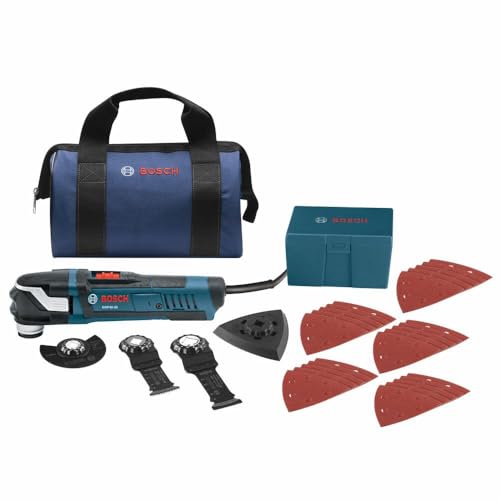 |
BOSCH StarlockPlus Oscillating Multi-Tool Kit with Snap-InBosch | Also great | StarlockPlus · variable speed · kit | $209.00
Price as of 2 Nov 2026
|
View |
 |
Makita XMT03Z 18V LXT® Lithium-Ion Cordless Multi-ToolMakita | Upgrade pick | 18V LXT · 6,000-20,000 OPM · tool only | View | |
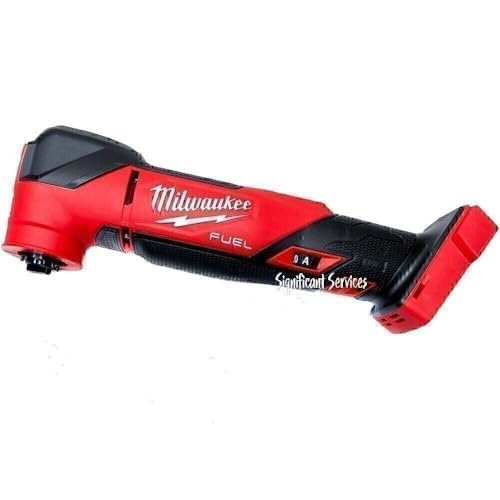 |
Milwaukee 2836-20 M18 FUEL Brushless Lithium-Ion CordlessMilwaukee | Also great | M18 FUEL · brushless · tool only | $200.00
Price as of 2 Nov 2026
|
View |
This page compares the six tools by job outcome, not just headline specs. The table below shows which model fits each kind of work and what that means for accessory cost and control.
How we chose
The comparison centers on four factors: cutting speed, control at the blade, accessory compatibility, and the cost to keep the tool supplied with blades and pads. Corded versus cordless value matters too, because bare-tool pricing can look low until you add batteries, charger, and replacement accessories.
Oscillation angle matters because a commonly cited range of about 3° to 5° can affect both speed and precision. Wider angles cut faster. Narrower angles are easier to manage in finish work, tight corners, and materials that chatter or melt.
Accessory fit matters as much as power. OIS and Starlock systems change what blades you can buy, how quickly you swap them, and whether you can stay with one accessory set across brands.
Bosch GOP40-30B: best for corded power
This is the strongest choice for long sessions, dense material, and buyers who want steady output from a corded tool. The 8,000 to 20,000 OPM dial gives you room to slow down for finish cuts and speed up for wood removal, and the StarlockPlus interface helps with accessory compatibility.
It suits flooring undercutting, long flush trims, and repeated plunge cuts where battery runtime would become a limit. For a homeowner who works in bursts, the cord can feel like a tradeoff; for all-day renovation work, that tradeoff often favors the tool.
The main drawback is convenience. A cord adds setup time and limits mobility, so this is not the easiest pick for work far from an outlet or for quick repair jobs on a ladder.
Milwaukee 2836-20: best for cordless runtime
This is the best fit for buyers already on the M18 platform who want cordless freedom without stepping down to a light-duty tool. Milwaukee 2836-20 uses the M18 FUEL platform, and its 4.2° oscillation angle favors faster cutting on wood and trim than narrower-angle tools.
It is a strong choice for mobile work, especially when you need to move room to room, work overhead, or cut in places where a cord would snag. The vibration dampening also helps when the job runs longer than expected.
The drawback is cost. It is a tool-only purchase, so the value depends heavily on whether you already own M18 batteries and a charger. If you do not, the full buy-in climbs quickly.
DeWalt DCS356B: best for kit value
This is the best pick when you want a cordless multi-tool with a strong feature set and good everyday value. The brushless motor improves runtime, the quick-change system speeds accessory swaps, and the three speed settings make it easier to match the blade speed to wood, plastic, or finish work.
DeWalt lists this model at about 22,000 OPM on the top setting, which can give it enough ceiling for aggressive cutting when the accessory allows it. It is also a practical option for buyers who want a proven platform and two wood-cutting blades in the box.
The drawback is that it is tool only, so the advertised value changes if you still need a battery and charger. It also has a wider performance spread than the Bosch, which means setup choice matters more from job to job.
Makita XMT03Z: best for control
This is often a good choice for users who care more about precision than brute speed. Makita XMT03Z is listed at about 6,000 to 20,000 OPM and a 3.2° oscillation angle, which can make it a solid fit for finish cuts, sanding corners, and careful plunge work near visible surfaces.
The smaller barrel grip can help in cramped spots and when you need to keep the blade steady on delicate material. It is also a natural fit for buyers already invested in the 18V LXT platform.
The drawback is plain: the narrower angle gives up some cutting speed. If your main jobs are thick pine, oak trim, or repeated demolition cuts, this model can feel slower than wider-angle tools.
Fein MultiMaster MM 500 Plus Top: best for accessory system
This is the premium option for buyers who want a Starlock Plus system and a strong 350W motor. The QuickIn system makes blade changes tool-free, and the accessory fit is a major advantage if you want a cleaner path to compatible blades and a more rigid connection.
It makes sense for interior renovation work where you may move between cutting, scraping, and sanding several times in one job. The stronger motor also helps when a cut slows down in dense material.
The drawback is cost. This is the most expensive tool in the group, and the premium makes less sense if you need only occasional household cuts.
Comparison table by common jobs
| Common job | Best-suited tool type | Ideal oscillation angle | Expected accessory cost tier |
|---|---|---|---|
| Flush trim | Brushless cordless or corded pro tool with rigid blade mount | About 3.4° to 4.2° | Medium if using standard blades, high if using proprietary blades |
| Plunge cut | Variable-speed tool with fast blade change and good depth control | About 3° to 4° | Medium |
| Grout removal | High-control tool with sanding and scraper support | About 3° to 3.5° | Low to medium |
| Sanding corners | Speed-dial tool with sanding pad and low-speed control | About 3° | Low for sheets, medium for specialty pads |
| Nail cutting | Higher-output corded or brushless cordless tool | About 4° to 5° | Low to medium |
| Adhesive scraping | Tool with scraper attachment and stable low-speed control | About 3° to 4° | Low |
Which one should you buy?
For most trim and plunge cuts, start with the Bosch GOP40-30B if you want corded consistency and broad accessory compatibility. If you need mobility, the Milwaukee 2836-20 is the better cordless fit, especially on the M18 platform. For buyers who want a lower entry price with a capable cordless package, the DeWalt DCS356B is the strongest kit-value play.
For dense wood, repeated cuts, or long sessions, corded power helps because output does not fade as the battery drains. For ladder work, quick repairs, and jobs spread across multiple rooms, cordless is easier to manage. The right answer depends on whether you prize constant power or movement.
Accessory economics should also guide the decision. If you expect to buy several blades, sanding pads, and specialty attachments over time, a more open system can cost less to keep supplied than a tool that locks you into a narrow accessory line.
Say your project is undercutting 3/4-inch oak flooring in a hallway. A wider-angle tool can cut faster, but only if you can hold it steady and keep the blade from wandering. If the cut line sits beside finished trim, a narrower-angle tool may waste less material even if it removes wood more slowly.
Suppose you need to remove old grout around 1/8-inch tiles in a bathroom. A low-speed setting with a grout blade usually beats brute force, because too much speed can chip tile edges and wear the accessory faster. That is where control matters more than headline OPM.
Frequently asked questions
What is the best oscillating multi-tool for woodworking?
For woodworking, the best choice is the tool that combines variable speed, a stable blade mount, and reasonably priced blades. For most users, that means the Bosch GOP40-30B for corded work or the DeWalt DCS356B for cordless value. Both give you enough control for flush trims and plunge cuts.
Are cordless oscillating multi-tools as powerful as corded ones?
High-end cordless tools can be strong enough for most home projects, but corded tools still hold the advantage in nonstop output. Cordless models can slow as batteries drain or when cutting dense material for long periods. If the job is extended demolition, corded still has the edge.
What oscillation angle is best for most DIY tasks?
A range around 3.4° to 4.2° is a strong all-purpose zone for most DIY work. Wider angles cut faster, which helps with wood removal and some nail cutting. Narrower angles give you more control for finish cuts, sanding corners, and work near visible edges.
How many oscillations per minute do I need?
Most variable-speed tools run somewhere between 10,000 and 20,000 OPM, which covers most homeowner tasks. Lower speed helps with plastics, adhesives, and finish work where heat and chatter matter. Higher speed is better for cutting wood quickly, provided the blade and material can handle it.
Can I use blades from different brands on an oscillating multi-tool?
Sometimes, but not always. Cross-brand fit depends on the mount standard, especially OIS and Starlock compatibility. If you want the broadest accessory choice, check the tool’s mount before buying. An adapter can help in some cases, but it can also add cost and reduce convenience.
Is a brushless oscillating multi-tool worth it?
Yes, if you expect to use the tool often. Brushless motors usually run cooler, last longer, and make better use of battery power than brushed motors. The premium is harder to justify for occasional use, but it makes sense for buyers who value runtime and durability.
What attachments should come with an oscillating multi-tool?
A good starter kit should include wood cutting blades, sanding sheets, a grout-removal accessory, and a scraper attachment. If the tool is a kit rather than a bare tool, check the included count carefully. A larger accessory bundle can save money up front, but only if the attachments match your projects.
Sponsored / affiliate links. As an Amazon Associate I earn from qualifying purchases. I may earn additional commission from eligible campaigns.