5 Best Paints for Pressure-Treated Wood Fence: research shows
For many pressure-treated wood fences, a premium exterior 100% acrylic solid-color stain or paint is a strong choice, once the wood has dried enough; solid-color stain often works better on rough or weathered boards, while paint is often better suited to smoother, well-prepped fences with lower exposure.
If the lumber is still wet, or if you match the wrong coating to the fence surface, expect peeling, mildew, and a repaint much sooner than you want.
This guide shows how to match the coating to fence condition, sun and rain exposure, and prep level so the finish lasts.
Quick comparison

| Product | Badge | Best for | Price | ||
|---|---|---|---|---|---|
 |
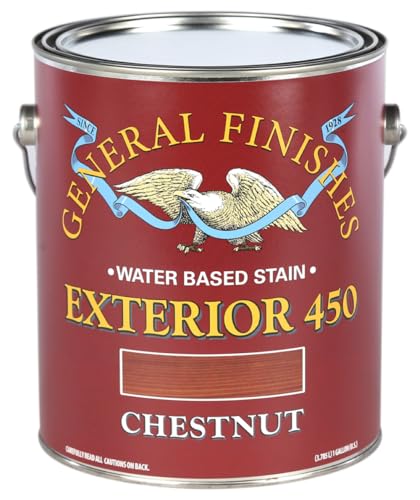
Do it Best Exterior Oil-Based Wood Primer, EXT ALKYD WOODUnknown | Budget pick | Exterior oil-based wood primer | $24.02
Price as of 12 Oct 2026
|
View |
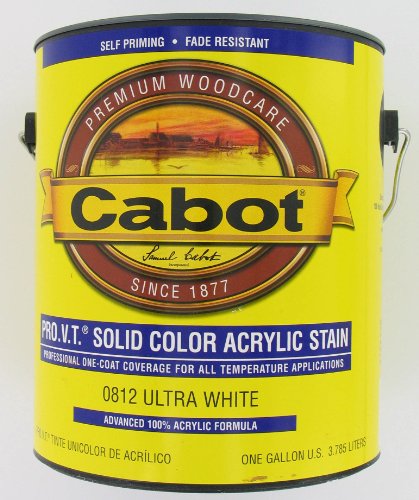 |
Cabot 140-0812 GL 1 Gallon Ultra Base Pro VT Solid ColorCabot | Also great | 1 gallon solid color acrylic stain | $59.22
Price as of 12 Oct 2026
|
View |
 |
EVOLVE Barn & Fence Paint, Flat (Black), 1 Gallon – DurableEVOLVE | Our pick | Flat black barn and fence paint | $33.44
Price as of 12 Oct 2026
|
View |
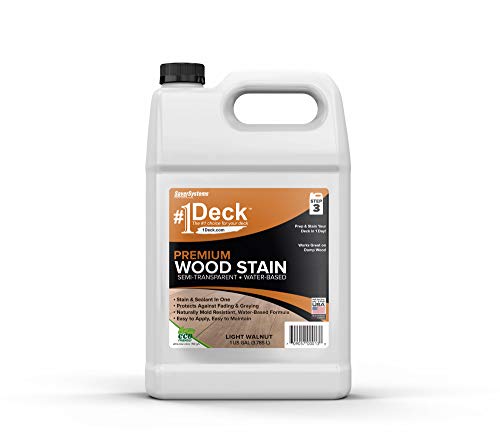 |
SaverSystems #1 Deck Premium Wood Stain – Semi-Transparent,SaverSystems | Upgrade pick | Semi-transparent water-based wood stain | $35.99
Price as of 12 Oct 2026
|
View |
 |
Olympic WaterGuard 11 oz Clear Waterproofing Wood SealerOLYMPIC | Pair with it | 11 oz clear waterproofing wood sealer | $6.77
Price as of 12 Oct 2026
|
View |
Use paint when you want an opaque color on dry, smooth, sound boards and you can commit to primer and later repaint prep. Use semi-transparent stain when you want less peeling risk on a weathered fence, or use a clear sealer only if you accept shorter service life and more frequent maintenance.
📊 Above-ground pressure-treated lumber needs at least 6 inches of clearance above the ground. Source: How to Paint Pressure-Treated Wood: A Step-by-Step Guide.
How we chose
The right finish depends on four things: how dry the wood is, how much weather it takes, the surface condition, and how much upkeep you can tolerate. A coating that looks fine on a shaded gate can fail early on a full-sun fence line with sprinkler spray or standing water.
Pressure-treated wood is preserved wood, often for fences and decks, and it may still be rather wet after treatment. That moisture matters because a coating can trap it and fail.
We also weighed primer compatibility, visible-grain versus opaque appearance, and what happens at repaint time. Old paint has to come off first, and loose edges have to be scraped away before new coating goes on.
Do it Best exterior wood primer: best for bare, dry fence boards
This is for a fence that is dry, sound, and headed for an exterior latex topcoat. An exterior-rated wood primer helps the finish bond to treated lumber and gives you a better base than paint alone.
What stands out is the simple match to the default paint path: prime first, then apply latex exterior paint. That sequence is the safer choice on smooth boards or on a new fence where the surface is ready and the exposure is not extreme.
The drawback is that primer is not a finish. It adds a step, and on rough or highly weathered boards you may still prefer a stain that handles texture better.
Cabot solid-color acrylic stain: best for a painted look with less peeling risk
This suits a fence where you want opaque color but need a finish that behaves more like a stain on textured wood. Solid-color acrylic stain can work well on dry pressure-treated boards that have some grain movement or a slightly uneven surface.
It stands out because it gives stronger color hiding than semi-transparent stain while often being less fussy than a paint film on a fence that moves with weather. That makes it a practical middle ground for older fences.
The drawback is maintenance still matters. Solid-color stain can wear and need renewal, and it does not remove the need to confirm dryness before coating.
EVOLVE barn and fence paint: best for a uniform, opaque fence finish
This is for homeowners who want a consistent painted look on a fence that is fully dry and properly primed. A flat fence paint can suit clean, smooth boards and a project where appearance matters more than showing wood grain.
It stands out for fast dry time and a clean, even look on exterior wood. On the right fence, that gives a classic painted result with strong visual coverage.
The drawback is the same one that affects most fence paint: if the wood is still holding moisture or the prep is weak, peeling and mildew can arrive early.
SaverSystems semi-transparent stain: best for showing wood grain
This is for a fence where you want the wood to still look like wood. Semi-transparent stain lets the grain show through, which is useful on newer treated lumber or a weathered fence that would look heavy under paint.
It stands out because it penetrates rather than building a thick film on top. That can help reduce the sharp peeling lines that painted fences can develop when moisture and sun work against the coating.
The drawback is color hiding is limited, and heavy discoloration or patchy repairs may still show through.
Olympic clear waterproofing sealer: best for short-term protection
This fits a fence where you want water repellency with the least visible change in appearance. A clear sealer can protect dry wood, but it is not the longest-wearing answer for a high-sun or high-rain fence.
What stands out is the simple application and the fact that it leaves the surface looking close to bare wood. That makes it useful for low-visibility sections or short-term protection while you plan a better coating later.
The drawback is upkeep. Clear sealers need reapplication more often, and they do not hide discoloration, old repairs, or uneven aging.
Which one should you buy
Choose exterior latex paint with exterior primer if the fence is dry, smooth, and you want an opaque finish that can be repainted later. Choose solid-color stain if the boards are rough, older, or slightly weathered and you want less peeling risk.
If the fence gets full sun or heavy rain, pick a finish path you can maintain on schedule. A clear sealer is the least permanent choice; a semi-transparent stain is the middle ground; paint gives the most coverage but usually asks for the most prep later.
If timing is tight, KDAT lumber shortens the wait before coating. If the lumber tag shows ground-contact treatment, expect more preservative loading and be stricter about dryness and prep than with above-ground stock.
What you’ll need
- Exterior-rated wood cleaner
- Paint scraper
- Sanding block or random-orbit sander
- Exterior paint primer
- Latex exterior paint or your chosen stain/sealer
- Brushes, roller covers, or an airless sprayer rated for exterior coatings
- PPE: gloves, eye protection, and a respirator rated for dust
- Drop cloths and painter’s tape
What paint should you use on pressure treated wood?
Use exterior latex paint only after the wood is dry and sealed with an exterior-rated primer. That is the default paint path for a pressure-treated fence because the primer improves adhesion and the latex topcoat gives you a durable, paintable surface.
Pressure-treated wood may be rather wet after treatment, so the surface needs time before any coating goes on. KDAT lumber shortens the wait, but even KDAT should still pass a dryness check before you paint.
Why exterior primer matters on treated lumber
Primer helps the topcoat bond to treated wood and evens out absorption. Without it, paint can flash, bond weakly, or fail early where the fence drinks finish unevenly.
What is the best finish by fence condition?

The best finish depends on the fence, not just the can. A new, dry, above-ground fence can take primer and latex paint; a rougher or older fence often does better with solid-color or semi-transparent stain; a fence with tight timing may point you toward KDAT lumber or a simpler sealer path.
New treated fence in dry, above-ground condition
Choose exterior primer plus latex paint if you want a painted look and the boards are dry, sound, and above ground. Above-ground pressure-treated lumber needs at least 6 inches of clearance above the ground, which helps with drying and service life.
Weathered fence with old coating or peeling paint
Choose stain only after you remove loose paint and clean the surface. If the old coating is failing badly, a full repaint path is labor-intensive because scraping comes first.
Fence with full sun, heavy rain, or mixed exposure
Choose a coating you can renew on schedule. Full sun and repeated wetting push paint to chalk and peel sooner than a lower-exposure fence, while a semi-transparent stain often handles the movement better.
KDAT lumber when timing matters
Choose KDAT if the project must move faster. Kiln-dried after treatment lumber shortens the wait before coating, which matters when weather windows are short.
Can you paint pressure treated wood before it is dry?
No. Do the water-bead test first, because beading means wait longer and absorption means the wood is closer to ready. If moisture is still on the surface, the finish can fail early and peel.
For a fence, the practical rule is simple: the surface must pass the readiness check before primer or paint. If the lumber tag says different treatment types or use classes, treat the wetter, more heavily treated material as the slower-drying member and verify both sides.
Ready check for fence boards
- Sprinkle clean water on a few boards.
- Watch for beading or absorption.
- Wait if the water sits on top.
- Proceed if the wood absorbs the water instead.
What to do before coating a treated fence
Clean first, then dry, then sand where needed, then prime bare wood. On repaint jobs, scrape old paint away first or the new coating will fail over loose edges and keep lifting.
Say your 40-foot side fence has gray boards, dirt at the bottom, and a few peeling rails. Clean those rails, scrape the loose paint, and spot-prime bare patches before applying the new finish. That order matters.
Paint, stain, or sealer: the practical tradeoff
Paint gives the most opaque look and can be the best choice for a dry, smooth fence that you want to match trim or siding. Stain keeps more grain visible and often handles fence movement better. Sealer is the lightest option, but it usually asks for more frequent reapplication every 2 to 3 years.
Fence readiness checklist and decision matrix

Use this checklist before you buy anything. If the fence fails the readiness checks, wait rather than forcing a coating onto damp wood.
| Fence condition | Sun and rain exposure | Readiness status | Best finish path | Maintenance tolerance |
|---|---|---|---|---|
| New dry fence | Low to moderate exposure | Water absorbs | Exterior primer + latex paint | Moderate to high |
| Rough or weathered boards | Mixed exposure | Sound after cleaning | Solid-color or semi-transparent stain | Moderate |
| Full-sun fence line | High UV, frequent drying cycles | Dry and stable | Stain or primed paint with strict upkeep | High if painted |
| Heavy rain or sprinkler exposure | Frequent wetting | Dry between weather events | Stain or sealant with planned renewal | Moderate to low |
| KDAT fence boards | Time-sensitive project | Passes water test | Primer + latex paint or stain | Depends on finish |
- Confirm the lumber is dry enough by the water-bead test.
- Clean off dust, dirt, mildew, and chalking.
- Scrape any loose old paint.
- Sand rough spots and feather edges.
- Prime bare areas with exterior primer.
- Apply the chosen finish within the weather window.
Go/no-go rules: If the water beads, do not coat yet. If the surface is dirty or mildewed, do not coat yet. If old paint is lifting, scrape first. If the fence needs the least maintenance, choose stain over paint.
Common mistakes: coating damp lumber, skipping primer on bare treated boards, and painting over loose old finish. Those three errors are the fastest route to peeling and early redo work.
Prevention: store boards off the ground, keep airflow around the fence, and plan painting after several dry days rather than right after treatment or rain.
Picture a 6-foot backyard fence in full afternoon sun with a sprinkler line nearby. Paint can work there, but only if the boards are dry, primed, and maintained on schedule. On a shaded fence that stays damp longer, stain often holds up with less drama.
Suppose the lumber tag says ground-contact on the posts but above-ground on the rails. Treat the posts as the slower, wetter part of the fence assembly and verify both components before coating.
Frequently asked questions
what is the best paint to use on treated lumber
Use exterior latex paint over an exterior-rated primer. A common rule is to wait until the water-bead test shows absorption, then prime bare wood and topcoat after the primer dries per the label.
what paint to use on treated wood
Choose 100% acrylic exterior paint for the topcoat. It is the standard paint choice once treated wood is dry and primed, especially on fences that need an opaque finish.
why do you have to wait to paint pressure treated wood
The wood may still be rather wet after treatment, and trapped moisture can lead to peeling paint. Wait until the water absorbs instead of beading, then prime and coat.
how long should pressure treated wood dry before painting
Use the water-bead test rather than a fixed calendar date. If you need a faster path, choose KDAT lumber, which shortens the wait before coating.
can you prime pressure treated wood before painting
Yes, and you should use an exterior paint primer on dry wood before latex paint. Prime only after the surface passes the dryness check and is free of loose debris.
is it better to paint or stain a pressure treated wood fence
Paint is better for a smooth, dry fence when you want a solid color. Stain is often better for rougher boards, fuller grain visibility, and a lower-risk path on fences that see more weather and movement.
Sponsored / affiliate links. As an Amazon Associate I earn from qualifying purchases. I may earn additional commission from eligible campaigns.