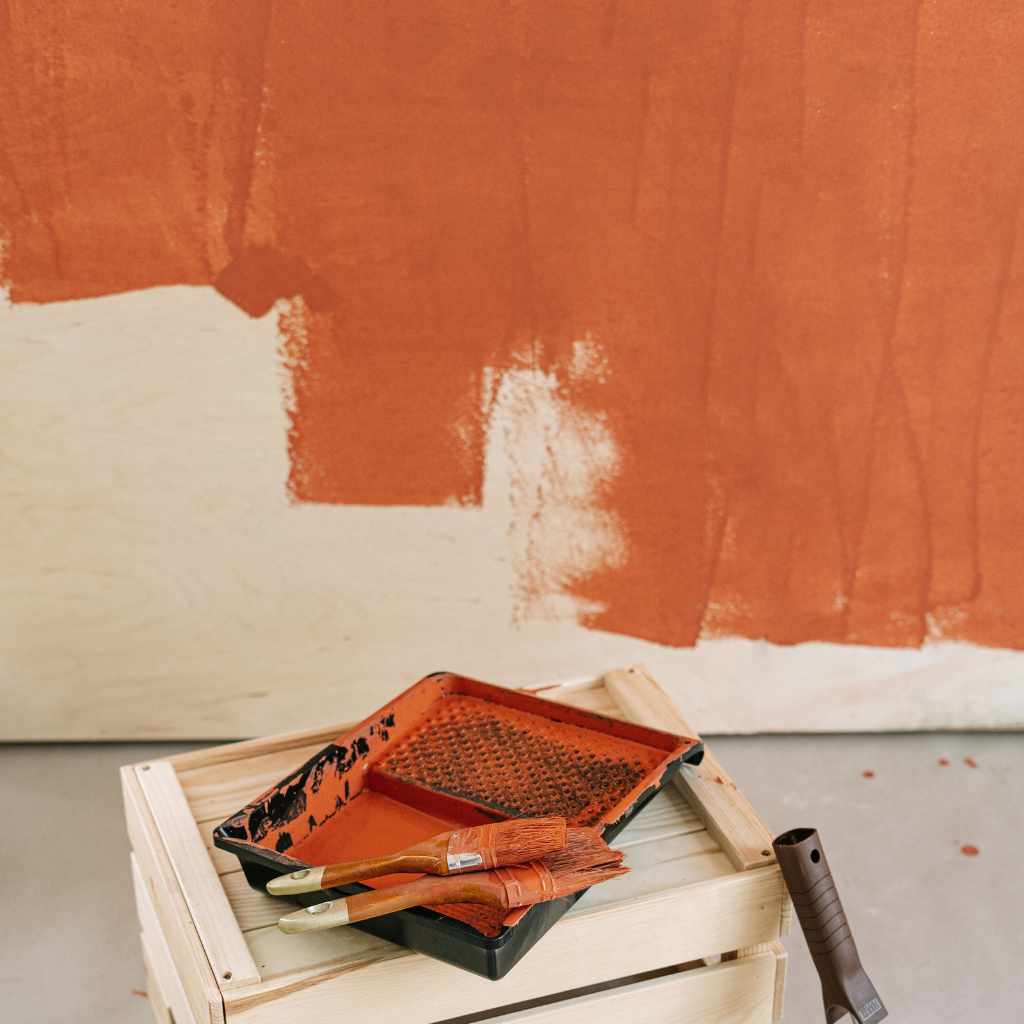
Best Way to Paint on Wood: Expert Tips for Flawless Finish
Are you ready to transform your wooden surfaces into stunning works of art? Painting on wood can bring new life to old furniture, create beautiful decorations, or simply add a personal touch to your space.
But how do you make sure your paint job looks smooth, lasts long, and truly stands out? In this guide, you’ll discover the best way to paint on wood – step by step. Whether you’re a beginner or looking to improve your skills, these tips will help you achieve professional-looking results every time.
Keep reading to unlock the secrets that will make your wood painting projects easier and more rewarding than ever before.
Choosing The Right Wood
Choosing the right wood is the first step to a beautiful paint job. Wood type affects how paint sticks and lasts. Some woods absorb paint well, while others resist it. Picking the best wood makes painting easier and the finish smoother.
Hardwood Vs Softwood
Hardwoods come from trees like oak and maple. They are dense and strong. Paint tends to stay longer on hardwood. Softwoods, such as pine and cedar, are lighter and have a rougher texture. They may soak up more paint and need more coats. Choose hardwood for durability. Softwood works well for quick projects and indoor use.
Surface Smoothness
Smooth wood surfaces hold paint better. Rough or uneven wood can cause bumps under the paint. Sanding the wood smooth helps the paint spread evenly. Use fine sandpaper to get a flat surface. This step improves the final look and feel of the paint.
Wood Preparation Tips
Clean wood before painting. Remove dirt, dust, and grease with a damp cloth. Fill holes or cracks with wood filler. Let it dry completely. Sand the filled spots smooth. Wipe the wood again to clear dust. Proper preparation helps paint stick and last longer.
Selecting The Best Paint
Selecting the right paint for wood is key to a lasting finish. It protects the wood and brings out its beauty. Using the best paint type and quality ensures your project looks great and lasts long. This section covers the types of paint, choosing the right finish, and why paint quality matters.
Types Of Paint For Wood
Wood can be painted with different types of paint. Latex paint is water-based and easy to clean. It dries fast and is good for indoor wood. Oil-based paint is tougher and lasts longer. It works well for outdoor wood but takes more time to dry. Chalk paint gives a matte look and is good for a rustic style. Each type fits different wood projects and needs.
Choosing Paint Finish
Paint finish affects the look and feel of wood. Glossy finish shines and is easy to clean. It shows scratches and dents more. Satin finish has a soft shine and hides flaws better. It works well in living rooms and kitchens. Matte finish does not shine and gives a smooth look. It hides imperfections but is harder to clean. Pick a finish that matches the wood’s use and style.
Paint Quality Matters
High-quality paint lasts longer and protects wood better. Cheap paint may peel or fade quickly. Good paint covers well with fewer coats. It resists moisture and weather damage. Choose paint from trusted brands to avoid problems. Spending more on quality paint saves time and money later. It keeps your wood looking fresh and strong for years.
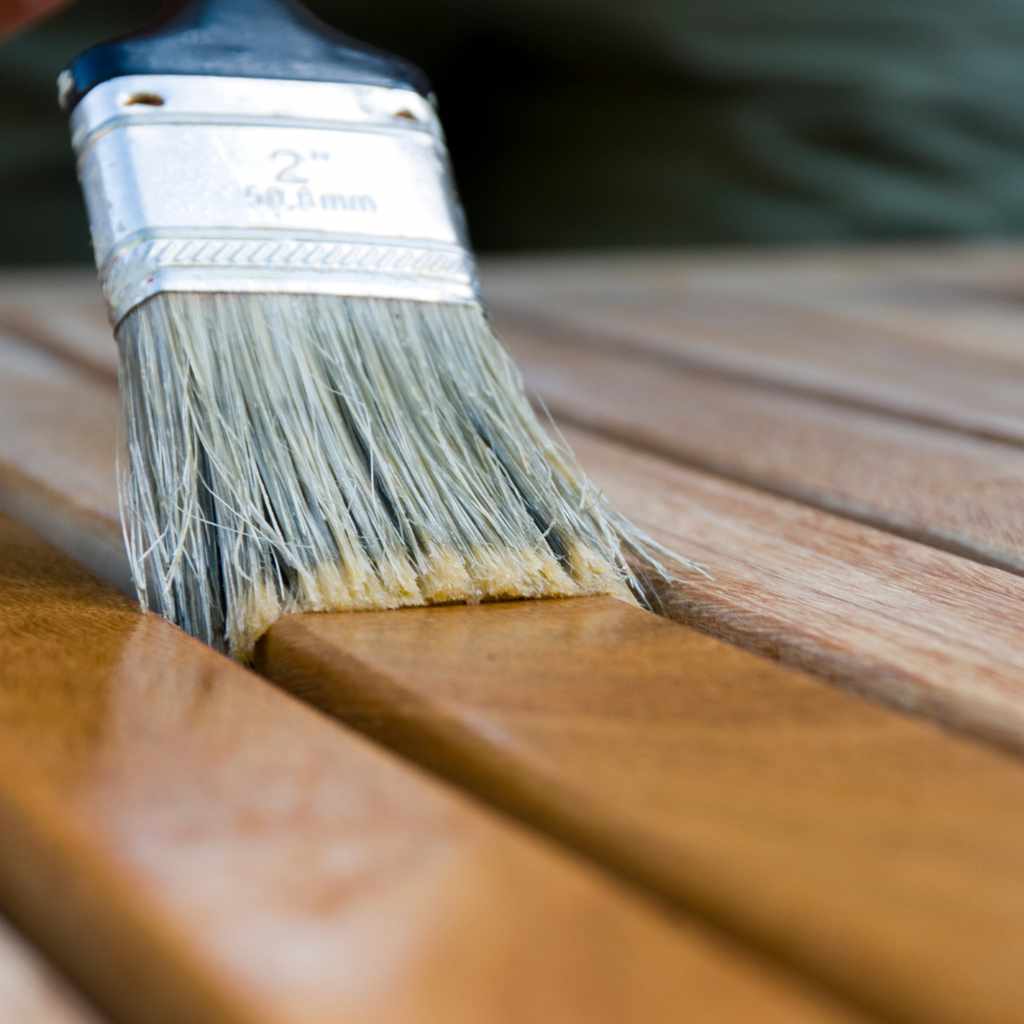
Preparing The Wood Surface
Preparing the wood surface is the first step to a smooth, lasting paint job. Clean and smooth wood helps paint stick better and look nice. Skipping this step can cause peeling and rough spots. Proper preparation saves time and effort later.
Cleaning And Sanding
Start by cleaning the wood with a damp cloth. Remove dust, dirt, and grease. Let the wood dry completely.
Next, sand the surface using fine-grit sandpaper. Sand in the direction of the grain. This opens wood pores for better paint grip. Wipe off sanding dust with a clean cloth.
Repairing Imperfections
Check the wood for holes, cracks, or dents. Use wood filler to fix small imperfections. Apply it with a putty knife and smooth it out.
Let the filler dry fully. Sand the area again for a flat surface. This step ensures the paint covers evenly.
Priming For Better Adhesion
Apply a primer to seal the wood. Primer helps paint stick and prevents stains from showing.
Use a brush or roller for even coverage. Allow the primer to dry according to instructions. A good primer improves paint durability and finish.
Effective Painting Techniques
Effective painting techniques make a big difference on wood surfaces. They help the paint last longer and look smooth. Using the right method avoids common problems like streaks or bubbles. The key is to prepare, apply, and finish the paint carefully.
Understanding how to control paint and tools gives better results. Small steps bring a big impact on the final look of wood projects.
Brush Vs Spray Painting
Brush painting is good for small or detailed wood pieces. It lets you control the paint and reach tight spots. Brushes are cheaper and easy to clean. But brush marks can show if not done right.
Spray painting covers large areas fast. It gives a smooth, even finish without brush lines. Sprayers need more prep to protect nearby areas. They use more paint and need practice to avoid drips.
Applying Thin Coats
Thin coats dry faster and stick better to wood. Thick layers cause runs and uneven drying. Spread paint lightly with smooth strokes. Wait for each layer to dry before adding the next. Multiple thin coats build strong, lasting color.
Maintaining A Wet Edge
Keep a wet edge to avoid lines and marks. Paint next to the wet area, not dry spots. Work quickly but carefully to blend strokes. This technique makes the finish smooth and uniform. It helps paint flow and settle evenly on wood.
Drying And Curing
Drying and curing are key steps in painting wood. They help the paint stick well and last longer. Proper drying stops smudges and peeling. Curing makes the paint strong and smooth. Understanding how to dry and cure paint improves your wood project’s look and durability.
Optimal Drying Conditions
Choose a warm, dry place for drying. Avoid cold or humid areas. Good air flow speeds up drying. Keep paint away from direct sunlight. Too much sun can cause bubbles or cracks.
Avoiding Dust And Debris
Dust sticks to wet paint and ruins the finish. Paint in a clean room or cover the area. Close windows and doors to block dust. Use a fan to move air gently. Avoid painting outside on windy days.
Curing Time Guidelines
Allow paint to cure fully before use. Light coats may take a few days. Thick layers need up to two weeks. Follow the paint can instructions for exact time. Touch the surface lightly to check hardness.
Finishing Touches
Finishing touches bring your wood painting project to life. They improve the look and protect the surface. Small steps here make a big difference. Careful work ensures your paint stays fresh for years. Let’s explore key steps to finish your wood painting perfectly.
Sanding Between Coats
Sanding between paint coats smooths the surface. Use fine-grit sandpaper for best results. It removes bumps and dust particles. Light sanding helps the next coat stick well. Always clean dust off before painting again. This step creates a smooth, even finish.
Applying Sealants And Varnishes
Sealants and varnishes protect your painted wood. They guard against moisture and scratches. Choose a product that fits your wood type. Apply thin, even layers with a clean brush. Let each layer dry fully before adding another. This adds shine and strength to your work.
Maintenance Tips For Longevity
Keep your painted wood looking fresh with simple care. Clean gently with a soft cloth and mild soap. Avoid harsh chemicals that can damage paint. Check for chips or cracks regularly. Touch up damaged areas quickly to prevent bigger problems. Proper care helps your paint last longer.
Frequently Asked Questions
What Is The Best Paint Type For Wood Surfaces?
Acrylic latex paint is ideal for wood due to its durability and flexibility. It resists cracking and peeling. It also dries quickly and provides excellent coverage, making it perfect for indoor and outdoor wood projects.
How Should I Prepare Wood Before Painting?
Start by sanding the wood to a smooth finish. Remove dust and debris with a damp cloth. Apply a wood primer to seal the surface. Proper prep ensures better paint adhesion and a long-lasting finish.
Can I Paint Untreated Wood Directly?
Painting untreated wood directly is not recommended. Untreated wood absorbs paint unevenly, causing peeling and blotches. Always sand and prime the wood first to create a smooth, sealed surface for the paint.
How Many Coats Of Paint Are Needed On Wood?
Generally, two to three coats of paint are ideal. The first coat acts as a base, while the second enhances coverage. A third coat may be needed for darker colors or rough wood surfaces.
Conclusion
Painting on wood can be simple and fun. Choose the right paint and prepare the surface well. Use smooth, even strokes for the best look. Let each layer dry before the next one. Clean tools after use to keep them ready.
With care and patience, your wood projects will shine. Try these steps and enjoy your beautiful results. Keep practicing to improve your skills every time. Painting wood brings new life to old items. Give it a go and see the difference!