Best Way to Remove Chipped Paint from Wood: Expert Tips Revealed
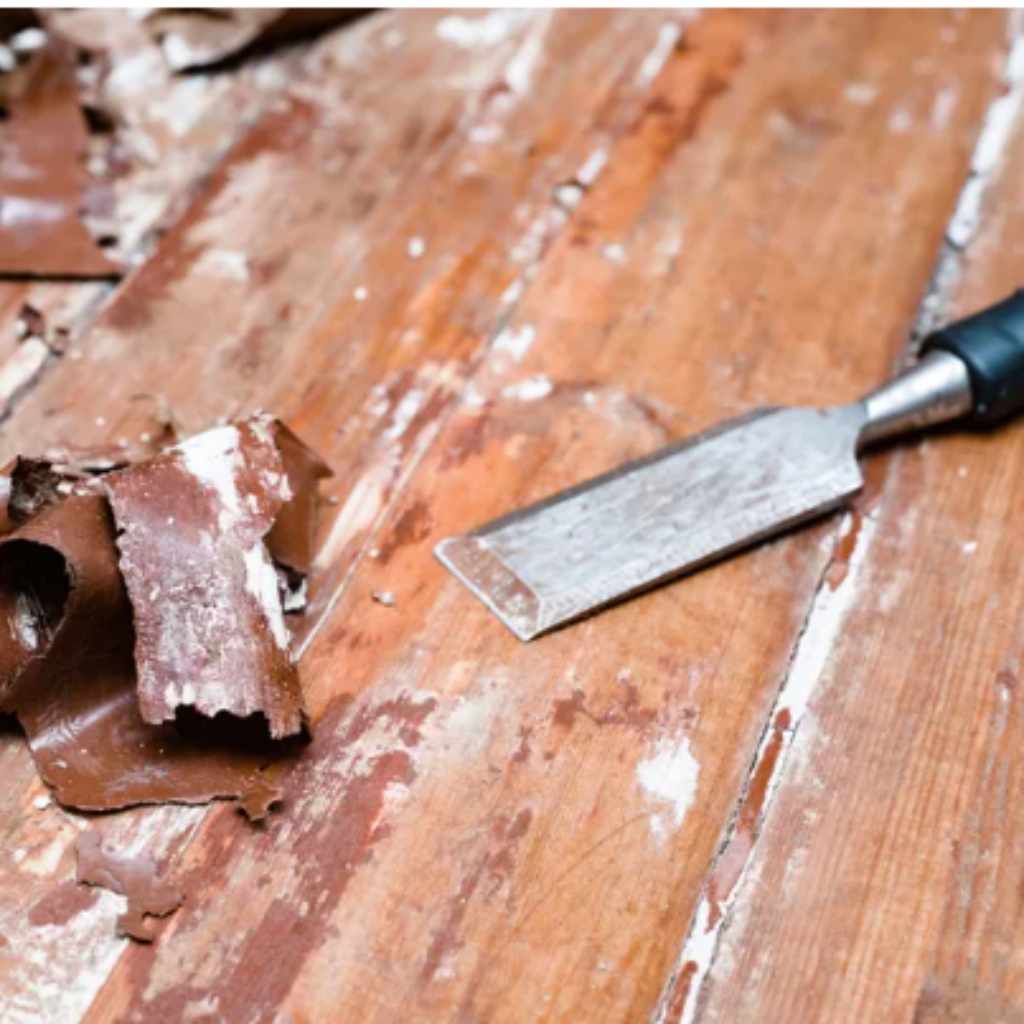
Are you tired of looking at chipped paint on your wooden furniture or walls? That rough, peeling surface can ruin the beauty of your space and make your wood look old and neglected.
The good news is, removing chipped paint doesn’t have to be a frustrating or messy task. You’ll discover the best way to get rid of those annoying paint chips quickly and safely. By following these simple steps, you’ll restore your wood to its natural charm and prepare it perfectly for a fresh new coat.
Keep reading—you’re just moments away from transforming your woodwork with ease!
Causes Of Chipped Paint On Wood
Chipped paint on wood is a common problem that many people face. Understanding the causes helps in preventing and fixing the issue. Several factors can lead to paint peeling or chipping off wooden surfaces. These causes often work together, weakening the paint’s hold on wood.
Environmental Factors
Weather plays a big role in paint damage. Sun exposure can dry out paint, causing cracks. Rain and moisture make wood swell and shrink. This movement breaks the paint layer. Cold temperatures cause paint to become brittle. Wind can carry dirt that scratches the paint. These conditions wear down paint over time.
Wood Surface Issues
Wood that is dirty or oily stops paint from sticking. Old paint layers that peel or bubble cause new paint to chip. Wood that is wet or damp also affects paint adhesion. Rough or uneven surfaces create weak spots. Proper preparation of wood is important before painting.
Paint Quality And Application
Low-quality paint often chips faster. Paint that is too thin or applied in thick layers peels easily. Skipping primer causes poor bonding between wood and paint. Painting in unsuitable weather conditions weakens paint. Correct application ensures a strong, lasting finish.
Tools Needed For Paint Removal
Removing chipped paint from wood requires the right tools. Choosing proper tools makes the job easier and safer. Some tools work better for small areas, while others suit large surfaces. Preparing with the correct tools saves time and effort.
Manual Tools
Manual tools are simple and effective for small paint removal tasks. A putty knife helps scrape off loose paint gently. Sandpaper smooths rough spots after scraping. Wire brushes remove paint from grooves and detailed wood parts. These tools give good control and reduce damage risk.
Power Tools
Power tools speed up paint removal on bigger projects. An electric sander removes paint and smooths wood quickly. A heat gun softens paint for easy scraping. A paint stripper machine combines scraping and sanding functions. Use power tools carefully to avoid wood damage.
Safety Equipment
Safety equipment protects you during paint removal. Wear safety goggles to shield eyes from dust and paint chips. Use a dust mask to avoid inhaling harmful particles. Gloves protect your hands from chemicals and sharp edges. Proper safety gear keeps you safe and comfortable.
Methods To Remove Chipped Paint
Removing chipped paint from wood restores its natural beauty. It also prepares the surface for a smooth finish. Several methods exist to tackle chipped paint. Each method suits different needs and skill levels.
Choosing the right approach depends on the size of the area and the tools available. Below are common techniques to remove chipped paint effectively.
Sanding Techniques
Sanding is a simple and effective way to remove chipped paint. Use sandpaper or an electric sander for larger areas. Start with coarse grit to remove paint quickly. Then switch to finer grit for a smooth finish. Sanding also helps to prepare the wood for repainting. Always sand in the direction of the wood grain. Wear a mask to avoid inhaling dust.
Chemical Strippers
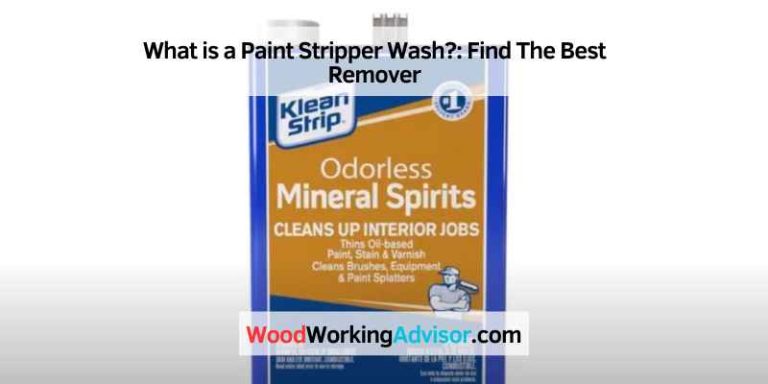
Chemical paint strippers dissolve paint for easy removal. Apply the stripper with a brush and wait for it to work. The paint will bubble and lift off the wood. Use a scraper to remove the loosened paint. Choose a stripper safe for wood and follow safety instructions. Work in a well-ventilated area and wear gloves. Chemical strippers work well on detailed or hard-to-sand surfaces.
Heat Guns
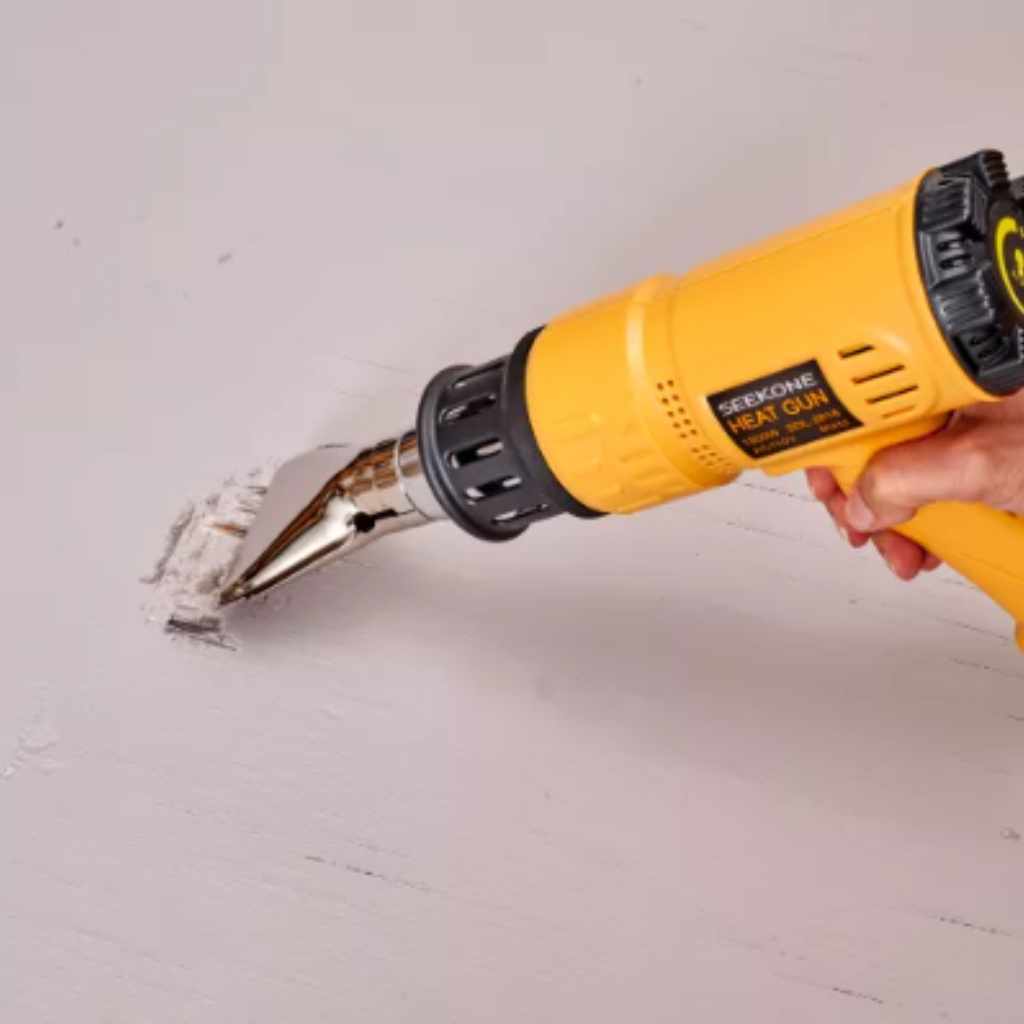
Heat guns soften paint for easy scraping. Hold the gun a few inches from the surface. Move it slowly to avoid burning the wood. The paint will bubble and become soft. Use a scraper to lift off the softened paint. Heat guns work fast but require caution. Protect your hands and avoid overheating the wood. This method suits larger flat surfaces.
Scraping Tools
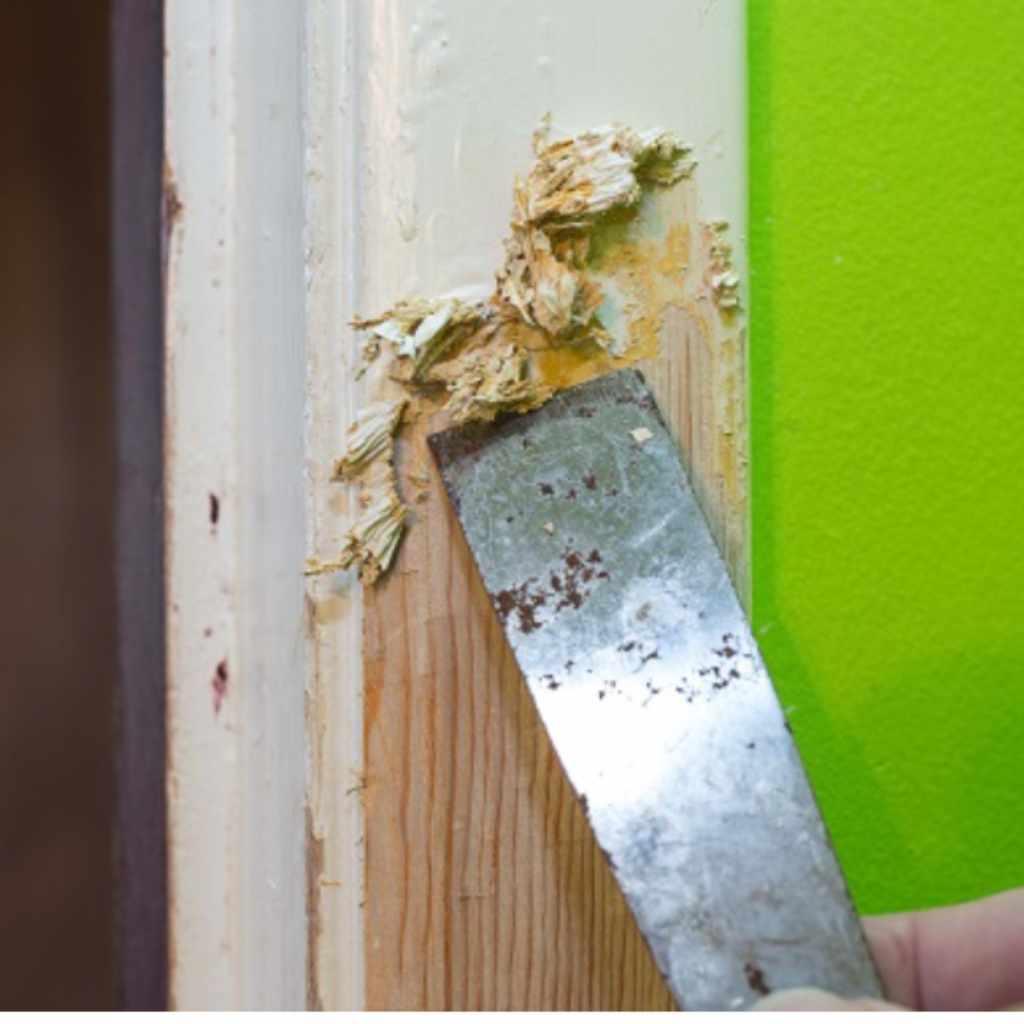
Scrapers are basic tools for removing chipped paint. Use a putty knife or a paint scraper. Hold the scraper at a low angle to avoid gouging wood. Scrape gently to lift loose paint pieces. This method works best on small areas. Combine scraping with sanding for a cleaner finish. Always check for lead paint before scraping old surfaces.
Preparing Wood After Paint Removal
Preparing wood after paint removal is a crucial step. It ensures the wood is ready for new paint or finish. This process protects the wood and improves the final look. Proper preparation makes the surface smooth and free of debris. It helps paint stick better and last longer.
Cleaning The Surface
Start by removing dust and dirt from the wood. Use a soft brush or cloth to wipe the surface. Avoid using water on raw wood as it may cause swelling. A vacuum with a brush attachment works well for deep cleaning. Clean wood allows new paint to bond properly.
Repairing Damages
Check the wood for cracks, holes, or dents. Fill small holes with wood filler using a putty knife. Let the filler dry completely before sanding. For larger damages, use wood patches or replace the affected area. Repairing keeps the surface even and strong.
Smoothing The Wood
Sand the wood surface to remove rough spots and splinters. Use medium-grit sandpaper first, then fine-grit for a smooth finish. Sand in the direction of the wood grain to avoid scratches. Wipe away sanding dust with a damp cloth. Smooth wood ensures an even paint application.
Tips For Repainting Wood
Repainting wood requires care and the right steps to get a smooth finish. Proper preparation helps paint stick better and last longer. Each step affects the final look and durability.
Follow these tips to make your wood surface look fresh and clean after removing chipped paint.
Choosing The Right Paint
Select paint made for wood surfaces. Oil-based paints work well for outdoor wood because they resist weather. Latex paints dry faster and clean up easily with water. Pick a paint that fits your project needs and environment.
Priming The Surface
Apply a primer before painting. Primer seals the wood and creates a smooth base. It helps paint stick better and prevents peeling. Use a primer suitable for wood and the paint type you chose. Let it dry completely before painting.
Proper Painting Techniques
Use a good brush or roller for even paint coverage. Paint in thin, smooth layers to avoid drips. Brush in the direction of the wood grain for a natural look. Allow each coat to dry before adding another. This method ensures a clean, lasting finish.
Preventing Future Paint Chipping
Preventing future paint chipping is key to keeping wood surfaces looking fresh. Taking steps now saves time and effort later. Small habits and smart choices protect your wood and paint.
Regular Maintenance
Check painted wood often for signs of wear. Clean surfaces gently to remove dirt and dust. Fix small chips or cracks right away. This stops damage from spreading. Regular care keeps paint strong and intact.
Protective Coatings
Use sealants or varnishes to shield paint. These coatings add a tough layer over the paint. They guard against moisture, sun, and scratches. Applying a fresh coat every few years boosts protection. Choose products made for wood surfaces.
Environmental Controls
Control humidity and temperature around painted wood. Avoid placing wood where it faces direct sunlight or heavy rain. Use shades or covers to protect outdoor wood. Stable environments reduce stress on paint. This helps prevent peeling and cracking over time.
Frequently Asked Questions
How Do I Safely Remove Chipped Paint From Wood?
Use a gentle paint scraper or sandpaper to remove loose paint. Wear protective gear and work in a ventilated area. Avoid harsh chemicals to prevent wood damage.
What Tools Work Best For Removing Chipped Paint On Wood?
A putty knife, sanding block, or electric sander work best. Choose finer grit sandpaper for delicate wood surfaces to avoid scratches.
Can I Remove Chipped Paint Without Damaging The Wood?
Yes, by using gentle scraping and sanding techniques. Avoid excessive force and harsh chemicals that can harm the wood surface.
Is Chemical Paint Stripper Effective For Wood Paint Removal?
Chemical strippers can work well but must be used carefully. Follow instructions and test on a small area to avoid wood damage.
Conclusion
Removing chipped paint from wood takes patience and care. Start by gently scraping off loose paint with the right tools. Sand the surface smooth to prepare for new paint or stain. Clean the area well to remove dust and debris.
Choose a paint that matches your wood and apply it evenly. Small steps make a big difference. This simple process helps restore wood’s natural beauty. Try it yourself and enjoy the fresh, clean look.