Best Wood Putty for Nail Holes (2026): We Compared
For nail holes, use water-based lightweight putty for painted trim and furniture, stainable wood filler for visible stain-grade repairs, and epoxy or solvent-based filler for outdoor or larger holes; match the filler to hole size and finish first. Using the wrong product can leave dents, stain halos, crack lines, or blotchy color that costs time and makes the repair visible. This guide explains how to choose the best wood putty for nail holes by finish, wood type, hole size, and indoor or outdoor use.
For nail holes, use water-based lightweight putty for painted trim and furniture, stainable wood filler for visible stain-grade repairs, and epoxy or solvent-based filler for outdoor or larger holes; match the filler to hole size and finish first. Using the wrong product can leave dents, stain halos, crack lines, or blotchy color that costs time and makes the repair visible. This guide explains how to choose the best wood putty for nail holes by finish, wood type, hole size, and indoor or outdoor use.
Quick comparison
| Product | Badge | Best for | Price | ||
|---|---|---|---|---|---|
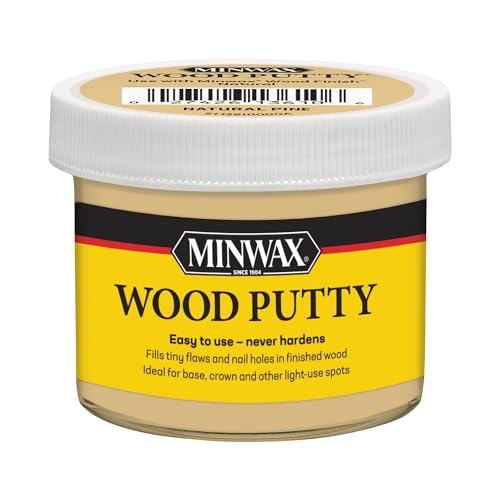 |
Minwax 13610000 Wood Putty, 3.75 Ounce, Natural Pine | WoodMinwax | Our pick | 3.75 oz · non-hardening · Natural Pine | $7.54
Price as of 31 Oct 2026
|
View |
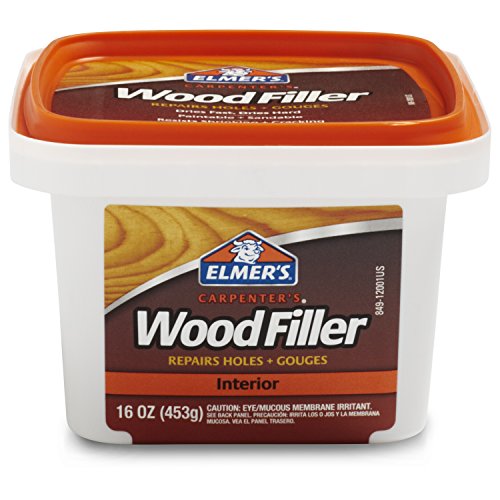 |
Elmer’s E849D8 16 Oz Carpenter’s Interior Wood FillerElmer’s | Budget pick | 16 oz · interior filler · paintable | $11.95
Price as of 31 Oct 2026
|
View |
 |
Mohawk Fil-Stik, Wax Putty Stick for Wood Repair, 1 CountMOHAWK | Upgrade pick | 1 count · wax stick · assorted colors | $8.79
Price as of 31 Oct 2026
|
View |
 |
FamoWood 40022126 Latex Wood Filler – Pint, Natural, 24 oz.FamoWood | Also great | 24 oz · dries in 15 minutes · Natural | $12.46
Price as of 31 Oct 2026
|
View |
For most paint-grade nail-hole repairs, a hardening wood filler is the safest default because it sands cleanly and accepts primer better than soft putty. For finished trim, furniture, and color-matched touch-ups, non-hardening putty or wax sticks fit the repair better when the hole is small and the goal is cosmetic.
How we chose
We compared each option by hole size, finish goal, indoor or outdoor exposure, sanding behavior, and whether the product hardens after cure. We also looked for products that solve distinct repair problems rather than repeating the same use case.
The split is simple. Putty stays flexible and works best for cosmetic nail holes on finished wood. Filler hardens and is the better pick for deeper holes, cracks, or any repair that must be sanded, drilled, or shaped after curing.
Which filler works for your nail holes?
For tiny pin nail holes, use wax stick or non-hardening putty when the goal is fast cosmetic coverage. For deeper brad or finish-nail holes, choose a hardening filler or epoxy putty so the repair can be sanded flush. If the wood will be painted, a paintable filler is usually safer than stainable putty.
Tiny pin holes
Tiny pin holes are the easiest repair. A wax filler stick or pre-mixed wood putty usually works because you are filling a shallow cosmetic mark, not rebuilding missing wood. Tool-free application matters here, and drying time is less important than getting the color close.
Deeper finish-nail holes
Deeper finish-nail holes need more structure. A hardening wood filler or two-part epoxy putty is a better fit because it resists shrinkage, can be sanded flush, and holds up if you need to drill or shape the spot later. Soft putty can sink back into a deep hole.
Paint-grade trim
Paint-grade trim is where hardening filler usually wins. After sanding, primer helps hide the repair, and products labeled paintable are made for that workflow. If the hole is on baseboards, casing, or crown that will be painted, color matching matters less than a smooth, stable surface.
Stained wood and open grain
Stained wood is the hardest case. Even a stainable filler can telegraph through open-grain woods like oak or ash, especially on darker species or under gloss finishes. If the board is highly visible, choose the closest color match and expect that the repair may still show under angled light.
Minwax Wood Putty: best for finished trim
Minwax Wood Putty fits cosmetic nail holes on bare, painted, stained, or finished wood when you want a quick fill with little cleanup. The Golden Oak shade is useful where the surrounding surface has a warm brown tone, and the pre-mixed, non-hardening formula makes it easy to press into shallow holes.
The drawback is the same feature that makes it useful: it does not harden. That means it is a poor choice for larger voids, deep holes, or spots that must be sanded aggressively. It is better for finished wood and small nail holes than for structural repair.
Where the Golden Oak color fits
Golden Oak works best on medium-brown trim, furniture, or cabinetry where the surrounding tone is close. It is not a universal match. On redder walnut tones, very pale pine, or heavily aged finishes, a close color can still read as a mismatch after topcoat.
When non-hardening putty makes sense
Non-hardening putty makes sense when the hole is shallow and the surface is already finished. You are trying to hide a mark, not rebuild wood. It is also a reasonable choice for outdoor use because the flexible body is less likely to crack as the wood moves.
Painted, stained, or finished wood
This product can work on painted, stained, or finished wood, but the finish goal should drive the choice. On painted surfaces, a hardening filler often gives a flatter repair. On stained or finished wood, a close color match is more important than sanding strength.
Gorilla All Purpose Wood Filler: best for paint prep
Gorilla All Purpose Wood Filler is the stronger choice when you need a smooth, sandable repair that can stand up to indoor or outdoor exposure. Published product details describe it as water-resistant and suitable for both indoor and outdoor use, which makes it a better fit for trim that may see humidity swings.
Its drawback is that it is not the fastest cosmetic fix for every shallow nail hole. Because it hardens, you may need more prep and sanding than with a soft putty or wax stick. The natural color is helpful for paint prep, but it is not a guarantee of invisibility on finished wood.
Natural color and water resistance
The natural color is useful when you plan to prime and paint. It reduces the chance of a dark filler line showing through a thin topcoat. Water resistance matters on trim near doors, porches, and entry areas where moisture movement can expose weaker fillers.
Indoor and outdoor use
This is the better fit when the same repair logic must work inside and out. For outdoor trim, a filler that resists moisture and shrinkage is safer than a soft putty that stays flexible forever. That said, it still needs proper surface prep and full cure before paint.
Smooth finish after sanding
A hardening filler gives you a flatter repair after sanding, which matters on wide trim faces and furniture legs. If the hole is deeper than a pinhole, sanded filler usually blends better than a soft putty that can leave a slight dip after the first coat dries.
J-B Weld KwikWood: best for tougher repairs
J-B Weld KwikWood is the better choice for deeper holes, chipped edges, and nail holes that need a stronger rebuild than ordinary putty can provide. It is hand-mixable, cures in about an hour, and can be drilled, sanded, and shaped after curing. Published product details also put its cure strength around 900 PSI.
The drawback is setup complexity. You must mix it before application, and that makes it less convenient than a squeeze-in putty or wax stick for tiny cosmetic holes. It is also overkill for shallow nail marks that only need color and surface coverage.
Hand-mixable application
Mixing lets you control the amount and consistency for the repair. That is useful on irregular holes where you need the filler to key into the damaged area. It also helps on edge damage, where a soft filler may slump before it sets.
About an hour to cure
A cure time of about an hour is fast enough for many trim repairs, but not instant. You still need to respect the set window before sanding or shaping. Trying to work it too early can smear the patch and make the repair wider than the original hole.
Sandable, drillable, and stainable
After curing, it can be sanded, drilled, and shaped, which makes it useful when the hole sits where hardware or a pilot hole may go later. Stainability is helpful, but do not assume it will disappear on every wood species. Open-grain woods can still reveal the patch.
Which one should you buy?
Choose Minwax Wood Putty when the holes are small, the wood is already finished, and you want a fast cosmetic repair with minimal sanding. Choose Gorilla All Purpose Wood Filler when the surface will be painted and you want a harder patch with better moisture resistance. Choose J-B Weld KwikWood when the hole is deeper, the repair needs shaping, or you may drill the spot later.
If you are repairing baseboards or painted trim, start with a hardening filler unless the marks are tiny and purely cosmetic. If you are repairing stained furniture, a matched putty or wax stick is usually safer than a generic filler. For outdoor trim, avoid soft putty unless the repair is truly shallow and the finish can tolerate movement.
Say your baseboard has about three 1/16-inch pin holes under fresh white paint. A paintable hardening filler or even a wax stick may be enough, but overfilling will leave a small hump that the side light catches. A thinner application and a careful sand after cure usually solve that.
Suppose a chair rail has about a 1/8-inch finish-nail hole in oak. A stainable filler may still look wrong because the open grain telegraphs the patch. In that case, color match matters, but the safer finish is often paint rather than a clear stain.
Can you stain over wood putty?
You can stain over some wood putty products, but stainable does not mean invisible. The filler may accept color differently than the surrounding wood, and open-grain species can still show a lighter or darker dot after the topcoat. For highly visible stain-grade work, test in an inconspicuous spot first.
When stainable is still not a match
Stainable filler is still a compromise on dark walnut, oak, ash, and other open-grain woods. The repaired spot may absorb pigment differently from the board around it. If the hole sits in a focal area, a paint-grade finish can be more predictable than chasing a perfect stain match.
Why open-grain wood can telegraph the repair
Open grain reflects finish differently around the patch. That means the repaired spot can show as a circle, a flat spot, or a color shift, especially after gloss or satin clear coats. The patch may be flush, yet still visible because the sheen changes under light.
When paint is the safer finish
Paint is the safer finish when the board has many repairs, the wood species is hard to match, or the hole is deeper than a tiny pinhole. Paint hides color mismatch better than stain. It also gives you more freedom to use a strong hardening filler without worrying about exact grain match.
Frequently asked questions
What should I use to fill nail holes?
Use a soft putty or wax stick for tiny cosmetic holes, a hardening filler for deeper nail holes, and epoxy putty for tougher repairs or spots that may need drilling later. The right choice depends on hole depth, wood species, and whether the repair will be painted, stained, or left natural.
Can wood putty fill gaps?
Wood putty can bridge tiny cosmetic gaps, but it is a poor choice for wide seams or moving joints. If the gap is between trim and wall, a paintable caulk is usually better because it flexes with seasonal movement. Putty is for holes and small imperfections, not active joint movement.
Is wood putty better for indoor or outdoor nail holes?
For outdoor nail holes, non-hardening putty can be useful because it stays flexible as the wood moves. For indoor painted trim, a hardening filler often gives a cleaner sanded surface. The best choice depends more on exposure and finish than on location alone.
Which wood putty works best for baseboards and trim?
For painted baseboards and trim, a paintable hardening filler usually gives the cleanest result after sanding. For finished trim that will stay natural or stained, a close-color non-hardening putty is often the better cosmetic match. On corner seams, use caulk instead of putty if the gap is thin and linear.
Push the putty into the hole with a putty knife or fingertip, then remove extra material so the patch sits level. On deeper holes, make sure the first fill reaches the bottom. After that, let the product cure or skin over as directed before sanding, priming, or topcoating.
Sponsored / affiliate links. As an Amazon Associate I earn from qualifying purchases. I may earn additional commission from eligible campaigns.