Therma-Tru Doors Review: Solid Fiberglass Quality, but Premium Pricing
Therma-Tru fiberglass doors cost $400 to $1,500 per door before installation and insulate roughly five times better than solid wood (R-value up to 7.7 vs. 1.2) – but the lifetime residential warranty only holds if the door is primed, painted, or stained within 6 months of installation. Miss that window, or skip caulking at install, and owners report Therma-Tru denying rot and warranty claims outright. This review covers real pricing by door line, what the warranty actually requires, and how Fiber-Classic, Smooth-Star, and Pulse compare.
Disclosure: Woodworking Advisor is reader-supported. As an Amazon Associate, we earn from qualifying purchases at no extra cost to you.
Therma-Tru Door Lines and Pricing
Therma-Tru is not a single door – it is a lineup of fiberglass (and some steel) door slabs sold through home centers and door dealers, not Amazon. Four series make up most of what you will see quoted: Fiber-Classic, Smooth-Star, Pulse, and Classic-Craft.
| Door Line | Style | Typical Price Range* | Best For |
|---|---|---|---|
| Fiber-Classic | Wood-grain texture, stainable | $400–$900 | Budget-conscious stain-grade look |
| Smooth-Star | Smooth, paint-ready surface | $500–$1,200 | Bold painted colors, modern homes |
| Pulse | Contemporary glass and steel/fiberglass combinations | $800–$1,500 | Modern architecture, statement glass |
| Classic-Craft | Deep wood-grain, premium mahogany or knotty-alder look | $1,000–$1,500+ | High-end traditional entries |
Those ranges cover the door slab alone before installation, and they are for standard configurations without decorative glass. Fully-glazed models cost significantly more – Home Depot lists the Smooth-Star Flush-Glazed Fiberglass Door starting at $2,498. Get an itemized quote before assuming the low end of any range applies to your project.
Materials and Durability
Every Therma-Tru door line is built around a fiberglass composite skin over a rigid foam core, not solid wood or bare steel. Fiberglass will not rot, warp, or swell the way a solid wood door frame can in humid climates – that is the main sales argument, and the specs back it up.
📊 Therma-Tru fiberglass door slabs carry an R-value of up to 7.7, versus about 1.2 for a solid wood door of the same size – roughly five times the insulating value. Fiberglass slabs are also rated about 30% more resistant to kick-ins than a standard steel door. — Source: Why Fiberglass Doors Outperform Wood and Steel, Therma-Tru
Steel doors dent easily and can rust once the paint is scratched through, and they conduct outdoor temperature straight into the slab – a steel door can feel noticeably hot or cold to the touch depending on the season. Fiberglass avoids both problems, which is why Therma-Tru positions it as the middle ground between wood’s looks and steel’s low cost.
Design and Aesthetics
Fiber-Classic and Classic-Craft slabs are embossed with real wood grain and take stain convincingly – from a few feet away, most people cannot tell a stained Fiber-Classic door from solid mahogany or oak. Smooth-Star and Pulse skip the wood-grain texture entirely for a flat, paint-ready surface, which is why Smooth-Star shows up so often in bold front-door colors.
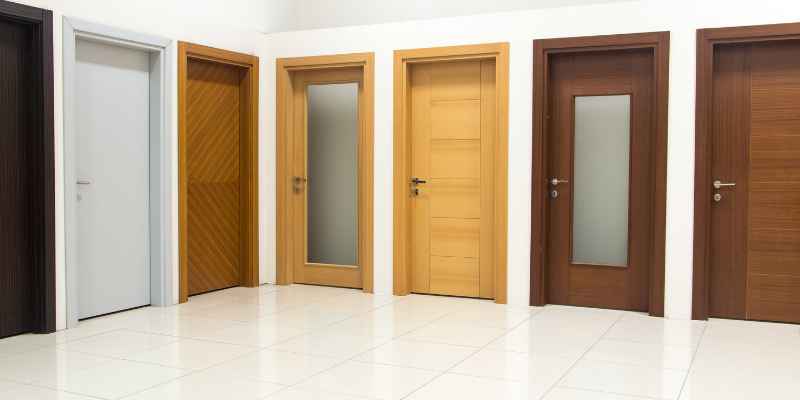
Glass options range from clear full-lite panels to obscure/decorative glass for privacy at the entry. If you want to change the finish later, see our guides on whether a fiberglass door can be painted and whether it can be stained – both cover the surface prep Therma-Tru’s own warranty terms require.
Energy Efficiency
The foam core inside a Therma-Tru slab is rated up to R-6 on its own, and most configurations qualify for ENERGY STAR® certification. The bigger real-world leak point on any entry door, fiberglass or not, is the weatherstripping and threshold seal around the slab – a worn seal will undo most of the insulation advantage the door itself provides.
Entry Door Draft-Fix Pick
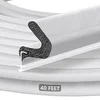 |
Litaibai 40 ft Kerf Weather Stripping Door Seal – $18.99 Even a well-insulated Therma-Tru slab loses the R-6 foam-core advantage covered above if the perimeter seal has compressed or cracked – this press-in kerf seal replaces it without removing the door.
|
As an Amazon Associate we earn from qualifying purchases.
Security Features
Most Therma-Tru slabs ship pre-machined for a multi-point lock system in addition to a standard deadbolt, which distributes force across several locking points instead of one. Combined with the roughly 30% higher kick-in resistance covered above, this is one area where fiberglass has a measurable edge over hollow steel – but the lockset and strike-plate installation still has to be done correctly for any of that to matter.
Installation and Maintenance
Therma-Tru sells door slabs as pre-hung units, but this is not a beginner DIY install – an out-of-square rough opening or a poorly shimmed hinge jamb will bind the door and void warranty coverage tied to proper installation. Most homeowners hire a door installer or general contractor rather than hanging it themselves.
- Check for square immediately: confirm the door swings and latches cleanly before the installer leaves.
- Caulk every exterior seam: the brickmold-to-siding and threshold joints are the two spots warranty claims get denied over when they’re skipped.
- Finish within 6 months: prime, paint, or stain the slab (all six sides, including top and bottom edges) within 6 months of installation to keep the fiberglass warranty active.
- Inspect weatherstripping twice a year: replace it as soon as it feels flattened or stiff, not after a draft is already noticeable.
Fiberglass vs. Wood vs. Steel Entry Doors
Here is how Therma-Tru’s fiberglass construction stacks up against the two other common entry-door materials on the specs that actually affect a homeowner’s decision:
| Factor | Fiberglass (Therma-Tru) | Solid Wood | Steel |
|---|---|---|---|
| R-value (insulation) | Up to 7.7 | ~1.2 | Varies with foam core, conducts temperature through the skin |
| Rot / warp risk | None – composite skin | High in humid or wet climates | None, but rusts if scratched |
| Dent / kick resistance | ~30% more kick-resistant than steel | Dents and gouges easily | Dents easily on impact |
| Typical upfront cost | $400–$1,500+ | $500–$2,000+ | $200–$800 |
| Refinishing needs | Repaint/stain every 6–10 years | Frequent refinishing, especially south-facing | Touch-up paint as chips appear |
Customer Satisfaction and Reviews
Published reviews on Therma-Tru are more mixed than the brand’s own marketing suggests, and a fair review should cover both sides rather than only the positive testimonials.
What owners like: the insulation performance and the wood-look finish on Fiber-Classic and Classic-Craft slabs are the two most consistent compliments across Home Depot and manufacturer-site reviews, along with the paintable surface on Smooth-Star.
What owners complain about: across the Better Business Bureau, Trustpilot, and PissedConsumer, the recurring complaints are water intrusion and rot appearing within a few years of installation, paint or finish quality problems from the factory (missed spots, peeling brickmold finish), misaligned hinges or a door that was not built square, and warranty claims being denied on the grounds that the installer did not caulk or finish the door according to spec. Customer service response quality is the most frequently criticized part of the experience on these platforms.
The pattern in these complaints matters more than the star rating itself: nearly all of the documented rot and warranty-denial cases trace back to the finishing-window and caulking requirements covered in the Installation section above, not to the fiberglass material failing on its own. A door finished and caulked correctly within the 6-month window is a very different risk than one left unfinished through a first winter.
Therma-Tru’s own residential warranty documentation requires owners to “finish your door within six months of installation” to keep fiberglass warranty coverage active – a condition several denied claims in public reviews trace back to.
Therma-Tru Fiberglass and Steel Door Systems Limited Warranty
How Therma-Tru Compares to Other Fiberglass Door Brands
Therma-Tru is the largest fiberglass door manufacturer in the U.S. and generally sits at or above the mid-range on price. If you’re cross-shopping, see our Feather River Doors review for a lower-priced fiberglass alternative sold mainly through Home Depot, or our guide to installing a steel door in a wood frame if budget is the deciding factor over insulation and kick resistance.
Warranty and Customer Support
Therma-Tru’s residential warranty covers the fiberglass door slab itself for as long as the original purchaser owns the home, across the Fiber-Classic, Smooth-Star, Pulse, and Classic-Craft lines. The PrismaGuard factory paint finish carries its own separate 10-year warranty, and insulated glass units are typically covered for 20 years against seal failure.
The condition that trips people up, based on the complaint patterns above: the fiberglass warranty requires the door to be primed and finished (painted or stained on all sides) within 6 months of installation. An unfinished or improperly caulked door left exposed past that window is the single most common reason Therma-Tru has denied a rot or warping claim in the complaints reviewed for this guide.
Final Thoughts
| Pros | Cons |
|---|---|
|
|
Therma-Tru is a reasonable choice if you finish and caulk the door correctly within the warranty window and hire a competent installer – the insulation and durability specs are genuinely better than wood or steel. If you are not confident the installation and finishing will be done to spec, the warranty protection you’re paying the price premium for is exactly the part most likely to be denied.
Frequently Asked Questions
What are Therma-Tru doors made of?
Therma-Tru doors use a fiberglass composite skin over a rigid polyurethane foam core, with a wood-composite or fiberglass frame depending on the line; some Pulse configurations use a steel skin instead. The fiberglass skin is molded with wood grain texture on Fiber-Classic and Classic-Craft, or left smooth for painting on Smooth-Star and Pulse.
How long do Therma-Tru doors last?
The fiberglass slab is covered by a lifetime residential warranty and commonly lasts 20+ years without rotting or warping, provided it was finished within 6 months of installation and the exterior seams were caulked. Hardware, weatherstripping, and finish coats wear out on a shorter cycle and need periodic replacement regardless of the door material.
Are Therma-Tru doors energy efficient?
Yes – the polyurethane foam core is rated up to R-6, and the fiberglass slab overall reaches an R-value up to 7.7, about five times that of solid wood. Most configurations qualify for ENERGY STAR® certification, though actual energy savings depend heavily on weatherstripping condition and installation quality.
Can I customize Therma-Tru doors?
Yes. Therma-Tru offers multiple door lines, glass options ranging from clear to decorative/obscure, and a range of factory or field-applied paint and stain finishes. Sidelites, transoms, and hardware finishes can also be matched to the door at the time of ordering.
Do Therma-Tru doors rot?
The fiberglass slab itself does not rot the way solid wood does. However, public complaints on the BBB, Trustpilot, and PissedConsumer document real cases of water intrusion and rot-like damage, almost always traced back to a door left unfinished past the 6-month warranty window or exterior seams that were never caulked at installation – not the fiberglass material failing on its own.
Are Therma-Tru doors worth the money?
If you finish the door within the warranty window and hire a qualified installer, yes – the R-value, kick resistance, and rot resistance are measurably better than a comparable wood or steel door at a similar price point. If the finishing and caulking steps get skipped, you are paying a fiberglass premium for warranty protection that public complaints show is often denied for exactly that reason.
Conclusion
Therma-Tru’s fiberglass doors deliver real, measurable advantages over wood and steel – better insulation, no rot risk from the material itself, and stronger kick resistance – at a price of roughly $400 to $1,500 before installation. The lifetime warranty is a genuine selling point, but it is conditional: finish the door within 6 months and caulk every exterior seam, or you’re taking on the same rot and warranty-denial risk that shows up repeatedly in public complaints.
Sponsored / affiliate links. As an Amazon Associate I earn from qualifying purchases. I may earn additional commission from eligible campaigns.