Can I Bring a Drill on a Plane? TSA’s 100Wh Battery Rule
Yes, you can bring a drill on a plane in both carry-on and checked baggage — the TSA does not prohibit the tool itself, only its lithium-ion battery above certain limits. A battery under 100 watt-hours (most 20V cordless drill batteries) flies with no paperwork; 100-160 Wh needs airline approval and a two-battery limit; anything over 160 Wh is barred from commercial flights entirely. This guide covers how to calculate your battery’s watt-hour rating, where to pack the drill body versus spare batteries, and what to do with drill bits at the checkpoint.
Understanding the Rules: Drills and Air Travel
Best Travel Case Pick
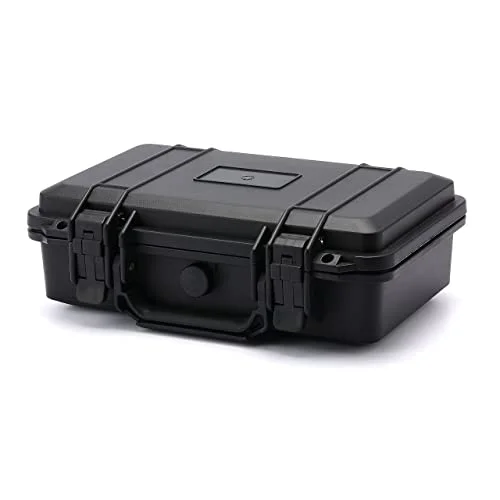 |
Mayouko Waterproof Hard Tool Case with Foam Insert – $22.97 A foam-lined, IP67 waterproof hard case protects the drill body from the exact transit damage this guide warns about, and keeps the trigger from engaging accidentally in a checked bag.
|
The most important thing to remember when flying with tools is that airport security, primarily the Transportation Security Administration (TSA) in the United States, has specific guidelines for what you can and cannot bring. These rules are in place for safety and security reasons. When it comes to drills, the main concerns revolve around the type of drill and its power source, particularly if it uses lithium-ion batteries.
Carry-On vs. Checked Baggage: What’s Allowed Where?
The biggest distinction is where you pack your drill. Generally, most electric drills without batteries are permitted in both carry-on and checked baggage. However, battery-powered drills present a different scenario, especially concerning the batteries themselves.
Carry-On Baggage
For your carry-on bag, the TSA’s primary concern is items that could be used as weapons or pose a security risk. Electric drills, for instance, are typically allowed because they are not considered sharp or a direct threat when the drill bit is removed. However, the batteries are a different story.
- Electric Drills (Corded): Generally permitted. The drill itself is usually fine.
- Battery-Powered Drills: This is where the complexity lies. The drill body is often allowed, but the batteries are subject to strict regulations, especially those containing lithium-ion cells.
Checked Baggage
Checked baggage has slightly different rules, but battery regulations still apply. Many airlines and security bodies prefer to keep powerful batteries out of the main cabin for fire safety reasons. If you are allowed to check batteries, they almost always need to be installed in the device or, if spare, must be protected from short circuits and packed securely.
- Electric Drills (Corded): Generally permitted.
- Battery-Powered Drills: The drill itself is usually allowed. However, the status of the batteries depends heavily on their type and size (watt-hour rating).
The Battery Dilemma: Lithium-Ion Regulations
This is the crucial part for most modern cordless drills. Lithium-ion batteries, common in most cordless power tools, are flagged for their potential to overheat and cause fires. Because of this, there are very specific rules:
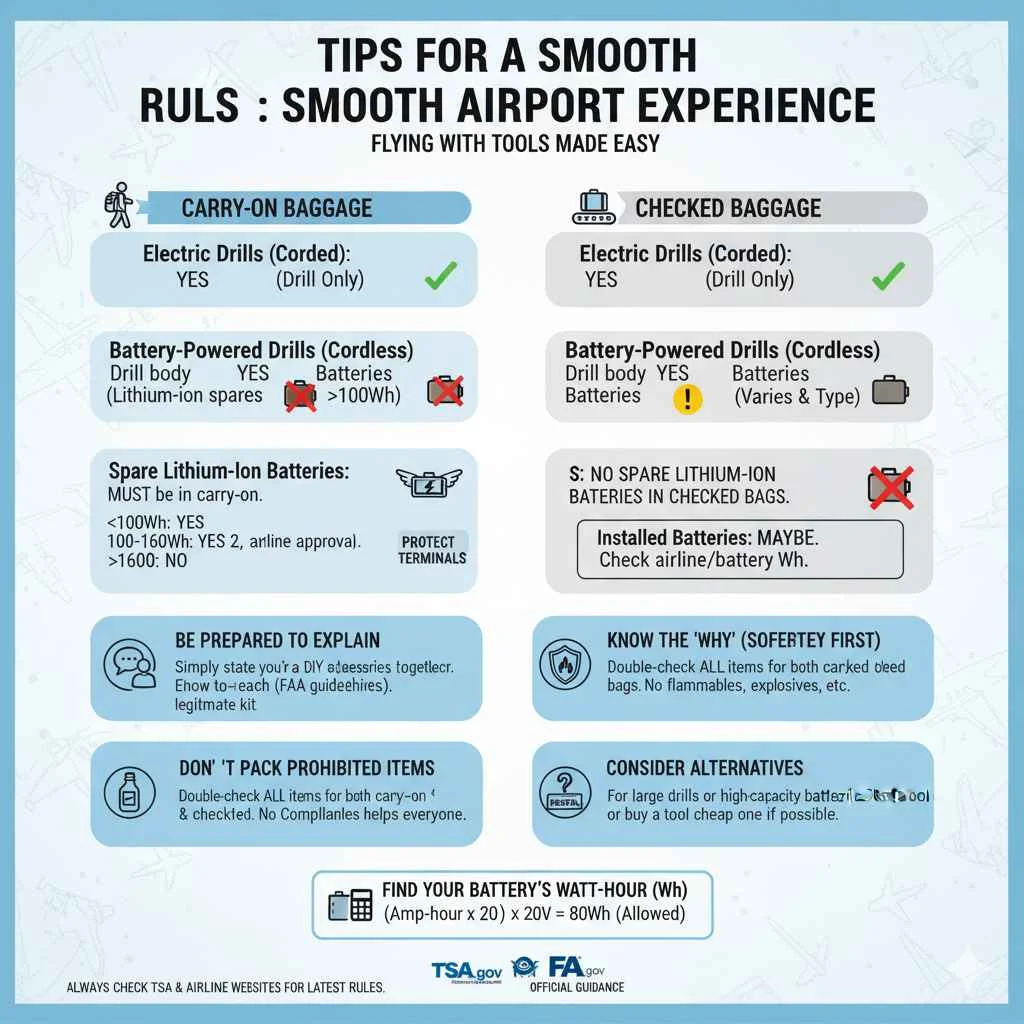
- Battery Size Matters: Regulations typically focus on the watt-hour (Wh) rating of the battery. The TSA allows lithium-ion batteries up to 100 Wh without approval. Many common power tool batteries fall within this range.
- Batteries Above 100 Wh but Below 160 Wh: These are usually allowed with a limit of two spare batteries per passenger. However, you’ll need airline approval for these.
- Batteries Over 160 Wh: These are generally prohibited on commercial flights.
- Spare Batteries: Spare lithium-ion batteries (without the tool) are almost always required to be in your carry-on baggage, not checked luggage. They must be protected from damage and short circuits, often by keeping them in their original retail packaging, a battery case, or by taping over the exposed terminals.
To find the Watt-hour rating for your battery, look for markings on the battery itself. It’s often calculated as: (Amp-hour rating) x (Voltage rating) / 1000 = Watt-hour rating. For example, a 20V, 4.0Ah battery is (4.0 x 20) / 1000 = 80 Wh. This would typically be allowed.
TSA and Airline Specifics
It’s vital to remember that while the TSA sets federal guidelines, individual airlines may have their own policies that are stricter. These can vary by domestic and international routes as well.
Where to find official information:
- TSA Website: The official TSA website provides a searchable database of what can and cannot be brought through security checkpoints. You can search specifically for “drills” and “batteries.”
- Your Airline’s Website: Always check the “special items,” “prohibited items,” or “battery policies” section of your airline’s website. Look for information regarding power tools and lithium batteries.
Tools That May Be Restricted
While most standard drills are manageable, some powered tools or related accessories might cross the line into prohibited items. Sharp drill bits, for instance, should always be removed and packed separately, preferably in checked luggage, or in your carry-on only if they are explicitly allowed by the TSA for carry-on and you can demonstrate they are for tool use and not weaponization. For absolute peace of mind, consider checking with the TSA directly via their social media channels (like Twitter) if you have specific concerns about an item not explicitly covered.
Packing Your Drill for the Plane: A Step-by-Step Guide
Following these steps will help you pack your drill correctly and avoid issues at the airport. It’s all about preparation and knowing the rules.
- Step 1: Identify Your Drill and Batteries First, know exactly what kind of drill you have. Is it corded or cordless? If cordless, what is the voltage and amp-hour rating of the battery? Find the Watt-hour (Wh) rating by checking the battery itself or consulting your tool’s manual or the manufacturer’s website. This is the most critical piece of information.
- Step 2: Check Battery Regulations Compare your battery’s Wh rating to the TSA guidelines:
- < 100 Wh: Generally allowed in carry-on and checked baggage (but spare batteries are best in carry-on).
- 100 Wh – 160 Wh: Allowed in carry-on and checked baggage with airline approval, usually limited to two spare batteries per passenger. These must be protected.
- > 160 Wh: Prohibited on most commercial flights.
- Step 3: Decide Where to Pack (Primary Location) Option A: Drill Body Only (No Battery)
- Carry-On: Perfectly fine.
- Checked Baggage: Also fine, but ensure it’s well-protected.
- Carry-On: Allowed IF the battery Wh rating is within limits (typically < 100 Wh and sometimes up to 160 Wh with airline approval). Protect the drill from accidental activation.
- Checked Baggage: Many airlines recommend or require batteries to be in carry-on, especially if over a certain Wh. If allowed, ensure the drill is protected from damage and accidental activation. The battery itself must also be installed and protected, or if spare, properly packaged.
- Drill Body: Can go in either carry-on or checked.
- Spare Batteries: Must go in your carry-on baggage. Ensure they are protected from short circuits (e.g., in original packaging, battery case, or terminals taped).
- Step 4: Protect Your Equipment Regardless of where you pack it, protect your drill and especially its batteries:
- Prevent Accidental Activation: Always ensure the trigger lock is engaged or disable the tool if possible. Many drills have safety switches.
- Battery Protection: If carrying loose batteries, use a specialized battery case, or place each battery in its original packaging. You can also tape over the terminals to prevent accidental contact.
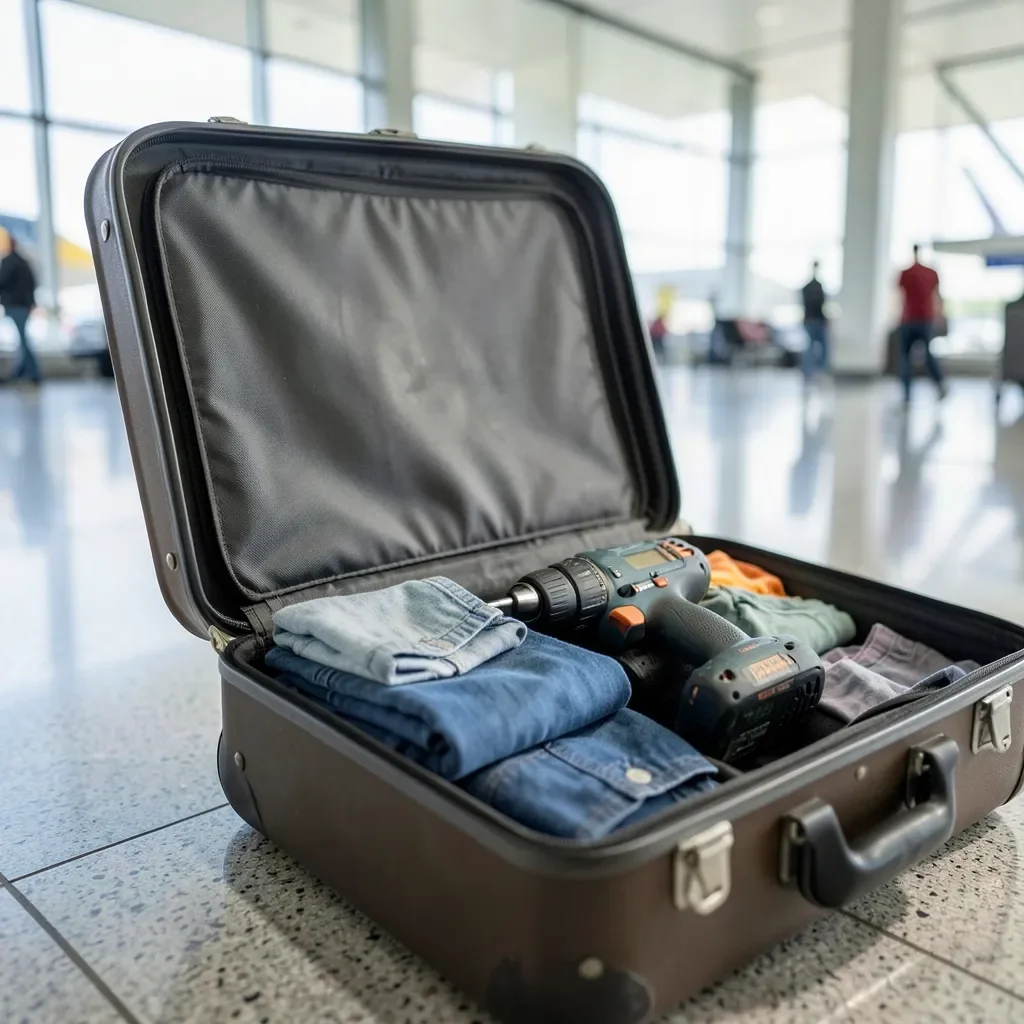
- Device Protection: Pad your drill with clothing or packing materials to prevent damage during transit.
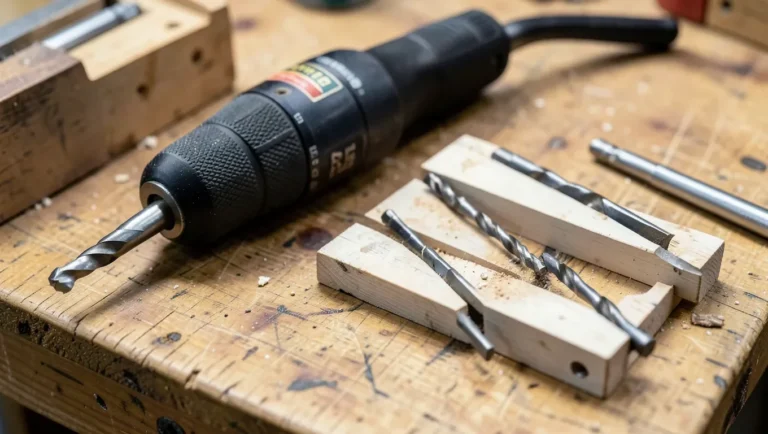
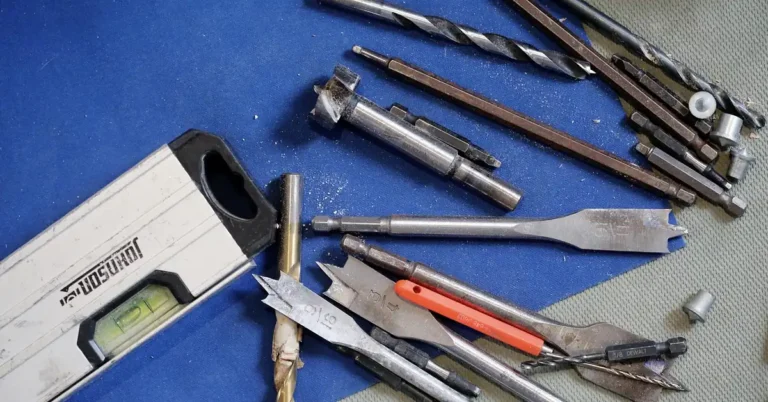
- Step 5: Remove Sharp Accessories Drill bits, especially larger or sharper ones, should be removed. TSA’s own item guidance is unconditional here — drill bits are not allowed in carry-on bags at all, regardless of size, so pack them in your checked baggage. A helpful resource for understanding tool-related rules is the TSA Prohibited Items List PDF, which is updated regularly.
- Step 6: Consult Your Airline and Prepare for Security Before you leave for the airport:
- Visit your airline’s website and the TSA website again.
- If your batteries are over 100 Wh but under 160 Wh, contact your airline well in advance to get explicit approval. Get this approval in writing if possible.
- Be prepared to explain your tools to security personnel. Having the drill bit removed and batteries properly stored can expedite the process.
Drill Bits and Accessories: What About Them?
Beyond the drill itself, you’ll likely be bringing drill bits, screws, and maybe other accessories. These also have specific guidelines:
Drill Bits
This is where it gets a bit more nuanced. Drill bits are essentially metal rods with cutting edges. While not as obviously dangerous as knives, they can be confiscated.
- General Rule: It is highly recommended to pack all drill bits and other sharp accessories in your checked baggage. This avoids any potential issues at the TSA security checkpoint.
- Carry-On Possibility: In some cases, small, standard drill bits might be allowed in carry-on if they are clearly for tool use and inseparable from the tool. However, the TSA officer has the final say. To err on the side of caution and avoid hassle, it’s always best to check them.
Screws, Nails, and Small Hardware
Small quantities of screws, nails, washers, and nuts are generally permitted in both carry-on and checked baggage. However, it’s wise to keep them in a secure container or bag to prevent them from scattering throughout your luggage or posing a puncture risk.
Toolboxes and Tool Bags
If you’re carrying a dedicated toolbox or tool bag, ensure it complies with standard airline size and weight restrictions for carry-on or checked luggage. The contents, as discussed, will need to adhere to the TSA’s regulations. Sometimes, TSA agents might want to inspect the contents of a tool bag more closely, so be prepared for that.
Comparing Drill Types for Travel
Different types of drills have slightly different travel considerations, though the battery is the primary factor.
Corded Drills
These are generally the simplest to travel with. The drill unit itself is allowed. The power cord is not a concern. The only consideration is securing the drill body to prevent damage.
| Feature | Carry-On | Checked Baggage |
|---|---|---|
| Drill Body | Yes | Yes |
| Power Cord | Yes | Yes |
| Accessories (e.g., bits) | Generally No (best checked) | Yes |
Cordless Drills (Battery-Powered)
As we’ve discussed, these are trickier due to battery regulations. The drill body is usually allowed in carry-on or checked. However, the batteries dictate where they can go and if they are allowed at all.
| Item | Carry-On Considerations | Checked Baggage Considerations |
|---|---|---|
| Drill Body (with < 100 Wh battery installed) | Yes (protected from accidental use) | Airline dependent (many prefer carry-on) |
| Drill Body (with spare batteries separate) | Yes | Yes |
| Spare Batteries (< 100 Wh) | Yes (protected from short circuits) | No (must be carry-on) |
| Spare Batteries (100-160 Wh) | Yes (2 max, airline approval needed, protected) | No (must be carry-on with approval) |
| Spare Batteries (> 160 Wh) | No | No |
| Accessories (e.g., bits) | Generally No (best checked) | Yes |
Impact Drivers & Other Power Tools
The rules for impact drivers, oscillating tools, sanders, and other battery-powered tools are largely the same as for drills. The power source (especially lithium-ion batteries) is the key factor. Always verify the Wh rating and check the specific airline’s policy.
Tips for a Smooth Airport Experience
Traveling with a drill is only one part of flying with woodworking gear — if you also need to bring lumber or a finished project, see our guide on taking wood on a plane for the separate rules that apply to raw materials.
Here are some extra tips to make your journey with your drill as seamless as possible:
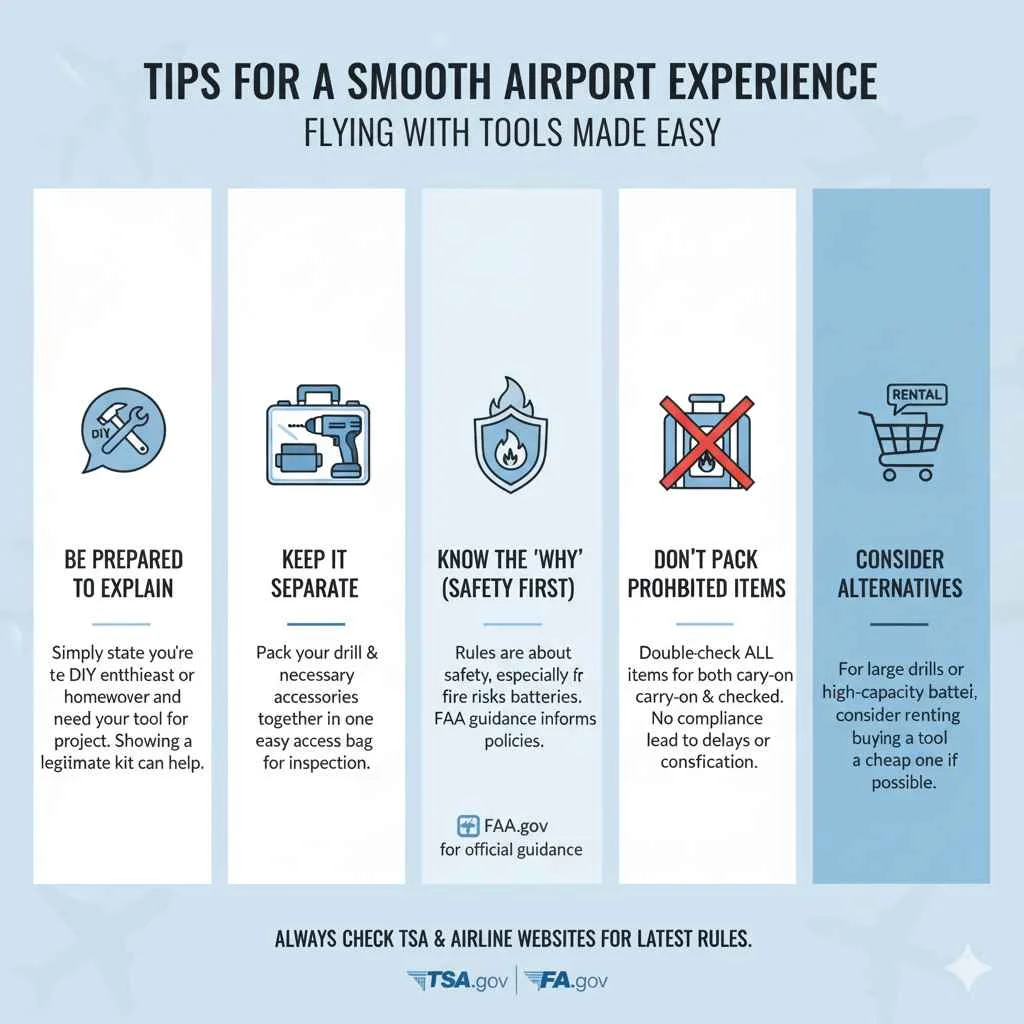
- Be Prepared to Explain: If asked, simply state you are a DIY enthusiast or homeowner and need your tool for a project. Showing it’s part of a kit for a legitimate purpose can help.
- Keep it Separate (When Possible): If you’re carrying a drill for a specific project, consider packing it and its necessary accessories together in one easy-to-access bag. This makes it simpler for security if they wish to inspect it.
- Know the “Why”: Understanding that rules are about safety, especially fire risks from batteries, helps you comply willingly and with less frustration. The Federal Aviation Administration (FAA) provides extensive guidance on lithium battery safety, which informs TSA policies.
- Don’t Pack Prohibited Items: Ensure all items in your checked luggage are permitted. Some items that are fine in checked bags might be prohibited entirely from aircraft, like certain flammable liquids or explosives.
- Consider Alternatives: If your drill is particularly large or has very high-capacity batteries that might cause issues, consider if you can rent a tool at your destination or purchase an inexpensive one upon arrival if the project is small and only requires a basic tool.
FAQs: Can I Bring a Drill on a Plane?
Here are answers to some common questions beginner DIYers have about flying with their tools.
Q1: Can I bring my cordless drill in my carry-on bag?
A: Generally, yes, the drill body is allowed. However, the batteries are the primary concern. If the battery is under 100 Wh, you can usually bring it in your carry-on, installed in the drill. Batteries between 100-160 Wh require airline approval. Always protect the drill from accidentally turning on.
Q2: What if my drill battery is larger than 160 Wh?
A: Batteries over 160 Wh are typically prohibited on commercial aircraft for safety reasons. You will likely not be able to bring it with you. Consider shipping it separately or using a different tool at your destination.
Do I need to remove the battery from my drill at airport security?
A: No, TSA does not require you to remove the battery from the drill for the X-ray screening itself, but the officer may ask to inspect the tool. What matters is the battery’s watt-hour rating, not whether it is installed or separate, except that spare (uninstalled) batteries must travel in carry-on baggage, never in checked luggage.
Conclusion
A drill is allowed on a plane in either carry-on or checked baggage — the only real gatekeeper is the lithium-ion battery’s watt-hour rating. Do the Wh math before you pack, keep spare batteries in your carry-on with the terminals protected, and check drill bits in your luggage to avoid a checkpoint delay.
Sponsored / affiliate links. As an Amazon Associate I earn from qualifying purchases. I may earn additional commission from eligible campaigns.