Can I Use Mr. Clean on Hardwood Floors Cleaning Tips
Figuring out the best way to clean your beautiful hardwood floors can sometimes feel tricky. Many people wonder, Can I Use Mr. Clean on Hardwood Floors?
Cleaning Tips are often sought after because Mr. Clean is a common household cleaner. It’s a good question to ask because you want to keep your floors looking great without causing any damage.
Don’t worry, we’ll walk through exactly what you need to know in a simple, easy-to-follow way. We’ll cover everything to help you make the right choice for your wood floors.
Is Mr. Clean Safe for Hardwood Floors
This is the big question many homeowners have when they reach for that familiar bottle of Mr. Clean. The truth is, it’s not a straightforward yes or no answer.
Mr. Clean is a versatile cleaner, but its effectiveness and safety on hardwood floors depend heavily on the specific formula and how it’s used. Some Mr.
Clean products contain ingredients that can be too harsh for the protective finish on hardwood, leading to dullness, cloudiness, or even stripping away the sealant over time. This is why it’s important to be very careful and informed.
The finish on your hardwood floors is what protects the wood itself from moisture, scratches, and everyday wear and tear. When you use a cleaner that’s too strong or has the wrong pH balance, it can break down this finish. This is a common mistake for beginners because they assume a “multi-surface cleaner” is safe for all surfaces.
However, hardwood floors are delicate and require specialized care to maintain their beauty and longevity. Understanding the nuances of your floor’s finish and the ingredients in your cleaning products is key.
Understanding Hardwood Floor Finishes
Hardwood floors are typically protected by a sealant or finish. This layer is what gives the floor its shine and prevents damage. There are two main types of finishes you’ll commonly find on hardwood floors: surface-sealed and penetrating-sealed.
Surface-sealed floors, which are more common in modern homes, have a protective coating applied directly to the top of the wood. Polyurethane, urethane, and acrylic are popular examples of surface finishes. These finishes are durable but can be sensitive to harsh chemicals.
Penetrating seals, on the other hand, soak into the wood grain itself, providing protection from within. These finishes are less common and often found in older homes or on floors with a more natural, matte look. They can be more susceptible to staining but are generally less affected by surface cleaners.
However, even with penetrating seals, overuse of certain chemicals can still lead to discoloration or weakening of the wood over time. Knowing your floor’s finish type is the first step in choosing the right cleaning products.
Surface Finishes Explained
Surface finishes, like polyurethane, create a protective barrier on top of the wood. This barrier is designed to withstand spills and general foot traffic. However, it’s not indestructible.
Certain cleaning agents can degrade this barrier, causing it to become dull, streaky, or even peel away. Think of it like a protective coating on your phone screen; while it protects, aggressive scrubbing with the wrong cleaner can still leave marks.
Polyurethane is a very common and durable finish. It’s usually found in satin, semi-gloss, or high-gloss sheens. The higher the gloss, the more visible any dulling or streaking might be.
If your floors have a polyurethane finish, you need to be extra careful about what you use. Harsh solvents or alkaline cleaners can break down the polyurethane, leaving behind that dreaded cloudy appearance.
Penetrating Finishes Explained
Penetrating finishes are more about protecting the wood from the inside out. These are often oil-based finishes or wax finishes that soak into the wood fibers. While they offer a more natural look and feel, they also tend to be less resistant to staining and wear compared to surface finishes.
With penetrating finishes, the focus is more on maintaining the wood’s natural character rather than protecting a surface layer.
Wax finishes, in particular, require special care. They build up over time and can create a beautiful sheen, but using a cleaner that isn’t compatible with wax can lead to a sticky residue or a dulling of the finish. It’s like trying to clean a waxed car with a dish soap – it might get it wet, but it can also strip away the wax.
For these floors, gentle, pH-neutral cleaners are usually best.
Why Mr. Clean Might Not Be Ideal for Hardwood
Mr. Clean, in many of its general-purpose formulations, is designed to tackle a wide range of messes on various surfaces. This often means it contains alkaline ingredients or surfactants that are effective at cutting through grease and grime.
While this is great for kitchen counters or bathroom tiles, these same properties can be detrimental to the protective finish on hardwood floors.
The pH balance of a cleaner is critical for hardwood. Most hardwood finishes are best cleaned with pH-neutral solutions. Cleaners that are too acidic or too alkaline can strip away the finish, leave behind residue, or cause the wood to swell or warp.
Mr. Clean products often fall outside the ideal pH range for hardwood floors, especially those with a polyurethane or urethane finish. This is a key reason why it’s often advised against.
Consider this scenario: You spill some greasy food on your kitchen floor. Mr. Clean might be fantastic at lifting that grease.
But then, you use the same concentrated solution on your hardwood living room floor. The grease-lifting power might also be lifting and damaging the sealant, leading to problems down the line. It’s a trade-off that’s usually not worth the risk for valuable hardwood.
Harsh Chemicals and Wood Finish
Many common household cleaners, including some versions of Mr. Clean, contain chemicals that are simply too aggressive for wood finishes. Ammonia, for instance, is a common ingredient in some multi-surface cleaners and can dull the finish of hardwood floors.
It works by breaking down the protective coating, making it look hazy and worn.
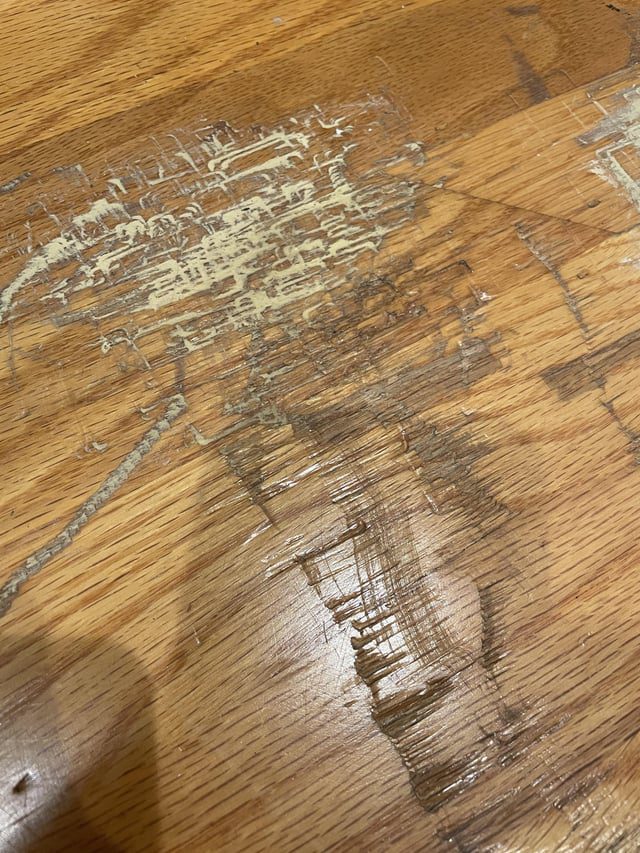
Other ingredients, like certain solvents or strong detergents, can also strip away the sealant. This exposes the wood itself to moisture and dirt, making it more prone to damage and staining. Over time, using these types of cleaners can permanently alter the appearance of your hardwood floors, making them look dull, discolored, or even damaged.
It’s like using an abrasive scrub pad on a delicate piece of furniture – the damage is often irreversible.
The Risk of Residue and Dullness
Even if a Mr. Clean product doesn’t immediately damage the finish, it can leave behind a residue. This residue can attract more dirt and dust, making your floors look dull and feel sticky.
Over time, this build-up can become difficult to remove and can obscure the natural beauty of the wood grain. You might find yourself cleaning more often, but the floors never seem to get truly clean or shiny.
This residue is often a result of the cleaner not being fully rinsed away or reacting with the floor’s finish. Imagine trying to clean a window with a product that leaves streaks; it defeats the purpose of cleaning. For hardwood floors, this residue can create a hazy film that diminishes the shine and can even make the floor slippery.
Safe Alternatives to Mr. Clean for Hardwood
Since Mr. Clean isn’t usually the best choice, what should you use instead? Fortunately, there are many effective and safe cleaning options specifically designed for hardwood floors.
The key is to look for products that are pH-neutral and specifically state they are safe for finished hardwood. Many reputable brands offer specialized hardwood floor cleaners that will do an excellent job without risking damage.
When in doubt, a simple solution of water and a small amount of mild dish soap (ensure it’s not a degreaser formula) can be used, but it must be heavily diluted and the floor must be only damp, never wet. Always wring out your mop until it’s almost dry. The goal is to clean the surface without letting excess moisture seep into the wood or its seams.
Specialized Hardwood Floor Cleaners
Many companies now produce cleaners formulated precisely for hardwood floors. These products are often pH-balanced to be gentle on the finish. They are designed to clean effectively, lift dirt and grime, and leave a streak-free shine.
Brands like Bona, Swiffer WetJet Wood, and Bruce offer popular and well-regarded hardwood floor cleaners.
When choosing a cleaner, always read the label carefully. It should explicitly state that it is safe for use on finished hardwood floors. Look for terms like “pH-neutral,” “no-rinse,” or “streak-free.” These indicate that the product is formulated with your wood floors in mind.
Some even have specific instructions for different types of finishes, such as polyurethane or wax.
Here’s a quick comparison of what to look for:
| Good for Hardwood | Avoid for Hardwood |
|---|---|
| pH-neutral cleaners | Ammonia-based cleaners |
| Cleaners specifically labeled for hardwood | General all-purpose cleaners |
| Water-based solutions | Oil soaps (can build up residue) |
| Minimal moisture | Excessive water or steam |
DIY Cleaning Solutions
For those who prefer a more natural approach or want to save money, simple DIY cleaning solutions can also be effective. A popular and generally safe DIY cleaner for hardwood floors involves mixing a small amount of white vinegar with water. However, this needs to be done with caution.
A common DIY recipe is one cup of water mixed with one-quarter cup of white vinegar. The acidity of the vinegar can help cut through grime and leave a shine. However, it’s crucial to use this mixture sparingly and ensure the mop is only slightly damp, not wet.
Too much vinegar or too much water can still damage the finish over time. It’s best to test this in an inconspicuous area first.
Another option is to use a very small amount of mild dish soap (like Dawn, but not the degreaser versions) mixed with water. Again, the key is dilution and minimal moisture. A tablespoon of soap in a gallon of water is usually more than enough.
Always wring out your mop thoroughly so it’s just damp.
A crucial point with DIY cleaners is their pH. While vinegar is acidic, and many detergents are alkaline, the extreme dilution in water often brings the pH closer to neutral, making them less risky. However, the effectiveness can vary.
For instance, data from consumer testing shows that while a diluted vinegar solution can remove some surface dirt, a dedicated hardwood cleaner often performs better at tackling tougher grime and leaving a more even shine.
How to Clean Hardwood Floors Safely
Cleaning hardwood floors doesn’t have to be complicated, even if you’re new to it. The fundamental principles are to use the right products, the right tools, and the right technique. By following these steps, you can keep your floors looking beautiful for years to come.
The most important thing is to avoid saturating the wood with water, as this is the quickest way to cause damage like warping or cupping.
Always start by sweeping or vacuuming your floors to remove loose dirt, dust, and debris. This prevents scratches that can occur if grit is dragged across the floor during the mopping process. Once the surface is clear, you can proceed with damp mopping.
A good microfibre mop is an excellent tool for this, as it can pick up dirt effectively and requires less moisture than traditional mops.
Step-by-Step Cleaning Process
Here’s a simple, step-by-step guide to safely clean your hardwood floors:
- Preparation: Clear the floor of any furniture, rugs, or objects that might be in your way. This will allow you to clean the entire surface effectively.
- Dry Cleaning: Sweep or vacuum your hardwood floors thoroughly. Use a vacuum cleaner with a soft brush attachment or a hardwood floor setting to avoid scratching the surface. Pay attention to corners and edges where dust tends to accumulate.
- Prepare Your Cleaning Solution: If using a commercial hardwood floor cleaner, follow the instructions on the bottle. If using a DIY solution (like diluted vinegar or mild soap and water), mix it in a bucket. Ensure you are using a pH-neutral or slightly acidic solution.
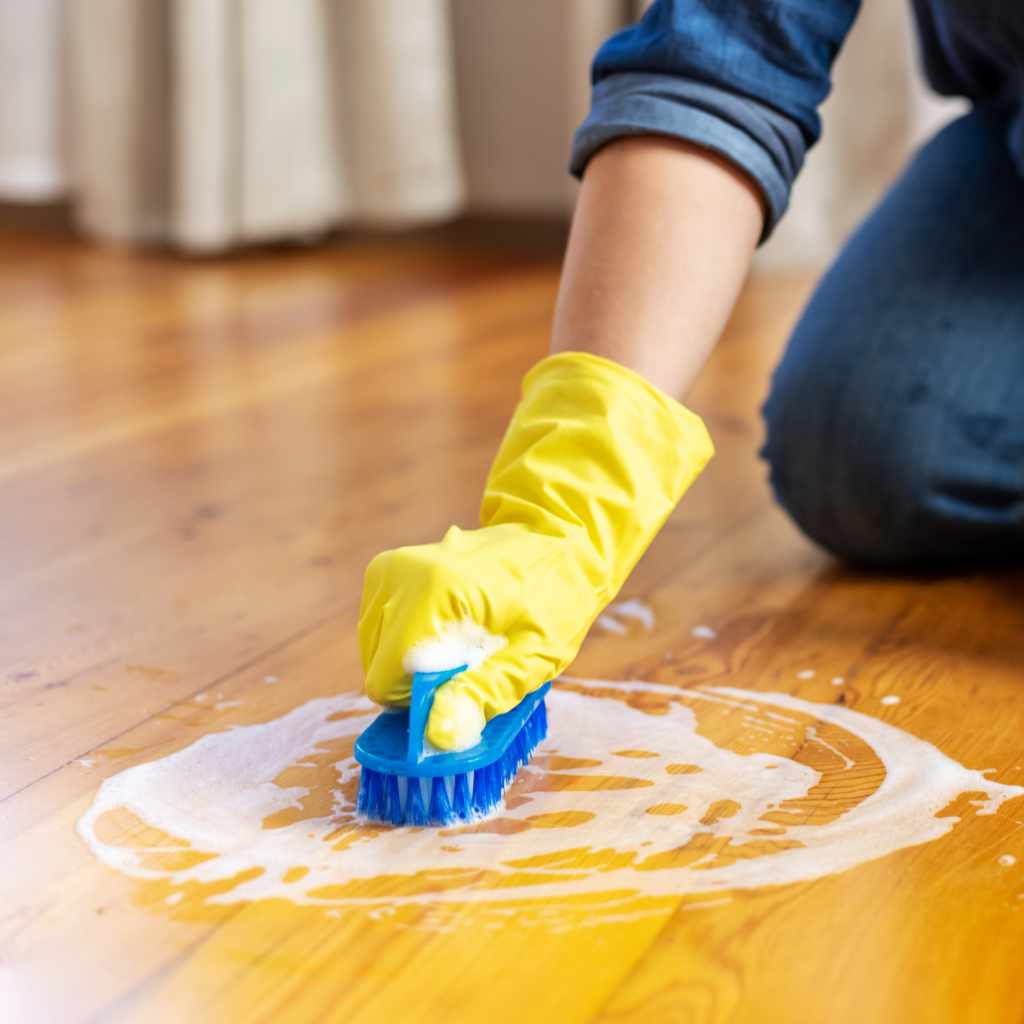
- Damp Mop: Dip your microfibre mop into the cleaning solution. Wring it out thoroughly until the mop is just damp, not dripping wet. The goal is to lightly clean the surface, not to saturate it.
- Mop the Floor: Mop your hardwood floors in sections, working from the farthest corner of the room towards the exit. This prevents you from walking on the freshly cleaned floor. Use smooth, even strokes.
- Rinse (If Necessary): Most modern hardwood floor cleaners are no-rinse formulas. If you used a DIY solution with soap or if the cleaner’s instructions say to rinse, use a separate mop with clean water, again wrung out until barely damp.
- Drying: Allow the floor to air dry completely. If there are any damp spots, you can lightly buff them with a clean, dry microfibre cloth. Ensure good ventilation in the room to speed up drying.
Tools and Techniques to Use
The right tools make a significant difference in cleaning hardwood floors safely and effectively. A high-quality microfibre mop is a must-have. Microfibre pads are excellent at trapping dirt and dust particles and absorb less liquid than traditional mop heads, making it easier to achieve a damp, not wet, clean.
Look for mops with a spray function for even more control over moisture.
When vacuuming, always use a vacuum cleaner designed for hard floors or one with a beater bar that can be turned off. A beater bar can scratch or damage the finish if it’s spinning aggressively. A soft-bristle brush attachment for your vacuum is ideal for getting into crevices and along baseboards.
For spot cleaning, a soft cloth or paper towel can be used with a hardwood floor cleaner. If you have a stubborn spot, like dried mud or scuff marks, you can gently work at it with a soft cloth dampened with your chosen cleaner. Avoid using abrasive pads or brushes, as these will scratch the finish.
The Importance of Regular Maintenance
Regular maintenance is key to keeping your hardwood floors looking their best and can even extend their lifespan. This involves more than just occasional deep cleaning. It includes daily habits that prevent damage and keep the floors clean between washes.
Consistent care makes the job of deep cleaning easier and less frequent.
A major part of regular maintenance is preventing dirt and grit from being tracked onto the floor in the first place. This might seem obvious, but it makes a huge difference. Implementing a good entryway mat system and encouraging people to remove their shoes indoors are simple, yet highly effective, strategies.
Preventing Scratches and Wear
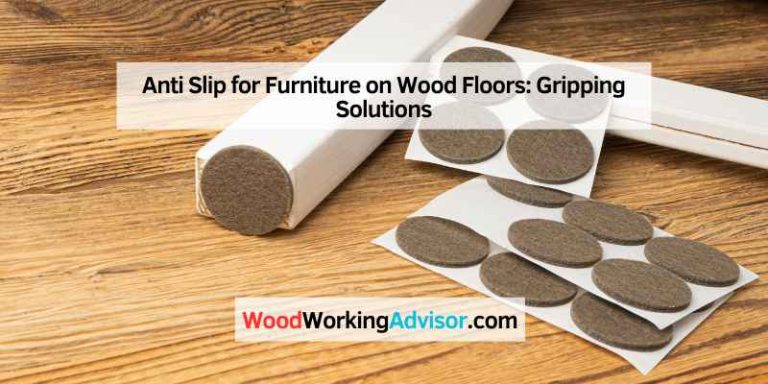
Scratches are one of the most common forms of damage to hardwood floors. They can occur from furniture, pet claws, shoes with rough soles, or even grit being dragged across the floor. To prevent scratches, consider using felt pads on the bottom of all furniture legs.
These are inexpensive and can be replaced as they wear down.
For chairs that are frequently moved, such as at a dining table or desk, consider using chair mats. These mats create a smooth surface that prevents the wheels or legs from digging into the wood. Keep pet nails trimmed regularly to minimize the risk of them scratching the floors.
Regular sweeping or vacuuming daily or every other day can remove abrasive particles that could cause micro-scratches. These tiny scratches, over time, can dull the finish and make the floor look worn. A quick sweep can prevent a lot of long-term damage.
Statistics show that homes with pets can see a 20% increase in floor wear if preventative measures are not taken.
Protecting from Moisture Damage
Moisture is the enemy of hardwood floors. Even finishes that are water-resistant are not waterproof. Spills should be wiped up immediately.
Don’t let water sit on the floor, especially in seams where it can seep into the wood. This can lead to swelling, warping, and discoloration.
When cleaning, always remember the “damp, not wet” rule. This is crucial for preventing moisture damage. Avoid using steam mops on hardwood floors, as the heat and excessive moisture can damage the finish and the wood itself.
Many manufacturers explicitly advise against steam cleaning.
Consider these real-life examples of moisture damage. A homeowner in Seattle, known for its rain, experienced significant cupping and warping in their hardwood floors after a particularly wet winter. This was exacerbated by an older, less effective sealant and the use of a mop that was too wet during cleaning.
Another case involved a kitchen spill of a large pot of water that was left unattended for several hours, causing dark stains and localized swelling that required professional repair.
To safeguard against moisture, ensure that potted plants are placed on waterproof trays. Also, check for any leaks from appliances like refrigerators or dishwashers and address them promptly.
Frequently Asked Questions
Question: Can I use Mr. Clean Multi-Surface Cleaner on my hardwood floors
Answer: It’s generally not recommended to use Mr. Clean Multi-Surface Cleaner on hardwood floors. Its formula can be too harsh and may damage the floor’s finish over time, leading to dullness or cloudiness.
Question: What is the best way to clean finished hardwood floors
Answer: The best way to clean finished hardwood floors is to use a pH-neutral cleaner specifically designed for hardwood, or a highly diluted solution of mild dish soap and water. Always use a damp, not wet, mop.
Question: Will using Mr. Clean damage my hardwood floors
Answer: Yes, consistent use of Mr. Clean, especially certain formulations, can damage your hardwood floors by stripping away the protective finish, causing dullness, streaking, or even permanent cloudiness.
Question: How often should I clean my hardwood floors
Answer: Daily sweeping or vacuuming is recommended to remove debris. Damp mopping should be done as needed, typically once a week or every two weeks, depending on traffic and how dirty they get.
Question: What should I do if I’ve accidentally used Mr. Clean on my hardwood floors
Answer: If you’ve used Mr. Clean and notice dullness or streaking, immediately clean the floor with a cleaner specifically made for hardwood floors, using a damp mop. You may need to repeat this process to remove any residue and try to restore the shine.
Final Thoughts
Deciding on the right cleaning products for your hardwood floors is an important step in keeping them beautiful and well-preserved. When considering if you Can I Use Mr. Clean on Hardwood Floors?
Cleaning Tips, the answer leans towards caution. The strong cleaning agents in many Mr. Clean formulas, while effective on other surfaces, can be too aggressive for the delicate finish of hardwood.
This can lead to dulling, streaking, or even stripping away the protective sealant that keeps your floors looking great.
Instead of reaching for general-purpose cleaners, opt for specialized hardwood floor cleaners that are pH-neutral and designed to be gentle. These products are formulated to effectively clean without harming the finish. Simple, DIY solutions like highly diluted white vinegar or mild dish soap can also work, provided they are used sparingly with a barely damp mop.
The goal is always to clean with minimal moisture.
Regular maintenance plays a huge role in the longevity of your hardwood floors. Daily sweeping or vacuuming, using doormats, and encouraging a shoe-free policy indoors can significantly reduce wear and tear. Protecting your floors from scratches by using furniture pads and from moisture by wiping up spills immediately are also key practices.
By understanding your floor’s finish and choosing the right cleaning methods, you can ensure your hardwood floors remain a stunning feature of your home for years to come. Make informed choices today for a beautiful tomorrow.