Screwdriver Instead of a Drill? What Works and What Doesn’t
Yes, a screwdriver can replace a drill for driving small screws, but it can never replace a drill for making holes. Manual and electric screwdrivers are fine for flat-pack furniture, hinges and hardware in soft materials. The catch most guides skip: in real wood, the screw usually needs a pilot hole, and a screwdriver cannot make one. This guide shows which jobs work, the pilot hole sizes to use, and how to start a screw without a drill.
When a Screwdriver Is Enough (and When It Is Not)
The real dividing line is not the tool, it is the hole. A screwdriver only turns a screw. If the hole already exists (flat-pack furniture, factory-drilled hinge plates, a hole you started with an awl), a screwdriver does the job. If the wood needs a hole first, you need a drill, a hand drill or a pointed hand tool that can start the screw.
Best Cordless Screwdriver Pick | |
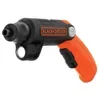 |
BLACK+DECKER 4V MAX Cordless Screwdriver with LED Light (BDCSFL20C) A small rechargeable screwdriver with a 3-position pivoting handle and a built-in LED, made for the small-screw jobs where a full drill is overkill.
|
As an Amazon Associate we earn from qualifying purchases. | |
| Job | Manual screwdriver | Electric screwdriver | Drill/driver |
|---|---|---|---|
| Flat-pack furniture, pre-drilled holes | Works, slow | Best choice | Overkill, easy to over-drive |
| Cabinet hinges and drawer slides | Works, best feel | Works well | Works, use low clutch setting |
| Small screws into softwood (pine, cedar) | Works with an awl-started hole | Works | Works |
| Screws into hardwood (oak, maple) | Hard, needs a drilled pilot hole first | Needs a pilot hole first | Best choice |
| Long deck or framing screws | Not practical | Not enough torque | Best choice |
| Making any hole (pilot, dowel, wire) | Cannot | Cannot | Only option (or a hand drill) |
This table is our summary of how the tools behave, not a lab test. Screw and wood variables change results, so treat it as a starting point.
The Missing Piece: Pilot Holes
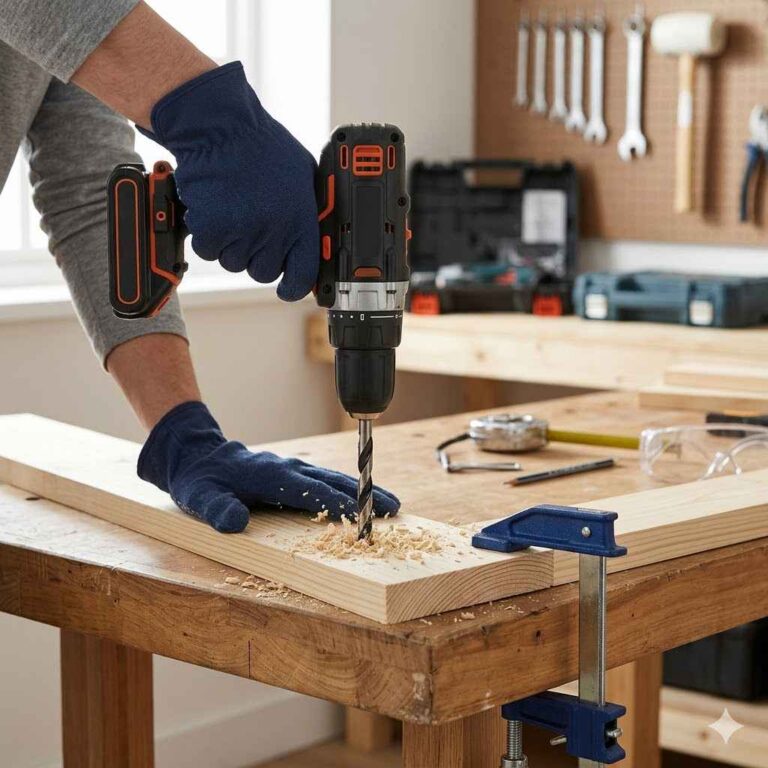
A pilot hole is a narrow hole the screw threads into. It keeps dense wood from splitting and lets the screw seat straight. The common myth is that a screwdriver alone can handle any wood screw. In softwood and small screws it often can. In hardwood, or near an edge or end grain, a screw driven without a pilot hole can split the board, and hand-driving a stuck screw is the fastest way to strip the head.
Pilot and clearance hole sizes by screw gauge
This reference chart lists the drill bit sizes for common wood screw gauges. “Bradawl” means a hand-started hole is enough in softwood for the smaller gauges, so no drill is needed there.
| Screw gauge | Clearance hole (top piece) | Pilot hole, softwood | Pilot hole, hardwood |
|---|---|---|---|
| #4 | 7/64 in. | Bradawl | 1/16 in. |
| #6 | 9/64 in. | 1/16 in. | 5/64 in. |
| #8 | 11/64 in. | 5/64 in. | 3/32 in. |
| #10 | 3/16 in. | 3/32 in. | 7/64 in. |
| #12 | 7/32 in. | 7/64 in. | 1/8 in. |
One caution: pilot hole charts are not standardized. Another published chart we checked lists a pilot one bit size larger for #8 and #10 screws in both softwood and hardwood. The safe method is to test on a scrap of the same wood. If the screw drives with heavy resistance or the wood shows a hairline crack, go up one bit size. If the screw spins without biting, go down one.
How to Start a Screw Without a Drill
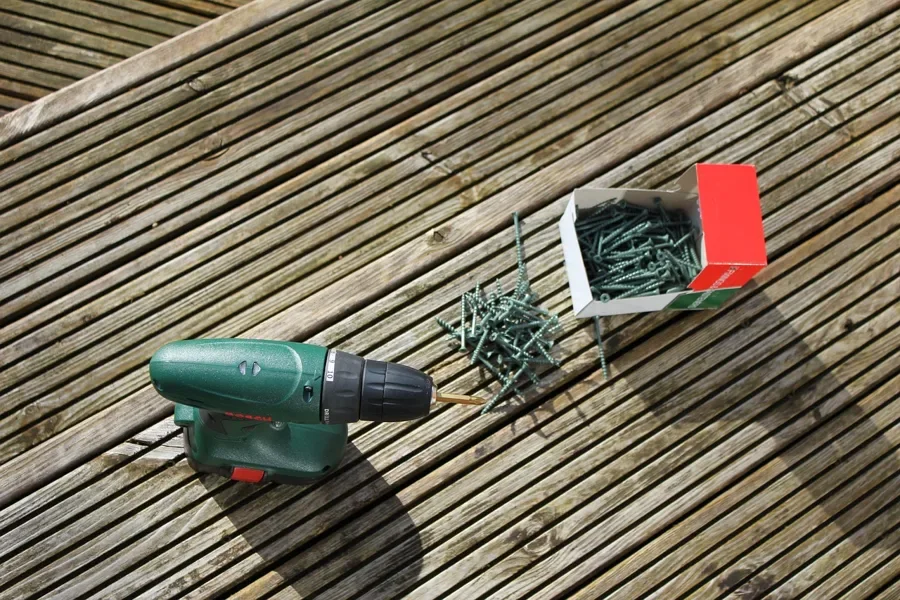
If you only have a screwdriver, you can still get a screw started in softwood and thin stock with a hand-made pilot hole. It is slower and less precise than drilling, so use it for small screws only.
- Mark the spot: use a pencil or a light tap of an awl so the screw cannot wander.
- Make a starter hole: press and twist a bradawl or awl straight into the wood, or push a thin finish nail in and pull it out. Keep it narrower than the screw core so the threads still bite.
- Wax the threads: rubbing the screw on a candle or bar of soap reduces friction, which makes hand-driving easier and lowers the chance of stripping the head.
- Seat the bit firmly: press straight down into the screw head so the tip cannot slip.
- Turn slowly and stop when snug: forcing the last quarter turn is how heads strip and thin boards split.
Clamp the workpiece before you start. A screwdriver that slips can puncture a hand holding the wood, and this is a common source of hand injuries. Keep your free hand behind or beside the screw, never in front of the tip.
Manual vs Electric Screwdriver: Which Do You Need?
Manual screwdrivers
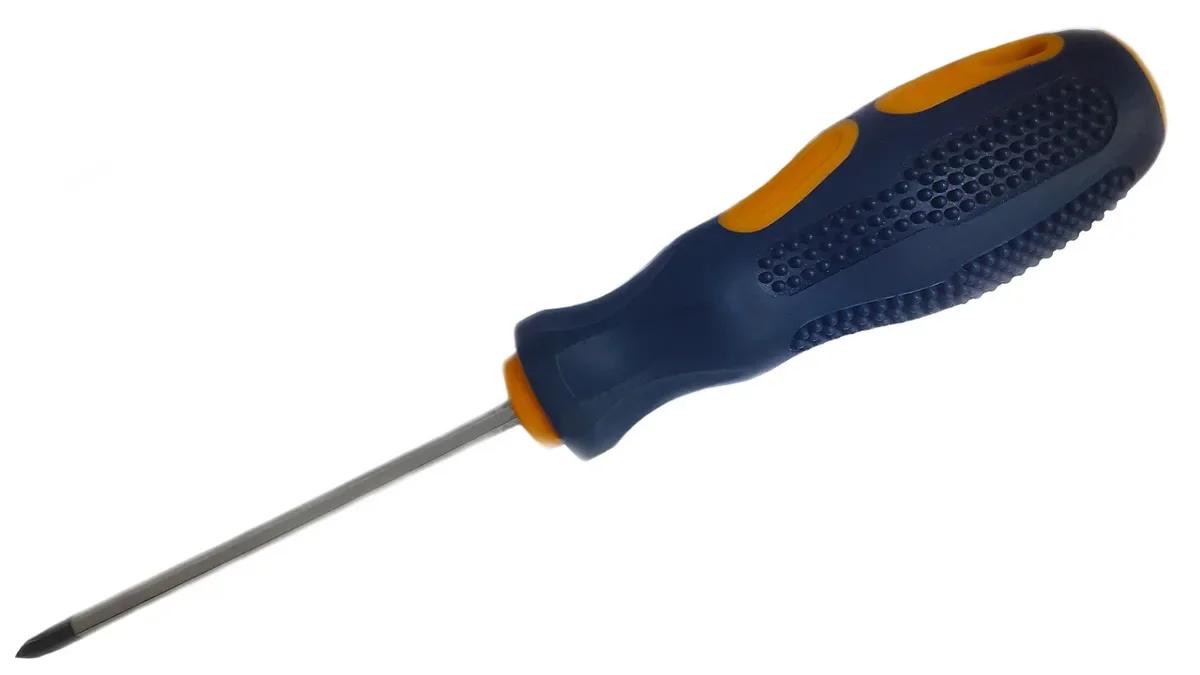
A manual screwdriver gives the best feel and is silent. It suits delicate work, single screws and tight spots. It costs the most effort on long runs of screws, and fit matters: the tip must match the screw head, or it will chew the head. Phillips drivers are widely described as designed to slip out (cam out) under high torque, while Torx and Robertson (square) heads grip better, which is why many modern wood screws use them.
Electric screwdrivers
An electric screwdriver is a lighter, smaller cousin of a drill-driver. It saves your wrist on repetitive jobs like assembling furniture. Look for a forward/reverse switch and a torque setting or clutch if you plan to drive screws into soft materials. Most small models are meant for small screws and cannot make holes, so they replace the manual screwdriver rather than the drill. If you want a related comparison, see our guide to a drill versus an electric screwdriver.
When to use a drill instead
- You need a hole: pilot holes, dowel holes, wire passes. Only a drill (or a hand brace or eggbeater drill) can do this.
- Hardwood or dense material: a pilot hole is close to mandatory, so a drill is the right tool.
- Long or thick screws: deck screws, lag screws and framing screws need the torque a drill-driver supplies.
- Many screws in one session: a fence or deck means hundreds of turns, and a drill saves real time.
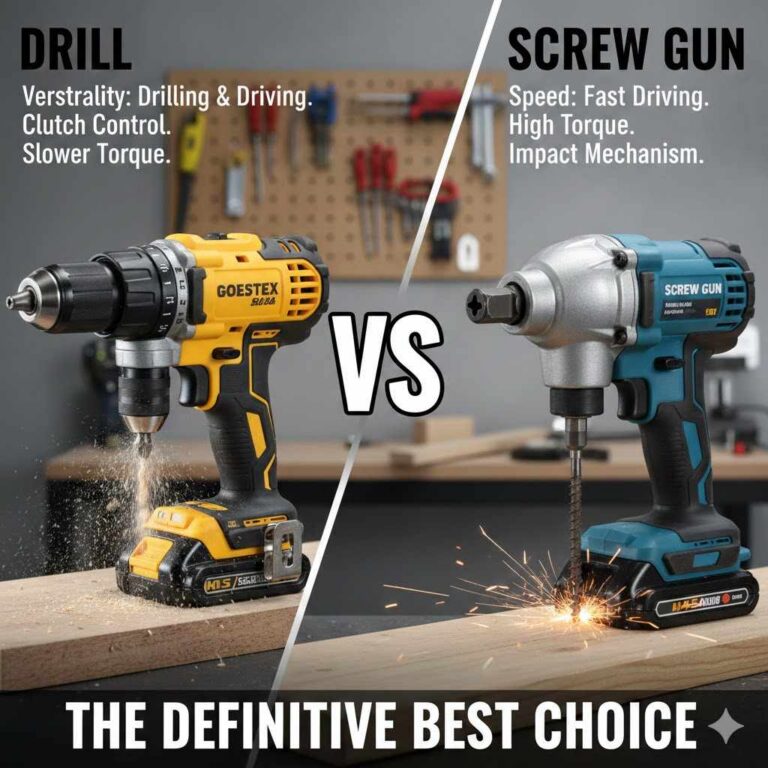
Going the other way is fine too: a drill with a driver bit works as a screwdriver, which we cover in can a drill be used as a screwdriver. For the differences between a drill and a dedicated screw driving tool, see drill vs screw gun and drill vs drill driver.
Common Mistakes When Using a Screwdriver Instead of a Drill
- Skipping the pilot hole in hardwood: leads to split boards and stripped heads.
- Using the wrong bit size: a bit that is too small or too large wobbles and strips the head. For matching the right tip, see drill bit vs driver bit.
- Driving too close to an edge: even softwood splits near the end of a board, so drill the pilot or move the screw in.
- Over-tightening in soft material: a screw driven too far spins in its hole, and you will need to fix the stripped screw hole.
- Trying to hang something heavy: anchors and stud screws need a drilled hole, see how to screw into a stud.
Frequently Asked Questions
Can I use a screwdriver instead of a drill to put in screws?
Yes, for small screws in soft materials or in holes that are already drilled. It works well for flat-pack furniture and hardware. It does not work well for long screws, hardwood without a pilot hole, or any job that needs a hole made first.
Can a screwdriver drill a hole?
No. A screwdriver only turns a screw. To make a hole you need a drill, a hand brace or a hand drill. For softwood and small screws, an awl or bradawl can start a hole without a drill.
Do I need a pilot hole if I use a screwdriver?
In softwood and small screws you can often start the screw with a bradawl. In hardwood, near edges or with larger screws, you should drill a pilot hole first, because the screw can otherwise split the wood or strip its head.
Is an electric screwdriver as good as a drill?
No, they do different jobs. An electric screwdriver is lighter and better for small screws and repetitive assembly, but most cannot drill holes and lack the torque for long screws. A drill-driver handles both drilling and heavier driving.
Can I assemble IKEA furniture with just a screwdriver?
Yes. Flat-pack holes are pre-drilled, so a manual screwdriver works, and an electric screwdriver is faster. Use a low torque setting on particleboard, since over-tightening can strip the hole.
Conclusion
A screwdriver is the right tool when the hole already exists and the screw is small. It is the wrong tool for making holes and for long screws in dense wood. Match the pilot hole to the screw gauge using the chart above, test on scrap, and use a drill whenever the job needs one. For stuck or stripped screws afterward, see our guide on removing a stripped screw without a drill.
Sponsored / affiliate links. As an Amazon Associate I earn from qualifying purchases. I may earn additional commission from eligible campaigns.