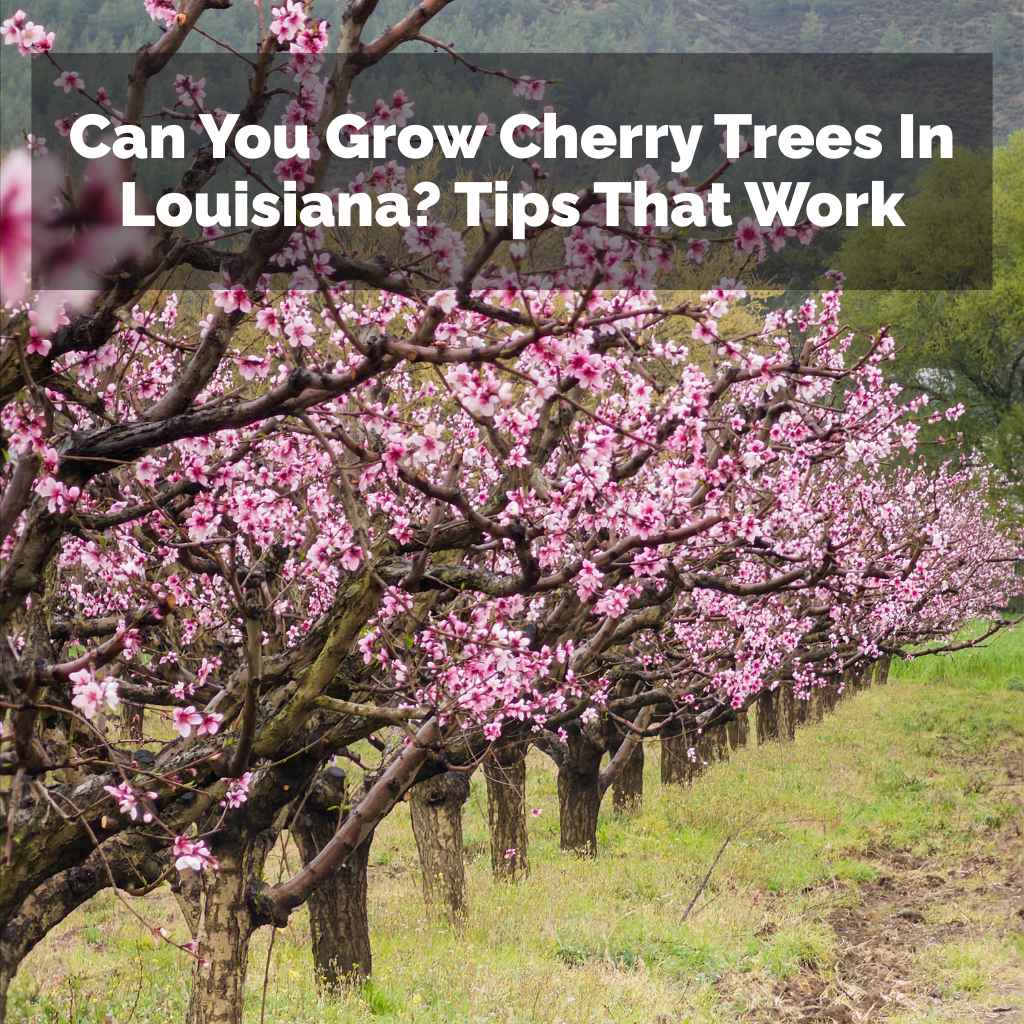
Can You Grow Cherry Trees In Louisiana? Tips That Work
Yes, it is possible to grow cherry trees in Louisiana, but with careful variety selection and specific care. You need to choose heat-tolerant varieties and manage disease and pest pressures common in humid climates.
Understanding Cherry Tree Needs
Cherry trees are popular for their beautiful spring blooms and delicious fruit. But they aren’t always easy to grow. They have a chill hour requirement.
This means they need a certain number of hours below a specific temperature each winter. Most sweet cherry trees need more chill hours than tart cherries. Louisiana winters can be mild.
Sometimes they don’t get enough cold. This can stop the trees from flowering and setting fruit properly.
Another big challenge is disease. Warm, wet weather is perfect for fungi. Cherry trees can get leaf spot and other problems.
These diseases can weaken the tree. They can also reduce your fruit yield. Pests are also a concern.
Fruit flies and birds love cherries. You need to think about these things when planning your orchard.
Even with these challenges, many gardeners in the South find success. It’s all about knowing what to look for. It’s about giving the tree the best start.
And it’s about being ready to help it through the seasons.
Cherry Tree Varieties for Louisiana
The most important step for growing cherries in Louisiana is choosing the right type. Not all cherry trees are created equal. Some are built for colder climates.
Others can handle the heat better. You need varieties that are low-chill. These trees need fewer cold winter hours.
They are more likely to produce fruit in Louisiana’s warmer winters. There are also specific types that are more resistant to common diseases.
Sweet cherries are generally harder to grow in the South. They need more chill hours. They are also more prone to cracking in heavy rain.
Tart cherries, also called sour cherries, are usually a better bet. They tend to be more cold-hardy. They are also more disease-resistant.
Some tart cherries can handle the heat much better.
When looking for trees, search for labels like “low-chill,” “heat tolerant,” or “disease resistant.” Some varieties are specifically bred for Southern climates. Examples include ‘Black Tartarian’ for a sweet option if you get enough chill, or ‘Bing’ which might struggle but is worth trying if you’re in a slightly cooler part of Louisiana. For tart cherries, ‘Montmorency’ is a classic, but look for newer varieties like ‘North Star’ or ‘Royalty.’ There are also newer hybrids.
These are often developed to handle warmer weather and resist common issues.
It’s also good to consider where you buy your trees. Local nurseries often know what grows well in your area. They might have specific recommendations.
They can guide you to the best varieties. They can also tell you about grafted trees. A tree grafted onto a suitable rootstock can make a big difference.
The rootstock can offer better disease resistance or drought tolerance.
Here’s a quick look at some types to consider:
Cherry Varieties: A Quick Guide
Sweet Cherries (Harder in LA):
- ‘Black Tartarian’: Needs moderate chill, can work in cooler LA spots.
- ‘Bing’: Popular, but needs significant chill and good drainage.
Tart Cherries (Often Better Bets):
- ‘Montmorency’: A classic tart cherry.
- ‘North Star’: Low-chill, good for warmer areas.
- ‘Royalty’: Purple leaves, good tart fruit, often disease resistant.
- ‘Carmine Jewel’: A popular sour cherry from the North Cherry program.
Other Options:
- Look for hybrids developed for Southern growing.
Remember, even with the best variety, success isn’t guaranteed. But choosing wisely is your first and most important step. It sets the stage for everything else.
Planting Your Cherry Tree for Success
Once you have the right cherry tree, planting it correctly is vital. It’s like giving it a good home. This helps it grow strong and healthy from the start.
Poor planting can lead to stress. This stress makes it harder for the tree to fight off problems later.
First, pick the right spot. Cherry trees need sun. Lots of sun.
At least six to eight hours of direct sunlight each day is best. They also need good air circulation. This helps prevent diseases.
Avoid planting them in low-lying areas. Water can collect there. This can cause root rot.
It also doesn’t get enough airflow. That’s bad for fighting fungus.
The soil is also very important. Cherries do not like “wet feet.” This means their roots shouldn’t sit in soggy soil. This is a huge problem in Louisiana.
The soil can be heavy clay. It holds too much water. You need to improve drainage.
You can do this by building a raised bed. Or you can mix compost and sand into the soil. This makes it lighter and drains better.
The soil pH should be slightly acidic to neutral. Aim for a pH between 6.0 and 7.0. You can test your soil pH with a simple kit.
When you plant the tree, dig a hole that is twice as wide as the root ball. It should be as deep as the root ball. You want the tree to spread out.
It needs room to grow. When you place the tree in the hole, make sure the graft union is above the soil line. The graft union is where the top part of the tree is joined to the rootstock.
If it’s buried, the tree can develop problems.
After planting, water the tree well. This helps settle the soil. It removes air pockets.
Then, add a layer of mulch around the base. Keep the mulch a few inches away from the trunk. Mulch helps keep the soil moist.
It also keeps weeds down. And it helps regulate soil temperature. Use organic mulch like wood chips or straw.
Watering is key, especially in the first year. Keep the soil consistently moist but not waterlogged. As the tree matures, it will need less frequent watering.
But during dry spells, it’s still important to water it. Especially if you want good fruit.
Planting Checklist for Louisiana Cherries
- Sunlight: 6-8 hours direct sun daily.
- Airflow: Choose an open spot, not a frost pocket.
- Soil: Well-draining, slightly acidic to neutral (pH 6.0-7.0).
- Hole Size: Twice as wide as the root ball, same depth.
- Graft Union: Must be above soil level.
- Watering: Deeply after planting, then keep consistently moist.
- Mulching: Apply organic mulch, keep away from trunk.
Taking these steps at planting time gives your cherry tree a strong foundation. It’s an investment in its future health and fruit production.
Caring for Your Cherry Tree Year-Round
Caring for a cherry tree in Louisiana is a year-round job. It’s not a plant-it-and-forget-it kind of fruit. Because the climate is so different from where cherries naturally thrive, you need to be a bit more attentive.
This is especially true for disease and pest control.
Watering: As mentioned, consistent moisture is key, especially for young trees. Mature trees are more drought-tolerant. But during Louisiana’s hot, dry spells, they will still appreciate a good watering.
Water deeply to encourage strong root growth. Avoid overhead watering if possible. This can encourage fungal diseases.
Drip irrigation or a soaker hose directed at the root zone is best.
Fertilizing: Cherry trees don’t need a lot of fertilizer. Too much nitrogen can lead to leafy growth instead of fruit. A good rule of thumb is to fertilize in early spring.
Use a balanced fertilizer. Or use one formulated for fruit trees. Follow the package directions.
You can also do a soil test to see if your tree is lacking any specific nutrients.
Pruning: Pruning is important for shape and health. For most cherry trees, you’ll want to prune in late winter or early spring. This is after the danger of the hardest freezes has passed.
Prune to remove dead, damaged, or crossing branches. You also want to create an open canopy. This lets sunlight and air reach all parts of the tree.
This helps prevent disease. For tart cherries, pruning can be a bit more forgiving. You can also prune lightly after fruiting if needed.
Disease Management: This is where Louisiana gardening can be tough. Fungal diseases are common due to humidity. Powdery mildew, brown rot, and leaf spot can be issues.
You can help prevent these by choosing resistant varieties. Good air circulation from pruning is also crucial. Keep the area around the tree clean.
Remove fallen leaves and fruit. These can harbor disease. If diseases become a problem, you might need to use a fungicide.
Always choose one labeled for cherries. Read and follow all instructions carefully. Apply them at the right time.
Pest Control: Birds and insects can be a nuisance. Birds will peck at ripening fruit. You can use netting to protect your harvest.
Fruit flies can also damage cherries. Keeping the area clean helps reduce their numbers. Sometimes, insecticidal soap or neem oil can help control small insect infestations.
For larger issues, you may need specific pesticides. Again, always use products labeled for fruit trees and follow directions.
Weeding: Keep the base of the tree free of weeds. Weeds compete for water and nutrients. They can also hide pests.
Mulching helps a lot with this. Just remember to keep the mulch away from the trunk itself.
Seasonal Care for Louisiana Cherry Trees
- Late Winter/Early Spring: Prune dead/damaged branches. Fertilize.
- Spring: Monitor for early pests and diseases.
- Summer: Water during dry spells. Protect fruit from birds. Manage pests.
- Fall: Clean up fallen leaves and fruit.
- Winter: Observe tree health. Note any potential issues for next year.
Consistent care throughout the year makes a big difference. It helps your cherry tree stay strong. It increases your chances of getting a delicious harvest.
Harvesting Your Cherries
The reward for all your hard work is the harvest. Picking cherries is a special moment. But timing is everything.
You want to pick them when they are perfectly ripe. This means they have the best flavor and texture.
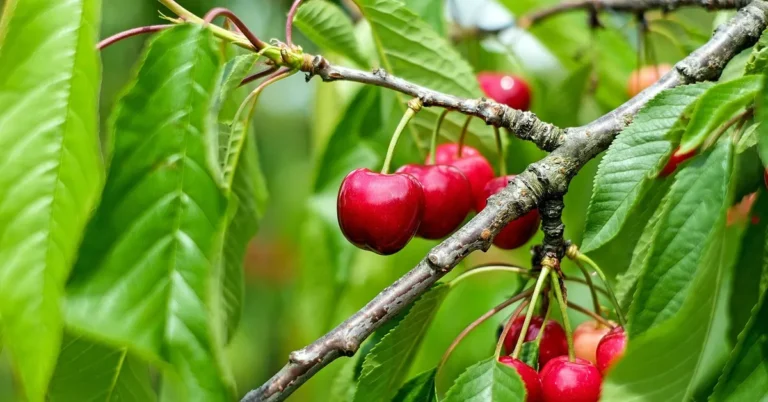
How do you know when they’re ready? For sweet cherries, look for a deep, rich color. The color will depend on the variety.
For tart cherries, they should be fully colored. They will feel slightly soft when gently squeezed. Taste is always the best test.
A ripe cherry will be sweet (or tart, depending on the type) and juicy. It shouldn’t be hard or sour.
Cherries ripen over a period of a few weeks. Not all at once. This means you’ll likely need to harvest in several pickings.
This is called successive harvesting. Go out to your tree every few days. Pick the ripe cherries.
Leave the ones that are still a bit green or firm.
When picking, try to pull the cherry from its stem. Avoid pulling the stem itself. This can damage the fruit bud for next year’s crop.
Gently twist or tug the cherry. If it comes off easily, it’s ready. Place the picked cherries in a shallow container.
Don’t pile them too high. This can bruise them.
If you’re growing tart cherries, they are best used for baking. Pies, jams, and cobblers are wonderful. Sweet cherries are great for eating fresh.
You can also use them in desserts or for preserving.
Be aware that birds and insects love ripe cherries too. You might have to share some of your harvest. Netting can help protect your fruit as it ripens.
But sometimes, a few birds can get through. It’s a common challenge for fruit growers.
After picking, store your cherries in the refrigerator. They are best eaten fresh. They don’t last very long.
If you have a large harvest, consider freezing or canning them.
Tips for a Bountiful Cherry Harvest
- Observe Color: Look for deep, full color.
- Feel for Ripeness: Slightly soft to the touch, but not mushy.
- Taste Test: The best way to know!
- Pick Gently: Twist or tug the cherry off the stem.
- Harvest in Stages: Pick ripe cherries every few days.
- Use Shallow Baskets: Avoid bruising.
- Refrigerate Promptly: For best freshness.
Harvesting is the culmination of your efforts. Enjoy the fruits of your labor! It’s a wonderful feeling to taste a cherry grown by you.
Common Problems and Troubleshooting
Even with the best planning and care, you might run into issues. Cherry trees in Louisiana face unique challenges. Understanding these problems helps you tackle them.
It helps keep your tree healthy.
Fungal Diseases: As we’ve discussed, humidity is a breeding ground for fungus. Brown rot is a major problem. It can cause flowers to blight and fruit to rot on the tree.
Leaf spot causes unsightly spots on leaves. Powdery mildew makes leaves look dusty. * What to do: Prune for airflow.
Remove diseased parts promptly. Keep the ground clean. Consider organic fungicides.
Copper-based sprays can help prevent some diseases. Apply them before infection starts.
Pests: Aphids can suck sap from young leaves. Japanese beetles can chew on leaves and fruit. Fruit flies are attracted to ripening fruit.
Birds are also a common pest. * What to do: For small infestations, wash aphids off with water. Encourage beneficial insects.
Use bird netting to protect fruit. For beetles, handpick them in the morning. Insecticidal soaps can help with some pests.
Always identify the pest before treating.
Cracking Fruit: This happens when fruit absorbs too much water. Heavy rains after a dry spell are a common cause. * What to do: This is tough to control.
Some varieties are more prone to cracking. Good drainage helps the tree manage water stress. You can try to cover the trees with plastic during heavy rain.
But this is often not practical.
Poor Fruit Set: This can happen if the tree doesn’t get enough chill hours. It can also be due to poor pollination. * What to do: Choose low-chill varieties.
Plant two different compatible cherry varieties. This helps ensure cross-pollination. Some tart cherries are self-pollinating.
Check your variety’s needs. Ensure the tree is healthy. Stress from disease or pests can affect flowering.
Sunscald: Young trees with thin bark can get damaged by intense sun. This is more common in winter on the south or southwest side. * What to do: Wrap the trunk of young trees with tree wrap.
This protects the bark.
Troubleshooting Common Cherry Tree Issues
| Problem | Cause | Solution |
|---|---|---|
| Fungal Diseases (Brown Rot, Leaf Spot) | High humidity, wet leaves | Pruning for airflow, clean yard, fungicides |
| Pests (Aphids, Beetles, Fruit Flies) | Various insects | Water spray, netting, handpicking, insecticidal soap |
| Fruit Cracking | Rapid water uptake from rain | Good drainage, choose less prone varieties |
| Poor Fruit Set | Low chill hours, poor pollination | Low-chill varieties, cross-pollination |
| Sunscald | Intense sun on young bark | Tree wrap on trunk |
Dealing with problems is part of gardening. The key is early detection. Knowing what to look for helps you act fast.
This keeps your cherry tree producing for years to come.
When to Worry: Signs Your Tree Needs Help
Most of the time, your cherry tree will be fine with regular care. But sometimes, things can go wrong. It’s good to know what to watch out for.
These are signs that your tree might be stressed or sick. They need more than just routine attention.
Sudden wilting: If a healthy branch suddenly wilts, it could be a sign of disease. This might be something like canker or bacterial blight. It can also be a sign of root damage.
Check the soil around the base. Is it too wet or too dry? * What to do: Remove affected branches immediately.
Sterilize your pruning tools. If root damage is suspected, assess drainage. Sometimes, a severely infected branch just needs to be removed.
Unusual leaf discoloration: While some yellowing can be normal, widespread or strange spots, streaks, or mottling on leaves can indicate a problem. This could be a nutrient deficiency, a virus, or a severe fungal infection. * What to do: Try to identify the pattern of discoloration.
Is it on new leaves or old leaves? Are there spots? This might require research or expert advice.
A soil test can rule out nutrient issues.
Bark damage: Look for oozing sap, cracks, or dead patches on the bark. This can be a sign of borers, canker diseases, or sunscald damage that has gone untreated. * What to do: For borers, you might see small holes.
You can sometimes remove them with a wire. For cankers, remove affected bark and prune back to healthy wood. Sterilize tools.
Prevent sunscald with tree wrap on young trees.
Lack of flowers or fruit after several years: A young tree needs time to mature. But if a tree is several years old and consistently fails to flower or set fruit, something is wrong. * What to do: Re-evaluate your variety choice.
Is it suited for Louisiana chill hours? Is the tree getting enough sun? Is it healthy enough?
Sometimes, planting a second compatible tree can help with pollination. But if the tree is unhealthy, it won’t fruit.
Presence of excessive insects: While some pests are normal, a massive infestation that’s clearly harming the tree requires action. This could be a large population of aphids, or beetles that are defoliating the tree. * What to do: Identify the pest.
Try the least toxic method first. If the infestation is severe, you might need a targeted pesticide. But try to avoid over-spraying.
Red Flags for Your Cherry Tree
- Sudden wilting of healthy branches.
- Widespread or unusual leaf discoloration.
- Oozing sap or dead patches on bark.
- No flowers or fruit on a mature tree.
- Massive insect infestations overwhelming the tree.
If you see any of these signs, don’t panic. Take a step back. Assess the situation.
Often, a prompt response can save your tree. If you’re unsure, it’s always a good idea to consult with your local LSU AgCenter extension office. They have experts who can help diagnose plant problems specific to Louisiana.
Real-World Experiences: Louisiana Cherry Growers
I remember talking to Mrs. Gable, who has lived in Lafayette for over 60 years. She’d always dreamed of growing cherries.
She tried planting a standard sweet cherry tree once. It looked beautiful in the spring with its blossoms. But it never produced any fruit.
She was so disappointed. She thought maybe Louisiana just wasn’t the place for cherries.
Then, she went to a local garden club meeting. A retired horticulturist was giving a talk. He talked about low-chill varieties.
He explained how important drainage was in South Louisiana’s heavy clay soil. Mrs. Gable decided to try again.
This time, she chose a ‘North Star’ tart cherry tree. She also built a raised bed specifically for it. She amended the soil with lots of compost and sand.
The first year, the tree grew well. The second year, it had a few flowers. And then, a handful of small, tart cherries!
She was thrilled. They were small, but they were her cherries. She made a tiny pie that tasted amazing.
She said the key was picking the right tree and preparing the soil perfectly. She learned that sometimes, you have to work with the climate, not against it.
Another gardener I know, Mark, in the Felicity area of New Orleans, has had similar luck with tart cherries. He planted a ‘Carmine Jewel’ tree. He says the secret for him is diligent spraying for fungus.
He uses organic options. He also uses bird netting religiously. He says the birds in New Orleans are very clever.
They will find a way if you’re not careful. He’s learned to accept that he won’t get every single cherry. But the ones he does get are a delicious reward.
He told me, “It’s not easy, but when you bite into that first ripe cherry, all the work feels worth it.”
These stories show that with the right approach, growing cherries in Louisiana is possible. It takes patience and a willingness to learn. But the satisfaction of harvesting your own fruit makes it a rewarding endeavor.
Frequently Asked Questions About Growing Cherries in Louisiana
What is the best time to plant a cherry tree in Louisiana?
The best time to plant a cherry tree in Louisiana is during the dormant season, which is typically late fall through late winter. This allows the tree’s roots to establish before the heat of summer. Planting in cooler months also reduces transplant shock.
Do I need two cherry trees for pollination in Louisiana?
Some tart cherry varieties, like ‘North Star’ and ‘Carmine Jewel’, are self-pollinating. However, many sweet cherries and some tart cherries require cross-pollination. It’s always a good idea to check the specific variety you’re buying.
If it’s not self-pollinating, planting another compatible cherry tree variety nearby will be necessary for fruit production.
How much water does a cherry tree need in Louisiana?
Young cherry trees need consistent watering to establish their root system. Keep the soil moist but not soggy. Mature trees are more drought-tolerant but will benefit from deep watering during prolonged dry periods, especially when fruit is developing.
Avoid overhead watering to reduce disease risk.
Can I grow cherries in pots or containers in Louisiana?
Yes, dwarf or semi-dwarf cherry varieties can be grown in large containers. This is a great option for small yards or areas with poor soil drainage. Ensure the container is large enough and has excellent drainage.
You’ll need to water container trees more frequently than in-ground trees, especially during hot Louisiana summers.
What are the biggest challenges for growing cherries in Louisiana?
The biggest challenges are the lack of sufficient winter chill hours for many varieties, high humidity promoting fungal diseases, and potentially heavy, poorly draining soil. Pests and birds can also be a significant concern.
How do I protect my cherries from birds in Louisiana?
The most effective method is to cover the fruit-bearing branches or the entire tree with bird netting as the cherries begin to ripen. Ensure the netting is secured so birds cannot get underneath it. Other methods include scare devices, but birds often get used to them.
Final Thoughts
Growing cherry trees in Louisiana is a rewarding journey. It requires careful planning and consistent effort. By selecting the right low-chill, disease-resistant varieties, preparing your soil for excellent drainage, and providing proper care throughout the year, you can enjoy your own delicious cherries.
Don’t be discouraged by the challenges. Embrace the process, learn from your experiences, and celebrate every ripe cherry you harvest. It’s a taste of sunshine and satisfaction that’s hard to beat.
Sponsored / affiliate links. As an Amazon Associate I earn from qualifying purchases. I may earn additional commission from eligible campaigns.