Can You Paint Kitchen Cabinets Without Removing Them: Easy Guide
Are you tired of your outdated kitchen cabinets but dread the hassle of removing them for a makeover? You’re not alone.
Many homeowners dream of transforming their kitchen without the chaos of a full renovation. The good news is, painting your kitchen cabinets without taking them down is not only possible but also practical. Imagine revamping your space with minimal disruption and cost.
Intrigued? Keep reading to discover how you can achieve a stunning new look for your kitchen with just a few simple steps, right where they hang. Your dream kitchen is closer than you think, and it all starts here.

Credit: www.housemixblog.com
Benefits Of Painting Cabinets In Place
Painting cabinets in placesaves time and effort. No need to remove them. This method is quick and easy. You avoid the mess of taking cabinets apart. It keeps your kitchen functionalduring the process. You don’t need to store removed cabinets. This avoids clutter in other rooms. It is a cost-effectiveapproach. You save on labor costs. No need for extra storage space. You can finish faster. This allows you to enjoy your new look sooner. It’s a great choice for busy families.
This method is also less disruptive. You can continue using your kitchen. You don’t have to worry about losing space. It lets you work at your own pace. You can paint a cabinet a day if you like. It keeps the process simple. You have more control over the project. It’s an excellent way to refresh your kitchen. Without much hassle.
Preparing Your Kitchen Space
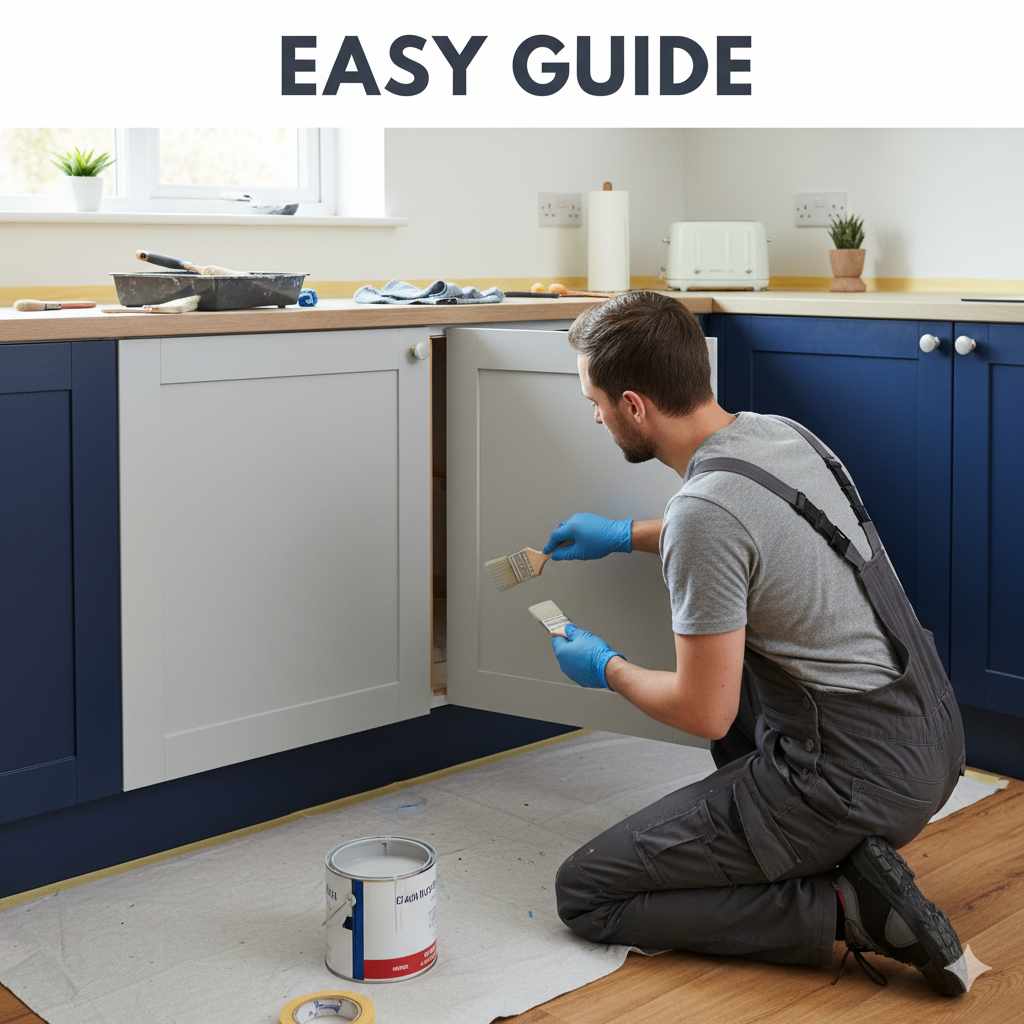
Painting kitchen cabinets without removing them is possible. Clean and sand the surfaces for a smooth finish. Use tape to protect areas you don’t want painted.
Clearing And Cleaning
Start by removing all itemsfrom the cabinets. This makes the space clear. Clean the cabinets with a mild cleaner. Remove greaseand dirt. Make sure the cabinets are drybefore painting. A clean surface helps paint stick better.
Protecting Surfaces
Use drop clothsto cover floors. This keeps paint spills away. Cover countertopswith plastic sheets. Protect appliances with tape. Make sure handles and knobs are covered. Use painter’s tape for edgesand corners. This keeps lines neat.
Choosing The Right Paint
Oil-based paints are tough and durable. They resist stains and scratches well. Acrylic paints dry fast and have low odor. They are water-based and easy to clean. Chalk paints give a vintage look. They don’t need much prep work. Milk paints are eco-friendly. They are great for a rustic feel. Special cabinet paints are made just for cabinets. They last long and look smooth.
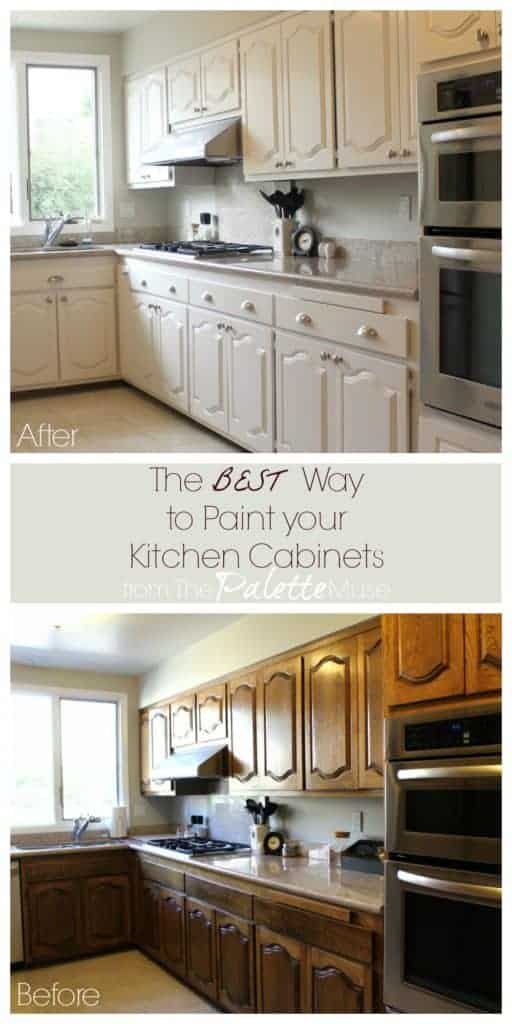
Light colors make kitchens look bigger. They can brighten up spaces. Dark colors add warmth and depth. They make small areas feel cozy. Neutral shades fit any style. They are easy to match with decor. Bold colors create a statement. They add personality and fun. Choose a color that suits your taste. Think about light in your kitchen. It affects how colors look.
Credit: thepalettemuse.com
Essential Tools And Materials
Brushes and rollers are key for painting. A small brush helps with corners. Use a wider brush for flat areas. Rollers cover large spaces quickly. Choose a smooth roller for a sleek finish. Textured rollers create different effects. Always have extra brushes and rollers on hand. Paint can dry out bristles.
Primer makes paint stick better. It covers old colors. Choose a primer for kitchen cabinets. They face heat and spills. Sealant protects the paint. It makes cabinets last longer. Apply after painting. Let each coat dry well. This keeps your work looking fresh. Use a clear sealant for a natural look.
Step-by-step Painting Process
Start by cleaning the cabinets well. Use soap and water. Dry them with a towel. Cover edges with tape. Protect the countertops and floor with sheets. Masking tape helps keep lines neat. Ensure all surfaces are covered properly. This saves time later.
Choose a good primer for your cabinets. Shake the primer can well. Use a brush for corners. Use a roller for flat areas. Apply a thin coat first. Let it dry completely. Check for areas that need more primer. Apply a second coat if needed.
Select a high-quality paint. Stir the paint before using. Start with the edges. Use a brush for edges and corners. Use a roller for larger areas. Apply thin, even coats. Wait for paint to dry between coats. Usually, two coats are enough.
Drying And Curing Tips
Painting kitchen cabinets without removing them is possible. Ensure surfaces are clean and dry before starting. Allow sufficient curing time for a lasting finish.
Time Management
Time is crucial when painting kitchen cabinets. Plan your day well. Drying takes time. Curing needs even more time. Paint in the morning. Let it dry all day. Avoid rushing. Patience is key.
Avoiding Smudges
Smudges can spoil the look. Care helps prevent them. Use a fan to dry the paint. Touch the cabinets lightly. Avoid heavy coats. Thin layers dry faster. Let each layer dry. Wait before adding more paint. Patience leads to a smooth finish. Clean hands often. Avoid touching wet areas. Watch for smudges.
Maintenance And Longevity
Clean cabinets often. Use a soft clothand mild soap. Dirt and grease can build up. This can affect the paint. Rinse with water after cleaning. Dry with a towel.
Avoid harsh cleaners. They can damage the paint. Check for sticky spots. Clean them quickly. This keeps cabinets looking new.
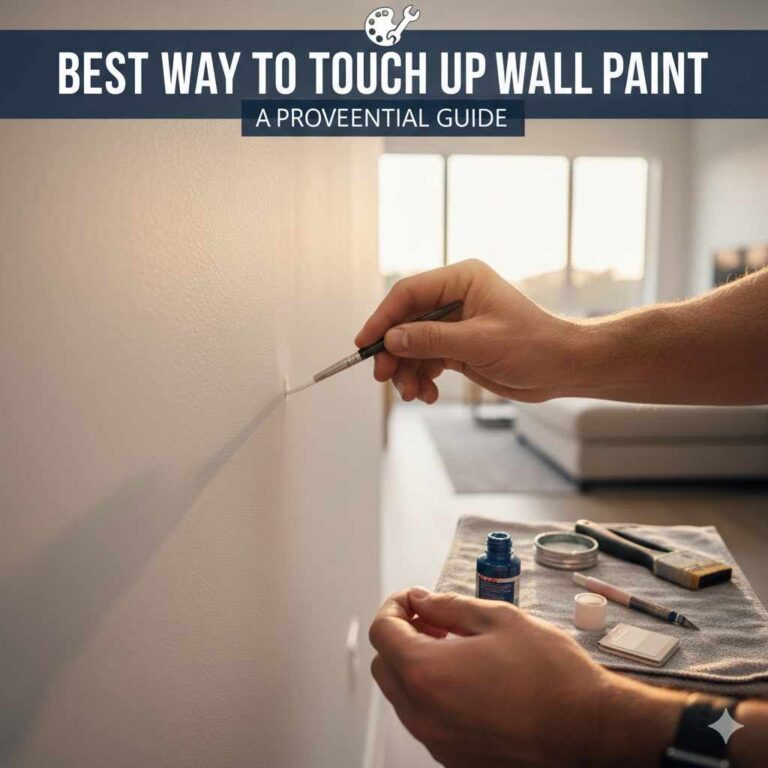
Chips or scratches happen. Have matching paint ready. Use a small brush for touch-ups. This keeps the paint job fresh.
Inspect cabinets regularly. Look for wear and tear. Fix small problems early. This helps maintain the beauty.
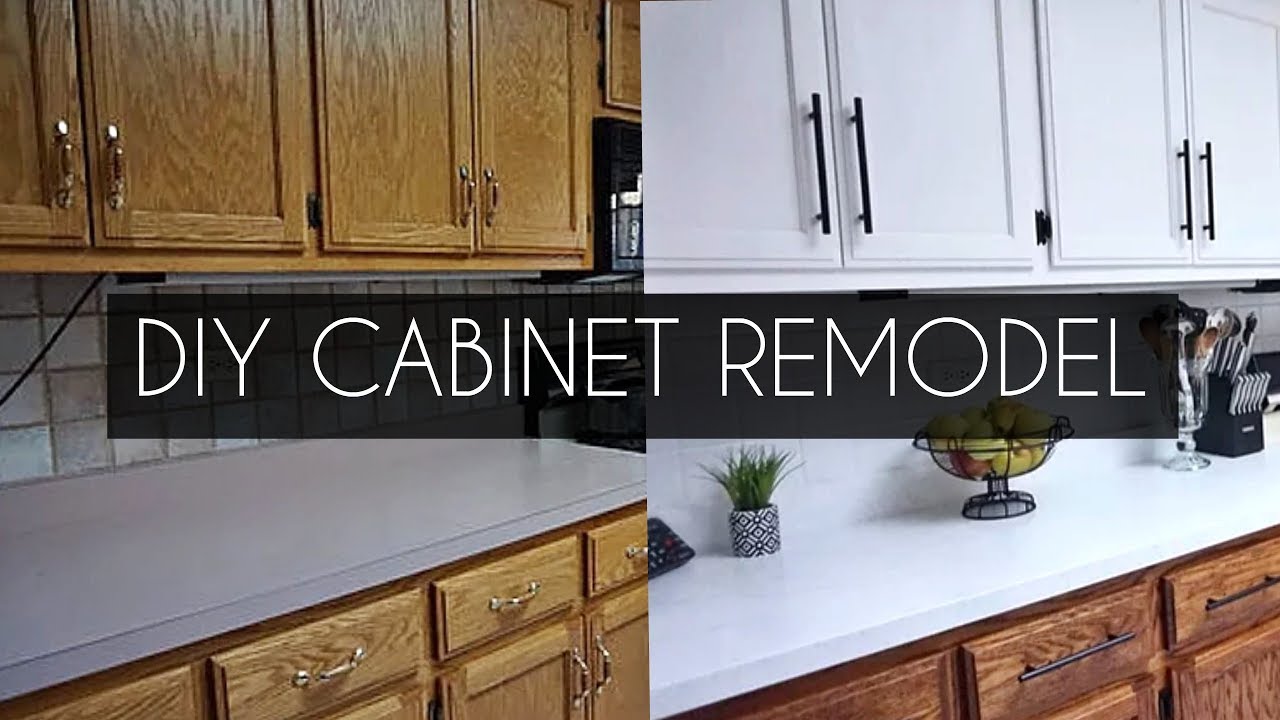
Credit: www.youtube.com
Frequently Asked Questions
Can I Just Paint Over My Kitchen Cabinets Without Sanding?
Yes, you can paint kitchen cabinets without sanding, but use a bonding primer first. This ensures paint adheres well. Clean surfaces thoroughly for better results. Choose high-quality paint for durability and a smooth finish. Proper preparation enhances appearance and longevity of painted cabinets.
Can I Just Paint Over My Kitchen Cabinets?
Yes, you can paint over kitchen cabinets. Clean, sand, and prime them for best results. Use high-quality paint for durability.
Do I Have To Sand Kitchen Cabinets Before Repainting?
Yes, sanding kitchen cabinets before repainting is essential. It ensures paint adhesion and a smooth finish. Use fine-grit sandpaper for best results. Clean the surface thoroughly after sanding to remove dust. This preparation step enhances durability and appearance.
What I Wish I Knew Before Painting Cabinets?
Proper preparation is crucial for painting cabinets. Clean and sand surfaces thoroughly. Use high-quality primer and paint for durability. Invest in good brushes and rollers for a smooth finish. Allow sufficient drying time between coats. Label and organize hardware to avoid confusion during reassembly.
Conclusion
Painting kitchen cabinets without removing them is possible and practical. It saves time and effort. You can refresh your kitchen look easily. Just follow the right steps and use good materials. Prep work is key to a smooth finish. Clean and sand the cabinets thoroughly.
Choose the right paint for the best results. Apply it evenly and allow it to dry properly. This method offers a budget-friendly way to update your space. Enjoy the satisfaction of a DIY project completed successfully. Your kitchen will thank you for the new look.