Can You Replace Wood Deck Boards with Composite Easily?
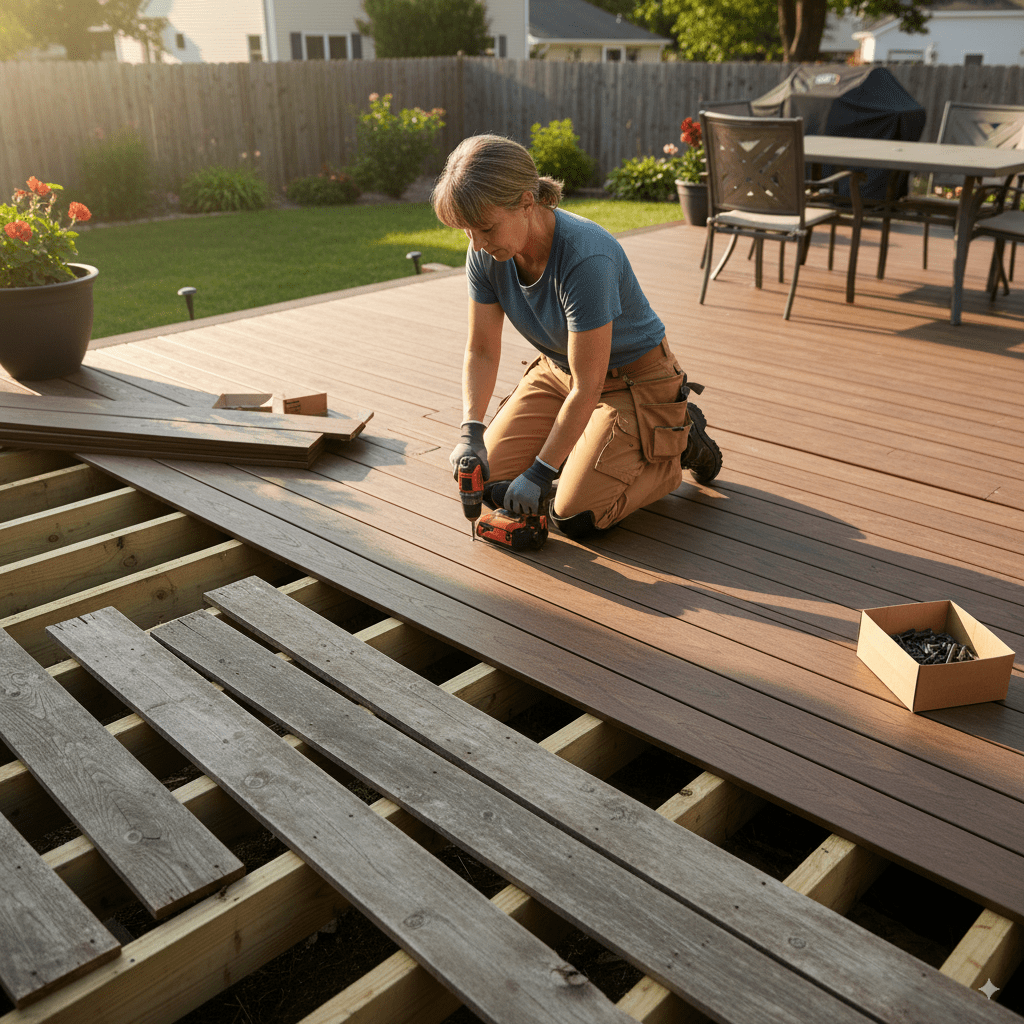
Yes, you can replace wood deck boards with composite for a durable, low-maintenance upgrade. This beginner-friendly DIY project boosts your deck’s lifespan and cuts upkeep costs. With basic tools and careful steps, you’ll enjoy a beautiful outdoor space in just a weekend.
Hey there, friend. If your wooden deck is looking worn out—maybe it’s splintering, rotting from rain, or just demanding too much time to sand and stain every year—you’re not alone. Many homeowners face this frustrating issue, but there’s good news: switching to composite decking is a smart, doable fix. Composite boards resist weather, bugs, and fading, giving you more family time outdoors instead of maintenance chores.
Don’t worry if you’re new to this. I’ll walk you through every simple step, from checking your deck’s frame to laying the new boards. You’ll gain confidence and end up with a pro-looking result that lasts for decades. Let’s dive in and get your deck ready for summer barbecues!
Why Choose Composite Over Wood for Your Deck?
Wood decks have charm, but they often lead to headaches with constant care. Composite decking, made from recycled wood fibers and plastic, offers a fresh start. It’s tough against moisture and UV rays, so no more warping or cracking. Plus, it comes in colors that mimic real wood without the hassle.
Before you start, let’s weigh the benefits and drawbacks. This helps you decide if it’s right for your backyard oasis.
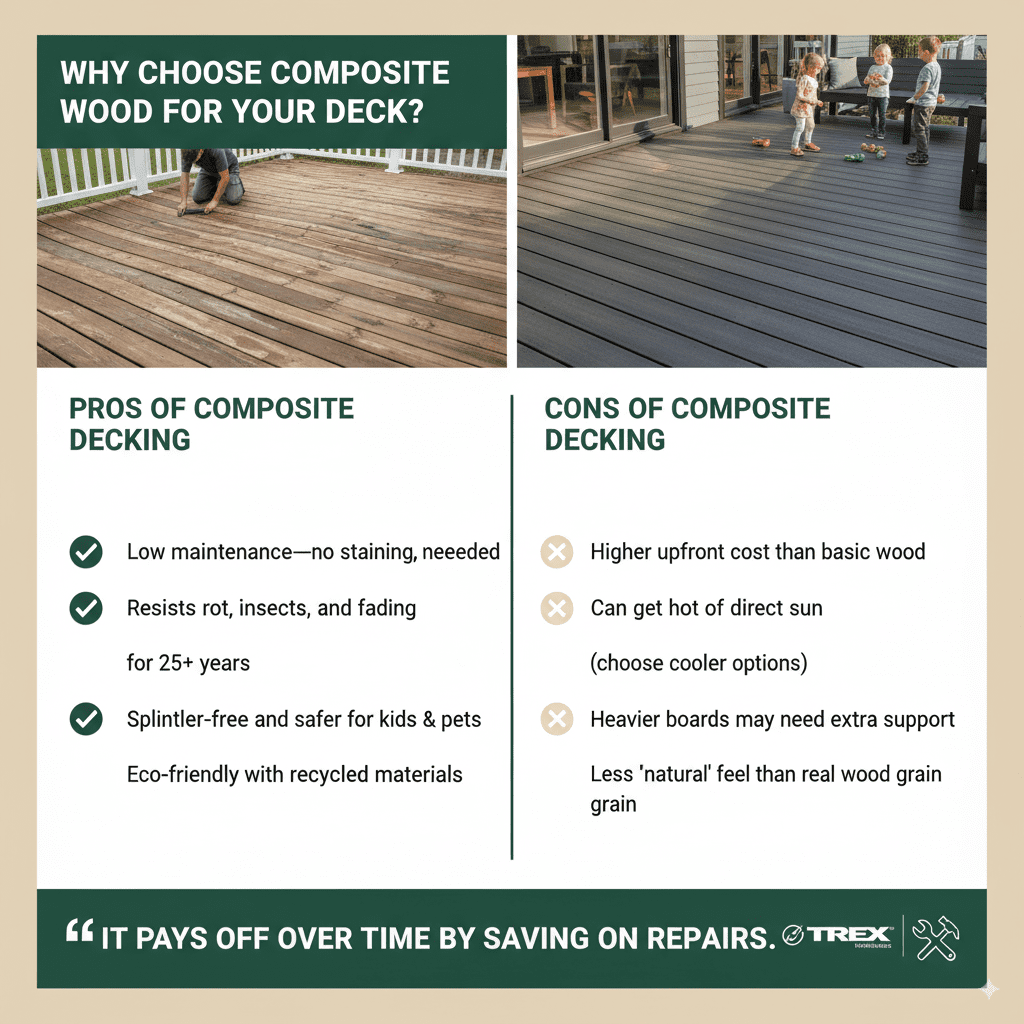
| Pros of Composite DeckingCons of Composite Decking | |
|---|---|
| Low maintenance—no staining or sealing needed | Higher upfront cost than basic wood |
| Resists rot, insects, and fading for 25+ years | Can get hot in direct sun (choose cooler options) |
| Splinter-free and safer for kids and pets | Heavier boards may need extra support |
| Eco-friendly with recycled materials | Less “natural” feel than real wood grain |
From my years helping folks with home projects, I’ve seen composite transform tired decks into inviting spots. It pays off over time by saving on repairs. For more on durability, check out this guide from Trex, a top brand in the field.
Understanding the Costs: Wood vs. Composite in 2025
Money matters when planning a project. Wood might seem cheaper at first, but add in yearly treatments, and it adds up. Composite costs more initially but lasts longer, often making it a better value.
Based on current prices, here’s a quick comparison for a 200-square-foot deck (materials only). Remember, local prices vary, so get quotes from your home center.
| Material | Cost per Square Foot | Total for 200 sq ft Deck | Long-Term Savings |
|---|---|---|---|
| Pressure-Treated Wood | $3–$6 | $600–$1,200 | High maintenance ($200/year) |
| Composite Decking | $5–$12 | $1,000–$2,400 | Low upkeep (under $50/year) |
Over 10 years, composite can save you thousands. For detailed breakdowns, visit Decks.com—they have great calculators to customize for your size. Factor in tools if you don’t own them, but many are rentable affordably.
Gathering Your Tools and Materials
Good news: you likely have most basics in your garage. No need for fancy gear—just reliable items for safe, smooth work. I’ll list essentials for a standard deck replacement.
- Safety first: Gloves, safety glasses, dust mask, and sturdy shoes to protect against splinters and dust.
- Removal tools: Pry bar, hammer, circular saw (for cutting old boards), and reciprocating saw for tough spots.
- Measuring and cutting: Tape measure, chalk line, square, and miter saw for precise composite cuts.
- Installation: Drill with bits, stainless steel screws or hidden fasteners (like clips for a clean look), and a level.
- Extras: Joist tape for protection, wood filler for repairs, and a broom for cleanup.
Buy composite boards from a trusted supplier like Lowe’s—they offer beginner kits. Aim for capped composite for extra weather resistance. Total tool cost? Under $200 if renting the saw.
Safety Tips Before You Begin
Your safety is my top priority, buddy. Decks involve heights and sharp edges, so let’s keep things risk-free. Always work with a partner for heavy lifting, and never rush.
- Wear protective gear: Gloves prevent cuts, glasses shield your eyes from flying bits, and a mask keeps dust out.
- Check stability: Inspect for loose joists before stepping on—use a ladder safely, never overreach.
- Weather watch: Pick a dry day; wet wood slips. Avoid working alone if the deck is elevated.
- Power tool smarts: Unplug when changing blades, and follow manufacturer guides. For more, see OSHA’s tips at OSHA.gov on ladder and tool safety.
- Dispose properly: Old wood may have chemicals—bag it and check local recycling rules.
These habits build confidence. I’ve guided many first-timers, and following them means no accidents, just success.
Step-by-Step Guide: Replacing Wood Deck Boards with Composite
Ready to roll up your sleeves? This process takes 1–2 days for a small deck. Work section by section to stay organized. Patience pays off—measure twice, cut once!
Step 1: Prepare and Inspect Your Deck
Start by clearing furniture and sweeping the deck. Inspect the frame: Look under boards for rot or sagging joists. Tap with a hammer—if it sounds hollow, reinforce with sister joists (extra boards nailed alongside).
Pro tip: Apply joist tape now to seal against moisture. It’s like giving your deck a raincoat. If damage is severe, consult a pro—better safe than sorry.
Step 2: Remove the Old Wood Boards
Time to say goodbye to the old stuff. Use your pry bar to lift screws or nails from one end. Work slowly to avoid splintering nearby boards. For stuck ones, cut lengthwise with a circular saw set shallow (1-inch depth) to free them without harming joists.
Haul away debris as you go—rent a dumpster if needed. This step feels messy but clears the way for beauty. Expect 2–4 hours depending on deck size.
Step 3: Repair and Prep the Frame
With boards off, shine a light on joists. Replace any rotten ones with pressure-treated lumber. Check spacing—composite needs 12–16 inches on center; add blocking if gaps are too wide.
Sand rough spots and treat with sealant. This foundation work ensures your new deck stays level and strong for years.
Step 4: Measure and Cut Composite Boards
Layout your design: Run boards perpendicular to joists for strength. Measure the deck length, adding 1/4-inch gaps for expansion (composite swells with heat).
Cut with a miter saw using a fine-tooth blade—go slow to avoid chipping. Start from the house side for a snug fit. Dry-lay a row to check spacing; use 1/8-inch spacers for even gaps.
Step 5: Install the New Composite Boards
Fasten the first board: Pre-drill holes near ends to prevent splitting, then screw into joists with corrosion-resistant fasteners. Space screws 16 inches apart.
For hidden fasteners, insert clips between boards—they hold everything tight without visible screws. Level as you go—adjust with shims if needed. Stagger end joints for a natural look, like brickwork.
Trim edges with a jigsaw for stairs or curves. Work in the shade to keep boards cool—they’re easier to handle.
Step 6: Finish and Clean Up
Once all boards are down, sweep away dust. Add railings or trim if updating. Let it sit a day before heavy use—composite needs to settle.
Congrats! Your deck is reborn. From my experience, this upgrade feels amazing—sit back with a cold drink and admire your handiwork.
For visual help, watch this YouTube tutorial on hidden fasteners—it’s straightforward and inspiring.
Common Mistakes to Avoid
Even pros slip up, but you can dodge pitfalls with these tips.
- Forget expansion gaps: Boards buckle without them—always space 1/8 to 1/4 inch.
- Wrong fasteners: Use only stainless steel; others rust and weaken.
- Ignoring slope: Ensure 1/8-inch pitch per foot for water runoff.
- Rushing cuts: Dull blades chip composite—sharpen or replace.
- No cleaning: Wipe sawdust immediately; it stains if left.
Take breaks, double-check, and you’ll avoid rework. You’re building something lasting—enjoy the process!
Maintenance After Installation
Composite shines here: Just hose it off yearly and sweep leaves. No chemicals needed. For stains, mild soap works wonders. This ease is why so many love it—more play, less work.
Every 5 years, tighten screws. With care, it’ll outlast wood by double. Check manufacturer warranties—many cover 25 years.
FAQ
Can beginners really replace wood deck boards with composite on their own?
Absolutely! With this guide and basic tools, it’s a rewarding weekend project. Start small if nervous, and build confidence as you go.
How long does a composite deck last compared to wood?
Composite often lasts 25–50 years with minimal care, while wood might need full replacement every 10–15 years due to rot.
Do I need to replace the entire deck frame?
Not always. Inspect joists—if they’re solid, just swap boards. Reinforce if needed for safety.
What’s the best way to cut composite boards without splintering?
Use a sharp, fine-tooth blade on a miter or circular saw. Cut with the good side up and go slow for clean edges.
Can composite get too hot for bare feet?
It can warm in sun, but newer capped versions stay cooler. Add rugs or choose light colors to help.
How much weight can a composite deck hold?
Most support 100 pounds per square foot, like wood. Follow spacing rules for even load distribution.
Is composite decking eco-friendly?
Yes, many brands use recycled plastics and wood scraps, reducing waste. Look for FSC-certified options.
Wrapping Up Your Deck Transformation
There you have it, my friend—a complete path to reviving your deck with composite boards. You’ve learned why it’s worth it, gathered the right tools, and followed safe, simple steps to a stunning result. Imagine hosting friends on your worry-free outdoor haven, watching sunsets without a care.
This project isn’t just about fixing—it’s about creating memories and boosting your home’s value. If doubts linger, remember: every expert started as a beginner. Grab those tools, take it steady, and pat yourself on the back when done. Your beautiful, lasting deck awaits. Happy building!