Fire Pit vs Chiminea: Which Burns Wood More Efficiently?
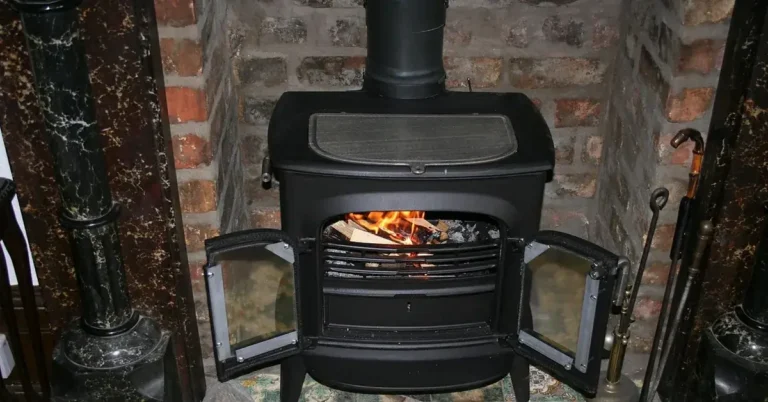
In calm conditions, a chiminea can provide somewhat better heat delivery than an open fire pit, since its enclosed body points warmth forward and reduces heat loss to the air. Pick the wrong shape, and you burn more wood for less warmth, then keep feeding the fire to fight smoke and weak heat. This guide compares usable heat, wind effects, setup, and material so you can pick the better wood burner for your patio.
Fire pit vs chiminea: the efficiency trade-off
| Factor | Fire Pit | Chiminea | Winner |
|---|---|---|---|
| Usable heat delivered per log | Heat spreads outward and upward, so more warmth escapes to open air | Heat is pushed forward from the opening and up the chimney | Chiminea |
| Heat radius for seating | Better for wider circles and larger groups | Better for a tighter seating zone in front of the opening | Fire Pit |
| Wind sensitivity | More exposed to draft and sideways heat loss | More sheltered, with smoke directed upward | Chiminea |
| Burn control and smoke handling | Easy to feed, but open flames can send sparks and smoke around the seating area | Narrow chimney helps direct smoke away from the flames | Chiminea |
| Best use case | Family seating, larger gatherings, open patios | Small patios, close seating, calmer corners | Depends on layout |
Fire Pit vs Chiminea log
The key question is not which one makes the tallest flames. It is which one gives people more warmth before that heat drifts away. A Fire Pit burns in the open, so a larger share of heat moves into the sky and surrounding air; a Chiminea sends more of that warmth toward the front.
That difference matters most when seating is close and fixed. If people sit in a loose ring around a Fire Pit, the setup works well because everyone catches some of the radiant output. If the group is gathered in a smaller zone, the Chiminea often wastes less fuel on heat no one uses.
Heat radius for seating
Yufeng notes that fire pits produce larger flames suitable for groups, and that fits the geometry. The open design spreads heat in all directions, which helps when chairs sit around a circle or when several people want the fire from different angles.
The same source says clay chimineas heat up small spaces well, which matches their focused output. They work best when seating sits in front of the opening rather than around all sides. A small patio with two chairs and a bench is a much better match than a broad entertaining space.
Wind sensitivity and draft
Wind can erase any heat advantage on paper. A Fire Pit loses more heat to moving air, and gusts can push smoke toward guests, which leads to more tending and more wood burned for the same comfort. A Chiminea is still affected by wind, but its chimney and enclosed body reduce that spread.
Suppose a 12-foot patio has a steady cross-breeze. The Fire Pit may feel weaker even with a larger fire, while the Chiminea keeps more of its heat aimed at the seating area. That is a real-world efficiency issue, because the fuel does not change, but the usable warmth does.
Fire pit chiminea matrix
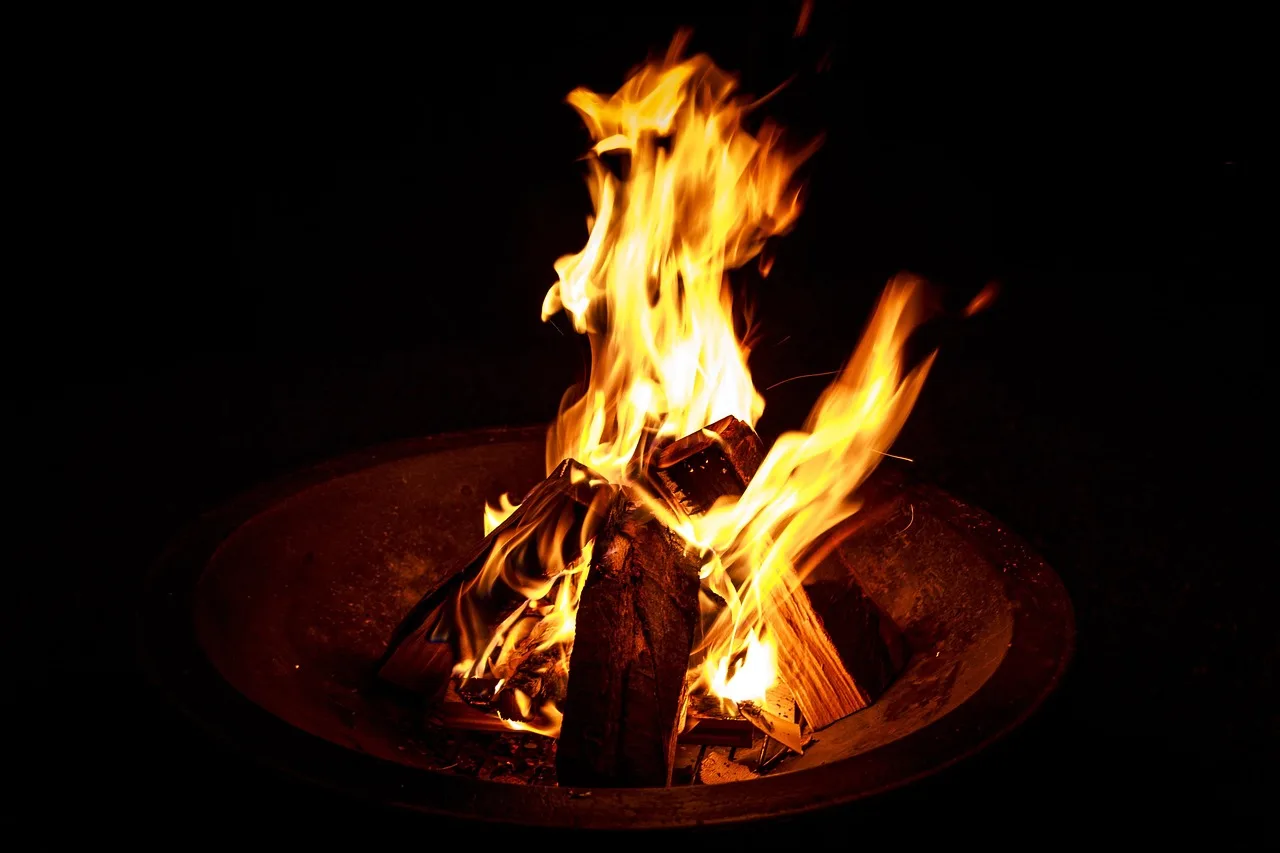
This matrix turns the choice into a wood-use decision, not a flame-size contest. The scores use a simple 1–5 scale, where 5 is best for that row.
| Criteria | Fire Pit | Chiminea | Winner |
|---|---|---|---|
| Wood use per session | 3 | 4 | Chiminea |
| Usable heat direction | 3 | 5 | Chiminea |
| Burn control and smoke | 3 | 4 | Chiminea |
| Wind sensitivity | 2 | 4 | Chiminea |
| Best use case | 5 for larger gatherings | 5 for small patios | Depends |
Wood use per session
Do chimineas use less wood than Fire Pits? Often, yes, but only when the seating layout lets you catch the directed heat. A Chiminea can feel more frugal because less heat is lost around the sides and rear, so you need fewer logs to reach the same comfort level for a small group.
A Fire Pit can still be the better use of wood if it warms more people at once. If six chairs are spread around a circle, one open fire may be doing useful work on all sides. In that case, the fuel is being spent across more bodies, so the comparison changes.
Burn control and smoke
F1 is the key design fact here: chimineas have a narrow chimney that directs smoke away from the flames. That does not make them smoke-free, but it does help keep smoke moving upward instead of drifting low across seats.
The same source says the closed design keeps sparks and smoke inside, which is another reason the fire feels more controlled. Fire Pits can also be fitted with a spark-screen safety accessory, but the open bowl still leaves more room for wandering embers and stray draft.
Best use case
The Fire Pit wins when the goal is shared heat across a wider area. It is the better fit for a family ring, a larger patio, or a night when several people want to face the fire from different spots. The Chiminea wins when the goal is concentrated warmth for a small group in a tighter footprint.
A common first-timer mistake is choosing a tall chiminea for a cramped patio and overlooking how its shape and placement affect airflow and wood use. A compact courtyard with a single seating bench usually rewards the Chiminea. A broad backyard with movable chairs usually rewards the Fire Pit.
Which gives more heat?
A Fire Pit usually gives more total visible flame, but a Chiminea often gives more usable heat where people actually sit. The difference comes from direction, not raw fire size. If the seating is close and in front of the opening, the Chiminea can feel warmer on a per-log basis; if the group is spread out, the Fire Pit spreads warmth more broadly.
Fire pit heat spread
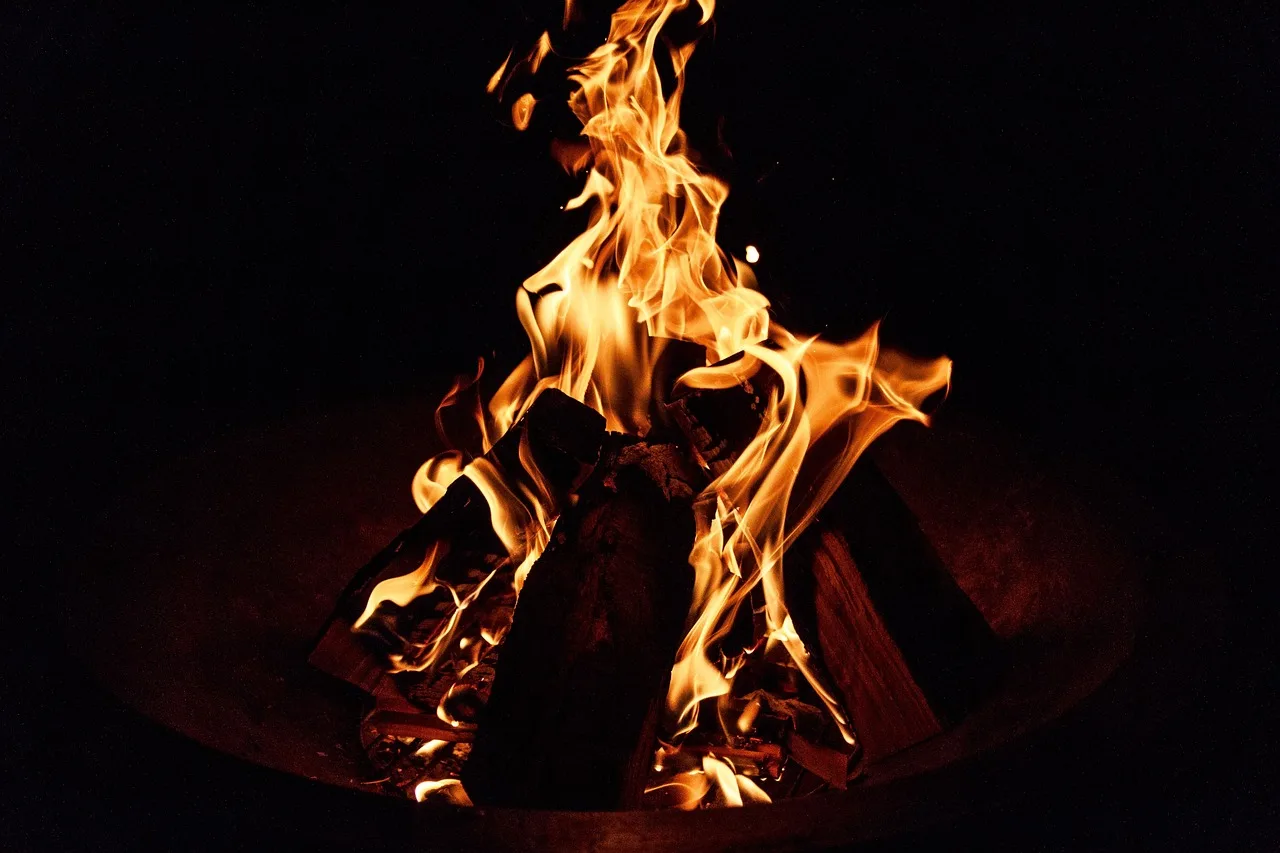
Fire pits are open-flame designs. They send radiant heat in all directions, which helps for larger gatherings but wastes more warmth when only one side of the fire matters. The same source notes that fire pits are made from steel, stone, or refractory bricks, and those materials are often chosen because they tolerate the open exposure of the design.
Chiminea heat focus
The vase-shaped body and chimney create a more focused front-facing heat pattern. That makes the Chiminea a better match for small-space use, especially when chairs sit in a narrow arc rather than a full circle. The warmth radius is smaller, but the heat is more concentrated.
Does a chiminea burn wood more efficiently?
Often it does, because the design sends heat toward the users instead of letting as much drift away. That said, efficiency drops fast if the wood is wet, the patio is windy, or the seating is too far from the opening. A Fire Pit can be the more efficient choice when it heats a bigger group with fewer total sessions.
When a chiminea uses less wood
Dry seasoned wood matters first. Wet wood lowers heat output and increases smoke, so any efficiency comparison is generally less favorable for both units. In calm weather, with a small patio and close seating, a Chiminea usually reaches comfortable warmth with fewer logs because the delivered heat is better targeted.
When a fire pit wastes less heat
If the goal is a larger circle of guests, the Fire Pit can waste less heat in practical terms because more of its output reaches more people. The same flame that seems inefficient in a tight setup can work well in a wide seating plan where several bodies are within the warmth radius.
Material matters more than many buyers expect
Material changes heat retention, durability, and how forgiving the unit is in weather. Clay and terracotta chimineas heat quickly and suit small spaces, but they need careful handling. Cast iron and steel models are more durable than clay, while stone and refractory brick are common in sturdier Fire Pit builds.
Clay and terracotta
Clay chimineas can throw useful heat into a small area, but they can also crack from thermal shock. That means a sudden temperature change, such as rain hitting a hot body, can damage the shell. They are best for careful users who will move them with care and store them properly.
Cast iron and steel
Cast iron and steel chimineas are usually tougher than clay and better suited to rougher weather exposure. Steel Fire Pits are also common because they are easier to place, move, and fit with spark screens. They may not hold heat as long as heavy masonry, but they are practical and durable.
Stone and refractory brick
Stone and refractory brick retain heat well and tend to suit more permanent Fire Pit installs. They also hold up well to repeated heating cycles when built on a stable, noncombustible base. For buyers who want steady radiant output and a more fixed layout, those materials deserve a close look.
Safety and setup basics
Both options need clearance, stable placement, and ember control. A Chiminea is not automatically safe simply because it is enclosed, and a Fire Pit is not automatically risky simply because it is open. The real safety difference comes from spark containment, placement, and how you manage fuel.
Spark containment and embers
Fire pits can benefit from a spark screen, especially in dry weather or when burning split logs that pop and throw embers. Chimineas keep more sparks contained by design, but embers can still exit the mouth if the fire is overfilled or the wood is stacked badly. Control matters for both.
Placement on concrete or stone
Use a concrete or stone base whenever possible. That reduces the chance of heat damage to decking, mulch, or dry soil, and it gives both products a stable footing. The same source recommends putting a Chiminea 10-20 feet from the house, which is a sensible setback for most wood-burning outdoor setups.
How far from the house
For practical planning, keep either unit far enough away from walls, eaves, and low branches that embers cannot reach them. The 10-20 feet guidance for a Chiminea is a useful starting point, but local fire rules may be stricter. Always verify local clearance requirements before lighting.
Storage and weather protection
Cover or indoor storage helps extend the life of both products. Clay chimineas especially need protection from freeze-thaw stress and sudden wetting after heating. If you leave any outdoor heater exposed through winter, cover it well and make sure it is completely cool before storage or moving.
Choose Fire Pit if… / Choose Chiminea if…
Choose a Fire Pit if you have a larger seating circle, want everyone to feel the flame from multiple angles, or plan to host groups on a broad patio. Choose a Chiminea if your space is smaller, your seating is tight and forward-facing, or you want more usable heat per log in calmer conditions.
- Fire Pit if you want group seating around an open circle.
- Fire Pit if you expect to cook over the fire on some nights.
- Fire Pit if you want the option of steel, stone, or refractory brick construction.
- Chiminea if your patio is small and you want directed warmth.
- Chiminea if smoke control and forward heat matter more than all-around glow.
- Chiminea if you are willing to protect clay from thermal shock and weather.


Frequently asked questions
Does a chiminea burn wood more efficiently than a fire pit?
Usually yes, but only in the right setup. A Chiminea sends more heat forward and up through the chimney, so less warmth drifts away. On a small patio with close seating and calm air, that often means better usable heat per log than an open Fire Pit.
Which gives more heat: a fire pit or a chiminea?
A Fire Pit usually gives more total spread-out heat, while a Chiminea often gives more useful heat in one direction. If you want a wider warmth radius for several people, the Fire Pit usually wins. If you want concentrated warmth for two or three seats, the Chiminea can feel hotter.
Are chimineas safer than fire pits?
They can be safer in some ways because the enclosed body helps contain sparks and sends smoke upward, but that does not remove risk. Both need a noncombustible base, clearance from structures, and careful fuel loading. Clay models also need protection from thermal shock.
Can you cook on a chiminea or a fire pit?
Yes, but cooking is secondary to the heat question. Some Fire Pits are used for grill grates or skewers, and some chimineas can support cooking accessories. That said, cooking ability should not drive the efficiency choice, because heat direction and seating layout matter more.
Which is better for a small patio: a chiminea or fire pit?
For most small patios, a Chiminea is the better fit. Its focused heat, narrower footprint, and upward smoke path suit tight seating much better than an open Fire Pit. If your seats are arranged in a wide circle, though, a small Fire Pit can still make sense.
What materials are best for a wood-burning chiminea?
Clay and terracotta work well for light use and small spaces, but they are more fragile and can crack from thermal shock. Cast iron and steel are better choices if you want durability and easier weather resistance. The best material depends on how carefully you will handle and store it.
How far should a chiminea be from the house?
The same source recommends placing a Chiminea 10-20 feet from the house. That is a practical starting point for clearance, airflow, and ember control. Use a stone or concrete base, keep combustible items farther away, and follow any local fire setback rules if they are stricter.
Sponsored / affiliate links. As an Amazon Associate I earn from qualifying purchases. I may earn additional commission from eligible campaigns.