Parquet Flooring vs Herringbone: Which Costs More to Install?
Herringbone usually costs about 10% to 30% more to install than plain plank layouts, and parquet panel systems can cost more than herringbone once material grade, waste, and labor are included. A weak quote can hide cutting waste, floor leveling, and underlayment charges that add hundreds or thousands. This guide breaks out material, labor, waste, and subfloor costs so you can compare quotes by what is actually being installed. On cost alone, Herringbone is usually the cheaper patterned option, while higher-end Parquet Flooring formats can overtake it fast.
| Decision factor | Parquet Flooring | Herringbone | Winner |
|---|---|---|---|
| Installed cost tendency | Often higher once the pattern becomes a panel, border, or Versailles format | Usually the lower-cost patterned option | Herringbone |
| Labor complexity | Higher when the layout uses panels, borders, or repeating mosaics | High, but simpler than most parquet panel layouts | Herringbone |
| Material cost | Varies widely from engineered to solid wood | Often starts lower in engineered form | Herringbone |
| Room fit and perimeter work | More sensitive to edges, thresholds, and border detailing | Less complex than Versailles or panel parquet, but still needs careful layout | Herringbone |
| Luxury appearance per dollar | Strong for formal rooms and custom layouts | Strong for a premium look without the highest labor tier | Tie |
Why herringbone costs more than standard planks
Parquet is the broader category, and herringbone is one parquet layout inside it. That matters because the pattern name alone does not tell you whether you are pricing a simple zigzag, a panel system, or a high-end perimeter detail.
What parquet means
Parquet flooring includes geometric wood patterns such as herringbone, chevron, basketweave, and Versailles. The layout, block size, construction, and edge treatment all change the quote more than the word “parquet” itself.
Where herringbone fits
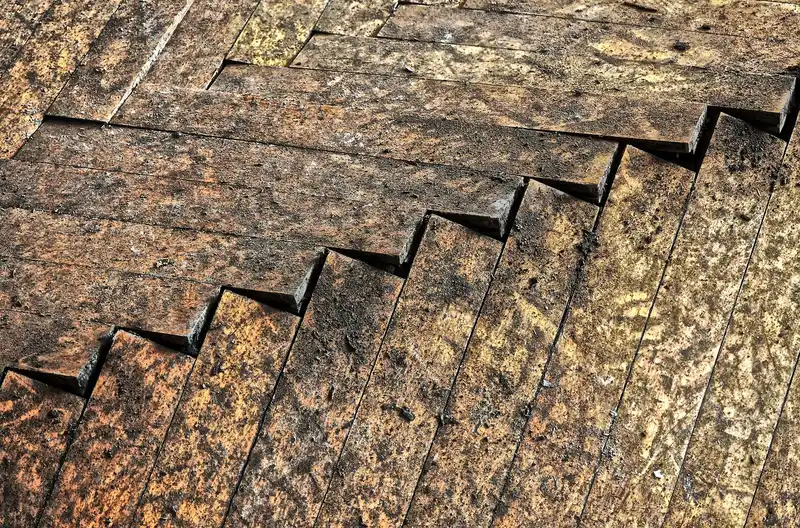
Herringbone uses rectangular blocks laid in a zigzag arrangement at 90 degrees. It is usually the budget parquet pattern, but it still needs more planning, cutting, and layout time than straight planks.
Why pattern choice changes the quote
Patterned floors often cost around 20% to 40% more than standard plank flooring, and much of the premium is usually tied to installation time rather than the wood itself. That is why two quotes can look similar on material but differ sharply once labor, waste, and prep are added.
Why patterned wood floors cost more to install
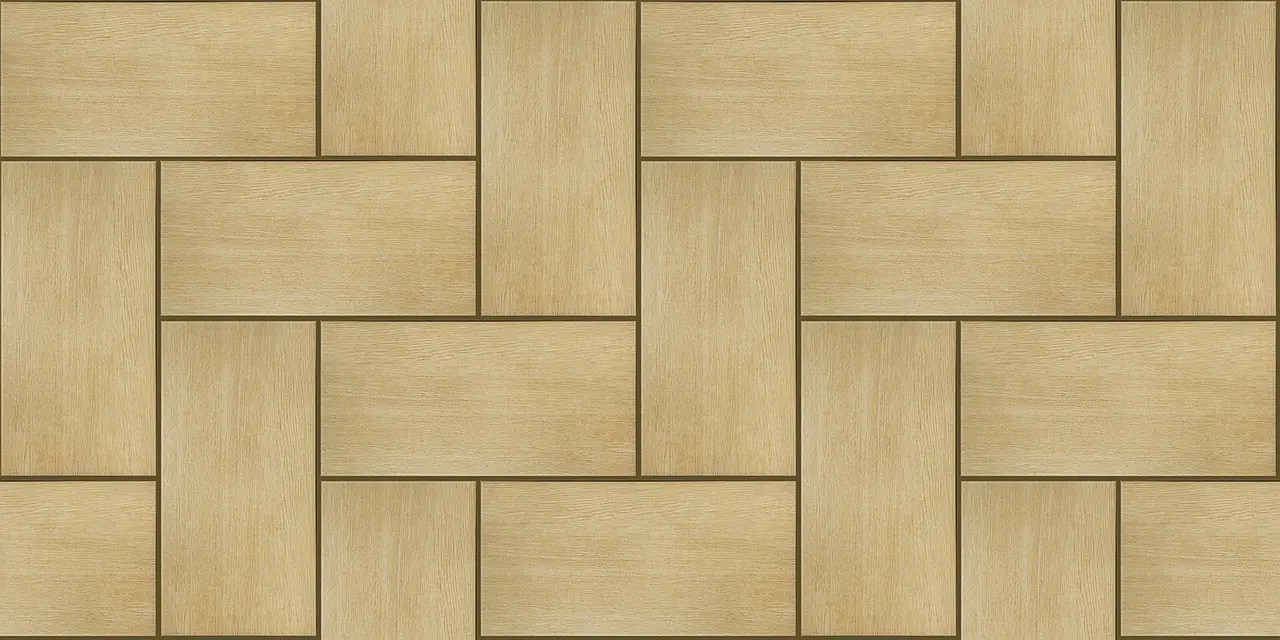
Patterned floors cost more because the fitter must align the layout, manage more cuts, and keep the room visually square from the first row onward. The extra time shows up in labor, and the room shape often adds waste and perimeter work on top.
Labor time rises with layout and cutting
Every angled start, centered run, and border return takes longer than straight-lay work. Herringbone labor is commonly priced about $3 to $5 per square foot above material, while chevron labor is commonly priced about $5 to $8 per square foot above material, and Versailles panel labor is commonly priced about $6 to $10 per square foot above material.
Waste allowances are higher than straight planks
Herringbone floors require 10% to 15% more material than standard linear planks. That extra allowance covers offcuts, starter rows, and the pieces lost to room shape, especially when the room is not a simple rectangle.
Edges, doors, and borders add fitting time
Borders and transitions add material and labor, and they matter most at room edges and doorways. A narrow hall, a fireplace cutout, or a threshold can turn a clean quote into a much larger one once perimeter detailing is included.
Say your dining room is 14 by 18 feet with two doorways and a border. The floor area is not large, but the perimeter work can make the install slower than a bigger open room with fewer cuts.
Which costs more, parquet or herringbone?
Herringbone is usually cheaper than more complex parquet formats, but not always cheaper than every parquet quote. A simple engineered herringbone floor can undercut a solid wood parquet panel job by a wide margin once labor, waste, and border work are added.
Budget herringbone versus mid-tier parquet
Budget herringbone often starts with engineered oak material, which can start at $5 to $8 per square foot. Mid-tier parquet can move higher if the design uses larger blocks, more border work, or a tighter fit around thresholds.
When parquet comes in higher
Parquet comes in higher when the format is more complex than a zigzag, or when the quote includes a border package, custom transitions, and a more demanding subfloor. Versailles is the clear example at the high end, where the design and perimeter work push the total up fast.
When a simpler parquet format can cost less
A simpler parquet format can cost less if it uses engineered material, a straightforward room shape, and a small amount of perimeter detailing. In that case, the wood choice matters less than the installer’s labor rate and the amount of prep under the floor.
Parquet flooring quote comparison
| Scenario | Material | Labor | Waste allowance | Border allowance | Subfloor prep | Estimated total | Notes |
|---|---|---|---|---|---|---|---|
| Budget herringbone | Engineered oak at $5 to $8/sq ft | $3 to $5/sq ft above material | 10% to 15% | Light or none | Basic flattening only | Mid-range patterned floor | Labor is the main driver; engineered material keeps the quote from climbing too fast. |
| Mid-tier parquet | Engineered or better-grade wood | Higher than herringbone due to more pattern work | Above straight-lay allowance | Often included | May need patching or leveling | Higher than budget herringbone | Border work and room detailing usually push this scenario above a basic zigzag layout. |
| High-end Versailles | Solid French oak at $25 to $45/sq ft | $6 to $10/sq ft above material | Above standard allowance | Usually substantial | Often requires careful correction | Top of the range | Material and labor both rise; the perimeter work often drives the final total. |
Budget herringbone scenario
This is the lowest-cost patterned option in most quotes. Engineered oak, a simple room shape, and a limited border package keep the total anchored, but labor still sits above straight plank pricing.
Mid-tier parquet scenario
This is where many homeowners see quote shock. The pattern is still attractive, but added border work, extra cuts, and more exact fitting can move the total above a herringbone job even if the room size stays the same.
High-end Versailles scenario
Versailles panels sit at the top of parquet cost ranges. Solid French oak Versailles can cost $25 to $45 per square foot, and the labor price is $6 to $10 per square foot above material, so both sides of the quote move upward together.
Material costs: engineered versus solid wood
Engineered wood usually costs less than solid wood, and it is common in lower and mid-range pattern jobs. Solid wood usually costs more, but it can be refinished multiple times and it brings more movement risk with humidity changes.
Why engineered wood often costs less
Engineered construction often keeps the base price down while improving dimensional stability. That makes it a common choice for herringbone and mid-tier parquet when the buyer wants the pattern without the highest material bill.
Why solid wood usually costs more
Solid wood uses more premium stock and is more sensitive to movement, so it often sits above engineered in both price and prep demands. The material cost gap becomes more visible when the floor is patterned, because labor already makes the quote expensive.
How construction type changes pattern pricing
Construction type changes the quote, but it does not erase the labor premium. A cheaper engineered board can still end up costly once the installer adds waste, pattern fitting, and border detailing.
Suppose a 300-square-foot room is quoted in engineered herringbone and solid Versailles. The Versailles quote can jump far beyond the material difference alone because the labor and perimeter work rise at the same time.
Labor costs and installer skill
Installation labor is the main cost driver in patterned floors. The fitter must keep rows straight, preserve the pattern, and manage joints and borders without drifting off layout.
Pattern alignment drives labor time
Herringbone is more labor-intensive than linear flooring because each block affects the next one. If the starter row is off, the error travels across the room and can ruin the visual line.
Chevron and Versailles need more precise fitting
Chevron usually costs more than herringbone because miter cuts increase manufacturing and installation complexity, and chevron labor is priced $5 to $8 per square foot above material. Versailles panels are more exacting still, which is why their labor is priced $6 to $10 per square foot above material.
Why specialist installation changes the final price
A specialist fitter usually charges more because the layout is less forgiving. That higher labor rate can prevent visible misalignment, uneven borders, and patchy threshold details that are hard to fix after the floor goes down.
Waste, borders, and subfloor prep
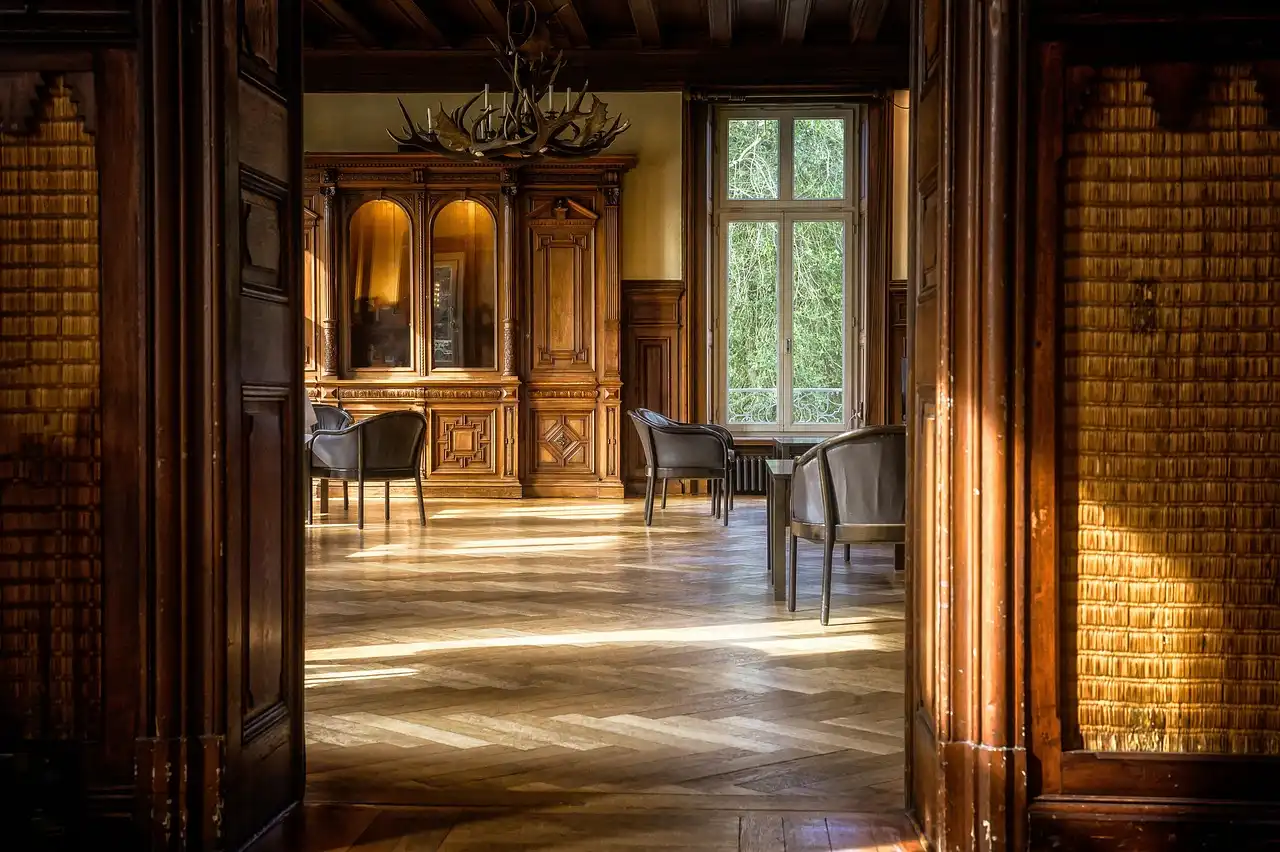
Waste, borders, and prep often explain why a quote seems higher than expected. These are not extras in the decorative sense, they are part of making the floor fit, stay flat, and look finished.
How much extra material herringbone can need?
Herringbone floors require 10% to 15% more material than standard linear planks. That allowance is smaller than a bad quote can suggest, but it is still enough to change the final material bill on a large room.
Why borders and transitions add cost
Borders add more than a visual frame. They consume material, slow the install, and need careful joins at doors and at room edges, where the pattern must end cleanly instead of drifting into the next space.
Subfloor flatness, moisture, and leveling work
Patterned floors need a flatter, drier, and cleaner subfloor than straight-lay flooring. On concrete slabs, self-leveling compound can add $2 to $5 per square foot, and moisture mitigation may add more if the slab is not ready.
- Confirm the room size, doorway count, and border length before comparing quotes.
- Ask whether the waste allowance is 10% to 15% for herringbone or higher for a more complex pattern.
- Request a separate line for subfloor leveling, moisture mitigation, and patching.
- Check whether thresholds, reducers, and border pieces are included.
- Compare labor as a separate line, not blended into the material price.
When parquet is worth the extra cost
Parquet is worth the extra cost when you want a formal, patterned look and the quote clearly separates material, labor, waste, and prep. It is not worth the premium when the installer cannot explain layout details or when the floor is being priced like a straight plank job.
Choosing the cheapest parquet pattern
If the goal is the lowest-cost patterned floor, herringbone is usually the cheapest parquet pattern to install. It gives you a decorative layout without the manufacturing and fitting burden that comes with chevron or Versailles.
A low headline price can hide thin waste allowances, missing transition pieces, or a subfloor line that appears later. A quote should say what happens at doorways, at room edges, and under the first rows, because those details change the total.
Questions to ask before you hire an installer
Ask whether the quote includes border work, how much waste is allowed, what subfloor correction is expected, and who is responsible if the starter rows need to be reset. Those answers matter more than the pattern name on the estimate.
Verdict
Choose Herringbone if you want the cheapest patterned wood floor, a simpler install, and a strong decorative look without moving into high-end panel pricing. Choose Parquet Flooring if you want a more formal panel design, border detailing, or Versailles-style work and you are prepared for higher labor, waste, and prep costs.
The cleanest rule is this: if the quote is for a simple zigzag in engineered wood, Herringbone usually wins on price. If the quote includes panels, borders, or Versailles detailing, Parquet Flooring can cost more even when the room size stays the same.


Frequently asked questions
Is parquet flooring more expensive to install than herringbone?
Often yes, but not always. Herringbone is usually the lower-cost patterned option, while parquet panels and Versailles layouts can cost more once labor, borders, waste, and subfloor work are counted separately.
What drives the labor cost difference between parquet and herringbone?
Layout precision drives most of the gap. Herringbone needs careful alignment, but parquet panels, borders, and Versailles work usually require more exact fitting, more perimeter labor, and more time around thresholds and room edges.
How much more waste does herringbone create than straight planks?
Herringbone floors require 10% to 15% more material than standard linear planks. That extra material covers cuts, starter rows, and room-shape losses, so it should be listed as its own quote line.
Does solid parquet cost more than engineered parquet?
Usually yes. Solid wood typically costs more than engineered wood, and it is more sensitive to humidity movement. Engineered construction is common in budget and mid-tier pattern jobs because it often lowers the material side of the quote.
Is Versailles parquet more expensive than herringbone?
Yes in most quotes. Versailles panels sit at the top of parquet cost ranges, with labor priced $6 to $10 per square foot above material and material costs that can run much higher than engineered herringbone options.
Budget for waste allowance, border pieces, threshold trims, subfloor leveling, and moisture mitigation. On concrete slabs, self-leveling compound can add $2 to $5 per square foot, and that line often changes the final total more than the pattern name does.
Sponsored / affiliate links. As an Amazon Associate I earn from qualifying purchases. I may earn additional commission from eligible campaigns.