Hot Hide Glue Temperature: Working Range
For hot hide glue, keep the glue pot around 140–145°F, keep the shop in the mid-60s to mid-70s °F, and warm cold workpieces before assembly. If the glue or wood is too cold, the glue gels before you can seat the joint. If they are too hot, the glue can stay open too long and weaken fit control. This temperature map covers glue temperature, pot temperature, room temperature, and workpiece temperature for winter use.
How heat affects glue flow and open time
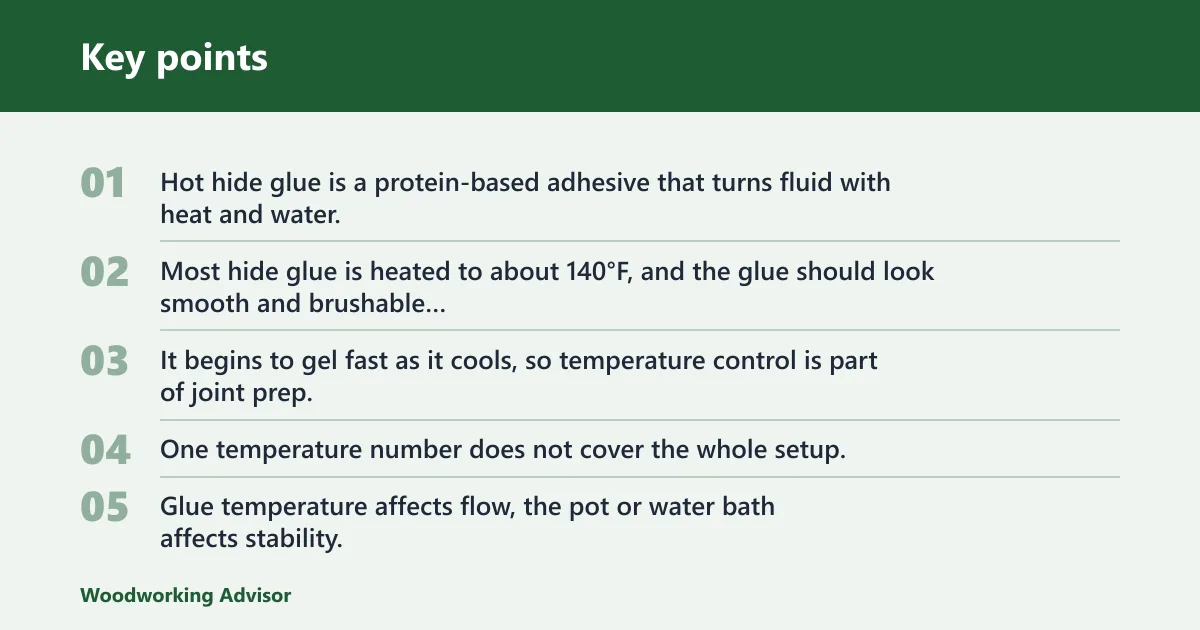


Hot hide glue is a protein-based adhesive that turns fluid with heat and water, then firms as it cools. Most hide glue is heated to about 140°F, and the glue should look smooth and brushable at that temperature. It begins to gel fast as it cools, so temperature control is part of joint prep, not a side issue.
One temperature number does not cover the whole setup. Glue temperature affects flow, the pot or water bath affects stability, room temperature affects open time, and the workpiece affects how fast the glue starts to set. Cold conditions can shorten the working window even when the pot itself reads correctly.
What 140°F means for glue flow
At about 140°F, hot hide glue should move like a smooth syrup and brush cleanly. It is already liquid at that point if it has been prepared properly; the target is not to “make it liquid,” but to keep it fluid enough to spread without running thin. The practical target is smooth brushing, not thin soup.
That difference matters because a glue line that is too thick does not wet the wood well. A glue line that is too thin can run off the edge before assembly. The working target is a coat that brushes on readily and stays fluid long enough to close the joint.
Why temperature and viscosity change together
Hot hide glue thickens fast as it cools. That is why a glue that seems fine in the pot can turn tacky on the brush or at the joint line in seconds. The colder the surrounding parts, the faster that change happens.
Water content also matters. If the mix loses water during the day, the glue can become pasty even when the temperature is acceptable. Measure and restore consistency with small additions of water, stirring until the glue returns to its original brushable body rather than guessing at “as needed.”
How room temperature affects open time
Warm working conditions are necessary. A cold shop can make hide glue gum up and not spread nicely, and it can shorten open time enough to disrupt clamp-up. In a mid-60s to mid-70s shop with warm parts, the working window is usually brief but manageable; in a colder shop or with cold stock, it can shrink to only a few moments.
Cold air is only part of the problem. Cold wood pulls heat out of the glue film, so the joint starts to gel before you can bring the parts together. That is why winter work often needs both a warmed shop and warmed parts.
📊 Most hide glue is heated to about 140°F. Source: A Quick Guide to Hot Hide Glue.
What temperature should hide glue be kept at?
Keep hot hide glue at a working temperature near 140°F; the pot or water bath is often kept in the 140–150°F range. Those are related but not identical numbers. The bath can read hotter than the adhesive, and the reading depends on where the thermometer sits in the pot.
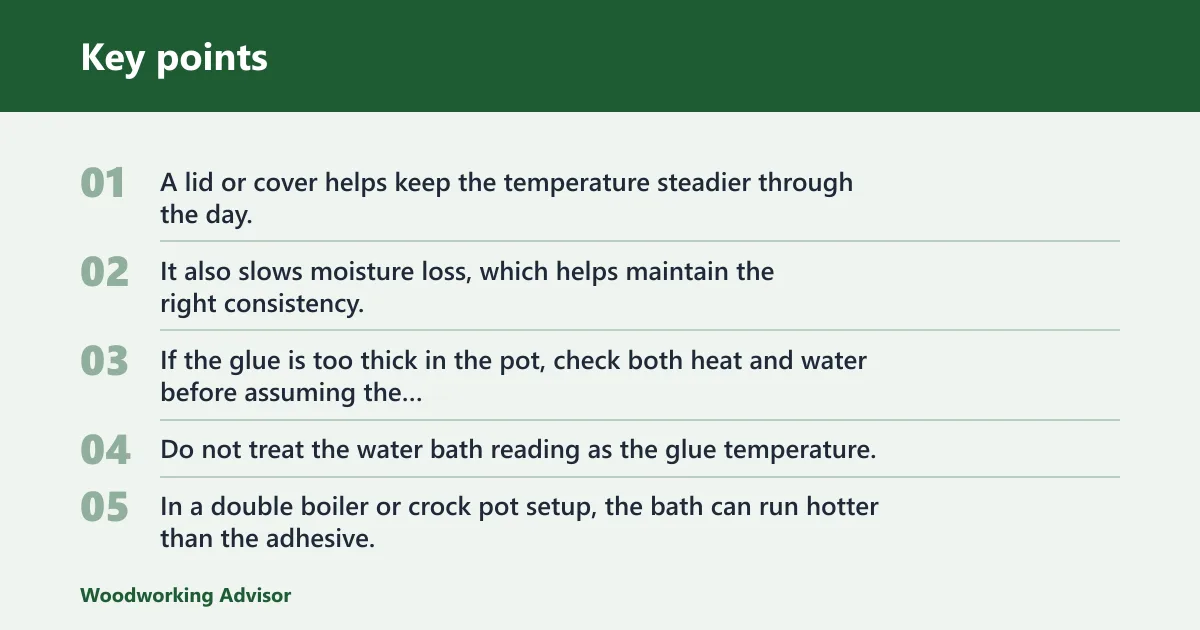
A lid or cover helps keep the temperature steadier through the day. It also slows moisture loss, which helps maintain the right consistency. If the glue is too thick in the pot, check both heat and water before assuming the recipe is wrong.
Glue temperature vs pot temperature
Do not treat the water bath reading as the glue temperature. In a double boiler or crock pot setup, the bath can run hotter than the adhesive, and the number on the thermometer shifts with depth and contact point. A stable bath around 145–150°F can still support glue that is actually closer to the lower working range.
That difference is why a single number can mislead. If the thermometer sits against the pot wall, it may read differently than the glue mass in the center. Place the thermometer where it reflects the material you are actually using.
Why a thermometer reading can mislead you
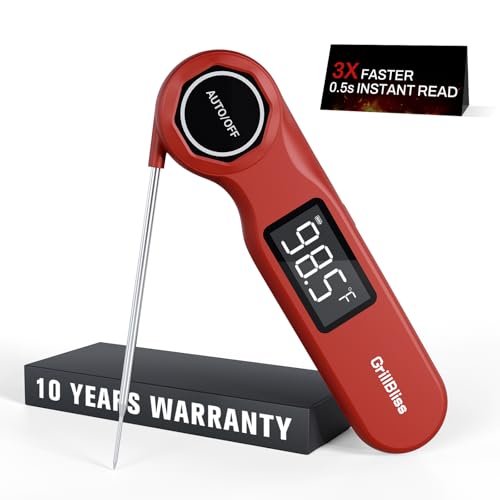
Thermometer placement changes the reading. A probe near the side of the vessel may pick up a hotter or cooler layer than the glue you brush onto the joint. Stirring before reading can help, but only if the setup is built to keep the bath evenly heated.
Check the glue’s feel as well as the number. If it brushes smoothly and wets the surface cleanly, you are close to the working range. If it strings, clumps, or drags on the brush, the setup needs attention.
Why a lid or cover helps stability
A lid reduces heat loss and slows evaporation. That makes the temperature less jumpy and helps the glue stay at a predictable consistency through a long glue-up. In winter, the cover matters because a room that cools parts and tools can make the pot work harder.
If the batch sits open for hours, the surface can thicken and skin over. Covering the pot helps prevent that change, so you spend less time chasing the right consistency with extra heat or extra water.
Hide glue temperature decision table
| Room temperature | Glue/pot target | Expected working behavior | Recommended fix |
|---|---|---|---|
| Cold shop, below the warm working range | About 140–145°F glue; bath often read 145–150°F | Glue starts to gel fast, spreads poorly, and may gum up on contact | Warm the shop if possible, preheat parts, and keep the pot covered |
| Normal shop, about 65–75°F | About 140°F glue with a steady bath | Brushes cleanly, wets wood well, and gives manageable open time | Use a thermometer, stir before use, and add water if the mix thickens |
| Any shop, but glue is overheated | Too hot for safe use, especially above the usual working target | Glue can thin excessively, smell off, and lose body as proteins break down | Lower heat, discard degraded glue if it turns gunky, and reset the batch |
| Any shop, but glue gels too fast | Pot may read correctly while parts stay cold | Open time collapses before assembly is seated | Warm the workpieces, move faster, and if needed choose a lower gram strength |
Note: A 192 or 251 gram strength is fine for most shop work. Higher gram strength mainly changes gel time and viscosity, not bond strength by itself; bond performance still depends heavily on preparation and fit. That makes 251g a better fit for some fast, well-prepared jobs and 192g a better fit when you need a little more working time in a cooler shop. (Popularwoodworking)
How does hot hide glue work?
Hot hide glue works by softening with heat and water, then gelling as the heat leaves the joint. It is a protein-based adhesive, so its behavior depends on temperature, moisture, and time. That is why one cold bench or one cold clamp face can change the whole assembly.
Heat and water reversibility is part of the appeal. Warm water softens cured glue, and heat helps release it. That makes future repair and cleanup easier than with many permanent adhesives, provided the joint was assembled cleanly in the first place.
Protein-based adhesive behavior
The glue’s protein base is why overheating matters. Too much heat can break down those proteins, and the batch turns less useful. Short-term holding around 145–150°F is common in many setups, but actual degradation depends on time, concentration, and direct overheating. Once the glue is damaged, it may not bond reliably.
This is also why the glue changes texture so quickly as it cools. The working window is short by design. You get a liquid state for spreading, then a rapid move toward gel and set.
Heat and water reversibility
Hide glue’s reversibility is practical, not magical. Warm water and heat can soften the joint later, which is useful for restoration work and cleanup. That same property means the glue responds strongly to winter conditions while you are assembling the joint.
If a joint is starved because the glue gelled too early, reversibility does not help the original bond. The assembly still needs proper heat, proper flow, and prompt clamping.
Why gelling starts as the glue cools
As hot hide glue cools, it changes from fluid to gel fast. That is normal. The problem is speed: in a cold shop, the gel point arrives sooner, so you lose spreading time and can end up with poor coverage or a weak fit.
Picture a chair rung joint assembled on a cold morning. The glue may brush on fine, but the wood pulls heat out of the film before the parts seat fully. The result is a joint that grabs halfway through the close-up instead of after alignment.
192g vs 251g hide glue
A 192g or 251g hide glue is fine for most shop work, but the choice changes how much time you have. Higher gram strength usually changes gel time and viscosity more than it changes bond strength on its own. Lower gram strength gives a little more working window, which matters when winter temperatures shorten it already.
Choose based on pace, not pride. Fast, simple assemblies can suit 251g. Slower fit-up, larger glue surfaces, or cooler conditions often point to 192g because it is more forgiving when you need a few more seconds.
Open time differences
Higher gram strength usually means the glue starts to gel sooner and feels thicker in use. That can be an advantage for small parts that need quick grab. It can also be a liability if the joint takes time to close or align.
If your setup already has a cold room or cold stock, adding a fast-gelling glue can make the window too short. In that case, the issue is not only temperature. It is also the glue grade.
Bond strength differences
Higher gram strength does not automatically mean a stronger bond in every real-world joint. Fit, surface preparation, glue temperature, and assembly speed all matter. A stronger grade can still fail to help if it gels before the parts are fully seated.
A common first-timer mistake is choosing the strongest glue first and the working time second. In winter, that usually backfires because open time is already under pressure.
Which grade fits slower or faster assembly?
Use about 251 g when the joint closes quickly and the parts are warm enough to keep the glue working. Use 192g when you need more room to brush, position, and clamp before the film gels. If the shop is cold and the parts are heavy, 192g is usually the safer starting point.
How to keep glue usable in winter
Keep the glue fluid, keep the parts warm, and keep the pot steady. Those three steps solve most winter problems before they start. A glue brush, thermometer, double boiler or crock pot, and a heat lamp or hair dryer for warming parts are the basic tools that matter.
If the glue begins to thicken through the day, measure a small amount of water, add it in small increments, and stir until the glue returns to a smooth, brushable consistency. The goal is a runny syrup consistency in the pot and a honey-like consistency in use. Do not wait until the mix becomes stringy and hard to spread.
- Warm the workpieces before assembly if the room is cool.
- Check the glue temperature with a thermometer placed in the active glue, not just near the vessel wall.
- Keep the pot covered so the bath stays stable.
- Brush on a thin, even film while the glue still moves smoothly.
- Close the joint promptly and clamp without delay.
Warming workpieces
Heating the pieces can help give enough time to clamp. A heat lamp or hair dryer can bring cold stock closer to room temperature before glue-up. That matters because a cold board can pull heat out of the joint line almost immediately.
Suppose a face frame is ready in a 55°F shop. Warming only the glue pot may not be enough. Warm the parts too, or the glue can gel before the rails and stiles are fully home.
Choosing a glue brush, thermometer, and pot
A glue brush gives you control over film thickness. A thermometer tells you whether the batch is in range. A double boiler or crock pot provides a stable heat source that is easier to manage than direct heat.
Set the bath so the glue stays steady, not scorching. The point is consistency across the whole glue-up, especially when the room temperature is working against you.
Keeping the mix fluid with water as needed
Hide glue can thicken as moisture leaves the pot. If the consistency drifts away from honey-like and toward paste, add a small amount of water and stir. That helps keep the brush load even and the glue spreadable.
Do not overcorrect. Too much water can weaken the film and make the glue too thin to stay where you put it. Small adjustments work better than a large correction.
What happens when hide glue is too hot?
When hide glue gets too hot, the proteins can break down and the batch becomes degraded. That can show up as thinning beyond the useful range, odd texture, loss of body, or a gunky residue that no longer behaves like clean glue. Once that happens, the batch should be reset rather than pushed harder.
Direct overheating is the bigger risk than a brief reading near the upper end of the range. A short hold around 145–150°F is common, but pushing the glue hotter for too long can damage it more quickly. If the glue stops behaving like a smooth, brushable adhesive, temperature is the first thing to check and the batch condition is the second.
Signs the glue has turned to gunk
Look for stringy lumps, a scorched smell, film that will not brush evenly, or residue that clings to the pot in a gritty layer. Those are signs the batch has moved out of the working range. A temperature that is too high can also make the glue look deceptively thin while it is actually damaged.
If the glue loses its smooth, brushable body and never recovers after cooling slightly, do not keep using it. Reset the batch with fresh adhesive.
When to dump and reset the batch
Dump and reset when lowering the heat does not bring back normal flow, or when the glue remains lumpy after stirring and adding a little water. If the pot smells burnt or the adhesive leaves a dirty film, the batch is no longer dependable.
That rule is simple: if the glue no longer brushes cleanly, do not trust it on a joint that matters.
Frequently asked questions
What temperature is hot glue
For hot hide glue, the useful working range is about 140°F to 145°F in the glue itself, with the bath often read a little higher. In that range, the glue usually stays fluid enough to brush, but the open time in a cool shop is still brief and can shrink quickly on cold parts. The pot reading and glue reading are not the same thing.
How hot is hot glue
Hot hide glue is typically hot enough to flow smoothly and wet the wood, but not so hot that it cooks the adhesive. Most hide glue is heated to about 140°F. In a bath setup, some users keep the water between 145 and 150°F, while watching the glue’s actual consistency.
Low temp vs high temp glue gun
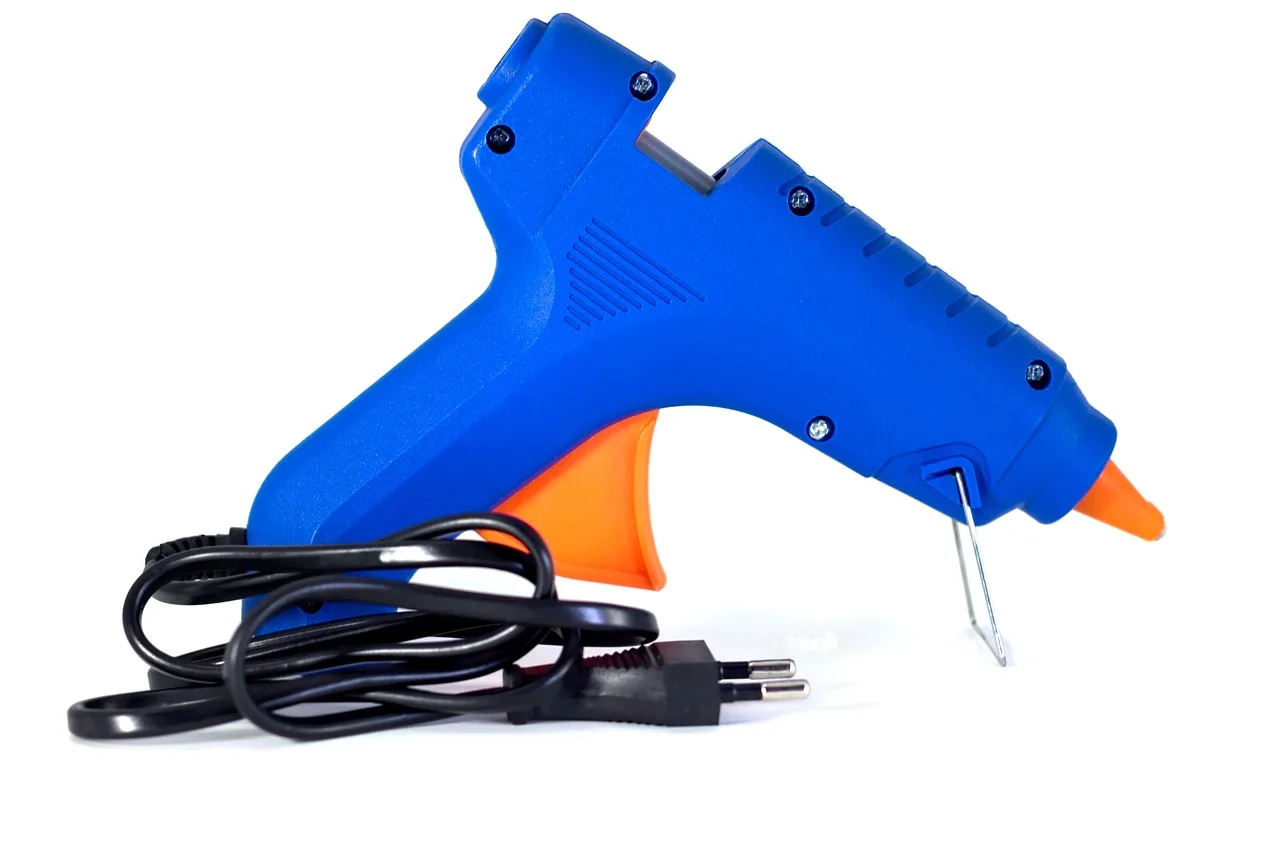
That question usually applies to thermoplastic glue guns, not hide glue. Hot hide glue is a protein-based adhesive heated in a pot or double boiler, and its working range depends on glue temperature, pot temperature, room temperature, and workpiece temperature. Do not mix the two systems or the advice gets misleading fast.
How strong is hot glue
For hide glue, strength depends partly on gram strength. A 192 or 251 gram strength is fine for most shop work, but higher gram strength mainly changes gel time and viscosity rather than guaranteeing a better bond. Fit and preparation still matter most, especially when winter temperatures shorten the working window.
How does hot glue work?
Hot hide glue works by becoming fluid with heat and water, then gelling as it cools. It is reversible with heat and water, which helps with cleanup and future repair. The same chemistry also means a cold shop or cold workpiece can cut the open time sharply and cause the glue to gel before the joint is seated.
What temperature should hide glue be kept at: keep the glue itself near
Keep the glue itself near 140°F, and aim for a stable bath in the 140–150°F range if you are using a pot or double boiler. The exact reading depends on where the thermometer sits. A lid helps keep that temperature steady, and the glue should stay smooth and brushable rather than turning stringy or thin.
Does hot hide glue fail in a cold shop?
It can. A cold shop can make hide glue gum up and not spread nicely, and it can shorten open time enough to cause poor seating before clamp-up. That does not mean the glue is unusable in winter, but it does mean you should warm the parts and keep the setup more controlled.
Can hide glue be overheated?
Yes. If hide glue gets too hot, the proteins can break down and the batch can become degraded. That can show up as gunk, odd texture, or loss of normal brushing behavior. Short holds around the upper working range are common, but direct overheating is what causes the real damage.
What temperature is too hot for hide glue
Too hot is the point where the glue stops acting like a smooth, brushable adhesive and starts to degrade. Many users avoid pushing it much above 150°F for long periods, and the common working target is about 140°F. If the batch smells scorched, turns grainy, or loses body, treat it as overheated and reset it.
Is 140F the right temperature for hot hide glue?
Yes, 140°F is the standard working target for most hide glue setups, but it is not the whole story. The glue may need a slightly higher bath reading, the shop may need to be warmer, and cold parts may still need preheating. Use 140°F as the glue target, not as a stand-alone fix.
Sponsored / affiliate links. As an Amazon Associate I earn from qualifying purchases. I may earn additional commission from eligible campaigns.