How Polyurethane Glue Works (And When to Actually Use It)
It’s frustrating when a project hits a snag because you’re not sure which glue to use. You want something strong, something that lasts. You grab a bottle, hoping it’s the right one, only to find out later it wasn’t. That’s where understanding your materials makes all the difference. Polyurethane glue is a bit of a wonder material. It can bond many different things. It also handles water really well. This makes it a top pick for many jobs, especially outdoors.
Polyurethane glue is a versatile, strong adhesive that reacts with moisture to create a durable bond. It’s excellent for projects involving wood, metal, plastic, ceramic, and more, especially in damp or outdoor environments where other glues might fail.
What Exactly is Polyurethane Glue?
Best Polyurethane Glue for Outdoor Projects
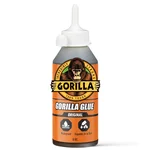 |
Gorilla Original Glue, 8 oz – $9.98 The classic polyurethane glue this article describes — moisture-activated, expands to fill gaps, and cures rock-hard and waterproof.
|
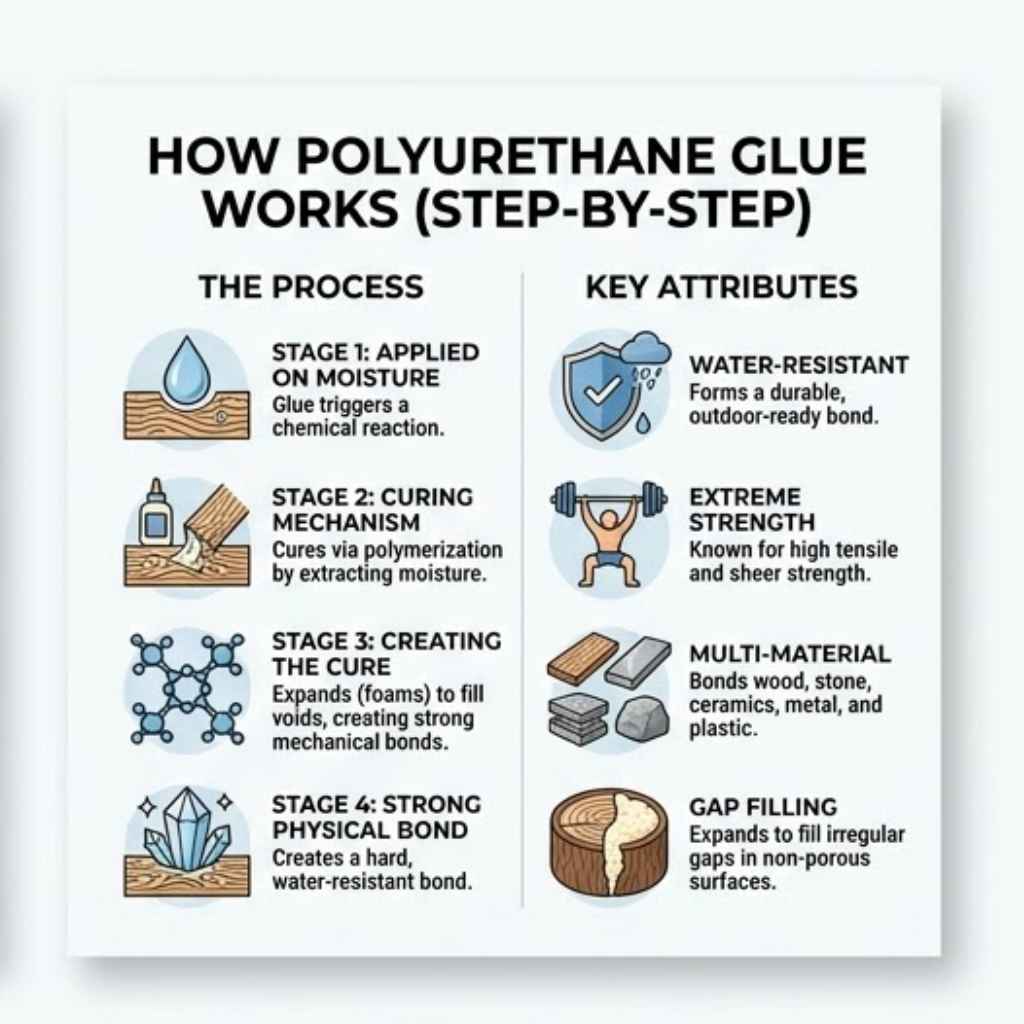
Polyurethane glue is a special type of adhesive. It starts as a liquid. When it meets water, it changes. This change makes it expand slightly. It then hardens into a very strong bond. Think of it like a super-powered glue that uses a little bit of moisture from the air or the materials themselves. This reaction is what makes it so tough. It can fill small gaps. It’s also really good at sticking to different kinds of surfaces.
How Does Polyurethane Glue Create Such Strong Bonds?
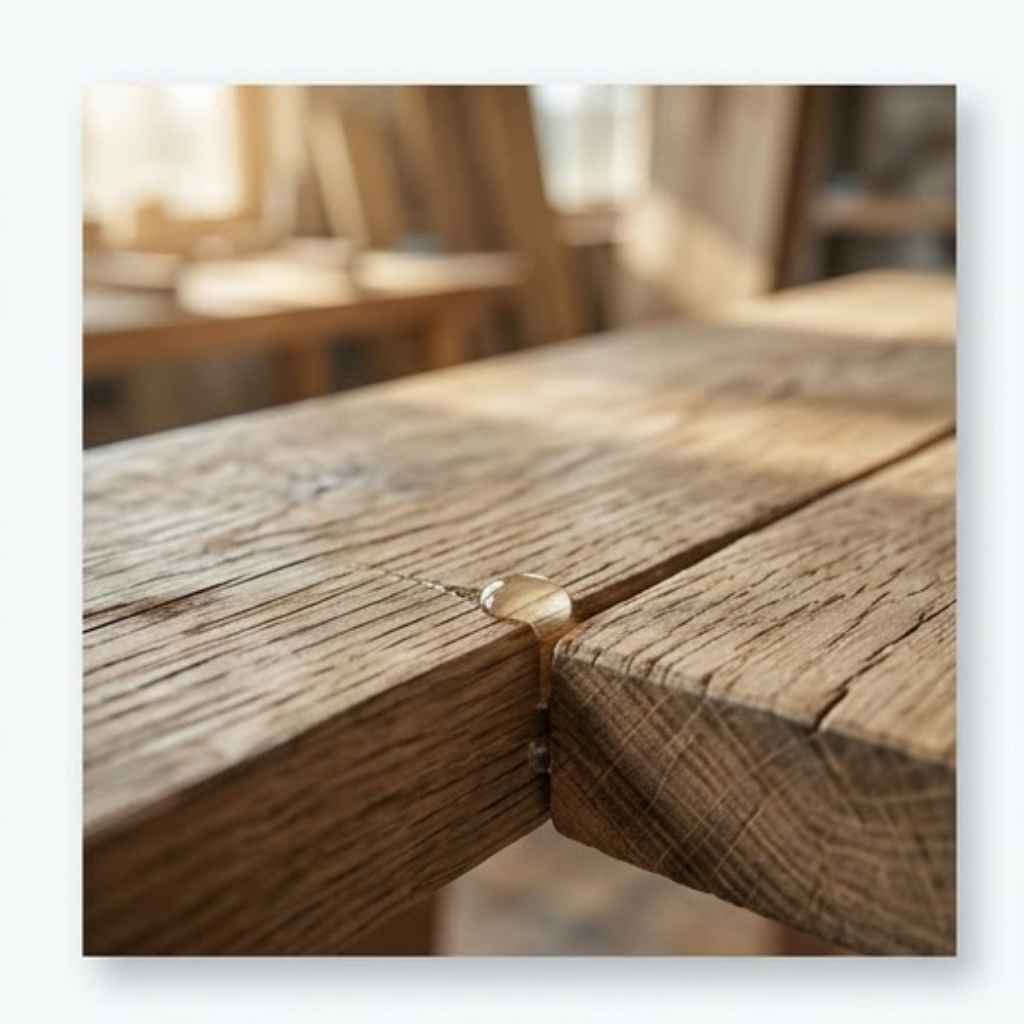
The magic happens when the glue encounters moisture. This moisture can come from the air. It can also come from the items you’re gluing together, especially if they are wood. The polyurethane in the glue reacts with water. This causes a chemical change. Tiny bubbles form. These bubbles help the glue expand and fill any tiny cracks or gaps. As the glue hardens, it becomes very rigid. It creates a bond that is hard to break.
The glue itself is made of long chains of molecules. These chains link together when they react. This process is called polymerization. It creates a strong, solid structure. This structure is what gives the glue its strength. It’s much stronger than many other types of glue. It can handle a lot of stress.
Why Polyurethane Glue is a DIYer’s Best Friend
Many people love polyurethane glue for its all-around usefulness. It’s not just for one type of project. You can use it on wood. You can use it on metal. It even works on some plastics and ceramics. This makes it a go-to for many different repairs and creations. It’s a real problem-solver for those tricky projects.
The Power of Water Resistance
One of the biggest advantages is its water resistance. Most glues can’t handle getting wet. They might soften or break down. Polyurethane glue, however, gets stronger when it’s exposed to water. This makes it perfect for things used outside. Think garden furniture. Think outdoor signs. Or even boat repairs. It can stand up to rain and humidity. This is a huge plus for durability.
It Handles Extreme Temperatures
This glue is also tough when it comes to temperature. It can handle both heat and cold well. This means your projects will stay together. They won’t fall apart if it gets hot in the summer. They won’t break if it gets cold in the winter. This makes it ideal for items that go through all sorts of weather.
When to Choose Polyurethane Glue
Ideal for:
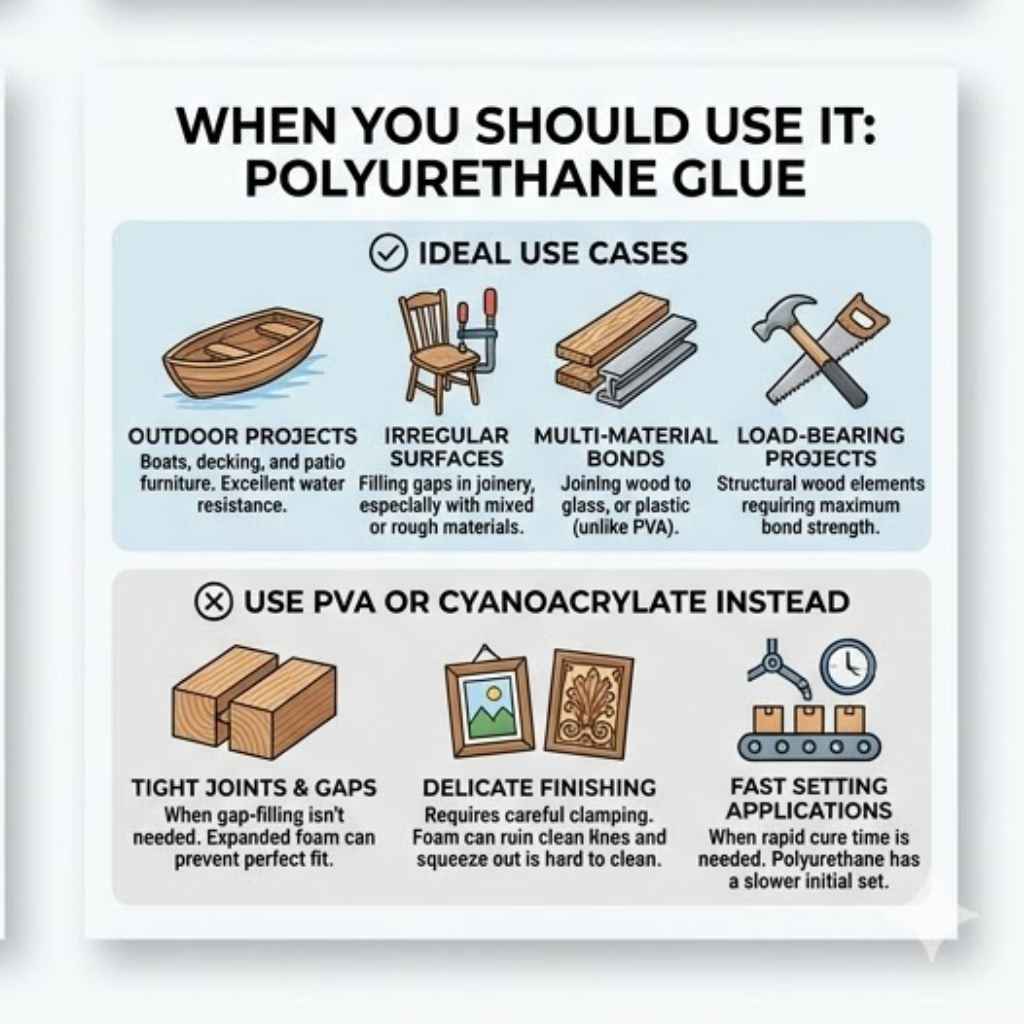
- Outdoor projects
- Woodworking
- Repairs exposed to moisture
- Bonding dissimilar materials (like wood to metal)
- Projects needing a very strong, waterproof bond
Why This Trips Up So Many DIYers
The most common way people learn this lesson the hard way: a project built with standard PVA wood glue, left outside or exposed to rain overnight, comes apart at the joint the next day. Standard wood glue is not designed for sustained moisture exposure — it softens and loses grip. Polyurethane glue behaves the opposite way: moisture is what activates and strengthens the bond, which is exactly why it’s the better choice for anything that will live outdoors or see regular dampness.
Polyurethane Glue: A Closer Look at How It Works
Let’s break down the process a bit more. It’s not just magic. It’s science. And it’s pretty cool science.
Step 1: Application
You apply the glue to one surface. It’s usually a thick liquid. You might see it foam a little as you spread it. That’s normal.
Step 2: Moisture Activation
When the glue is exposed to air or the material, it starts to react. The moisture in the air or the material is key. It kicks off the chemical reaction.
Step 3: Expansion and Bonding
The glue expands. This is the foaming you see. This expansion helps it squeeze into every nook and cranny. It pushes out air. It makes sure there’s full contact between the surfaces. This is super important for a strong bond.
Step 4: Curing
The glue then hardens. It becomes very solid. This process can take a few hours. Full strength usually comes after a day or so.
Polyurethane Glue: The Science Behind the Strength
Process Steps:
- Application: Apply liquid glue to surfaces.
- Moisture Reaction: Water in air or material starts a chemical change.
- Expansion: Glue foams slightly, filling gaps.
- Curing: Chemical reaction hardens glue into a solid bond.
When is Polyurethane Glue the Absolute Best Choice?
There are certain times when this glue just shines. It’s not always the answer, but when it is, it’s really the answer.
Outdoor Projects That Need to Last
This is its home turf. If you are building a deck chair, a mailbox post, or anything that will sit outside, polyurethane glue is your friend. It won’t break down from rain. It won’t get weak from humidity. Your project will stay together through the seasons.
Woodworking Projects Requiring Extreme Strength
For wood joints that need to be super strong, this glue is great. Think about furniture that gets a lot of use. Or structural wood pieces. It creates a bond that can often be stronger than the wood itself. It can also help join different types of wood.
Repairs Where Water is a Factor
Maybe a garden pot cracked. Or a patio table leg is loose. If these items get wet, you need a glue that can handle it. Polyurethane glue is perfect for these kinds of repairs. It provides a lasting fix that won’t fail due to moisture.
Bonding Dissimilar Materials
Ever need to glue wood to metal? Or plastic to ceramic? Polyurethane glue is surprisingly good at this. It forms a strong bond between many different types of surfaces. This makes it very versatile for mixed-material projects.
Key Benefits at a Glance
Pros:
- Waterproof: Excellent for wet or outdoor use.
- Strong Bond: Creates a durable, long-lasting connection.
- Versatile: Works on wood, metal, plastic, ceramic, and more.
- Temperature Resistant: Holds up in hot and cold weather.
- Gap Filling: Expands to fill small imperfections.
Real-World Scenarios Where Polyurethane Glue Shines
Let’s look at some everyday situations. This helps you see how useful this glue can be.
The Leaky Garden Hose Connector
You notice a small leak where your garden hose connects to the spigot. Water is spraying everywhere. You don’t want to buy a whole new hose. Polyurethane glue can create a waterproof seal around that connector. Just clean it well, apply the glue, and let it cure. It should stop the leak and save you money.
Repairing an Outdoor Wooden Bench
Your favorite wooden bench has a loose slat. It’s been out in the sun and rain for years. Using polyurethane glue to reattach the slat will ensure it stays put. It won’t warp or break when it rains. The bench will be safe and usable again.
Assembling a Custom Shelf Unit
You’re building a custom shelf for your garage. It needs to hold tools and supplies. It might get a little damp in there. Polyurethane glue will make sure all the joints are strong and won’t come apart. It can even join plywood to metal brackets for extra support.
Fixing a Broken Ceramic Pot
That beautiful ceramic planter has a crack. You can’t bear to throw it away. If the pot is for outdoors or might get wet, polyurethane glue is a good choice. It will hold the pieces together and resist moisture damage. Your plant has a home again.
What This Means for Your Projects: When to Use It and When Not To
Knowing when to use polyurethane glue is just as important as knowing how.
When It’s Your Go-To Choice
Outdoor builds: Anything left outside needs its strength and water resistance.
High-stress joints: If a piece needs to hold a lot of weight or force.
Projects with mixed materials: When wood meets metal or plastic.
Wet environments: Bathrooms, kitchens, or anywhere moisture is common.
When to Consider Other Options
Indoor projects where aesthetics are key: The foaming can sometimes look a bit messy if not managed. Other glues might offer a cleaner finish for visible indoor joints.
Very precise, tight-fitting joints: If there are absolutely no gaps, a different glue might be easier to work with.
Crafts needing flexibility: Polyurethane glue creates a rigid bond. If you need something that can bend, look elsewhere.
Very porous materials: While it works on wood, extremely porous materials might absorb too much, reducing the bond strength.
Quick Tips for Using Polyurethane Glue Effectively
Getting the best results is easy if you follow a few simple rules.
Preparation is Key
Make sure both surfaces are clean and dry. Remove any dirt, grease, or old glue. This helps the new glue stick well.
Use Just Enough Moisture
Sometimes, you might need to lightly mist one surface with water. Do this especially if the materials are very dry. Don’t soak it. Just a light spray is often enough to start the reaction.
Clamp It Down
Even though it expands, clamping helps ensure good contact. It holds the pieces firmly while the glue cures. You can wipe away excess glue that squeezes out.
Clean Up Promptly
The foam can be hard to remove once it cures. Wipe away any extra glue that oozes out with a damp cloth right after clamping.
Work in a Ventilated Area
This glue has a strong smell. It’s best to use it in a place with good airflow.
Easy Steps for Great Results
Application Guide:
- Clean Surfaces: Ensure they are free of dirt and grease.
- Slight Dampness: A light mist of water can help activate the glue.
- Apply Glue: Spread evenly on one surface.
- Join Parts: Press together firmly.
- Clamp Securely: Hold pieces in place while curing.
- Wipe Excess: Clean up any squeezed-out glue immediately.
Common Questions About Polyurethane Glue
Is polyurethane glue safe to use indoors?
Polyurethane glue can be used indoors. However, it has a strong smell when you apply it. It’s best to use it in a well-ventilated area. Once it cures, the bond is usually very stable and safe.
How long does polyurethane glue take to dry?
It usually takes about 2-4 hours to set enough to handle. Full cure time is typically 24 hours. This can vary depending on humidity and temperature.
Can I use polyurethane glue on foam?
Generally, polyurethane glue is NOT recommended for most foam materials. It can sometimes dissolve or damage certain types of foam. Always test on a small, hidden area first if you are unsure.
Does polyurethane glue expand a lot?
Yes, it does expand. This foaming action helps fill gaps. But be careful not to use too much glue. Too much expansion can push pieces apart or create a messy bond. Wipe away excess glue as it squeezes out.
What surfaces can I NOT use polyurethane glue on?
It’s best to avoid using it on flexible plastics like polyethylene or polypropylene. It also doesn’t stick well to Teflon or silicone. Always check the product label for specific material compatibility.
How do I clean up uncured polyurethane glue?
Wipe up uncured glue with a damp cloth. You can also use mineral spirits or denatured alcohol. Once cured, it’s very hard to remove.
Final Thoughts on Polyurethane Glue
Choosing the right glue makes a big difference in any project. Polyurethane glue offers incredible strength and water resistance. It’s a reliable choice for many demanding jobs. Think about where your project will be. Think about what it will go through. For outdoor use or anywhere moisture is a concern, it’s a winner. With a little care, you can get fantastic, lasting results.
Sponsored / affiliate links. As an Amazon Associate I earn from qualifying purchases. I may earn additional commission from eligible campaigns.