How to Clean Wooden Handles: Mold Removal & Oil Guide
Wooden handles clean best with warm water, mild soap, and a soft cloth wiped with the grain — never soaked, and never with rubbing alcohol or bleach, which strip the wood’s natural oils. Skip drying immediately and handles can swell, crack, or grow mold; use the wrong oil and outdoor handles crack within a season. This guide covers safe cleaning steps, removing mold, and which oil — mineral or boiled linseed — fits indoor versus outdoor handles.
Introduction To Wooden Handle Care
Best Wood Handle Oil Pick
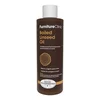
Furniture Clinic Boiled Linseed Oil – $11.95
A Good Housekeeping-tested finish that penetrates and hardens — the same “rub of linseed oil” finish this guide’s extension-agent source recommends after sanding a handle back to bare wood.
- Best for: outdoor tool and garden handles exposed to weather
- Why we picked it: forms a hard-wearing, glossy protective finish that outdoor handles need
- Main drawback: slightly darkens the wood and needs reapplying each season
Compare more wooden handle care options
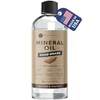 Option 1 Kate Naturals Food-Grade Mineral Oil – $8.49
|
 Option 2 All-Natural Wooden Scrub Brush – $13.99
|
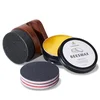 Option 3 Celestree Food-Grade Wax Care Kit – $22.99
|
As an Amazon Associate we earn from qualifying purchases.
Wooden handles need regular cleaning to stay in good shape — dust, hand oils, and moisture are the main culprits behind a dull or sticky finish. Left untreated, common problems include dark stains from oil buildup, surface scratches, and eventually mold in humid sheds or under sinks.
Choose a soft cloth for gentle cleaning and avoid harsh chemicals, which can strip the finish faster than dirt ever would. For the full rundown on protecting wood indoors and out, see our wood care and maintenance guide.
Materials Needed For Effective Cleaning
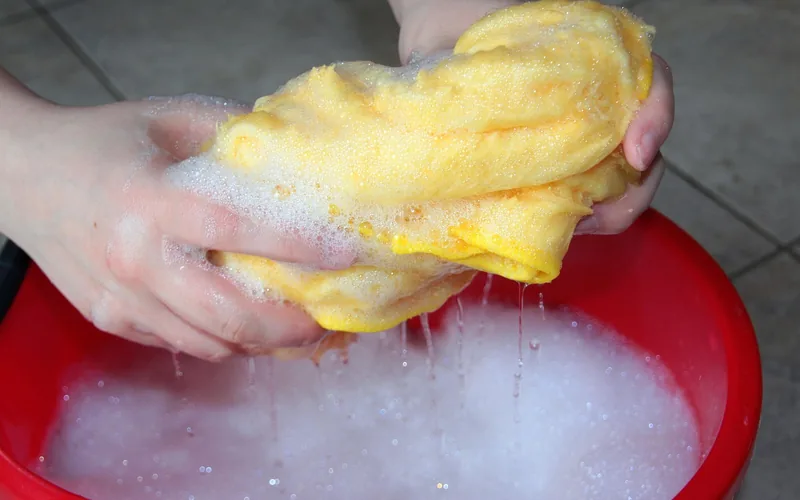
Gather gentle cleaning agents like mild dish soap — skip vinegar and rubbing alcohol, both of which strip the wood’s natural oils and can dull or discolor the finish. For caked-on mud or grime, scrape it off first with a plastic scraper, never a metal one, which can gouge the wood.
Essential tools: a soft microfiber cloth for wiping, a soft-bristle brush for tough stains, a bucket for mixing solutions, 120–150 grit sandpaper for rough or splintering spots, and a food-safe or protective oil for the final conditioning step. Test any cleaning agent on a hidden area first, since finishes vary by wood type and age.
| Tool | Purpose |
|---|---|
| Soft Cloth | Wipe surfaces |
| Soft-Bristle Brush | Remove tough stains |
| Bucket | Mix cleaning solutions |
| Plastic Scraper | Lift caked-on dirt without gouging wood |
| 120–150 Grit Sandpaper | Smooth rough spots or splinters |
| Mineral or Boiled Linseed Oil | Condition and protect after cleaning |
Initial Cleaning Steps
Start by removing dust from the surface of the wooden handle with a soft cloth or feather duster — this prevents grit from scratching the surface during wet cleaning.
Next, mix mild soap with warm water in a bowl. Dip a cloth into the solution and wring it out well; the cloth should be damp, not wet.
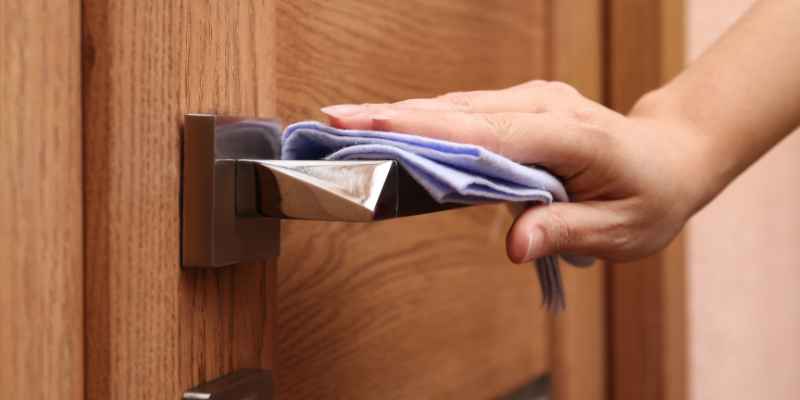
Wipe the wooden handle carefully, covering all areas and paying close attention to grooves. Avoid soaking the wood — standing water swells the grain and can loosen glued tool heads.
Deep Cleaning Techniques
For tougher grime, mix warm water with a few drops of mild soap and dampen a soft cloth with it — avoid soaking the cloth itself to prevent water damage.
Wipe the wooden handles with the cloth, always scrubbing in the direction of the wood grain. This removes dirt without raising the grain or scratching the surface. For tough stains, switch to a soft-bristled brush.
After scrubbing, rinse the cloth with clean water and wipe off any remaining soap. Dry the handles immediately with a clean, dry cloth.
How to Remove Mold from Wooden Handles
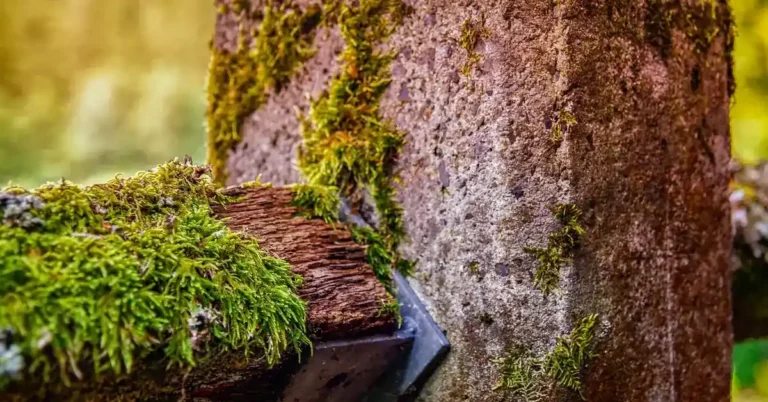
Mold on wooden handles shows up as fuzzy gray, black, or green patches, usually after storage in a damp shed, garage, or under a sink. The EPA recommends scrubbing hard surfaces with detergent and water, then drying completely — the same approach works on sealed or painted wooden handles. Unsealed, porous wood is trickier: mold can grow into the wood’s fibers, and heavily affected handles may need sanding back to fresh wood rather than just wiping.
To remove mold: scrub the area with a soft-bristle brush dipped in warm water and mild dish soap, working in the direction of the grain. Dry the handle completely — ideally outdoors in sunlight, which also helps lighten staining — before storing it anywhere humid again. If the wood still feels soft or the smell lingers after drying, sand it back with 120–150 grit sandpaper and refinish with oil.
Prevent regrowth by storing tools in a dry, ventilated space rather than a sealed damp shed, and by keeping the handle lightly oiled — dry, untreated wood absorbs moisture faster than a conditioned surface. For mold on wood furniture rather than tool handles, see our guide to disinfecting wood furniture.
📊 Mold that penetrates porous, untreated wood often cannot be fully removed by surface cleaning alone — Source: EPA, Mold Cleanup in Your Home
Mineral Oil vs Boiled Linseed Oil: Which Should You Use?
Boiled linseed oil is a wood finish made by treating linseed oil with heat and drying agents so it cures into a hard, protective film — it suits outdoor and garden tool handles because it resists weather better than mineral oil. Mineral oil is a food-safe, non-drying oil that soaks in without hardening, making it the better choice for kitchen tool and utensil handles that touch food.
| Property | Boiled Linseed Oil | Mineral Oil |
|---|---|---|
| Best for | Outdoor and garden tool handles | Indoor kitchen tool handles |
| Food-safe | No — contains metal driers | Yes |
| Weather resistance | High — cures into a hard film | Low — stays absorbed, not sealed |
| Dries / hardens | Yes, within 24–48 hours | No, remains oily until reapplied |
| Reapply | Every few months outdoors | Monthly with regular kitchen use |
“Lightly sand with a medium 120 or 150 grit and give your handle a rub of linseed oil.”
Rinsing And Drying Strategies
To clean wooden handles, start with warm water and a soft cloth to avoid scratches. Rinse the handle gently, making sure to remove all soap residue, which can leave a dull film if left behind.
Drying is crucial: use a dry towel to wipe the handle, and avoid letting water sit on the wood, which can cause warping or splitting. Place the handle in a well-ventilated area to dry completely.
Keep wooden handles away from direct sunlight during drying, since prolonged UV exposure fades color and dries out the surface faster than normal use.
Protecting And Conditioning
Applying a protective oil is key for wooden handles — it keeps the wood moisturized and protects against water damage and staining. Use mineral oil for handles that touch food and boiled linseed oil for outdoor or garden tool handles, as covered above.
Apply oil once the wood feels dry or rough to the touch, using a clean cloth and letting it soak in for 15–20 minutes before wiping off the excess. Softwoods generally need a lighter oil; hardwoods can take a thicker coat.
Regular maintenance keeps the handles looking great — apply oil every few months for lasting protection. If the existing finish is already peeling or flaking, see our guide on how to fix peeling wood finish before oiling over it.
Maintenance And Storage Tips
Establish a regular cleaning schedule for wooden handles — every few weeks for tools in regular use, using a soft cloth and mild soap and avoiding harsh chemicals.
For storage, keep wooden handles in a dry area away from direct sunlight, which causes fading, and away from damp sheds or garages, which encourage mold. A cool, ventilated spot prevents warping and keeps the wood ready for its next oiling.
Troubleshooting Common Issues
Stains and spills on wooden handles can be tricky — wipe them with a soft cloth immediately. For tough stains, mix water and mild soap and gently scrub with a soft brush, then rinse with a damp cloth and dry thoroughly.
To repair scratches, lightly sand the scratched area with fine sandpaper until smooth, wipe away dust with a damp cloth, then apply a wood finish or oil to restore shine.
For cracks, clean the area first, fill small cracks with wood glue, clamp until the glue dries, then sand lightly to blend the repair with the surrounding wood.
Frequently Asked Questions
How Do I Remove Dirt From Wooden Handles?
To remove dirt from wooden handles, use a soft cloth dampened with warm water. Gently wipe the surface, avoiding excess moisture. For stubborn stains, add a small amount of mild soap. Rinse the cloth and wipe again to remove any soap residue. Allow the handles to air dry completely.
What Is The Best Oil For Wooden Handles?
The best oil depends on use: mineral oil is food-safe and works well on kitchen tool and utensil handles, while boiled linseed oil forms a harder, weather-resistant finish better suited to outdoor and garden tool handles. Apply with a clean cloth, let it soak in, and reapply every few months.
How Often Should I Clean Wooden Handles?
Clean wooden handles every few weeks depending on usage. Frequent cleaning helps prevent dirt buildup and maintains appearance. For kitchen tools, consider wiping down after each use. Regular oiling also extends the life of the wood. Always dry handles thoroughly after cleaning to prevent moisture damage.
Can I Use Vinegar On Wooden Handles?
Using vinegar on wooden handles is not recommended — the acid strips the wood’s natural oils and can dull or damage the finish over time. Stick to mild soap and water for routine cleaning. If you’re dealing with mold rather than everyday dirt, follow the mold-removal steps above instead of reaching for vinegar or bleach.
Can I Use Rubbing Alcohol To Disinfect Wooden Handles?
No — rubbing alcohol can permanently discolor and dry out wood, especially on oiled or unsealed handles. For everyday dirt, use mild soap and water. If you need to disinfect against mold or germs, scrub with soap and water per EPA guidance, dry the handle fully, then re-oil it.
How Do I Remove Caked-On Dirt Or Mud From A Wooden Handle?
Scrape off caked-on dirt or mud with a plastic scraper, never a metal one, which can gouge the wood. Once the bulk of the debris is off, follow the standard mild soap and warm water cleaning steps above, then dry the handle immediately.
Conclusion
Cleaning wooden handles mostly comes down to moisture control: gentle soap and water, immediate drying, and the right oil for how the tool is used. Skip vinegar, alcohol, and metal scrapers, sand out rough or moldy spots before they spread, and re-oil every few months to keep the wood from drying out. Keep at it and a wooden handle will easily outlast several replacement tools.
Sponsored / affiliate links. As an Amazon Associate I earn from qualifying purchases. I may earn additional commission from eligible campaigns.