How to Fix Split Wood Caused by a Screw
To fix wood split by a screw, back the screw out, glue and clamp the split if the fibers still meet cleanly, then re-drill a pilot hole that is at least as deep as the screw’s shank and a little smaller than the thread. If you drive the same screw back in without a pilot hole, the split can open farther, weaken the joint, and leave the fastener loose. This guide shows how to assess the damage, choose a glue, filler, or patch repair, and re-fastened the piece without repeating the split.
Factors that cause wood splitting from screws
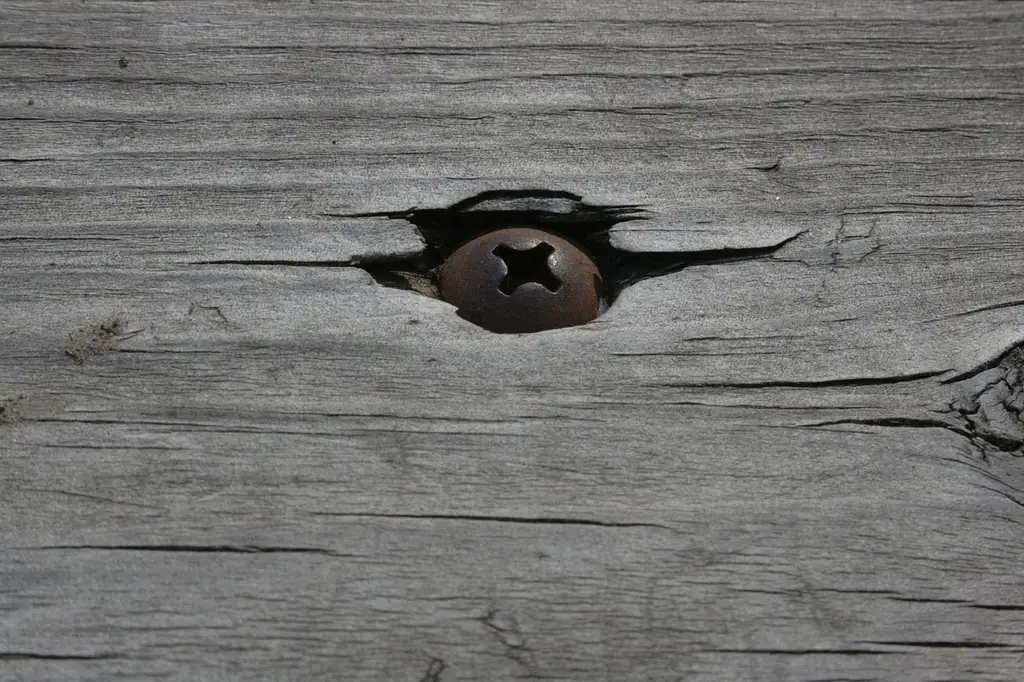


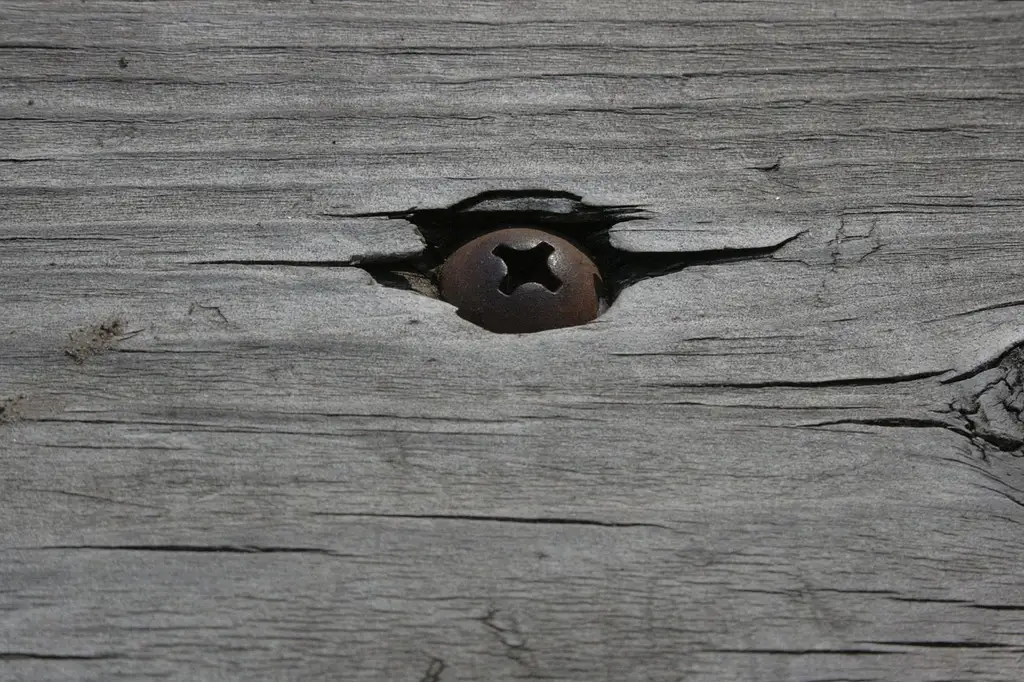
Wood splits when fibers are forced apart faster than they can compress. That usually happens from no pilot hole or one that is too small, from driving too close to an edge or end, or from driving too fast with an impact driver. Softwoods and hardwoods react differently, and end grain fails faster than long grain.
Softwoods such as pine, fir, and cedar often accept coarse-thread wood screws well, but those threads can wedge the fibers harder as they bite. Hardwoods such as oak, maple, and walnut are more likely to crack at the surface, so a sharper point and sometimes a slightly smaller diameter screw may be safer. End grain is weaker than long grain, so it holds screws poorly and needs extra care with placement.
Picture a 1/2-inch cleat split near the end after a #8 screw went in without a pilot hole. The fix is not the same as for a clean crack along the edge of a pine board. The repair method changes with the location and how far the fibers opened.
What you’ll need
- Wood glue for clean splits that still meet tightly
- Clamps that can hold the crack closed while the glue sets
- Filler, wood plugs, or dowels for damaged screw holes
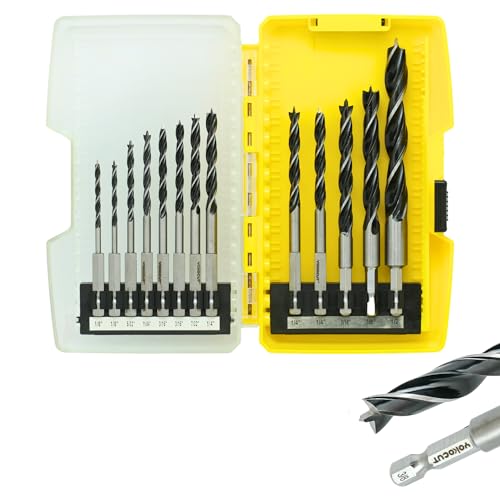
- Drill and sharp bits for pilot holes and clearance holes
- Countersink bit for flat or tapered screw heads
- Screwdriver or drill/driver with clutch control
- Replacement screws in the right gauge, such as #6, #8, #10, or #12
- Scrap wood for a quick fit check before the final drive
Back the screw out if the head is accessible and the screw is not binding the split shut. Clamp the crack closed before drilling again, because the clamp compresses fibers near the hole and helps keep the split from traveling while you work. Clean loose fibers out of the crack, but do not pry it wider.
- Remove the fastener with steady reverse pressure.
- Dry-fit the cracked edges and clamp them until they close.
- Brush out loose chips and dust from the split.
- Test whether the fibers meet cleanly along the crack.
If the split closes neatly, glue-and-clamp is often the first repair to try. If the fibers are crushed, missing, or splintered around the hole, move to a plug-and-redrill repair instead. Say your chair rail split along the edge when a #10 screw went in too close to the end. A clean crack with matching fibers can often be glued, clamped, and re-drilled farther back.
Use glue-and-clamp for small, clean splits. Use plug-and-redrill for damaged screw holes. Replace the part when the split is too long, the grain has crushed away, or the screw area is too weak to hold load. If the board is thin or the split runs through a high-stress joint, replacement is usually safer than a patch.
If that did not work, move to the more invasive option. First relocate the fastener at least far enough from the damaged area that fresh wood surrounds the new hole. Then repair the damaged opening with a plug or filler matched to the species, let it cure, and drill a fresh pilot hole in sound wood.
Split wood repair decision table
| Split location | Split severity | Best repair method | Re-fastening plan |
|---|---|---|---|
| Edge split | Clean crack, fibers still aligned | Glue-and-clamp | Relocate the fastener farther from the edge and drill a fresh pilot hole |
| End-grain split | Short split with sound surrounding wood | Plug-and-redrill after glue cure | Use a smaller gauge screw and move the hole away from the end |
| Surface split under the head | Head crushed the top fibers | Clamp closed, then patch or fill if needed | Add a countersink and re-drive with slower pressure |
| Split around an existing screw hole | Hole is oval, loose, or widened | Plug-and-redrill | Install a hardwood plug, redrill, or relocate the fastener |
How to screw into wood without splitting
Drill the pilot hole to the screw core diameter, not the thread diameter. The pilot should be at least as deep as the screw travel, especially in hardwood and near edges. For a #6 screw in softwood, 3/32 inch is a common starting point. For a #10 screw in hardwood, 9/64 inch is a common starting point.
- Mark the new location farther from the edge or end.
- Drill the pilot hole straight to full screw depth.
- Use a clearance hole in the top piece when joining two boards.
- Drill the clearance hole to about the screw’s outside thread diameter, or slightly smaller if needed.
- Add a countersink for flat or tapered heads, especially near edges and in brittle hardwoods.
The clearance hole helps reduce wedging and board separation. The countersink creates room for the head so it does not pry fibers apart as it seats.
How do you stop the split from returning?
Match the screw to the wood species and thickness. Smaller gauges such as #6 or #8 are safer in thin parts like tray rims and small cleats, while hardwoods may need a slightly smaller diameter screw than you first planned. Keep end grain in mind, because it needs extra spacing and gentler fastening than long grain.
Drive slowly and stop if the wood starts to open. A clamp near the screw location can compress fibers and slow crack growth even when you are not gluing. For softwoods, coarse-thread screws bite well but can wedge harder. For hardwoods, use a sharper point and reduce the diameter if the stock is brittle.
Suppose a walnut shelf split at a screw near the front edge. The safest correction is often to move the fastener inward, shorten the screw if needed, and re-drill a fresh pilot rather than forcing the original hole to work again.
Common mistakes
Using a pilot hole that is too small is a common way to repeat the split. The screw has nowhere to go except by forcing fibers apart. Skipping the countersink at the head can do the same thing from above, especially in brittle hardwoods or near an edge.
Reusing the same damaged screw location is another common failure. If the fibers are crushed or the hole is loose, plug it, move the fastener, or replace the part. For a broken screw that will not back out cleanly, stop before enlarging the split further and switch to a plug-and-redrill repair.
Sponsored / affiliate links. As an Amazon Associate I earn from qualifying purchases. I may earn additional commission from eligible campaigns.
 MECCANIXITY 100 Pcs Wood Plugs, 13/32" Flat Head Wood Plugs for Screw Holes Wooden Screw Hole Covers for Furniture Cabinets DIY Projects Assortment Kit
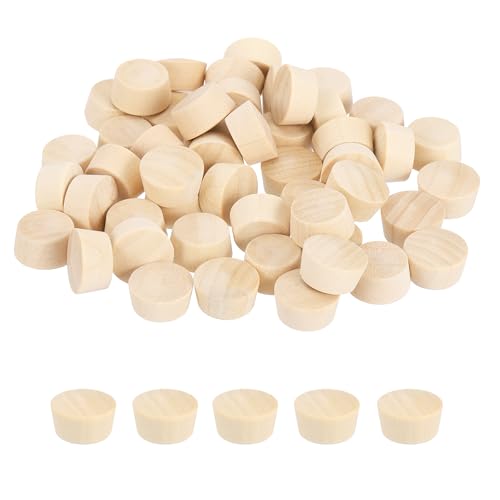 MECCANIXITY 100 Pcs Wood Plugs, 5/8" Flat Head Wood Plugs for Screw Holes Wooden Screw Hole Covers for Furniture Cabinets DIY Projects Assortment Kit