How to Keep Snow Off a Deck
Keep snow off a deck by sealing and maintaining the surface before winter, then remove it when it creates a slip hazard, using a plastic shovel and a pull rather than a scrape. Let snow bond to the boards, and you raise slip risk, add freeze-thaw stress, and can scar wood, composite, or PVC. This guide covers prevention steps, safe removal methods, and deck-specific cautions for wood, composite, and PVC.
This guide is part of our Winter Wood Care: Decks, Fences, Doors and Furniture series.
What you’ll need


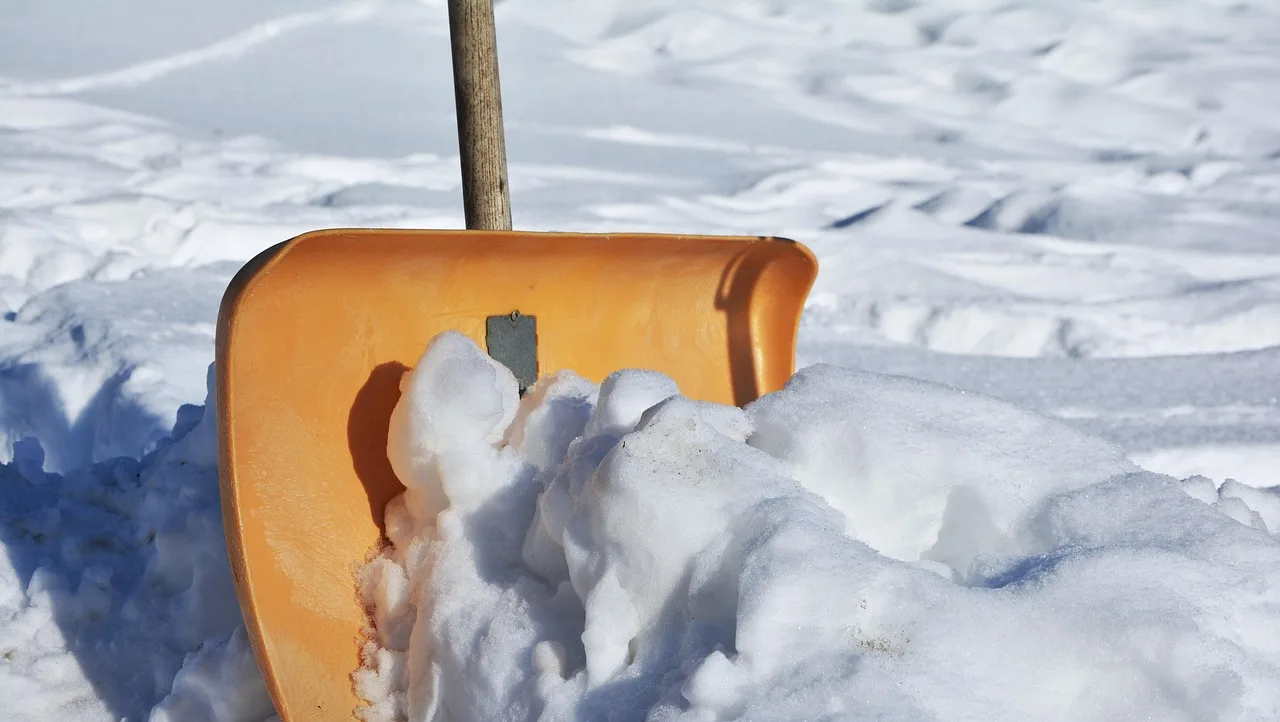
- Plastic snow shovel for general removal; a flat blade lowers scratching risk on wood and composite.
- Soft-bristle broom for light, loose snow.
- Deck-safe ice melt such as calcium chloride for wood decking; magnesium chloride may be used on some hard surfaces.
- Protective cover or tarp to reduce direct snow exposure when the deck is not in use, if it can be supported so snow sheds off rather than pools on top.
- Gloves and slip-resistant footwear for better grip on cold, slick surfaces.
- Push broom or snow pusher if you need to move thin snow without scraping.
Should you remove snow or let it melt?
Light, dry snow can stay for a short time, but once it starts to pack down, refreeze, or block access, remove it. Fresh snow moves faster and does not form the hard crust that sticks to boards.
When light snow can stay put
If the snow is thin, fluffy, and not creating a slip path at the door, waiting is usually safer than overworking the surface. That pause matters most on composite and PVC, where hard scraping leaves visible wear faster than on a textured wood deck.
When to clear it now
Remove snow when depth starts to interfere with walking, when ice is forming underfoot, or when drifting keeps covering the same area. A common first-timer mistake is waiting for a sunny afternoon, then finding the top layer soft and the layer below frozen to the boards.
Why roof runoff keeps causing buildup
Snow shed from a roof or overhang can refill a cleared deck in a short time. If gutters dump onto the same section every thaw, the deck will keep cycling between wet and frozen conditions, which can widen cracks over time.
How do you keep snow off a deck?

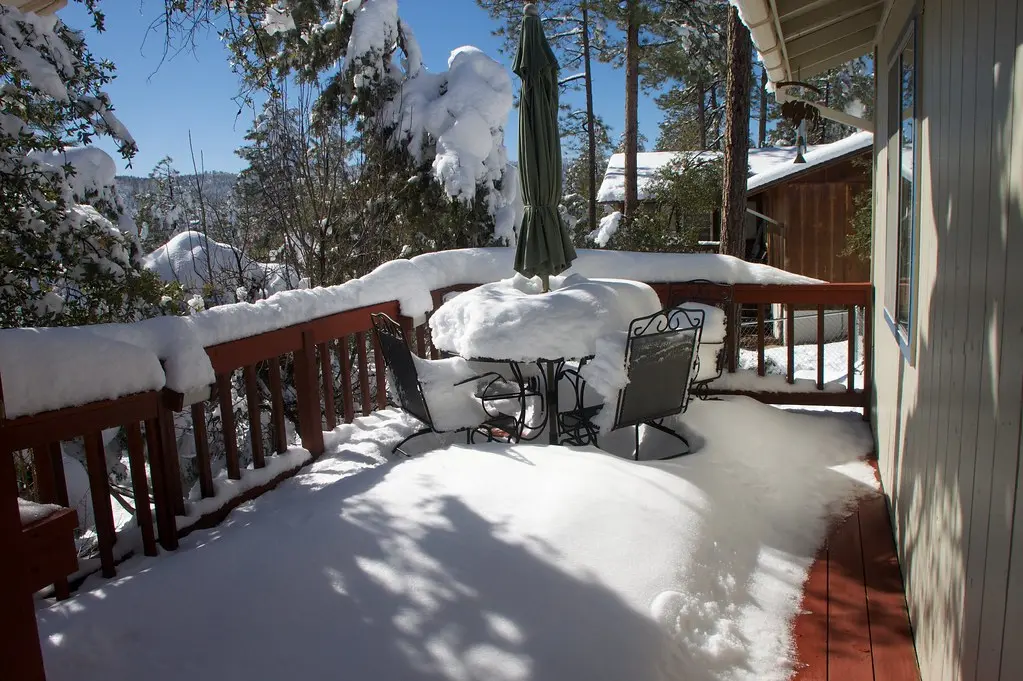
The best answer is prevention, seal the surface before cold weather, block direct snowfall when the deck is unused, and reduce roof runoff so snow is not dropped back onto the boards. Those steps cut the number of cleanups and lower the chance of bonded ice.
Seal before cold weather
A deck sealer can improve winter moisture protection and help reduce water damage. Apply it before sustained freezing weather, with extra attention to open board ends, fastener holes, and worn traffic lanes where meltwater tends to sit.
Use a cover or tarp
A deck cover or protective tarp can help protect decking during winter when the area will sit unused. Keep it arranged so snow sheds off rather than pools on top. A sagging cover traps meltwater and makes the next cleanup harder.
Reduce roof and overhang runoff
Watch the edges above the deck. If snow falls from the roof or drips from eaves onto the same boards again and again, clear gutters and trim anything that directs runoff to the deck surface. That source control matters more than repeated scraping.
Clear light snow before it packs down
Remove fresh snow as soon as possible after it settles. A soft-bristle broom can lift light snow with less wear, and it can help prevent thin snow from freezing into a crust that later needs more force to remove.
How do you get snow off without damaging it?
Use the least abrasive method that will do the job: broom first for light snow, then a plastic shovel for deeper accumulation, and ice melt only when snow has bonded. For wood, composite, and PVC, the goal is to pull snow free, not to scrape the surface clean.
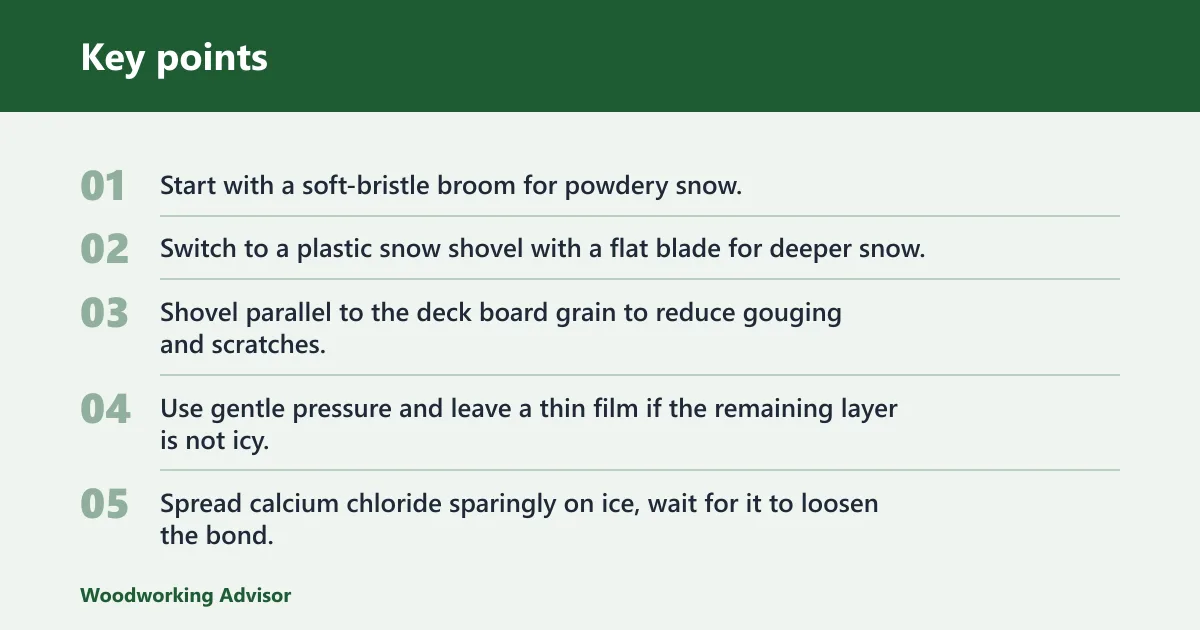
- Start with a soft-bristle broom for powdery snow.
- Switch to a plastic snow shovel with a flat blade for deeper snow.
- Shovel parallel to the deck board grain to reduce gouging and scratches.
- Use gentle pressure and leave a thin film if the remaining layer is not icy.
- Spread calcium chloride sparingly on ice, wait for it to loosen the bond, then lift the softened ice instead of prying hard.
Plastic shovels are preferred over metal because metal shovels can scrape and gouge decking. The linked Family Handyman article recommends a plastic push shovel with a rubber edge, which helps the blade glide without biting into the boards. (Familyhandyman)
Say your composite deck has a light dusting after an overnight storm. A soft broom clears it in minutes. If the same deck has a thin frozen crust by morning, a light application of calcium chloride and a brief wait is safer than chipping at it with a blade.
For frozen snow, give the deicer time to work. If the ice does not release, stop and wait for warmer conditions rather than forcing the tool deeper into the surface. That is especially important on PVC and composite, where hard scraping leaves scuffs that show in direct sun.
Use a snow blower only with strict clearance
A snow blower is not the best choice for most decks, and it should only be used if you can keep it from contacting the surface. Follow the machine’s instructions and avoid letting the housing, auger, or scraper bar ride on the deck.
If the blower’s skid shoes or scraper edge touch the deck, stop. That contact is the problem, not the snow itself.
Snow control decision table
| Deck material | Snow depth | Ice present? | Safest tool | Safest deicer | When to stop and wait |
|---|---|---|---|---|---|
| Wood | Dusting to 2 inches | No | Soft-bristle broom or plastic shovel | None needed | Stop if the surface starts to flex, snow refreezes, or roof runoff keeps reloading the same area |
| Wood | Any depth that packs down | Yes | Plastic shovel used gently, then lift softened ice | Calcium chloride | Stop if ice does not begin loosening after a reasonable wait |
| Composite | Dusting to 2 inches | No | Soft-bristle broom or plastic shovel | None needed | Stop if the snow is bonded, gritty, or hidden under a fresh drift from above |
| Composite | More than 2 inches | Yes | Plastic shovel, then cautious hand removal of loosened ice | Magnesium chloride on surfaces where it is appropriate; avoid routine rock salt use | Stop if scraping would be needed to reach bare board faces |
| PVC | Any depth that is still loose | No | Soft-bristle broom or plastic shovel | Use only if ice has formed and the product is suitable for the surface | Stop if the blower, shovel, or deicer would have to be aggressive to work |
| PVC | Compacted or refrozen snow | Yes | Plastic shovel with gentle pressure | Deck-safe ice melt used sparingly | Stop if the ice is bonded across seams, around hardware, or under a roof drip line |
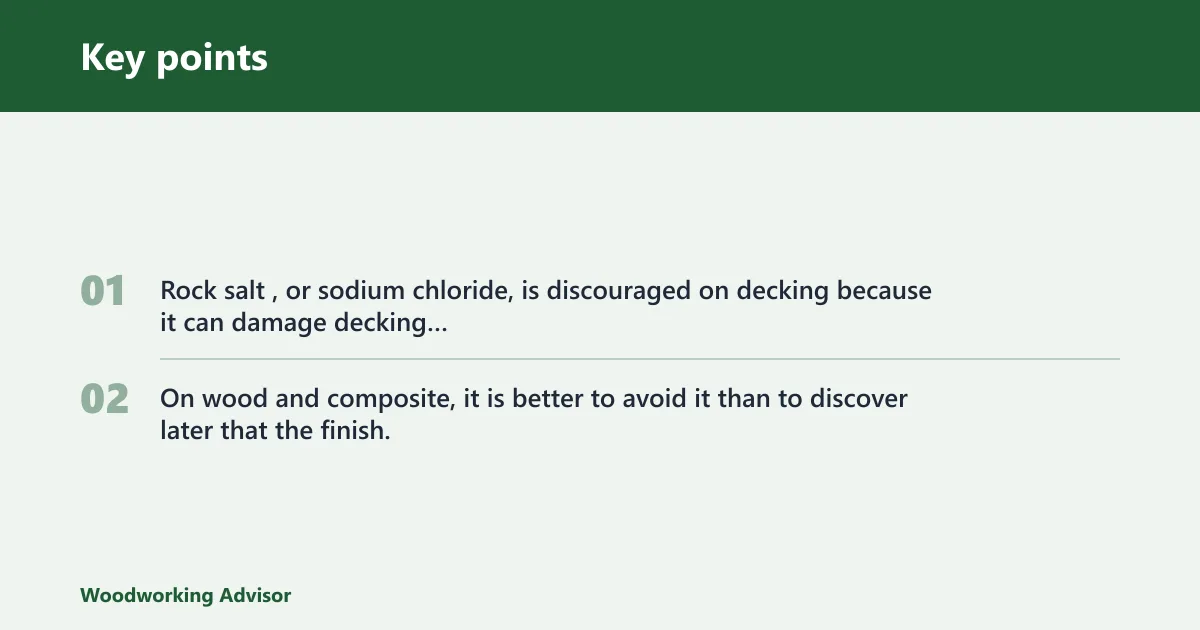
Rock salt, or sodium chloride, is discouraged on decking because it can damage decking and may discolor or contribute to residue, corrosion, or material issues on surfaces. On wood and composite, it is better to avoid it than to discover later that the finish, fasteners, or adjacent concrete picked up the damage instead.
Common mistakes
Most damage comes from the method, not the snow. Metal tools, harsh scraping, and ignored roof runoff all make the job harder and shorten the useful life of the deck.
- Scraping with metal tools. Metal shovels can gouge boards and leave visible tracks in the finish.
- Using rock salt where it can do harm. It is better to keep sodium chloride off wood and composite decking when possible.
- Letting snow compact into a crust. Packed snow is harder to remove and more likely to turn into ice.
- Ignoring repeat snow from the roof. If runoff keeps falling back onto the deck, the same area stays wet, freezes again, and wears faster.
Suppose a homeowner clears a 10-by-10-foot section with a metal shovel and then sees long scrape marks across three boards. The next move is to stop scraping, switch to a plastic blade, and use a gentle pull parallel to the grain. For stubborn ice, wait for calcium chloride to soften it instead of forcing the marks deeper.
A freeze-thaw cycle can widen cracks over time. That is why prevention matters: a sealed surface, fewer wet cycles, and less aggressive cleanup all reduce winter damage.
Frequently asked questions
How do I get snow off my deck without damaging it?
Use a soft-bristle broom for light snow and a plastic snow shovel for deeper accumulation. Keep the blade flat, move parallel to the boards, and use gentle pressure. If ice remains, use calcium chloride on wood or another deck-safe option that fits the surface.
What is the best way to get snow off a wood deck?
For wood decking, the safest approach is a plastic shovel used with the board grain, followed by calcium chloride if ice is present. Family Handyman recommends a plastic push shovel with a rubber edge and calcium chloride on wood decking. Stop if scraping would be needed.
How do I get frozen snow off a deck?
Apply a deck-safe deicer sparingly, let it loosen the bond, and then lift the snow and ice rather than chipping at it. If the crust stays hard after a reasonable wait, stop and wait for warmer conditions. Forced removal raises the risk of gouges and scratched finish.
Can I use a snow shovel on composite decking?
Yes, but choose a plastic snow shovel, not metal, and keep the blade flat with gentle pressure. Shovel parallel to the board grain to reduce scratching. If the snow is thin, a soft-bristle broom is even safer. Avoid aggressive scraping at corners and seams.
What ice melt is safe for a wood deck?
Calcium chloride is the recommended ice-melt option to mention for wood decking. Check the decking maker’s care instructions and consider nearby metal, finish, plant, and concrete exposure before using it. Use it sparingly so it only loosens the ice bond, then remove the softened ice with a plastic shovel. Rock salt is discouraged because it will likely damage decking and can affect nearby surfaces.
Sponsored / affiliate links. As an Amazon Associate I earn from qualifying purchases. I may earn additional commission from eligible campaigns.