How to Reinforce a Fence Post
Reinforce a fence post by bracing a slight lean, resetting a post that has shifted in soil, splicing sound wood above ground, or replacing any post with deep rot or a broken base. Choose the wrong repair and the fence can keep moving, pull fasteners loose, and fail in the next wind or frost cycle. This guide shows how to choose the right repair based on the failure type, soil condition, frost movement, and whether you need a temporary or long-term fix.
Fence post repair guide


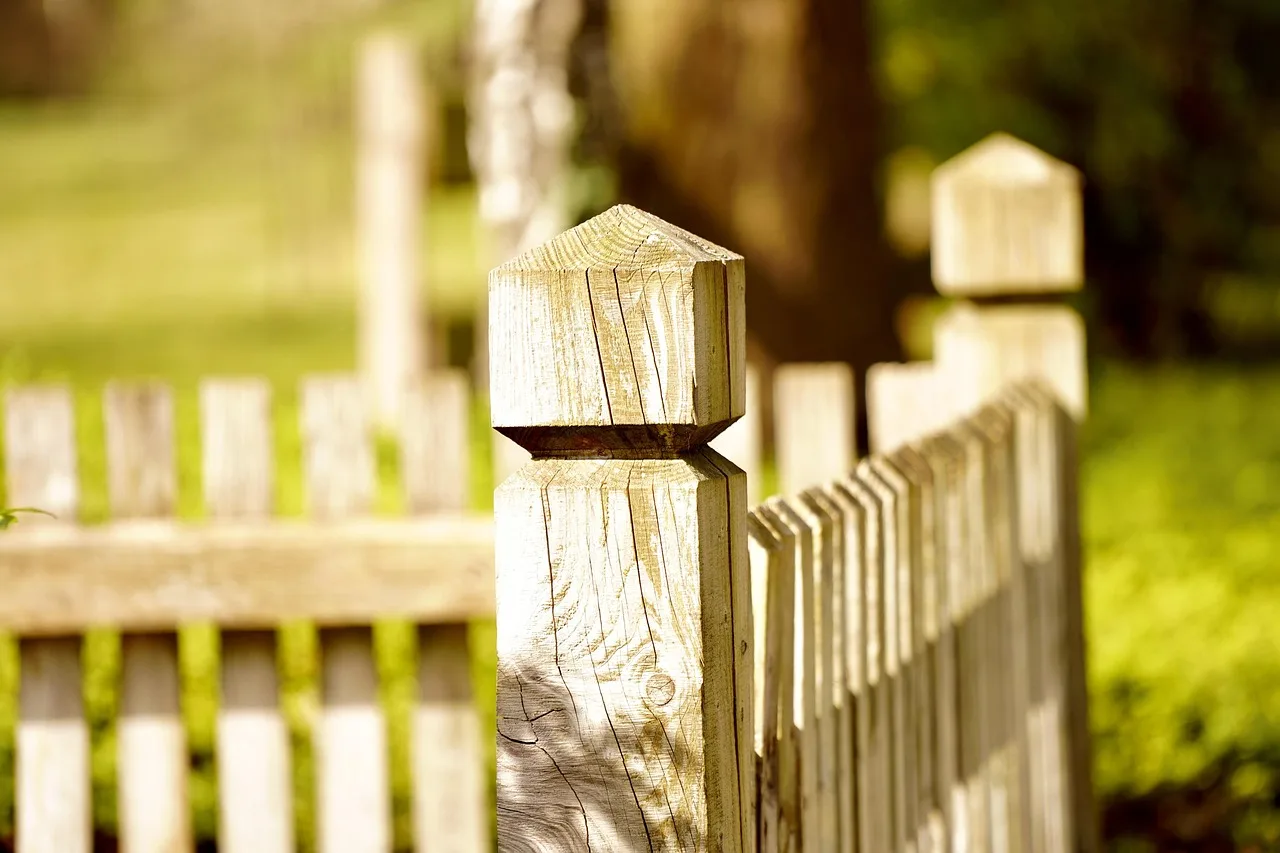
A fence post can fail from lean, looseness, rot, or cracking, and the fix changes with the failure mode. Wood, metal, and vinyl posts all carry load from panels or wire, so the repair has to restore support, drainage, and anchoring at the same time.
When the post is only out of plumb and the base is still sound, a brace and reset may be enough. When the bottom is rotten, split, or crushed by freeze-thaw movement, repair usually stops being dependable and replacement becomes the smarter choice.
When reinforcement makes sense
Use reinforcement when the post is sound above ground and the problem is soil movement, shallow setting, or a minor lean. A reset, brace assembly, or repair spur can buy years of service if the remaining post can still carry the fence load.
When replacement is the better fix
Replace the post if the base is badly rotted, cracked through, bent, or loose because the hole has enlarged after repeated movement. A patch that leaves the load path damaged often fails again, especially on corner posts and high-tension runs.
📊 This Old House notes residential fence posts are typically spaced 6 to 8 feet apart. Source: How To Install a Fence Post.
What you’ll need
- Post level or line level
- Shovel or post-hole digger
- Digging bar
- Temporary brace boards
- Clamps
- Drill with bits matched to your bolt or lag diameter
- Carriage bolts, lag screws, washers, or through-bolts
- Repair spur or post support for rotted wood
- Concrete mix for permanent reset work
- ¾-inch crushed stone or gravel
- Work gloves and eye protection
- Fence wire tools or tensioning tools, if applicable
Tools for bracing and digging
Use a brace assembly to hold the post plumb before you loosen hardware or dig. For corner posts and wire fences, reduce fence tension first so the brace is not fighting the fence load.
Materials for drainage, anchoring, and splicing
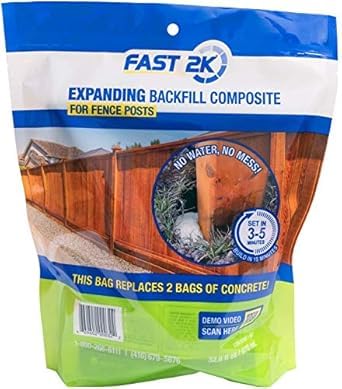
Concrete mix is the long-term choice when the post needs to be reset or anchored in place. Gravel or crushed stone improves drainage at the base, and a repair spur lets you reinforce sound wood without removing the whole post.
Safety gear and fasteners
Wear gloves and eye protection when cutting, drilling, or prying. Match pilot holes to the fastener size you plan to use; if the bolt or lag size varies by brand, check the manufacturer’s listing for your model before drilling.
Fence post decision table
| Symptom | Likely cause | Best repair method | Tools needed | Expected durability | When replacement is smarter than repair |
|---|---|---|---|---|---|
| Post leans after rain or thaw | Soil movement, shallow setting, or freeze-thaw action | Brace it, reset deeper, and anchor with concrete if the hole can be rebuilt | Brace boards, shovel, level, concrete mix | Long term if the base is sound and depth reaches below frost effects | If the hole keeps enlarging or the base is cracked or rotted |
| Post feels loose in soft or disturbed ground | Loose fill, washed-out soil, or repeated movement | Reset in firmer soil, add drainage stone, and use a deeper footing | Shovel, gravel, level, concrete mix if needed | Moderate to long term, depending on drainage | If the surrounding soil will not hold a new footing |
| Bottom of wood post is rotten or cracked | Ground-level rot or freeze damage | Install a repair spur on sound wood, or replace the post | Drill, bolts or lags, saw, clamp | Temporary to medium term for a spur; long term only if enough sound wood remains | If rot extends too far into the load-bearing section |
| Corner post pulls out of line | High fence tension at the corner | Use an H-brace or brace assembly and reset the post deeper | Brace posts, wire or fasteners, shovel, level | Long term when built below frost depth and re-tensioned correctly | If the post is split, bent, or the brace cannot anchor in sound ground |
How do you stabilize the post first?
Stabilize the post before you touch the footing or fasteners. Reduce fence tension if the post carries wire or a corner load, then hold the post plumb with a brace assembly so the repair does not shift while you work.
Reduce fence tension before repair
- Release wire or panel tension at the nearest hardware point.
- Support the fence section so it does not sag onto the post.
- Check that corner posts are unloaded before loosening the base.
Corner posts carry the highest tension load in a fence, so this step matters most there. If tension stays on the post, the new footing can move before it cures.
Set a brace assembly to hold plumb
- Place a second brace post several feet away from the fence post.
- Fasten a diagonal brace so the post stays upright.
- Check plumb from two sides, then tighten the brace.
An H-brace is the most effective reinforcement method for high-stress corners. Use it when the post has to resist wire tension or repeated side load.
How do you fix a leaning fence post?
Fix a leaning fence post by finding why it moved before you reset it. If the lean comes from soil movement or shallow depth, a deeper hole and firmer footing can hold it. If the base is rotten or the soil is too unstable, replacement is the safer choice.
Reset the post in a deeper hole
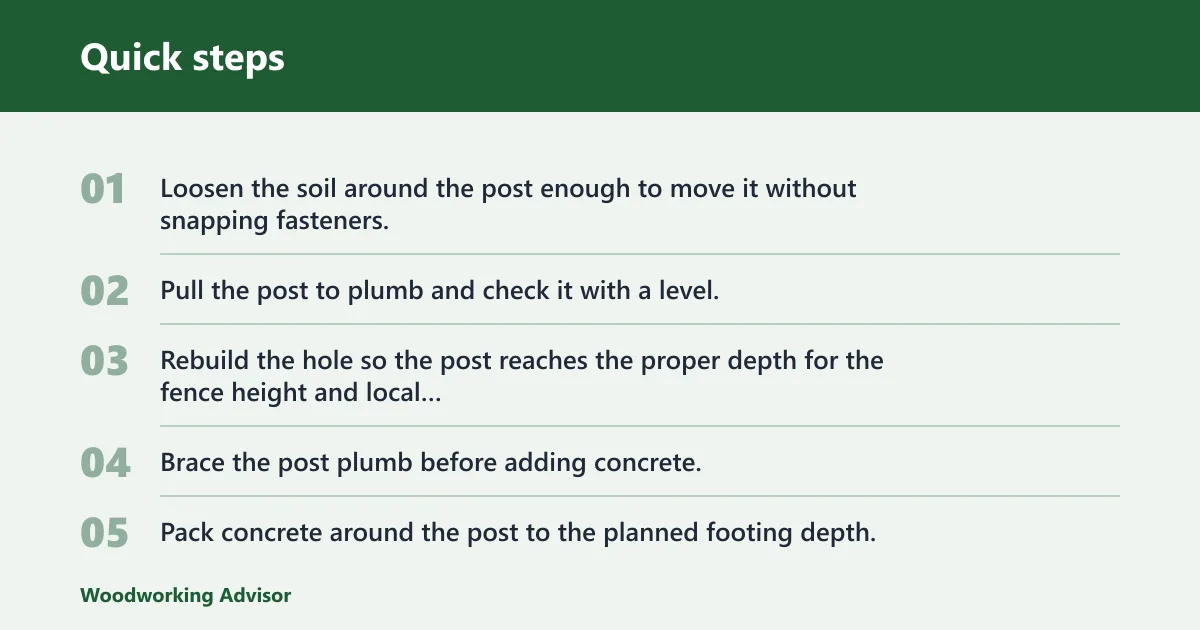
- Loosen the soil around the post enough to move it without snapping fasteners.
- Pull the post to plumb and check it with a level.
- Rebuild the hole so the post reaches the proper depth for the fence height and local frost conditions.
This Old House says a 6-foot fence post should be set 36 inches deep in cold climates, and the general rule is hole depth equals one-third the post height plus 6 inches. For a 3½-foot fence, This Old House says to go at least 28 inches into the ground.
Use concrete mix for a long-term anchor
- Brace the post plumb before adding concrete.
- Pack concrete around the post to the planned footing depth.
- Leave the brace in place while the mix cures.
Use concrete mix when the post needs to be reset or anchored for the long term. Do not skip bracing; the post can drift out of plumb while the mix sets.
Add gravel where drainage is poor
- Excavate the base until you reach firmer soil.
- Place a drainage layer of crushed stone at the bottom.
- Reset the post and backfill with the chosen setting method.
This Old House recommends a 6-inch base of ¾-inch crushed stone for drainage. In wet soil, that layer helps move water away from the base and can reduce rot. (Thisoldhouse)
Say your 6-foot fence post leans after spring thaw in clay soil. The base is still solid, but the hole has widened and the post moves when pushed. A deeper reset with drainage stone and concrete is more reliable than a surface patch.
How do you repair a rotted fence post?
Repair a rotted fence post only if sound wood remains above and below the damaged area. A repair spur can stabilize the post when the rot is localized near the base, but deep decay means the post should be replaced instead of patched.
Use a repair spur on sound wood
- Cut away loose rot until you reach firm wood.
- Hold the repair spur against the sound section of the post.
- Drill pilot holes and bolt the spur in place.
Use a repair spur or post support for rotted wood posts when the remaining post can still carry load. Bolt the support to sound wood; a loose splice does not restore strength.
Replace the post when damage is too deep
- Probe the base for soft, crumbly, or split wood.
- Replace the post if the damage reaches the main load path.
- Set the new post deeper and improve drainage before backfilling.
How Which Fence notes that wooden fence posts commonly rot at ground level. If the bottom section is badly compromised, a new post gives a safer long-term result than a spur.
Suppose a corner post has rot only on one face near grade, but the rest of the post is firm. A bolted repair spur can work. If the same post snaps or flexes at the base, replacement is the better fix because the load path is already gone.
Common mistakes
Shallow resets, poor drainage, and leaving tension on the fence are commonly reported reasons a repair may fail again. Cold-climate repairs fail faster when the footing does not account for frost heave and freeze-thaw movement.
- Shallow reset depth: a post set above frost depth can move again after winter.
- Ignoring drainage: standing water at the base speeds rot in wood posts.
- Skipping the brace: a post can drift before concrete cures.
- Re-tensioning too soon: wait until the repair is stable and the footing has set.
- Treating soft soil like firm soil: loose fill often needs deeper anchoring or replacement.
Set the post below the local frost line, keep water away from the base, and check the repair after the first hard rain or freeze.
How do I fix a fence post?
Start by finding the failure mode. If the post leans but the wood is sound, brace it and reset it deeper; if the bottom is rotten or cracked, use a repair spur only when enough sound wood remains, otherwise replace the post. The right fix depends on the load and the soil.
How do I straighten a fence post that is leaning?
Loosen the fence load, brace the post plumb, and reset the footing so it holds that position. In cold climates, the footing needs to extend below local frost depth; This Old House gives 36 inches for a 6-foot fence post and a one-third-plus-6-inch rule for general depth.
How do I repair a fence post without removing it?
Use a repair spur, brace assembly, or reset in place if the post is still structurally sound. Drill pilot holes matched to the fastener size, bolt the support into sound wood, and re-tension the fence only after the post is stable.
How do I fix a fence post that’s rotted at the bottom?
Cut back to sound wood and bolt on a repair spur if the decay is localized. Replace the post if the rot reaches the main load-bearing section or the base is soft enough to flex by hand. Ground-level rot is common, so check for hidden damage before choosing a patch.
How do I fix a fence post in soft ground?
Soft ground usually needs deeper anchoring, better drainage, or a complete reset in firmer soil. Add crushed stone at the base, then use concrete mix if the post needs a long-term hold. If the soil stays loose after repeated repairs, replacement in a new location is usually better.
Frequently asked questions
How do I fix a fence post without concrete?
Use compacted soil, gravel, or a driven repair spur only if the post load is modest and the soil is firm. For corners and high-tension runs, concrete or an H-brace is the safer long-term choice. If the ground is loose or wet, a no-concrete repair tends to move again.
How do I fix a fence post on concrete?
If the post is anchored to an existing slab or footing, use a base bracket or replace the damaged anchor hardware if the model allows it. Check the fastener pattern and follow the manufacturer’s listing for your post base or bracket before drilling new holes.
How do I fix a fence post that is loose?
A loose post needs the surrounding soil, footing, or fasteners corrected, not just a tighter fence board. Reset it deeper, add drainage stone if water sits at the base, and use concrete mix when the post must stay put for the long term.
Sponsored / affiliate links. As an Amazon Associate I earn from qualifying purchases. I may earn additional commission from eligible campaigns.
 Girftong Fence Post Cover For 4X4 Wood Posts, PP Plastic With Screws, Waterproof Anti-Cracking Deck Pole Protectors For Garden Yard Outdoor Use, Black-Finish,(32pcs)
 4.21" x 3.94"U Shape Fence Post Holder,1 Pack Concrete Post Base Anchor Bracket,Heavy Duty Wood Post Support for Deck Railing,Fence,Pergola,Mailbox,Ground Mount Pole Construction (1, 4.21" x 3.94")