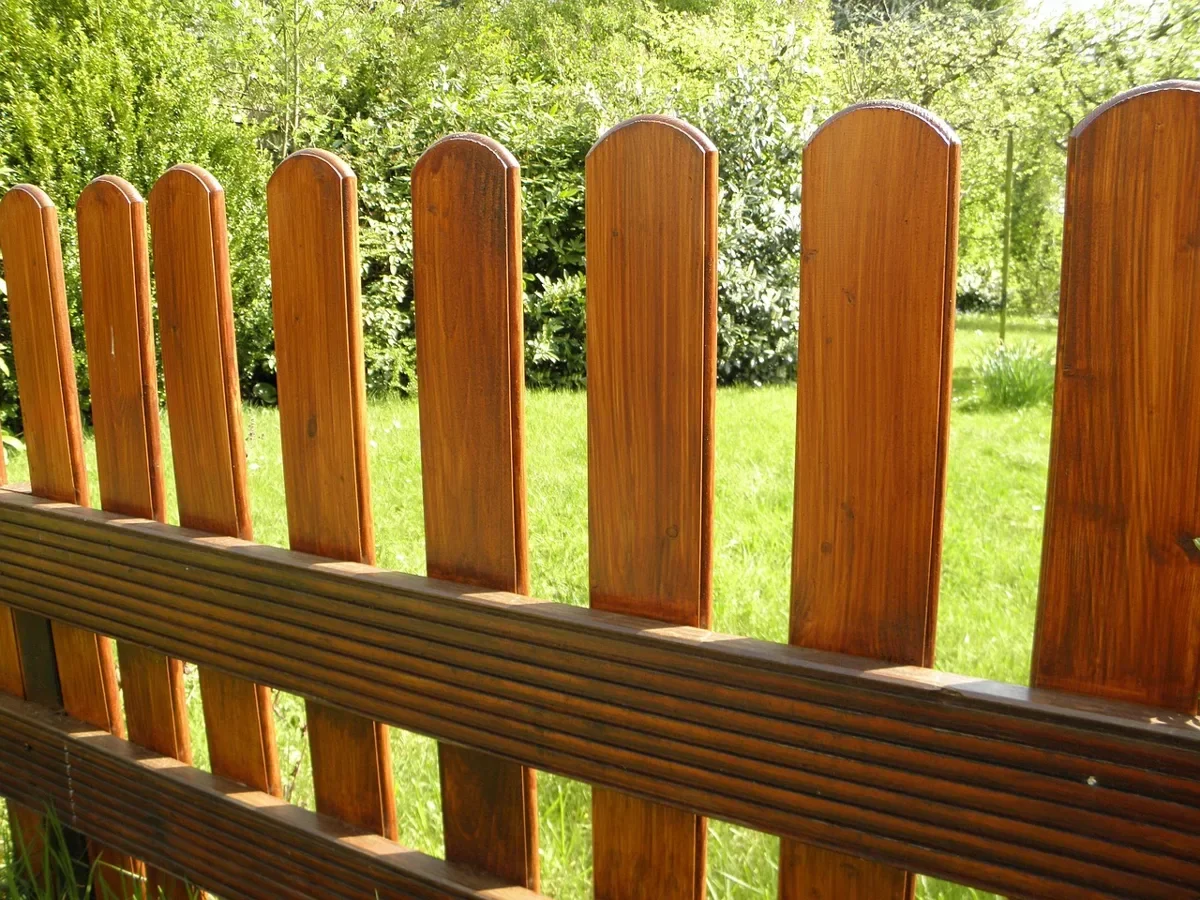
How to Seal a Wood Fence: Steps, Timing and Gallons Needed
To seal a wood fence, clean it, let it dry until splashed water soaks in instead of beading, then apply a fence sealer in dry weather, working one section at a time. New pressure-treated lumber often only needs about 30 days of drying per YellaWood, not the several months you may have heard, but old gray boards need a full clean first.
This guide covers the water-splash test that tells you when to start, a gallons-and-cost table by fence length, how to apply the sealer without lap marks, and how to keep the end grain from rotting. To pick a color, see the best fence stain.
The Sealer Worth Using on Most Fences
Best No-Lap Fence Sealer Pick
 |
Ready Seal Exterior Wood Stain and Sealer, Redwood, 1 Gallon, $34.79 A pigmented exterior stain and sealer the listing says can go on with a sprayer, roller or brush, with no back brushing required.
|
Any exterior product made for fences will work if you follow its label. The pick above suits beginners for a specific reason: its listing says it needs no back brushing and no wet-line, so overlaps are forgiving. Read the can you buy, because application rules differ by brand.
What a Fence Sealer Does (and Which Fence Guide You Need)
A sealer slows water from soaking into the boards. That matters because wood swells when wet and shrinks as it dries, and repeated swelling is what opens cracks and lets rot start. Pigment in a stain and sealer also blocks some sun, so most fence products combine both jobs.
Three related jobs get mixed up. Sealing (this page) is the coating step. Choosing a color is covered in the fence stain guide, and staining cedar has wood-specific advice. If you are worried about posts and boards already rotting, see how to protect a fence from rotting.
Step 1: Check the Weather and the Wood
Pick a stretch with no rain in the forecast and temperatures inside the range printed on your can. Application temperature limits vary by product, so use the label rather than a rule of thumb. Avoid sealing in hot direct sun if your label warns against it, since the surface can dry before the product soaks in.
The water-splash test
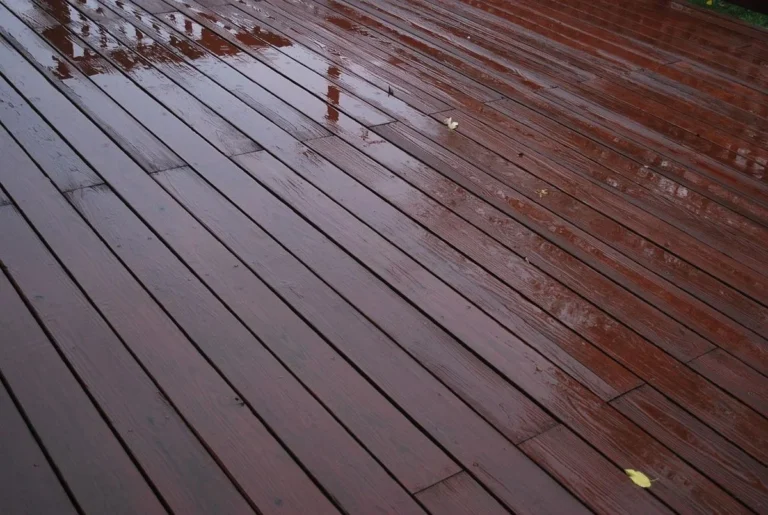
Splash a few beads of water on the boards. If they bead up, the wood is too wet or still repelling water, so wait several days and test again. If the water soaks in, the wood is ready. This is the same test YellaWood describes for new pressure-treated boards, and it works on bare or freshly cleaned boards of any age. On a fence that already has a finish, beading instead means the old coat is still working.
A common mistake in older advice is to wait months before sealing new pressure-treated lumber. YellaWood now says its product can often be finished within 30 days depending on local weather, and that kiln-dried-after-treatment lumber needs no wait. Use the water test instead of the calendar.
Step 2: Gather Tools and Estimate How Much Sealer You Need
- Garden hose, stiff brush, and a deck or fence cleaner
- Pump sprayer, roller with an extension pole, or a natural-bristle brush
- Painter’s tape, drop cloths, and plastic for plants and stone below the fence
- Safety glasses, chemical-resistant gloves, and long sleeves
- Clean rags and a metal bucket with lid for used rags
Buying enough sealer the first time is the part most guides skip. Coverage depends heavily on how rough the boards are. Ready Seal states about 125 sq ft per gallon on rough or weathered wood and up to 250 sq ft per gallon on smooth planed wood for a first coat. The table applies those two figures to a solid 6 ft fence coated on both sides (length x 6 ft x 2 sides).
| Fence length (6 ft tall, both sides) | Surface area | Gallons, rough boards (125 sq ft/gal) | Gallons, smooth boards (250 sq ft/gal) |
|---|---|---|---|
| 50 ft | 600 sq ft | 4.8 | 2.4 |
| 100 ft | 1,200 sq ft | 9.6 | 4.8 |
| 150 ft | 1,800 sq ft | 14.4 | 7.2 |
At the $34.79 one-gallon price listed for the pick above when this page was updated, sealing 100 ft of rough fence works out to roughly 10 gallons, or about $350, and a smooth fence about half that. Prices change and larger pails cost less per gallon. These numbers assume a solid fence; picket fences with gaps use less, and open lattice much less. Coverage for other brands is on their cans.
Step 3: Clean the Fence
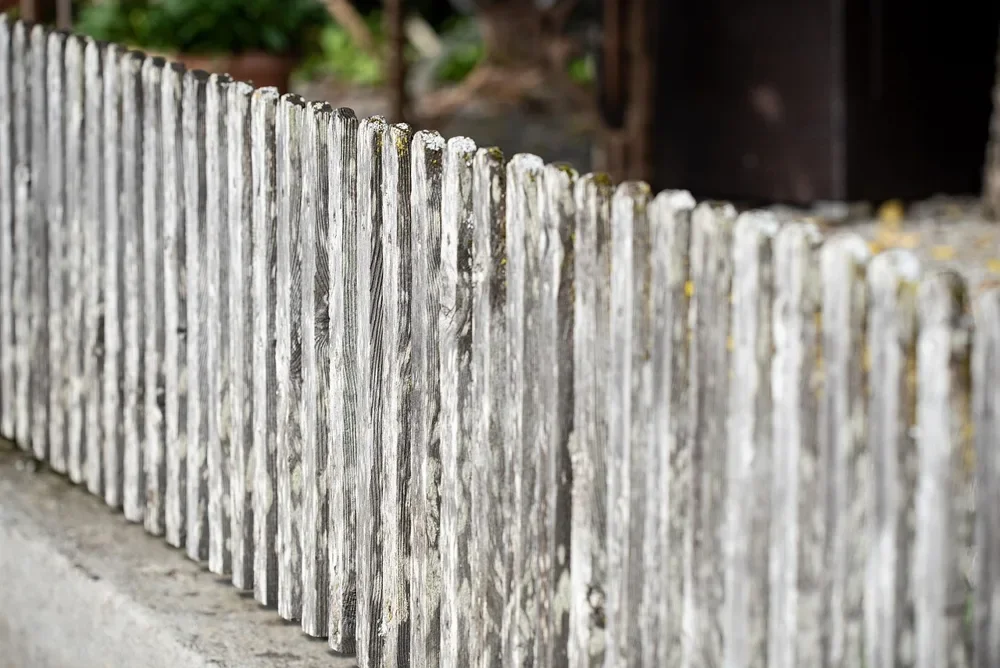
Sealer sticks to wood, not to dirt, mildew or loose gray fibers, so cleaning decides how well the finish lasts. Wet the fence and any plants beside it, then apply a wood or deck cleaner following its label, scrub with a stiff brush, and rinse thoroughly. For a full walkthrough, including the no-pressure-washer method, see cleaning a wood fence without a pressure washer.
- Never mix bleach with other cleaners, especially ones containing ammonia or acid, since the mix can release toxic gas.
- If you pressure wash, use a wide fan tip, start at low pressure on a hidden board, and keep the wand moving. Too much pressure raises fuzzy wood fibers.
- Wear eye protection and gloves with any cleaner, and read the label for plant and runoff warnings.
Step 4: Let the Fence Dry
Give the fence at least a couple of dry days after washing, more in cool or humid weather, and repeat the water-splash test before you open the can. Sealing damp wood traps moisture and can lead to blotchy or peeling finish. If rain is likely within a day, see how long fence stain needs to dry before rain.
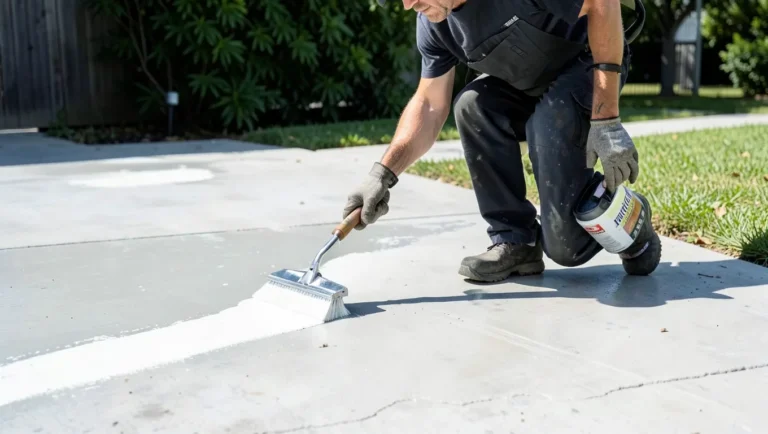
Step 5: Apply the Sealer
- Stir the can and test the color on a hidden board or the back of one picket, then let it dry to see the final tone.
- Protect what is nearby. Cover plants, walkways and siding, and tape off hardware you do not want coated.
- Start with the tops and end grain. Cut ends and board bottoms soak up the most product and are where rot usually starts, so give them extra attention.
- Work top to bottom in short sections so you always overlap onto a wet edge, which is how you avoid lap marks with products that need a wet line.
- Coat evenly without letting it pool. Sprayed product should be brushed or rolled in if the label calls for back brushing. Some products, like the pick above, say back brushing is not required, so follow your can.
- Apply a second coat only if the label says so and at the timing it gives. Ready Seal, for instance, says wet-on-wet within about 15 to 45 minutes.
- Wipe puddles and drips before they cure, and flip rags flat to dry outdoors or keep them in a lidded metal bucket of water, since rags soaked in oil-based finishes can heat up and ignite.
Sprayer, roller or brush
| Applicator | Best for | Watch out for |
|---|---|---|
| Pump sprayer | Big fences, fast coverage | Overspray and wasted product |
| Roller on a pole | Flat solid panels | Poor penetration into rough or gapped boards |
| Natural-bristle brush | Picket tops, rails, end grain | Slow on large jobs |
How Long Does a Sealed Fence Last?
There is no single number. YellaWood recommends sealing new pressure-treated lumber within six weeks of completion and reapplying annually with a product that contains UV stabilizers and water repellents, while other products claim longer. Your can gives the manufacturer’s figure, and sun-facing sides wear first. For a deeper look at lifespans by product type, see how long wood sealer lasts.
Use the water-splash test each spring. If water soaks in or the boards look gray, it is time for a clean and a fresh coat. Products designed for recoating usually only need a wash first, as the pick above states no sanding or stripping is required.
Sealing Different Fences
- New pressure-treated: use the water test instead of guessing at months. See cedar vs pressure-treated fences for how the two woods compare.
- Cedar: a naturally rot-resistant wood, but it still weathers gray without pigment. Does a cedar fence need to be stained? covers the trade-offs.
- Old gray fences: clean twice if needed and expect rough boards to drink 125 sq ft per gallon or less.
Common Fence Sealing Mistakes
- Sealing over dirt or mildew. The sealer bonds to whatever is on top.
- Sealing damp wood. Skip the calendar and use the splash test.
- Running short of product. Rough boards take far more than smooth ones, so buy by the table above, not by hope.
- Skipping end grain and board bottoms. These soak up water fastest.
- Extra coats not on the label. A thick film on top can peel.
Frequently Asked Questions
Should I stain or seal a wood fence?
A clear water-repellent sealer stops water but usually gives little color or sun protection. A pigmented stain and sealer, which is what most products sold for fences are, does both jobs in one coat. If you are still choosing a color, compare options in the fence stain guide before you buy.
How long should a new fence dry before sealing?
It depends on the wood. YellaWood says its pressure-treated lumber can often be finished within 30 days, and kiln-dried-after-treatment lumber needs no waiting. Splash water on the boards: if it beads up, wait several days and test again; if it soaks in, you are ready.
Can I seal a fence right after pressure washing?
No. Let the fence dry for at least a couple of dry days first. Wood that still holds cleaning water blocks the sealer from soaking in. Use the water-splash test to confirm it is ready.
Do I need two coats on a fence?
Follow the label. Ready Seal, for example, says the second coat goes on wet-on-wet within roughly 15 to 45 minutes while the first coat is still tacky, and that the second coat covers about 250 sq ft per gallon. Many other products call for a single coat, and a second coat on a dry first coat can leave a glossy film.
How many gallons do I need to seal a fence?
Multiply fence length by height by the number of sides you are coating, then divide by the coverage on the can. A 100 ft, 6 ft tall solid fence sealed on both sides is 1,200 sq ft, or about 9.6 gallons on rough wood at 125 sq ft per gallon.
Can I seal a wet or damp fence?
Not reliably. Damp boards block penetration, and the finish can turn blotchy, gummy or peel. Wait for a dry stretch and check the water-splash test first.
Sealing a fence comes down to clean wood, dry wood, the right amount of product, and following the can. Use the water-splash test and the gallons table, and the finish will last far longer than a rushed weekend job.
Sponsored / affiliate links. As an Amazon Associate I earn from qualifying purchases. I may earn additional commission from eligible campaigns.