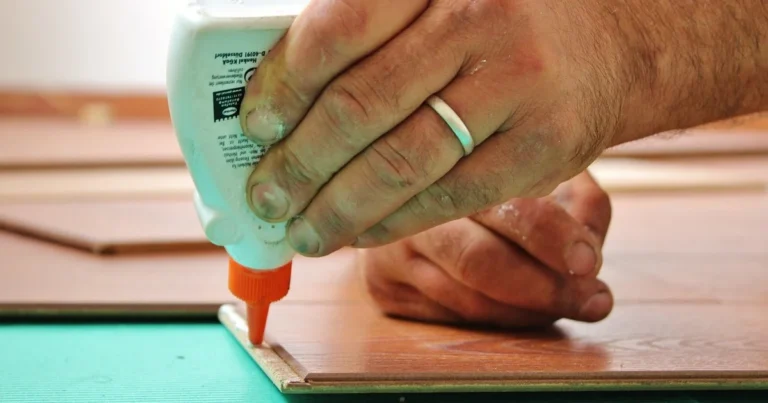
Wood Glue Turning Yellow Over Time: Is It a Problem
Yellowing in wood glue is often normal aging, but if it turns dark amber, thickens, smells off, or has sat frozen or overheated, replace it; for visible joints, switch to a fresh bottle when color change is obvious. Bad glue can leave a joint weak, stained, or both. This guide shows how to tell cosmetic yellowing from storage damage and when to keep or toss the bottle.
This guide is part of our Wood glue essentials: types, uses, and cure times series.
Why wood glue turns yellow over time


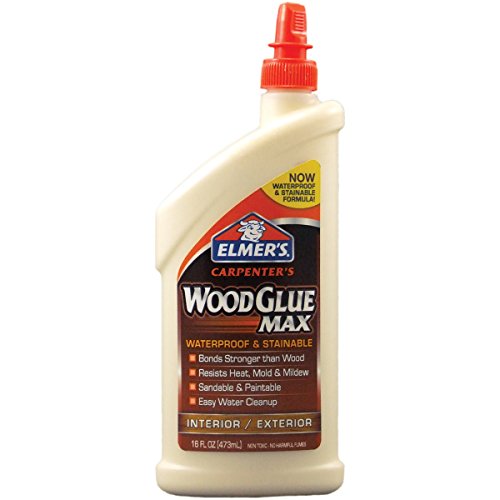
Yellowing in the bottle is often linked to age, light, and storage conditions, rather than a joint suddenly failing. Polyvinyl acetate (PVAc) wood glue, the family often called white glue or carpenter’s glue, is made for porous materials like wood, paper, and cloth. That chemistry can shift in the bottle long before it causes a bad bond.
Yellowing in the bottle is different from yellowing after cure
A bottle that darkens is showing storage aging. A cured glue line that looks yellow is showing the final color left in the joint. Those are separate questions. A glue can look old in the bottle and still bond well, while another glue can cure normally but leave an ugly line on a pale maple face frame.
Light, heat, humidity, and time all matter
UV light can break down glue, and direct sun is often a cause of discoloration. Warm storage speeds aging, especially near heaters or in a closed truck. Humid air and repeated cap opening can also affect the bottle, because moisture and air keep working on the emulsion. Glue in a cool shop ages slower than glue left on a hot bench or in a window.
Opened containers usually age faster than unopened ones. That is why a bottle that looked fine last month can shift color, thicken, or separate after a season on the shelf.
Is yellowing wood glue a problem?
Yellowing alone is often cosmetic. The problem starts when the color change comes with texture change, separation, or a glue line that will be visible on the finished piece. On hidden joints, a modest shift in bottle color is usually less important than whether the glue still spreads smoothly and wets the wood properly.
When yellowing is only a cosmetic issue
If the glue still pours normally, stirs back to a smooth liquid, and has no lumps or gel, the color change may not matter for hidden work. For shop assemblies that will be painted, covered, or buried inside the build, a slightly darker bottle is not automatically a defect.
When yellowing points to storage damage
Color change becomes a warning when it is paired with thickening, stringiness, or separation. Titebond says thick and stringy glue is no longer usable. Stumpy Nubs also notes that old PVA glue may separate, thicken, change color, become stringy, or turn pasty. Those are useful shop-side failure signs.
When the color change should change your glue choice
Visible furniture joints need more care. On light woods, repaired edges, and places where squeeze-out might remain in the open, the cured glue line can telegraph. In those situations, a fresh bottle or a different adhesive can be the better choice even if the old glue still seems to stick.
How to tell if old wood glue has gone bad
Old glue is judged by behavior, not bottle color alone. Check the texture, look for separation, and compare the bottle age with the shelf-life guidance on the label. A glue that looks a little yellow but still flows normally may be fine for tests. A glue that is thick, stringy, or pasty should be discarded.
Texture checks that matter
Open the cap and inspect the feel before trusting it on a real joint. Smooth, creamy glue is one thing. Thick, stringy, gummy, or pasty glue is another. If the bottle has small rubbery clots or will not mix back to a uniform consistency after gentle shaking, it is past the point of reliable use.
Separation and lumps in the bottle
Some separation can happen in storage, but persistent separation is a warning. If the liquid portion will not recombine with the solids, or if the bottle has visible chunks that stay put after stirring, the glue has likely changed enough to affect performance. That matters more than whether the color shifted from white to yellow.
Age and shelf-life labels
Titebond says most woodworking glues have a two-year shelf life. Titebond Original and II can remain usable beyond two years, but that is not a promise for every bottle. Some makers report that PVA glue is labeled with a shelf life of about one to two years, and opened containers tend to age faster than unopened ones. (titebond.com)
- Check the label date or buy date.
- Look for yellowing, separation, and lumps.
- Stir or shake gently if the bottle allows it.
- If it is thick, stringy, or pasty, discard it.
- For critical joints, make a test bond before real work.
Use this decision table before you trust the glue
Yellowing in the bottle and yellowing after cure need different responses. The bottle may be a storage question. The cured line may be an appearance question. Use the table below to separate cosmetic concern from bond-risk concern, then decide whether to keep, test, or replace the adhesive.
| Condition | Action |
|---|---|
| Yellowing in the bottle, but the glue is smooth, mixes evenly, and has no lumps | Usually cosmetic concern only. Use it on hidden joints or test scraps first. For visible work, use a fresh bottle if the color shift is obvious. |
| Yellowing in the bottle with thick, stringy, separated, or pasty texture | Bond-risk concern. Replace it now. Titebond says thick and stringy glue is no longer usable. |
| Yellowing in the bottle after freeze-thaw exposure, overheating, or long storage | Treat as storage damage. Do not trust it for critical joints. Stumpy Nubs warns frozen PVA glue is not trusted after freeze-thaw exposure. |
| Yellowing after cure in a hidden joint | Usually acceptable if the bond is sound. Keep using that adhesive if the appearance does not matter. |
| Yellowing after cure on a light wood face, repair patch, or exposed edge | Choose a different adhesive or a fresh bottle with a better match. Glue-line color matters more here than in hidden joinery. |
| Any glue that is old, questionable, and intended for a structural or repair joint | Test it first. If the result is weak or the bottle shows texture failure, toss it. |
Which wood glues are more likely to yellow?
Different PVAc formulas age differently, and their dry color matters on visible joinery. Titebond Original dries yellow. Titebond II Premium dries translucent yellow. Titebond III Ultimate dries light brown. That alone should steer the choice on pale woods and visible repairs before the first clamp goes on.
Titebond Original
Titebond Original is a common yellow glue choice, and its dry color is yellow. Titebond says most woodworking glues have a two-year shelf life, and Original can remain usable beyond two years under decent storage conditions. When it goes bad, the warning signs are the same shop-side clues: thick, stringy, separated, or otherwise abnormal.
Titebond II Premium
Titebond II Premium dries translucent yellow. That makes it less harsh than some dark adhesives, but it can still show in a pale glue line. Titebond says it can also remain usable beyond two years, yet it can turn into an orange-colored gel when unusable. That gel look is a clear replace-now signal.
Titebond III Ultimate
Titebond III Ultimate dries light brown. One product listing gives a shelf life of about two years, and it may last longer when stored at room temperature. That does not make it immortal. If the bottle shows separation, thickening, or stringiness, it should be treated as suspect regardless of the label.
Should I use yellow glue on visible furniture joints?
Only when the glue line color will not bother you. Yellow PVAc glue is fine for many hidden or painted joints, but it can stand out on light woods, thin edges, and repair work where the joint stays in view. In those cases, cured color matters as much as bond strength.
Light woods and exposed glue lines
On maple, birch, ash, and similar pale stock, squeeze-out can leave a line that catches the eye after sanding and finish. Even a sound bond can look wrong. For that reason, a fresh glue with a known dry color is better than an old bottle that has already drifted darker in storage.
Repair work and old finish touch-ups
Repairs are where glue color gets noticed fast. A newly glued patch beside aged finish or worn trim can leave a mismatch if the adhesive dries darker than expected. That is also where cleanup matters. Residual glue film can telegraph through stain or finish, so wipe squeeze-out promptly and cleanly.
Acetone and joint cleanup
Acetone can help loosen certain glue joints during cleanup or disassembly, but it is not a color fix. It is useful when a failed repair needs to come apart or when residue needs to be reduced before re-gluing. Do not confuse solvent cleanup with proof that the glue itself was still healthy.
How should I store wood glue so it doesn’t discolor?
Store it cool, dry, sealed, and out of sunlight. That is the simplest way to slow yellowing and extend useful life. Keep the cap tight, avoid hot attic storage, and do not leave bottles where direct sun can reach them. Temperature swings and freeze-thaw cycles shorten PVA glue life.
Location matters more than people think
Stumpy Nubs recommends storing glue indoors, not in an unheated shop. That advice matters because cold snaps and repeated freezing can damage PVA emulsions. If glue has frozen, do not trust it after freeze-thaw exposure. The bottle may look normal and still fail when the joint is under stress.
Simple shop habits that help
Wipe the nozzle, recap fully, and keep the bottle off a sunny bench. Do not leave partial bottles open overnight. Use older bottles on test pieces first, and reserve fresh stock for visible or critical work. That way, aging glue gets used where a slight cosmetic shift will not matter.
What to do when a bottle starts to age
If the glue is only slightly yellow and still smooth, label it for noncritical use. If it begins to thicken, separate, or turn stringy, stop using it on furniture. Old glue should be tested before critical work, especially on joints that will be hard to repair later.
Frequently asked questions
Does yellow wood glue mean it has gone bad?
No. Yellowing alone is not enough to condemn a bottle. If it still flows smoothly and mixes back to a uniform consistency, it may be usable for hidden work. Thick, stringy, separated, or pasty glue is a different story and should be treated as unusable for anything important.
Can old wood glue still hold a joint?
Sometimes, yes. Titebond says Original and II can remain usable beyond two years, but only if the glue has not broken down in storage. A quick test on scrap is smart before critical work. If the bottle is thick, stringy, or gelled, do not trust it on a real joint.
How can I tell if my wood glue is expired?
Check the shelf-life guidance on the bottle, then inspect the texture. If the glue is separated, thick, stringy, or pasty, it is past its useful life. Age matters more when the container has been opened, stored in heat, exposed to UV, or frozen and thawed.
Sponsored / affiliate links. As an Amazon Associate I earn from qualifying purchases. I may earn additional commission from eligible campaigns.