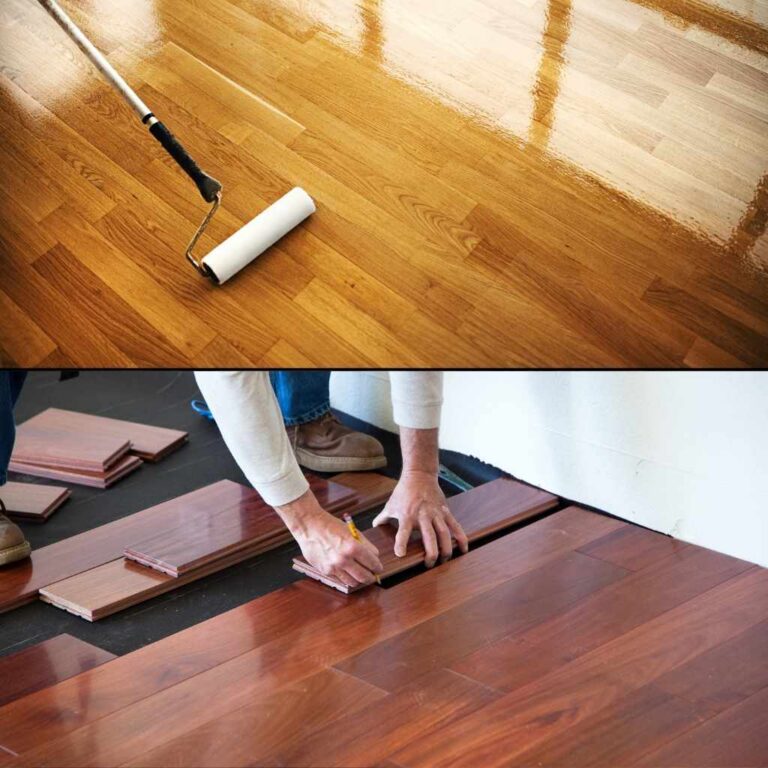
Prefinished Wood Floors Versus Site-Finished Guide
Choosing new wood floors can feel a bit confusing, especially when you hear terms like “prefinished” and “site-finished.” It’s like trying to decide between two paths, and you want to make sure you pick the one that leads to a beautiful, lasting floor. Many people aren’t sure where to start, but don’t worry! This guide will break down the Prefinished Wood Floors vs Site-Finished: Expert Guide in a way that’s super easy to follow.
We’ll go step-by-step to help you make the best choice for your home, showing you what comes next in making your floor dreams come true.
Prefinished Wood Floors What To Know
Prefinished wood floors are a popular choice for many homeowners because they come ready to install. The factory applies the stain and protective finish to the planks before they even reach your house. This means you don’t have to worry about fumes or a messy finishing process in your home.
Think of it like buying furniture that’s already painted and varnished; it’s ready to use right away. This method often results in a very consistent and durable finish because it’s applied in a controlled factory environment.
Benefits of Prefinished Flooring
One of the biggest advantages of prefinished floors is the speed and ease of installation. Since the finishing work is already done, installers can lay the planks down, and you can often walk on them almost immediately after. There’s no waiting for drying or curing times associated with onsite finishing.
This significantly cuts down on the disruption to your home life. You also get a very predictable and uniform look. The color and sheen are exactly what you see on the sample, and the protective coating is usually applied evenly across every board.
- Faster Installation
This is a key benefit. When you choose prefinished flooring, the longest part of the job is the physical laying of the planks. The finishing steps, which can take days or even weeks for site-finished floors due to multiple coats and drying times, are completely eliminated. This means your home is back to normal much quicker, which is a huge plus if you have a busy household or pets that need space to move around. - Durability of Finish
Factory-applied finishes are often tougher than those applied on-site. Manufacturers use specialized equipment, like UV curing ovens, to create extremely hard and resistant coatings. These finishes are typically more resistant to scratches, scuffs, and wear and tear from daily life. This makes prefinished floors a great option for high-traffic areas or homes with kids and pets where floors tend to take a beating. - Consistent Appearance
You know exactly what you’re getting with prefinished floors. The color and sheen are applied in a controlled environment, so every plank looks the same. This uniformity can create a very clean and polished look throughout your home. If you love a consistent aesthetic and don’t want any surprises in terms of color variation or texture, prefinished is the way to go. - Less Mess and Fumes
The finishing process for site-finished floors involves sanding, staining, and applying multiple coats of sealant, all of which create a lot of dust and strong fumes. Prefinished floors bypass this entirely. Your home remains cleaner and free from the often-unpleasant odors of varnish and stain, making the renovation process much more pleasant and healthier for your family and pets.
Considerations for Prefinished Floors
While prefinished floors offer many advantages, there are a few things to keep in mind. Because the finish is applied at the factory, it’s a sealed layer. If damage occurs, like a deep scratch, you can’t simply sand it down and reapply a new coat of finish to match the rest of the floor.
You might need to
The selection of stains and finishes, while vast, might be more limited than what a professional can achieve on-site. If you have a very specific color or sheen in mind that isn’t readily available, you might be out of luck. Additionally, while the factory finish is durable, it’s a single, solid coat.
If it does get damaged, repairing it to perfectly match the surrounding area can be tricky, potentially leading to the need for board replacement.
Common Questions About Prefinished Flooring
People often ask if prefinished floors can be refinished at all. While they can’t be fully refinished like site-finished floors, some can be lightly screened and re-coated with a compatible finish to refresh their appearance. Another common question is about the edge profile.
The slight gap between planks, called a micro-bevel, is designed to help hide minor imperfections in the subfloor and allow for expansion and contraction of the wood. However, this micro-bevel can sometimes make the floor feel less seamless than a site-finished floor.
Many wonder about the quality of the finish. Most reputable manufacturers use high-quality, durable finishes that are built to last. They often include aluminum oxide, which is a very hard material, in their top coats to improve scratch resistance.
This means that for most homes, the factory finish will hold up very well over time with proper care and maintenance.
Site-Finished Wood Floors Explained
Site-finished wood floors, also known as traditionally finished or newly installed unfinished floors, are wood planks that are laid down first and then sanded, stained, and finished right there in your home. This process allows for a truly custom look. You can choose any stain color you like, and the finish can be applied with various sheens, from matte to high gloss.
It’s like having a blank canvas that a skilled artisan can paint exactly to your specifications. This method often results in a floor that appears to be one continuous surface with no visible bevels between the planks.
The Site-Finishing Process
The process begins with installing raw, unfinished wood flooring. Once the planks are securely nailed or glued down, the real magic happens. The floor is sanded down to a perfectly smooth surface.
This sanding not only prepares the wood for finishing but also ensures the entire floor is level. After sanding, any dust is thoroughly removed. Then, the stain is applied evenly across the floor to achieve the desired color.
Multiple coats of a protective finish, like polyurethane, are then applied, with light sanding and cleaning between each coat. This layered approach builds a strong, durable barrier.
- Sanding and Preparation
This is arguably the most critical step. Professional sanders use progressively finer grits of sandpaper to create an incredibly smooth surface. This removes any milling marks from the factory and ensures that the entire floor is perfectly level. Proper dust containment systems are essential during sanding to minimize airborne particles. A well-sanded floor is the foundation for a beautiful and long-lasting finish. - Staining for Custom Color
The beauty of site-finished floors lies in the ability to customize the color. You can choose from a vast array of pre-made stains or even have a custom color mixed. The stain is applied and often wiped back to achieve a certain depth. This step allows you to perfectly match your existing decor or create a unique look. It’s important to test the stain on a scrap piece of wood or an inconspicuous area to ensure you like the final color before applying it to the entire floor. - Applying Protective Finishes
After staining, multiple coats of a clear protective finish are applied. The most common are polyurethane (oil-based or water-based). Oil-based polyurethanes typically offer a warmer, amber tone and are very durable, but they have stronger fumes and longer drying times. Water-based polyurethanes are clear, dry faster, have less odor, and are more environmentally friendly, though they might not offer quite the same ambering effect. Each coat is usually buffed lightly before the next is applied. - Seamless Appearance
One of the most desirable aspects of site-finished floors is the seamless look they achieve. Because the finishing is done after installation, there are no factory-applied bevels between the planks. This creates a smooth, flowing surface that can make a room feel larger and more elegant. It gives the impression of a solid, continuous piece of wood stretching across your floor.
Advantages of Site-Finished Floors
The biggest advantage of site-finished floors is the unparalleled customization. You have complete control over the color, sheen, and type of finish. This means you can achieve a look that is perfectly unique to your home.
Additionally, because the finish is applied in layers after installation, the floor can be easily sanded and refinished multiple times over its lifespan. This makes it a more sustainable and long-term investment, as you can refresh the floor’s appearance if it becomes worn or damaged.
The seamless surface created by site-finishing is another major draw for many. Unlike prefinished floors that often have a noticeable bevel between planks, site-finished floors present a smooth, continuous expanse. This can make a room feel more spacious and sophisticated.
Furthermore, the ability to repair and refinish the floor means that minor scratches or wear can be addressed without needing to replace entire sections of flooring, potentially saving money and hassle down the line.
Potential Downsides of Site-Finished Flooring
The primary drawback of site-finished floors is the time and mess involved in the installation process. It requires sanding, staining, and multiple coats of finish, all of which create dust and fumes. This means your home will likely be unusable for several days, and the strong odors can linger.
There’s also a higher risk of imperfections. If the sanding isn’t done perfectly or if dust settles into the finish, these issues will be permanent. The final color can also vary slightly depending on the wood’s natural grain and how it absorbs the stain.
The duration of the process is a significant factor. You’ll need to vacate your home for at least a few days, and sometimes up to a week or more, depending on the drying and curing times of the finishes used. This can be a major inconvenience.
Also, the cost can sometimes be higher than prefinished options, especially if you are hiring professionals for the entire process. The quality of the final result is highly dependent on the skill of the installer, making it important to choose an experienced professional.
Prefinished Wood Floors vs Site-Finished Expert Guide Comparison
When deciding between Prefinished Wood Floors vs Site-Finished: Expert Guide, it’s helpful to compare them side-by-side. Both have distinct benefits and drawbacks, and the best choice really depends on your priorities, budget, and timeline. Think about what matters most to you: speed and convenience, or complete customization and the ability to refinish later.
Understanding these differences will guide you to the flooring that will best suit your lifestyle and home.
| Feature | Prefinished Wood Floors | Site-Finished Wood Floors |
|---|---|---|
| Installation Time | Much Faster | Slower, multiple days |
| Mess & Fumes | Minimal | Significant dust and fumes |
| Customization | Limited to available options | Unlimited color and sheen |
| Durability of Finish | Factory applied, very durable | Applied on-site, quality depends on installer |
| Refinishing Capability | Limited (screen and recoat) | Can be fully refinished multiple times |
| Cost (Initial) | Often slightly lower | Can be higher due to labor |
| Appearance | Visible micro-bevels between planks | Seamless surface |
| Repairability | Difficult, often requires plank replacement | Easier to repair and blend |
Installation and Time Factors
The speed of installation is a major differentiating factor. Prefinished floors can typically be installed in a day or two, depending on the size of the area and any subfloor preparation needed. Once installed, you can often walk on them immediately or very soon after.
Site-finished floors require a much longer timeframe. The wood must be installed, then extensively sanded, stained, and allowed to dry between multiple coats of finish. This process can easily take three to seven days, during which the area is off-limits.
Consider your personal timeline and how much disruption you can tolerate. If you need your floors done quickly with minimal interruption, prefinished is the clear winner. If you have the luxury of time and can plan for the period of inaccessibility, site-finished offers greater aesthetic control.
The actual installation of planks for site-finished is similar to prefinished, but the subsequent finishing steps are what significantly extend the timeline and introduce the mess.
Cost Considerations
Generally, prefinished wood flooring can be slightly less expensive upfront than site-finished flooring. This is primarily because the factory is set up for efficient, high-volume production of the finishing process. The cost of site-finished floors includes the installation of the unfinished wood plus the labor and materials for sanding, staining, and finishing.
However, it’s important to look at the long-term cost. Site-finished floors can be refinished multiple times, potentially extending their life significantly and saving you money on future replacements.
The material cost for unfinished wood can be comparable to or even less than prefinished planks of the same species and grade. However, the labor cost for skilled sanding and finishing can be substantial. When comparing, also factor in the cost of materials like sandpaper, stain, and sealants for site-finished, and the potential cost of floor refinishing services down the line for both types.
A good quality prefinished floor might last 20-30 years before needing
Aesthetic Choices and Long-Term Value
For those who crave ultimate control over their floor’s appearance, site-finished is the path to go. You can achieve a perfectly unique color and sheen that precisely matches your vision. The seamless surface also contributes to a very high-end aesthetic.
Prefinished floors offer a wide range of colors and styles, but you are selecting from what manufacturers offer. The micro-bevels, while functional, can interrupt the continuous flow some people desire.
Long-term value is also a consideration. While prefinished floors are durable, their finish is fixed. If a deep scratch occurs, you’re often looking at replacing boards.
Site-finished floors, on the other hand, can be sanded down and refinished. This means that as trends change or if wear and tear occur, you can update the floor’s look or restore its beauty. This ability to renew the floor can contribute to its long-term value and your satisfaction.
Real-Life Examples and Scenarios
Let’s look at a couple of situations to see how Prefinished Wood Floors vs Site-Finished: Expert Guide might play out for different homeowners. These examples highlight how individual needs and preferences can lead to different optimal choices. Understanding these practical applications can help you relate the technical differences to your own home improvement project.
Scenario 1 The Busy Family
The Miller family has two young children and a dog. They are renovating their living room and need new flooring. Their biggest concerns are durability and a quick installation so they don’t have to rearrange their lives for too long.
They want a floor that can withstand spills, muddy paw prints, and the general chaos of a lively household. They also prefer a clean, uniform look without visible lines between planks, if possible.
- The Millers research both prefinished and site-finished options.
- They consider the time it would take to complete each type of installation.
- They weigh the durability of factory-applied finishes against the potential for on-site repairs.
- They look at samples of prefinished floors and see options with very tough finishes and attractive colors.
- They also consider site-finished but realize the extended downtime and the risk of dust affecting the finish in their active home are major drawbacks.
- Ultimately, they choose a high-quality prefinished hardwood floor with a durable aluminum oxide finish.
- The installation takes just two days, and they can start using the room again almost immediately.
- The slightly beveled edges are less of a concern than the quick turnaround and robust finish for their lifestyle.
Scenario 2 The Design Enthusiast
Sarah is redoing her entire house and wants a very specific look for her floors. She has a particular shade of grey she envisions, with a subtle matte finish that isn’t readily available in prefinished options. She also wants her floors to look like one continuous surface, with no visible lines separating the boards, giving a sleek, modern feel.
Sarah is willing to live out of her home for a few days to achieve her design goals.
- Sarah researches various flooring options and learns about the customization available with site-finished floors.
- She consults with flooring professionals to discuss her desired color and finish.
- She chooses unfinished white oak flooring, which is a good base for staining.
- The installation of the unfinished planks is completed.
- A professional then sands the floor perfectly smooth and applies a custom grey stain.
- Multiple coats of a matte water-based polyurethane are applied, allowing for proper drying and curing between each layer.
- The result is a seamless, custom-colored floor that perfectly matches Sarah’s design vision.
- She is delighted with the result, even though the process took a full week, during which she stayed with friends.
Statistical Insights on Flooring Choices
According to a recent survey by the National Wood Flooring Association, approximately 65% of new wood flooring installations are prefinished, highlighting its popularity due to convenience and speed. However, the demand for custom looks continues to drive the market for site-finished installations, particularly in renovation projects where homeowners want to match specific design aesthetics. The average cost for installing prefinished hardwood can range from $5 to $15 per square foot, while site-finished can range from $8 to $20 per square foot, with significant variation based on location and specific wood species.
Data also suggests that homeowners prioritize durability and ease of maintenance when selecting flooring for high-traffic areas. For example, a study found that over 70% of homeowners with children or pets look for flooring that can withstand wear and tear. This often leads them towards the tougher, factory-applied finishes of prefinished floors.
Conversely, for custom homes or high-end renovations, where unique design is paramount, the ability to create a bespoke look with site-finished floors often justifies the extended timeline and cost.
Frequently Asked Questions
Question: Can prefinished wood floors be refinished?
Answer: Yes, prefinished wood floors can often be refinished, but with limitations. Instead of a full sanding down to bare wood, which can be difficult due to the hard factory finish, they are typically “screened and recoated.” This involves a light buffing of the existing finish and then applying one or two new coats of a compatible polyurethane. This refreshes the look but doesn’t fix deep scratches or significant damage.
Question: How long do site-finished floors take to install?
Answer: The installation of site-finished floors is a multi-step process. It usually takes at least 3-7 days. This includes installing the unfinished planks, several rounds of sanding, applying stain, and applying multiple coats of finish, with drying time in between each step.
The entire area needs to be avoided during this period.
Question: Which type of flooring is better for basements?
Answer: Both prefinished and site-finished hardwood floors can be used in basements, but it’s crucial to manage moisture. Prefinished floors are often preferred because the factory finish is very sealed, and they are less susceptible to moisture damage compared to unfinished wood. However, hardwood in general is not ideal for basements prone to significant moisture issues; engineered wood or luxury vinyl plank might be better choices in very damp environments.
Question: Are site-finished floors more expensive than prefinished?
Answer: Typically, site-finished floors can be more expensive upfront than prefinished floors. This is due to the additional labor involved in sanding, staining, and applying multiple finish coats on-site. However, the ability to refinish them multiple times over their lifespan can make them more cost-effective in the very long run.
Question: Which is more durable prefinished or site-finished?
Answer: Prefinished floors often have a harder, more durable finish applied in a factory-controlled environment, often with aluminum oxide. This makes them very resistant to scratches and wear from daily use. Site-finished floors’ durability largely depends on the quality of the finish and the skill of the installer.
While a good site-finished floor is very durable, the factory finish on prefinished is typically considered more consistently robust from the start.
Final Thoughts
Deciding between Prefinished Wood Floors vs Site-Finished: Expert Guide comes down to understanding your personal needs and priorities for your home. If you’re looking for a quick installation, a consistently durable finish, and minimal disruption, prefinished flooring is a fantastic choice. It’s ready for life’s adventures right out of the box, making it ideal for busy households with children and pets.
On the other hand, if you dream of a completely unique color, a seamless surface that looks like one continuous piece of wood, and the ability to refresh your floor’s look for decades to come, then site-finished flooring offers that unparalleled customization. It’s an investment in a truly bespoke look that can be renewed as your style or needs change. Whichever path you choose, selecting quality materials and perhaps consulting with experienced flooring professionals will help ensure your new wood floors bring beauty and value to your home for many years.