Refinishing vs Resurfacing Hardwood Floors: Clear Comparison
Deciding how to refresh your hardwood floors can feel a bit confusing, especially when you first start looking into it. You’ve probably heard terms like refinishing and resurfacing, and they sound so similar, it’s easy to mix them up. This can make choosing the right approach feel like a challenge.
But don’t worry, we’re here to make it simple. This guide will walk you through exactly what each one means and what you need to know to make the best choice for your home. We’ll look at what’s involved with each and when one might be better than the other.
Understanding Hardwood Floor Refinishing
Refinishing your hardwood floors is a popular way to bring them back to life, making them look almost new again. It’s a process that tackles the top layer of your wood, removing damage and wear to reveal the fresh wood underneath. This is the go-to option when your floors have seen better days but the wood itself is still in good shape.
Think of it like giving your floors a fresh haircut and polish. It’s a way to completely change the look of your floor if you want a different color or finish.
What Is Hardwood Floor Refinishing
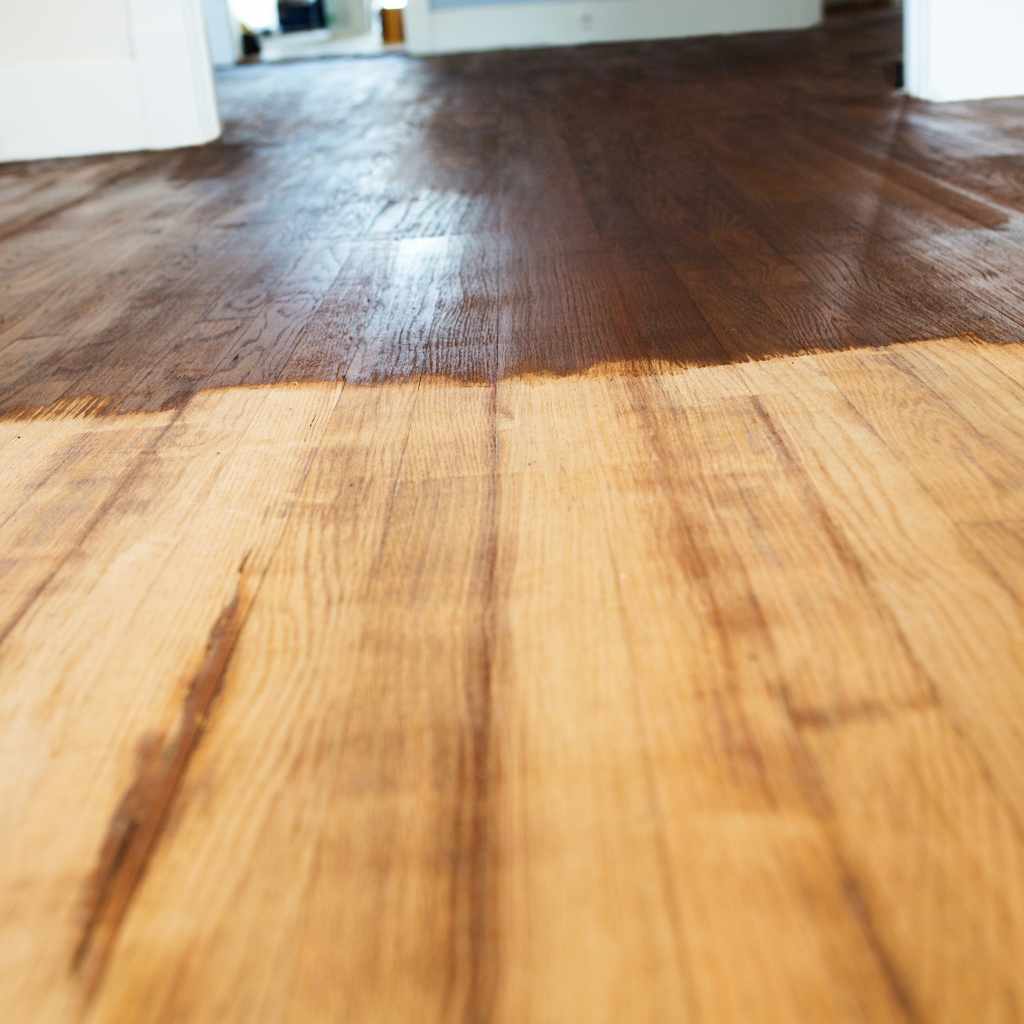
Hardwood floor refinishing is a multi-step process that involves sanding down the existing finish and a thin layer of the wood itself. This removes scratches, dents, stains, and wear from everyday use. After sanding, the wood is cleaned, and a new stain can be applied if you want to change the color.
Finally, several coats of a protective finish, like polyurethane, are applied to shield the wood and give it a beautiful sheen.
The goal of refinishing is not just to repair but to renew. It’s a way to restore the natural beauty of your hardwood floors. This process can dramatically change the aesthetic of a room, making it feel brighter and more updated.
It’s a significant undertaking, but the results can be incredibly rewarding, adding value to your home.
When To Choose Refinishing
You should consider refinishing your hardwood floors if they have moderate to deep scratches, are significantly worn, discolored, or if you simply want to change their color or sheen. If the wood planks themselves are still solid and structurally sound, refinishing is a viable and effective option. It’s also a good choice if you’re looking for a complete makeover for your floors.
- Deep Scratches and Gouges: When the damage goes beyond the surface finish and has actually cut into the wood, refinishing is necessary. The sanding process will remove this damaged wood, allowing you to start fresh. This is important because superficial repairs won’t last and will eventually show through.
- Extensive Wear and Tear: Over time, high-traffic areas can become dull, discolored, or worn down to the bare wood. Refinishing removes this worn layer entirely, restoring the floor to its original condition or better. It effectively erases the history of foot traffic.
- Color or Finish Changes: If you’re tired of the current look of your floors, refinishing offers the opportunity to apply a new stain color or choose a different type of protective finish. This allows for a complete transformation of your room’s style. You can go from a dark, traditional look to a light, modern feel.
- Water Stains or Pet Damage: While severe water damage or pet stains that have penetrated deep into the wood can be challenging, refinishing can often remove them. The sanding process removes the stained wood, and a new finish can prevent future issues if maintained properly.
The Refinishing Process Step-by-Step
The refinishing process typically involves several distinct stages, each crucial for achieving a beautiful, durable result. It starts with preparing the area and ends with a beautiful, protected floor.
- Preparation: This is a critical first step that involves clearing the room of all furniture and removing any existing floor coverings like carpets or old baseboards. The area is then thoroughly cleaned to remove dust and debris. Protecting adjacent areas from dust is also essential.
- Sanding: This is the core of refinishing. It’s usually done in multiple passes using progressively finer grit sandpaper. The initial passes remove the old finish and any significant imperfections, while later passes smooth the wood surface. Drum sanders are often used for large areas, with edgers for the perimeters and hand scrapers for tight spots.
- Cleaning and Vacuuming: After each sanding stage, the dust must be meticulously removed. This is typically done with shop vacuums and tack cloths. Thorough dust removal is vital to prevent it from getting trapped in the new finish.
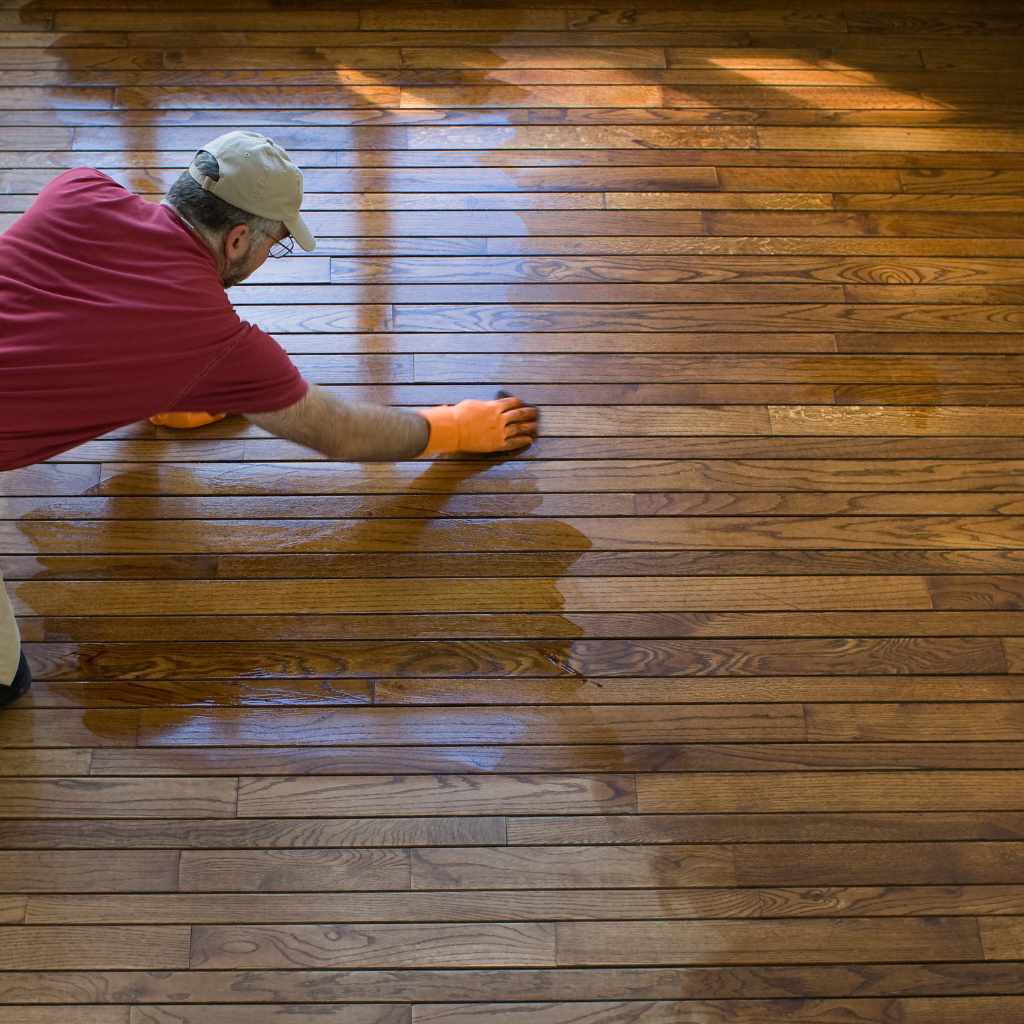
- Staining (Optional): If a new color is desired, stain is applied after sanding and cleaning. The stain is worked into the wood and then wiped off to achieve the desired hue. Multiple coats might be applied for deeper color.
- Applying Finish Coats: Once the stain has dried (if applied), several coats of a protective finish are applied. Polyurethane is common, available in oil-based or water-based formulas. Each coat needs time to dry and may require light sanding between coats for optimal smoothness.
Challenges and Considerations for Refinishing
While refinishing offers a great way to restore your floors, it’s important to be aware of potential challenges. Dust is a major concern, although modern equipment has significantly reduced this issue. Also, the process can be time-consuming and requires careful attention to detail.
- Dust Control: Older sanding methods could create a lot of dust. Today, most professional refinishers use dust containment systems that capture up to 95% of the dust. However, some residual dust is almost unavoidable, so protecting nearby areas with plastic sheeting is still recommended.
- Drying Times: Stains and finishes need adequate drying time, which can vary depending on the product and humidity levels. This means your floors will be unusable for several days. It’s important to plan for this disruption.
- Wood Type and Condition: The type of wood and its overall condition will affect the outcome. Some woods are softer and can be easily damaged during sanding, while others are very hard. If the wood is too thin or has extensive rot, refinishing might not be possible.
- Cost and DIY vs. Professional: Refinishing can be a significant investment. While DIY kits are available, achieving professional results often requires specialized equipment and expertise. Hiring a professional ensures the job is done correctly and efficiently.
Exploring Hardwood Floor Resurfacing
Resurfacing hardwood floors is a less invasive approach, ideal for addressing surface-level issues. It’s about refreshing the protective top layer without removing a significant amount of wood. Think of it like applying a fresh coat of wax to a car rather than repainting it.
This method is quicker and less disruptive than a full refinish. It focuses on revitalizing the appearance and protecting the existing finish.
What Is Hardwood Floor Resurfacing
Hardwood floor resurfacing, often called screen and recoating, involves lightly abrading the existing finish to create a surface that new finish can adhere to. Unlike sanding, this process does not remove the wood itself, only the worn top layer of the protective coating. After cleaning, a new coat or two of finish is applied.
This is an excellent way to extend the life of your floors when they have dull spots or minor scratches but the wood underneath is still in good condition.
This method is about rejuvenation. It’s a way to bring back the shine and provide renewed protection without the significant effort and dust associated with full sanding. It’s a maintenance strategy that can save you from a full refinish for several years.
When To Choose Resurfacing
Resurfacing is the right choice when your hardwood floors are generally in good shape but have lost their luster, showing light scratches or dullness. It’s effective when the original wood is not damaged and the wear is primarily on the protective finish. This is a preventative measure as much as a restorative one.
- Dullness and Loss of Sheen: If your floors look faded or have lost their shine from years of foot traffic and cleaning, resurfacing can restore that glossy appearance. It effectively buffs out the dullness.
- Minor Surface Scratches: Light scuffs and scratches that haven’t penetrated the wood itself can often be covered and sealed with a new finish. These are the everyday marks that accumulate over time.
- Worn Finish in High-Traffic Areas: Areas that see the most foot traffic might show wear on the finish. Resurfacing refreshes this worn layer, making the entire floor look more uniform. It prevents these areas from becoming much worse.
- Good Underlying Wood Condition: The most critical factor is that the wood itself is not deeply scratched, dented, or stained. If the wood is in good condition, resurfacing is an excellent way to protect it further.
The Resurfacing Process Step-by-Step
The resurfacing process is considerably simpler and quicker than a full refinish. It focuses on preparing the surface for a new layer of protection.
- Cleaning: The floor must be thoroughly cleaned to remove all dirt, grime, and wax build-up. Any residue can prevent the new finish from adhering properly.
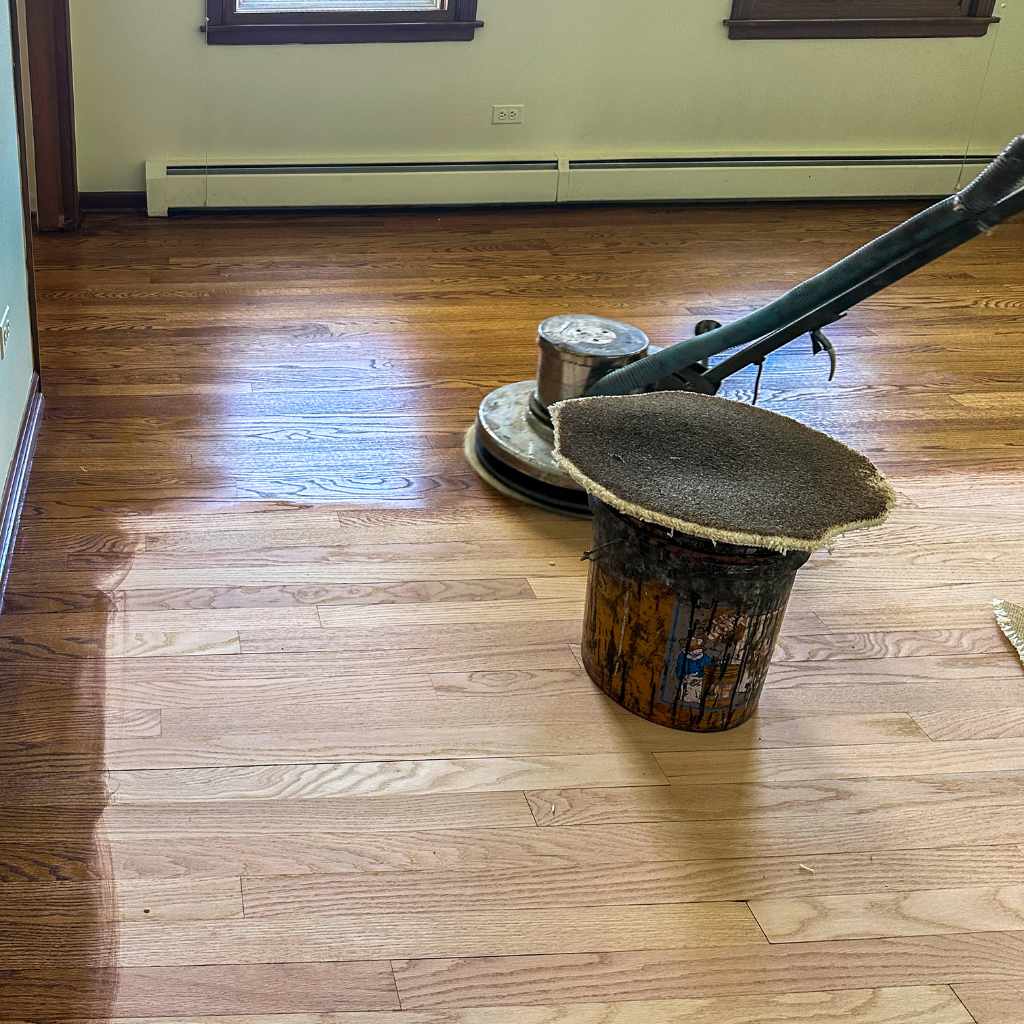
- Light Abrasion (Screening): A buffer machine is used with a special abrasive pad, often called a “screen,” to lightly scuff the surface of the existing finish. This creates a surface that the new finish can bond to. It’s not deep sanding; it’s more like a very fine scuff.
- Vacuuming and Tack Cloth Application: After screening, the floor is vacuumed thoroughly to remove all dust particles. A tack cloth is then used to pick up any remaining microscopic dust.
- Applying New Finish Coats: One or two coats of a compatible finish are applied to the floor. This new layer of finish rejuvenates the look and provides renewed protection against wear and tear.
Challenges and Considerations for Resurfacing
While resurfacing is less intensive, it does have limitations. It won’t fix deeper issues, and choosing the wrong products can cause problems. It’s a maintenance step, not a complete renovation.
- Does Not Remove Deep Damage: Resurfacing cannot fix deep scratches, gouges, or significant discoloration that has penetrated the wood. If the wood is damaged, sanding is the only way to remove it.
- Compatibility of Finishes: It’s crucial that the new finish is compatible with the existing finish. Applying the wrong type of finish can lead to peeling, bubbling, or a poor bond, which can be a costly mistake to fix.
- Limited Aesthetic Change: Resurfacing generally restores the original look of the floor and cannot be used to change the stain color. If you want to alter the color, a full refinish is necessary.
- Not for Waxed Floors: This method is typically not suitable for floors finished with wax, as wax cannot be easily abraded and recoated. It works best on polyurethane or similar finishes.
Refinishing vs Resurfacing Hardwood Floors Clear Comparison
Comparing refinishing and resurfacing highlights their distinct purposes and capabilities. Refinishing is a comprehensive restoration, while resurfacing is a maintenance-oriented rejuvenation. Understanding their differences helps in choosing the most appropriate method for your specific flooring needs.
| Feature | Refinishing | Resurfacing |
|---|---|---|
| Depth of Work | Removes finish and a thin layer of wood. | Lightly abrades and re-coats the existing finish. |
| Damage Addressed | Deep scratches, gouges, severe wear, stains. | Dullness, minor surface scratches, worn finish. |
| Wood Alteration | Removes wood. | Does not remove wood. |
| Color Change Possible | Yes, with staining. | No. |
| Time Required | Several days to a week. | 1-2 days. |
| Dust Generation | Significant, though contained with modern equipment. | Minimal. |
| Cost | Higher. | Lower. |
| Frequency | Every 10-15 years, or as needed. | Every 2-5 years, depending on traffic. |
| DIY Feasibility | Challenging, requires skill and equipment. | More feasible for DIY, but professional results vary. |
The choice between refinishing and resurfacing hinges on the condition of your hardwood floors and your desired outcome. If your floors have seen significant damage, a full refinish is the path to take. If they simply need a refresh to bring back their shine and protect them from further wear, resurfacing is a more efficient and cost-effective solution.
When is Refinishing the Better Option
Refinishing is the superior choice when the damage to your hardwood floors is more than superficial. It’s the only way to truly address issues that have compromised the wood itself. This is not just about making floors look good for a while; it’s about restoring their integrity and beauty for years to come.
- Restoring Heavily Damaged Floors: When floors have been subjected to years of abuse, including deep scratches, gouges from furniture, pet damage, or significant wear patterns, refinishing is essential. The sanding process effectively removes all these imperfections, creating a blank canvas.
- Changing the Floor’s Aesthetic: If you want to update the style of your home by changing the color or tone of your hardwood floors, refinishing is the only way to achieve this. Staining allows for a complete transformation, from dark and traditional to light and modern.
- Addressing Widespread Discoloration: Water stains, sun fading, or uneven wear can create widespread discoloration that cannot be fixed by simply applying a new top coat. Refinishing removes the discolored wood layers.
- Maximizing Floor Lifespan Through Complete Renewal: While resurfacing extends the life of the finish, refinishing can be done multiple times (depending on wood thickness) to entirely renew the floor, effectively giving it a new lease on life.
For instance, consider a scenario where a large piece of furniture was dragged across the floor, leaving deep gauges that went past the finish into the wood. Resurfacing would only fill in the minor imperfections around these gauges, leaving the deep damage still visible and unprotected. A full refinish, however, would sand down the entire floor, removing these gouges entirely and allowing for a fresh, even finish to be applied, effectively making the floor look new again.
When is Resurfacing the Better Option
Resurfacing is the ideal solution for floors that are generally sound but have lost their visual appeal due to surface wear. It’s a practical, less disruptive, and more economical method for maintenance and light restoration. It keeps your floors looking their best without the full commitment of a refinish.
- Maintaining Well-Kept Floors: If your floors have been well-maintained and only show signs of wear on the protective coating, such as dullness or faint scratches, resurfacing is a smart preventative measure. It prevents minor wear from becoming major damage.
- Quick Refresh and Shine Restoration: For homeowners who want to quickly revive the appearance of their floors and bring back a glossy shine, resurfacing is an excellent choice. It can be completed in a fraction of the time it takes to refinish.
- Budget-Conscious Maintenance: When budget is a significant consideration, resurfacing offers a cost-effective way to improve the look of your floors and protect them for a few more years before a full refinish might be necessary.
- Minimizing Disruption: The quick turnaround time and less intensive nature of resurfacing make it ideal for those who want to minimize the time their home is disrupted by floor work. It often means less furniture moving and shorter periods of not being able to use the floors.
Imagine a scenario where a family has a well-loved hardwood floor in their living room. Over five years, the finish has become dull from everyday foot traffic, and there are a few light scuff marks from shoes. The wood itself is in perfect condition, with no deep scratches or stains.
In this case, resurfacing would be the perfect solution. A light screening and a new coat of finish would restore the shine, cover the minor scuffs, and provide a fresh protective layer, extending the life of the floor for another few years without the need for a full refinish.
Understanding the Cost Difference
The financial aspect is often a deciding factor. Resurfacing is typically less expensive than refinishing. This is because it involves less labor, fewer materials, and less specialized equipment.
Refinishing involves extensive sanding, which requires specialized machinery and significant labor time. The cost also increases if you opt for staining or high-end finishes.
Resurfacing, on the other hand, uses less aggressive methods and fewer materials. The cost savings are substantial, making it a more accessible option for regular maintenance. However, it’s important to remember that resurfacing doesn’t add the same long-term value or restorative potential as refinishing.
Frequently Asked Questions
Question: Can I refinish my hardwood floors myself?
Answer: While DIY refinishing kits are available, it is a very labor-intensive process that requires specialized tools and a learning curve. Achieving professional-quality results without experience can be challenging, and mistakes can be costly to fix. Most people find it better to hire professionals for a quality finish.
Question: How long does hardwood floor refinishing typically take?
Answer: A typical hardwood floor refinishing project usually takes between 3 to 5 days, depending on the size of the area, the complexity of the job, and drying times for stains and finishes. This includes preparation, sanding, staining (if applicable), and applying multiple coats of finish. You will need to avoid walking on the floors for at least 24-48 hours after the final coat is applied, and it can take up to a week for the finish to fully cure and harden.
Question: Will resurfacing remove all scratches from my hardwood floors?
Answer: No, resurfacing will not remove deep scratches or gouges. It is designed to address minor surface scratches, scuffs, and dullness in the finish. If your scratches penetrate the wood layer, you will likely need to refinish the floors to remove the damaged wood and achieve a smooth surface.
Question: How often should I refinish or resurface my hardwood floors?
Answer: Hardwood floors can typically be refinished every 10 to 15 years, depending on the thickness of the wood and the quality of the original installation. Resurfacing, on the other hand, is a lighter maintenance process that can be done more frequently, usually every 2 to 5 years, to maintain the finish and protect against wear.
Question: Can I change the color of my hardwood floors when resurfacing?
Answer: No, resurfacing cannot change the color of your hardwood floors. This process only applies a new coat of finish over the existing one. To change the color, you must undertake a full refinishing process that involves sanding down to the bare wood before applying a new stain.
Final Thoughts
Choosing between refinishing and resurfacing your hardwood floors comes down to what your floors need most right now. If you’re dealing with significant damage like deep scratches, gouges, or widespread discoloration, the comprehensive approach of refinishing is your best bet. It’s a process that removes the worn layer of wood and finish, allowing you to start fresh with a beautiful, renewed surface, and it’s your only option if you want to change the color of your floors.
On the other hand, if your floors are generally in good condition but have lost their shine or have minor surface wear, resurfacing offers a quicker, less expensive way to bring back their luster and add a fresh protective layer. It’s a maintenance step that keeps your floors looking great and extends their life without the intensity of a full sanding. Consider the condition of your wood and what you hope to achieve to make the right decision.
If your floors are structurally sound, you have options to restore their beauty. By carefully evaluating the wear and tear, you can select the process that will best serve your floors and your home.