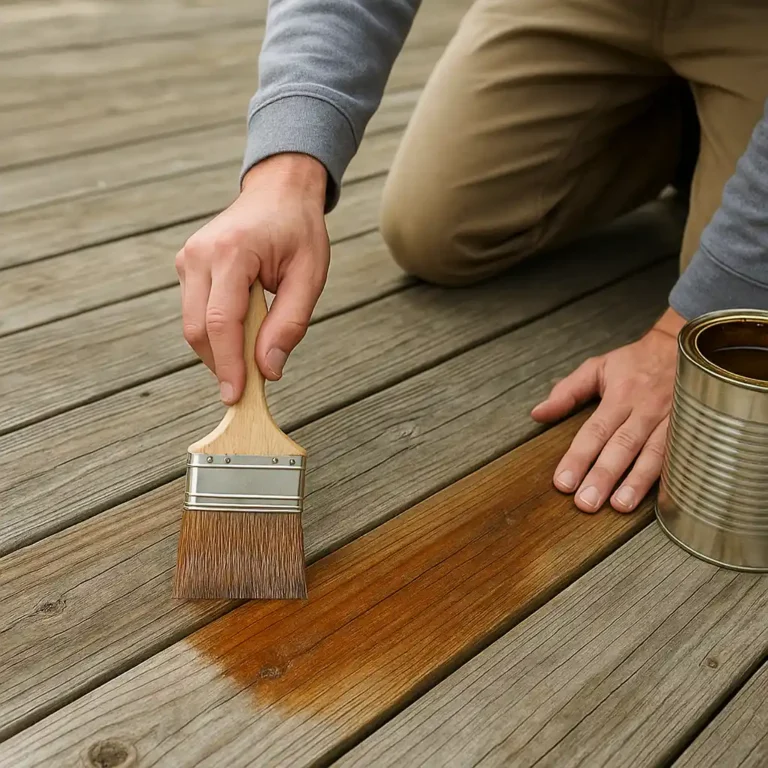
Do You Need to Seal Deck Posts?
Yes, seal exposed deck posts if they’re bare wood, cut ends, or weathered; skip intact pressure-treated surfaces that still have full preservative coverage. Water reaches those weak spots first, which can lead to swelling, checking, rot, and faster fastener corrosion. This guide shows which post parts matter most, when sealing is worth doing, and when to apply it after installation or weather exposure.
Do you need to seal deck posts?


Seal deck posts when the wood is exposed, cut, weathered, or likely to stay wet. Do not treat every post the same way. Structural posts need protection at the places that absorb moisture fastest, while intact pressure-treated faces often need inspection and periodic maintenance, not an immediate coating.
When sealing is optional
If the post is pressure-treated, still sound, and has no fresh cuts or heavy weathering, sealing is optional. A clear deck sealer sheds water and moisture, but it offers limited UV protection and usually needs reapplication after a couple of years. If your goal is sun control, a deck stain with pigment does that better than a clear finish.
When sealing is smart insurance
Sealing is smart when the post gets full sun, repeated rain, splashback, or contact with damp hardware and framing. It is also smart after cutting a post to length, because cut ends are among the most exposed parts of the assembly. That is where moisture enters fastest.
Post sealing decision table
Use this table to decide what to do first. It separates the post itself from the deck boards, rail parts, and cosmetic sleeves.
| Scenario | Seal it? | Best product | Prep steps | Timing after installation |
|---|---|---|---|---|
| New pressure-treated post | Usually yes for exposed faces if the wood is dry; focus on cuts and end grain first | Exterior deck sealer for water resistance, or stain if you want pigment and more sun protection | Check for wetness, remove dirt, let it dry, then coat cut ends and any bare areas | After the post has dried; avoid sealing damp lumber |
| Cut post end | Yes | End-grain sealer, stain, or a compatible exterior sealer | Trim cleanly, brush off dust, coat the end grain immediately after cutting | Same day as cutting, before weather exposure |
| Weathered cedar post | Yes, if the surface is sound | Deck stain for color and UV help, or a sealer if you want a clearer look | Clean first, use a wood brightener if needed, let it dry fully | After cleaning and drying, during a dry weather window |
| Post base near splash or soil contact | Yes, but only if the base is dry and the structure is designed for exterior exposure | Exterior sealer or stain on accessible wood; use ground-contact pressure-treated lumber where required | Inspect for trapped moisture, clear debris, keep finish off hardware and drainage paths | After the base is dry and you have confirmed there is no standing moisture |
Which parts of a post need protection first?
Start with the parts that absorb water fastest: cut ends, end grain, checks, cracks, and fastener holes. Then look at the base, cap, and any flat ledges that hold water. Those details matter more than the broad face of the post, which often dries faster.
Cut ends and end grain
Cut ends should be sealed after cutting because they take in water faster than the side faces. That matters most on pressure-treated wood deck posts, which are common in 4×4 or 6×6 sizes. If you leave the fresh end open, moisture can enter before the preservative and finish have a chance to help.
Checks, cracks, and fastener holes
Small checks and screw or bolt holes can collect water. On rail post attachment points, through-bolted connections with galvanized bolts and plumb alignment should be installed correctly first, then the exposed wood around the holes can be sealed if the finish system allows it. Do not coat over loose debris or wet wood.
Bases, caps, and water traps
The base of a post is a common failure point because it stays wet longer. If the post sits near soil, splash zones, or a tight bracket, use ground-contact pressure-treated lumber where the design calls for it, and keep drainage open. Sealer helps only when water can still move away from the wood.
Say your 6×6 pressure-treated post was trimmed after installation to clear a railing cap. The fresh top end is the first place to seal, even if the rest of the post looks fine. The upper end grain is where rain will soak in fastest.
Should you seal pressure-treated deck posts?
Usually yes, but the right answer depends on dryness, exposure, and where the post sits in the structure. Pressure-treated wood deck posts are a common structural choice, and they can shrink as they dry. Sealing helps manage moisture entry, but it should not be used to trap water inside wet lumber.
Drying and shrinkage after installation
Fresh pressure-treated lumber often needs some drying time before finishing. If you seal too soon, moisture can stay locked in and the coating can fail early. Look for wood that feels dry to the touch and no longer feels cool and damp from recent treatment or washing.
When fresh PT lumber is ready
After washing, allow 48–72 hours of drying before sealing. Apply products only in a dry weather window, with temperatures between 50°F–90°F and no rain in the 24-hour forecast. Those limits help the finish bond and reduce the chance of trapped moisture under the coating.
Ground-contact lumber near moisture
Ground-contact pressure-treated lumber matters where posts meet moisture-prone areas. It is made for exterior exposure, but that does not mean the whole post can be ignored. Bases near soil, framing pockets, or splashback still deserve close inspection and, when dry, a protective finish on accessible surfaces.
How do you prep and seal posts?
Prep matters as much as product choice. Clean the wood, let it dry, then seal the vulnerable areas first. For weathered wood, a wood brightener based on oxalic acid can help restore color after cleaning and before sealing. Skipping prep usually shortens finish life.
Cleaning with low-pressure washing
You can use a pressure washer before finishing, but keep pressure around 1,200–1,500 PSI maximum. Higher pressure can damage soft wood and raise fibers. Clean the post enough to remove dirt, mildew, and loose grime, then let it dry fully before any coating goes on.
- Inspect the post for rot, cracks, loose fasteners, and wet spots.
- Clean with low-pressure washing or a wood cleaner suited to the material.
- Allow 48–72 hours of drying after washing.
- Use a wood brightener on weathered wood if needed, then dry again.
- Seal cut ends first, then coat exposed faces or weathered areas.
- Follow the product label for spread rate and recoat time.
Applying sealer or stain to dry wood
Choose a deck sealer when your main goal is water resistance and you want a clear look. Choose deck stain when you also want pigment and better sun protection. Stain usually slows graying better than a clear sealer, while clear sealer mainly sheds moisture.
Sealing cut ends first
Cut ends should be sealed right away, before the post sees rain or irrigation spray. This is one of the few places where timing is urgent. If you only have time for one step on a newly cut post, coat the end grain first.
Picture a weathered cedar post beside an open stair landing. The sunny face has gone gray, but the shaded side still looks close to new. In that case, clean, brighten, and seal both faces if the wood is sound, since the gray side still needs UV and moisture control.
When should you seal after building or weathering?
Seal after cutting and fastening new posts once the wood is dry, not while it is still damp from treatment, rain, or washing. If the deck has already weathered, seal after cleaning and drying, and before the next stretch of sun and rain can deepen the damage.
After cutting and fastening new posts
Seal as soon as the post is dry enough for finish to adhere. Fresh cuts, bolt holes, and top edges are the priority. If the post is already installed, protect the exposed end grain first, then move to the rest of the surface if it needs it.
After pressure washing and drying
Do not seal right after washing. Wait the full drying period, then check the surface again. A water test can show when sealer has worn away: if water soaks in instead of beading, the post is ready for another coat after proper prep.
Before and after stain on nearby deck parts
If you are staining deck boards or rails, post work can happen in the same maintenance cycle, but the parts are not the same job. Posts need end-grain and base attention; boards need broader surface coverage. Do not assume a deck stain on the walking surface automatically protects the posts fully.
Frequently asked questions
Should you seal deck posts after cutting them?
Yes. Cut ends are the most vulnerable part of the post because they absorb moisture quickly. Seal them as soon as the cut is made and the dust is brushed off. That step matters most on pressure-treated posts, but it also helps cedar and other exterior wood.
When should you seal a new deck post?
Seal a new post after it is dry, not while it is still wet from treatment or rain. If the wood was pressure washed, wait 48–72 hours. If the post was freshly cut on site, seal the exposed end grain the same day, then finish the rest once the surface is dry.
How long before sealing a new deck?
If the wood was cleaned or washed, give it 48–72 hours to dry before sealing. If the weather turns wet or humid, wait longer. The surface should feel dry, and the forecast should show no rain in the 24-hour window before application.
Can you still seal your wood deck after it has been built?
Yes. You can seal posts, rails, and deck parts after construction, as long as the wood is dry and clean. That is often the better time to catch exposed cuts, bolt holes, and weathered faces. Inspect for rot or hardware problems first so you do not trap a defect under finish.
What product is best to seal deck posts?
Use a deck sealer if you want water resistance and a clear look. Use a deck stain if you want added pigment and better sun protection. For weathered posts, a wood brightener after cleaning can help the finish perform better. Always match the product to the wood and exposure.
How do you seal deck posts and cut ends?
Clean the wood, let it dry, then coat the cut ends first with a brush. Move to the exposed faces next. Keep product off hardware where the label warns against it, and do not apply finish to damp wood. Use a dry weather window with 50°F–90°F temperatures and no rain in the 24-hour forecast.
Sponsored / affiliate links. As an Amazon Associate I earn from qualifying purchases. I may earn additional commission from eligible campaigns.