Shelf Bracket Pulling Out of the Wall: How to Fix It
If a shelf bracket is pulling out, identify the failure point first: loose screws in a stud, a failed drywall or plaster anchor, or wall material that has broken away; if the hole is enlarged or crumbling, replace the attachment, not the screw. Leave it alone and the shelf can sag, tear out more wall, or drop its load. This guide shows how to identify the failure mode and fix it for drywall, plaster, brick, and stud walls.
This guide is part of our Woodworking project ideas and plans series.
What you’ll need
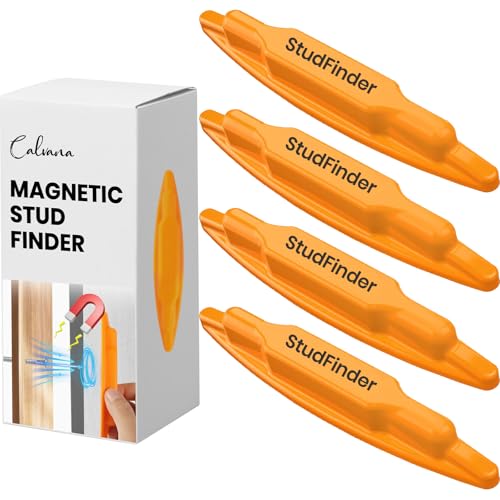

- Stud finder or magnet for locating hidden framing or fasteners
- Spirit level to set the shelf horizontal and check bracket alignment
- Plumb line or straight batten for stacked or repeated shelf runs
- Utility knife for scoring painted or caulked edges at about a 45-degree angle
- Drill and the correct bit for the chosen anchor or plug
- Replacement screws matched to the wall type and bracket holes
- Drywall anchors or toggle bolts when studs are unavailable
- Masonry plug or anchor for brick or block
- Spackle or joint compound for small, non-structural wall repair
- Needle-nose pliers if you need to remove locking pins in wire shelving
Shelf bracket failure diagnosis
| Symptom | Likely cause | Best fix |
|---|---|---|
| Screw spins in place | Stripped hole in wood or framing | Move to fresh wood or a new stud location |
| Bracket drops after a light pull | Pulled drywall anchor | Replace with a better anchor or move to a stud |
| Finish layer flakes or spider-cracks | Cracked plaster or brittle lath-and-plaster | Score edges, clear the damage, and refasten into sound material or framing |
| Hole looks oval or oversized | Fastener movement over time | Do not reuse that hole; shift the bracket to fresh material |
| Bracket leans outward | Bent L-bracket or shelf bracket | Replace the bracket and reset it with a level |
| Shelf is loose on the bracket | Loose shelf-to-bracket screw | Retighten or replace the shelf screws and check for split wood |
| Bracket was mounted without framing | No-stud install with light-duty fixing | Upgrade to studs or use a higher-hold anchor such as a toggle bolt |
| Same spot failed more than once | Repeated pullout from weak wall material | Move the bracket, spread the load, or change the support method |
| Shelf tilts after reinstall | Bracket spacing or alignment error | Recheck with a spirit level and a plumb line or straight batten |
How do you fix a shelf bracket that came loose?
Unload the shelf, then check whether the failure is in the screw, anchor, bracket, or wall. If the wall around the hole is crushed or the fastener has enlarged the opening, do not reuse that point. Shift to sound material, then reinstall with the right fixing for that wall.
- Remove the shelf load and support the board so it does not twist.
- Check the bracket for bending, loose shelf screws, or cracked mounting tabs.
- Inspect the wall for stripped holes, crushed gypsum, or crumbling plaster.
- Decide whether the repair can move to fresh material or must shift to a stud.
- Mark the new points through the bracket holes, then level the shelf before drilling.
- Use the correct anchor or screw for the wall type, then tighten until secure without crushing the surface.
Temporary stabilization before a permanent fix
If the shelf is still carrying weight, remove the contents first. Then support the board, back out the fasteners, and move the bracket to a new location. Do not leave a pulled anchor in place as a “temporary” support if the shelf will stay loaded.
Should shelf brackets go into studs or drywall anchors?
Studs are commonly the strongest anchoring point, so find them with a stud finder whenever the layout allows. Drywall anchors are a fallback only when studs are unavailable, and they must match the hole size and load rating. For heavier shelves, toggle bolts usually hold better than plastic anchors. (Familyhandyman)
How to choose the fixing method
- Stud wall: use wood screws into solid framing whenever possible.
- Drywall: use anchors only when you cannot reach a stud.
- Heavier shelf load: choose toggle bolts rather than plastic anchors.
- Repeated pullout: stop using the same damaged hole and relocate the bracket.
Plastic anchors are often the wrong choice for a shelf that carries books, tools, or kitchen items. They suit light loads better. Toggle bolts spread load over a larger area behind the wall and are the stronger hollow-wall option when studs are out of reach.
How do you fix drywall, plaster, or masonry walls?
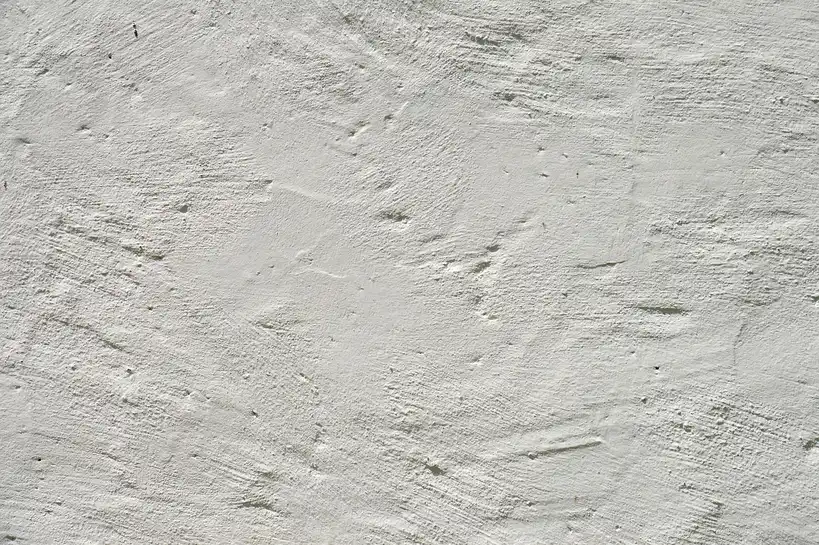
Drywall, plaster, and masonry need different fixings, and older walls are more likely to chip during removal. Use a utility knife to score painted or caulked edges at about a 45-degree angle before prying anything off. That cuts paper tear-out and helps brittle finishes release more cleanly.
Drywall
- Find a stud first with a stud finder or magnet.
- If no stud is available, choose an anchor that matches the hole size and load.
- Drill only the hole the anchor requires, then install the bracket with screws long enough for the wall type.
Plaster or lathe-and-plaster
- Score painted or caulked edges before removal.
- Check whether the fastener reached lath, plaster, or framing behind it.
- Use a fixing that suits brittle material, then shift to framing if the surface keeps breaking away.
Brick or block
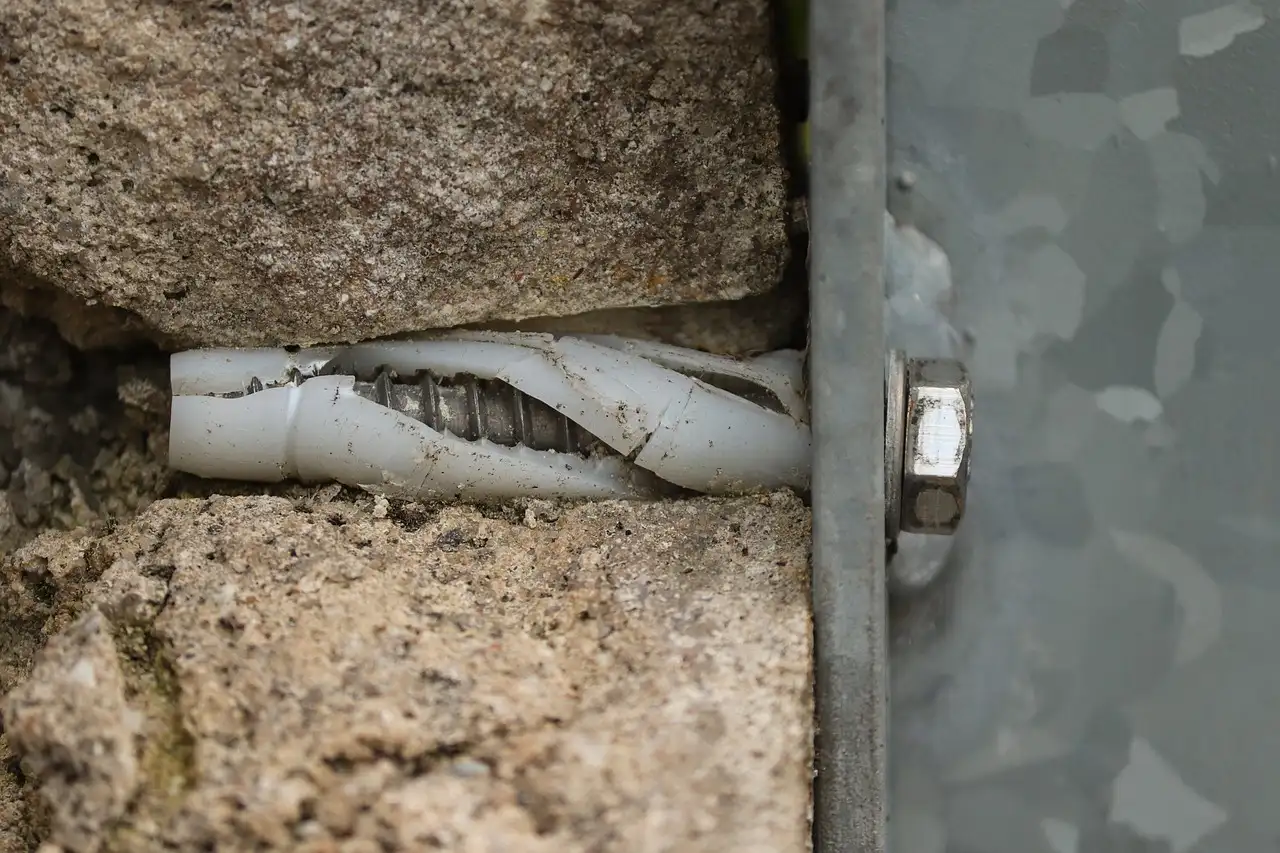
- Use a masonry bit and the correct plug or anchor for the substrate.
- Clear dust from the hole before inserting the fixing.
- Drive the screw until the bracket sits flat without forcing the surface to crack.
Stud wall
- Set the bracket against the stud line.
- Mark the holes through the bracket.
- Use wood screws that are as long as possible without breaking through the shelf board.
How do you stop a shelf bracket from pulling out again?
Prevent repeat failure by moving the bracket to fresh holes, upgrading the fixing method, and confirming the shelf is level before you tighten the last screw. If the bracket spacing is too wide, the shelf can lean; 24 to 32 inches is the cited limit. Multiple shelves should also stay aligned vertically with a plumb line or straight batten.
Use the shelf itself as part of the check
Short shelves are fitted by fixing the brackets to the shelf before drilling wall holes. That helps keep hole placement consistent when you install more than one shelf. A spirit level sets the shelf horizontal, and the same level should confirm that each bracket lands squarely.
Say your 36-inch shelf pulls free from a drywall anchor after a stack of paint cans goes on it. The fix is not a larger screw in the same hole. Move the bracket to a stud, or switch to a toggle bolt if no stud is available.
Common mistakes
- Reusing crushed holes: move to fresh material instead of trying to save the old opening.
- Using the wrong screw length: pick screws that suit the wall type and are long enough to grip, but not so long they break through the shelf board.
- Ignoring a bent bracket: replace any bracket that has flexed or twisted, or the repair will fail again.
- Leaving shelf-to-bracket screws loose: check the board connection as carefully as the wall connection.
- Skipping alignment tools: use a spirit level, and use a plumb line or straight batten for more than one shelf.
- Forcing brittle edges: score painted or caulked finish before removal so the wall surface does not tear farther.
Suppose two shelves need to sit one above the other on a plaster wall. If the first bracket is even slightly out of plumb, the second will drift as well. A straight batten gives you a vertical reference before any new hole goes in.
Frequently asked questions
Why is my shelf bracket pulling out of the wall?
The usual causes are a stripped screw, a failed anchor, cracked plaster, crushed drywall, or a bracket that has bent under load. Find which part failed before you drill again. A stud-mounted bracket usually calls for a new hole in sound wood, while a hollow-wall failure often needs a better anchor or a stud.
How do I fix a shelf bracket that came loose from drywall?
Unload the shelf, inspect the bracket, and check whether the drywall has crumbled around the hole. If the hole is damaged, do not reuse it. Move to a stud if possible; if not, use a drywall anchor or toggle bolt that matches the hole size and the shelf load.
Can I reuse the same holes after a shelf bracket pulls out?
Do not reuse a hole that is enlarged, crushed, or stripped. Patch compound is not a structural substrate for shelf support. Move the bracket to fresh material, preferably a stud or an undamaged section of wall, then recheck the alignment with a spirit level.
What type of wall anchor should I use for a shelf bracket?
Choose the anchor for the wall, not the other way around. Drywall needs an anchor that matches the hole and the load; plaster often needs a more careful approach because the finish can crack; brick or block needs a masonry plug or anchor; studs usually need wood screws instead of an anchor.
How do I fix a shelf bracket on plasterboard without tearing the wall?
Score painted or caulked edges at about a 45-degree angle before removal, then back out the fasteners before prying. Use the shelf as a guide only after the wall is cleared, and avoid yanking the bracket outward. If the surface is brittle, shift to fresh material or a stud rather than forcing the old opening.
Do I need to replace the shelf board if the bracket pulled out?
Only replace the board if the board itself split, warped, or lost the screw holes that hold the bracket. If the damage is limited to the wall attachment, the shelf board can usually be reused. Check the board edge for splits and make sure the shelf-to-bracket screws still bite securely.
Sponsored / affiliate links. As an Amazon Associate I earn from qualifying purchases. I may earn additional commission from eligible campaigns.