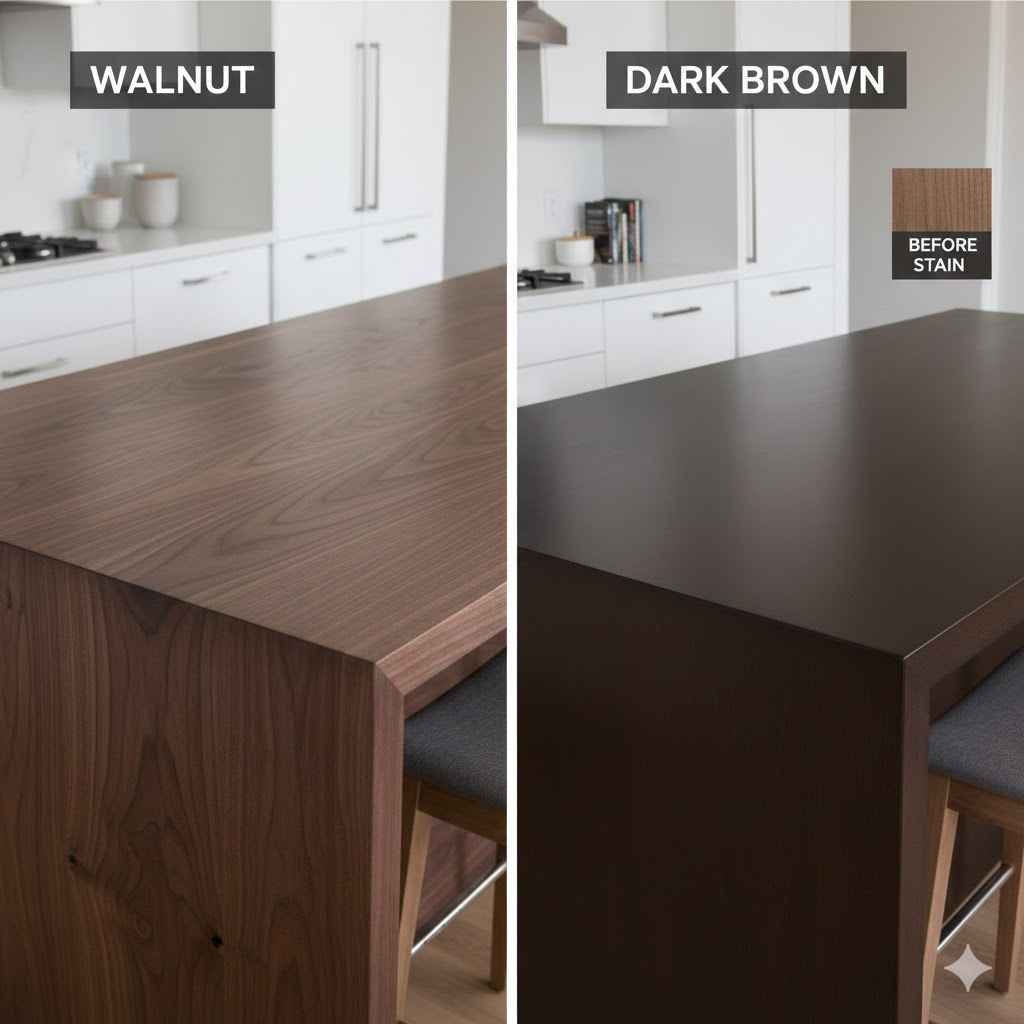
Walnut vs Dark Brown: Wood Tone Comparison
Picking the right wood color for your home can be tricky. Many people wonder about Walnut vs Dark Brown: Which Wood Tone Wins? It sounds simple, but sometimes the names can be confusing. Don’t worry!
This guide makes it super easy. We’ll walk through it step-by-step so you can pick the perfect look. Let’s find out which shade is best for your space.
Understanding Wood Tone Differences
Wood tones are the natural colors of wood. They can range from very light, like pale blonde, to deep, dark shades. Walnut and dark brown are popular choices because they add warmth and elegance to any room.
But they are not the same. Knowing the differences helps you choose the best fit for your style and furniture.
What Is Walnut Wood?
Walnut is a type of hardwood. It is known for its rich, deep brown color. This color can sometimes have hints of purple or gray.
The grain pattern in walnut is often straight and even, but it can also be wavy or curly. This gives it a beautiful, natural look.
The shade of walnut can vary a bit depending on the species of walnut tree. Black walnut, for example, is very common and has a dark chocolate color. It is highly prized for its beauty and durability.
Many furniture makers love using walnut because it looks luxurious. It feels sophisticated and classic.
Walnut wood is also quite strong. This makes it good for furniture that needs to last. It resists wear and tear well.
This means your walnut pieces will look good for many years to come. It’s a smart choice for items like dining tables or cabinets.
Characteristics of Walnut Wood
Color Range Walnut typically presents a spectrum of rich brown hues. This can span from a lighter, warm brown to a very deep, dark chocolate brown. Some pieces might even show subtle undertones of reddish-brown, purple, or even gray.
This variation adds to its natural appeal and uniqueness.
Grain Pattern The grain of walnut wood is generally straight but can also feature attractive swirls, curls, or burls. These irregular patterns can create stunning visual effects, especially in larger pieces of furniture or cabinetry. The texture is usually fine and smooth.
Durability and Strength Walnut is considered a hardwood. It is known for its good strength and resistance to decay. This makes it an excellent choice for furniture, flooring, and other items that see a lot of use and need to stand the test of time.
It holds up well against dents and scratches.
Workability This wood is relatively easy to work with using common woodworking tools. It glues well and takes finishes nicely. This makes it a favorite among craftsmen who want to create detailed designs and smooth surfaces.
What Is Dark Brown Wood?
Dark brown is a broader category. It refers to any wood that has a deep brown color. This could include many different types of wood.
Some common examples are stained oak, mahogany, or even some darker species of pine. The key is that the overall tone is a strong, dark brown.
Unlike walnut, which has its own natural color, “dark brown” often describes a finish applied to wood. A manufacturer might take a lighter wood, like maple or birch, and stain it to look like a richer, darker shade. This allows for more control over the exact color and consistency.
The grain patterns in dark brown woods can vary a lot. If it’s stained oak, you’ll see the distinct, prominent grain of oak. If it’s mahogany, the grain might be straighter with a reddish tint.
The term “dark brown” focuses more on the color outcome than the specific wood type.
Understanding the “Dark Brown” Category
Broad Color Spectrum The term “dark brown” covers a wide range of shades. It can include very deep, almost black-browns to richer, reddish-browns. This broadness means that many different wood species and finishes can fall under this description.
Often Achieved Through Staining While some wood species naturally have dark brown tones, this color is frequently created by applying a stain to lighter woods. This allows designers and manufacturers to achieve a specific look consistently across many pieces.
Varied Grain Patterns Because “dark brown” is a color description rather than a wood type, the grain patterns can differ significantly. You might see the strong grain of oak, the finer grain of cherry, or a very subtle grain in woods like maple, all stained to a dark brown.
Versatility in Design This broad category makes dark brown wood finishes very versatile. They can be used in many different interior design styles, from traditional and rustic to modern and minimalist, depending on the wood species and the specific shade of brown.
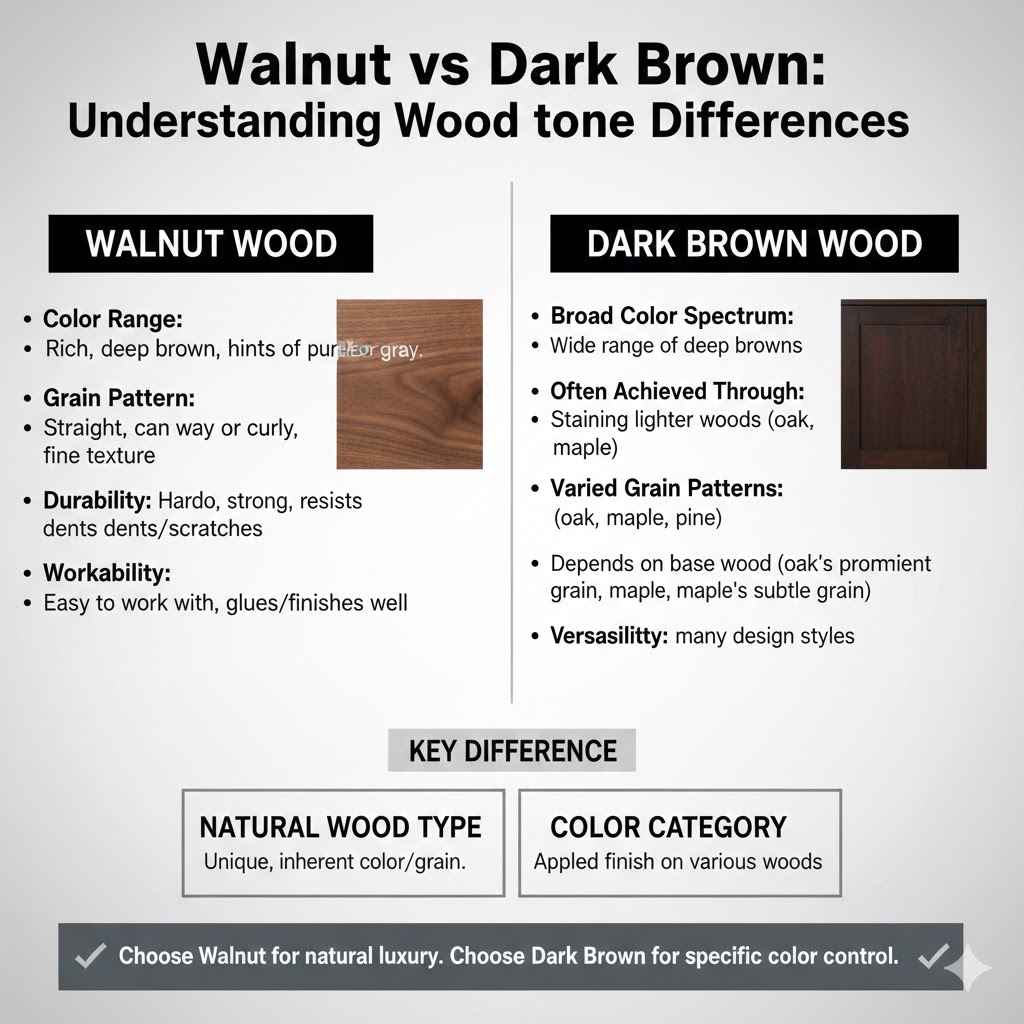
Walnut vs Dark Brown Which Wood Tone Wins for Style
When deciding between walnut and dark brown, think about the style you want to achieve. Walnut offers a natural, luxurious, and sophisticated look. Its unique grain and deep color are instantly recognizable.
Dark brown, on the other hand, is more about the color outcome. It can achieve a similar depth but might have a different feel depending on the wood underneath.
For a high-end, classic feel, natural walnut is often the top choice. It brings a sense of organic beauty and richness that is hard to replicate. Its natural variations make each piece feel special.
Walnut furniture often becomes a statement piece in a room.
Dark brown finishes offer more flexibility. If you have a specific color in mind, you can likely find a dark brown stain that matches it. This is great for coordinating different furniture pieces or ensuring a consistent look throughout your home.
You can also choose a wood with a grain you like and stain it dark brown. This means you can get the deep color and the grain pattern you prefer.
Achieving a Luxurious Feel
Walnut wood naturally exudes luxury. Its deep, rich color and beautiful grain patterns create an impression of quality and elegance. This makes it a popular choice for high-end furniture, custom cabinetry, and upscale interiors.
The natural variations in walnut also add character and depth.
If you are aiming for a sophisticated and timeless aesthetic, walnut is a strong contender. It pairs well with many other colors and materials. It can make a room feel more grounded and refined.
Many people find the visual appeal of walnut irresistible for creating a distinguished atmosphere.
Design Versatility of Dark Brown Finishes
Dark brown is a chameleon in the design world. It can adapt to many styles. A dark brown stained oak might look rustic and earthy.
A dark brown stained maple could appear sleek and modern. This versatility allows you to achieve a specific look without being tied to one wood species.
If you are matching existing decor or have a very precise color palette in mind, a dark brown finish offers more options. You can select a wood species that has a grain you admire and then apply a dark brown stain. This gives you control over both the color and the texture.
It makes it easier to achieve a cohesive design theme.
Practical Considerations for Walnut vs Dark Brown
Beyond looks, there are practical things to think about when choosing between walnut and dark brown wood tones. Cost, availability, and maintenance are all important factors. Walnut, being a premium hardwood, often comes with a higher price tag.
Dark brown finishes, especially if they are stains on more common woods, can be more budget-friendly.
Availability can also play a role. While walnut is widely available, certain species or specific grain patterns might be harder to find. Dark brown finishes are generally easier to source because they can be applied to many different wood types.
This means you might have more options for furniture or flooring if you choose a dark brown finish.
Maintenance for both is usually similar. Both wood types, when properly sealed and finished, are relatively easy to clean. Regular dusting and wiping with a damp cloth usually suffice.
However, it’s always wise to check the manufacturer’s care instructions for specific products.
Cost and Budget
One of the main differences people notice is the price. Natural walnut wood is a premium material. It tends to be more expensive than many other wood types.
This is due to its natural beauty, durability, and sometimes limited supply.
On the other hand, “dark brown” often refers to a stained finish. If you choose a common wood species like oak, maple, or pine and have it stained dark brown, it can be more affordable. The cost will depend on the base wood and the complexity of the stain application.
Many people opt for stained wood to get a rich look without the high cost of exotic hardwoods.
Here is a comparison of general cost ranges. These are approximate and can vary based on location, supplier, and wood quality.
| Wood Tone | Typical Cost Per Square Foot (Flooring Example) | Notes |
|---|---|---|
| Natural Walnut | $8 – $15+ | Premium material, natural variations, high desirability. |
| Stained Oak (Dark Brown) | $4 – $8 | Common wood, stain provides color, wide availability. |
| Stained Maple (Dark Brown) | $5 – $9 | Hardwood, smooth grain, stain creates deep color. |
Availability and Sourcing
Walnut wood is a well-known hardwood and is generally available from lumber suppliers and furniture makers. However, specific cuts or highly figured walnut (like burl walnut) might be more difficult to find or come with a significant premium. The availability of consistent color across large projects can sometimes be a challenge with natural wood.
Dark brown finishes are incredibly accessible. Because the color is achieved through stain, manufacturers can produce large quantities of furniture or flooring with a consistent dark brown appearance. You can often find dark brown options in a wide variety of furniture stores and flooring suppliers.
This makes it easier for larger renovations or projects where uniformity is key.
Maintenance and Care
Both natural walnut and stained dark brown woods require proper care to maintain their appearance. For natural walnut, it’s important to protect it from excessive moisture and direct sunlight, which can cause fading or damage. Regular dusting with a soft cloth is recommended.
For dark brown stained woods, the care depends largely on the type of wood and the sealant used. Most wood finishes are durable and can be cleaned with a slightly damp cloth or a wood-specific cleaner. It’s important to avoid abrasive cleaners or excessive water, as these can damage the finish and the wood underneath.
Spills should be wiped up quickly.
Here are some general care tips:
Dust Regularly Use a soft, dry cloth to gently remove dust from the surface. This prevents dust from scratching the wood over time.
Wipe Spills Immediately Liquids can stain or warp wood if left to sit. Blot up any spills with a clean, dry cloth as soon as they happen.
Use Coasters and Placemats Protect surfaces from heat, moisture, and scratches. Coasters are essential for drinks, and placemats can help protect dining tables.
Avoid Harsh Cleaners Stick to mild soap and water or specialized wood cleaners. Harsh chemicals can strip the finish or damage the wood.
Keep Out of Direct Sunlight Prolonged exposure to direct sunlight can cause wood to fade or darken unevenly. Consider using curtains or blinds.
Walnut vs Dark Brown Which Wood Tone Wins in Different Spaces
The choice between walnut and dark brown can also depend on where you plan to use it. In a living room, walnut might offer a warm, inviting feel. In a kitchen, a dark brown finish on cabinetry could provide a modern, sleek look or a traditional, sturdy appearance.
For flooring, walnut can make a room feel grand and classic. Dark brown stained oak might offer a more robust, farmhouse-style feel. The lighting in a room also plays a big role.
A dark wood can make a small room feel cozier, while in a larger room, it can add a sense of grounding and scale.
Living Rooms and Bedrooms
In living rooms and bedrooms, the goal is often to create a warm and inviting atmosphere. Natural walnut wood is excellent for this. Walnut furniture like coffee tables, sideboards, or bed frames can add a touch of natural beauty and sophistication.
The rich tones of walnut are pleasing to the eye and promote a sense of comfort.
A dark brown finish can also work well, but the effect might be different. A dark brown stained wood could provide a cozy, hygge-like feel, especially if it has a warm undertone. Or, a very dark, almost black-brown can create a more dramatic and modern look.
The key is to consider the overall color palette and desired mood of the room.
Kitchens and Dining Areas
Kitchens and dining areas often benefit from durable and easy-to-clean surfaces. Both walnut and dark brown stained woods can fit the bill. Walnut cabinetry in a kitchen offers a luxurious, high-end feel.
It can make the space feel more like a custom home design.
Dark brown stained wood is a very popular choice for kitchen cabinets and dining tables. Stained oak, for example, is known for its strength and the prominent grain pattern that adds character. This can give a kitchen a classic, traditional look, or a more contemporary feel depending on the style of the cabinets and hardware.
Dark brown is also practical as it tends to hide minor stains and wear better than lighter woods.
Home Offices and Studies
For a home office, you want a space that feels productive and perhaps a bit elegant. Walnut is a classic choice for executive desks and bookshelves. Its deep color can create a sense of gravitas and professionalism.
It’s a wood that feels established and reliable, perfect for a work environment.
A dark brown finish can also be very effective in an office. A dark brown desk can look just as professional as walnut, especially if it’s a sleek, modern design. If you want a rich, dark look but are working with a tighter budget, staining a less expensive wood dark brown is a smart way to achieve a similar aesthetic.
It allows you to get the desired visual impact without the premium cost.
Making Your Final Decision
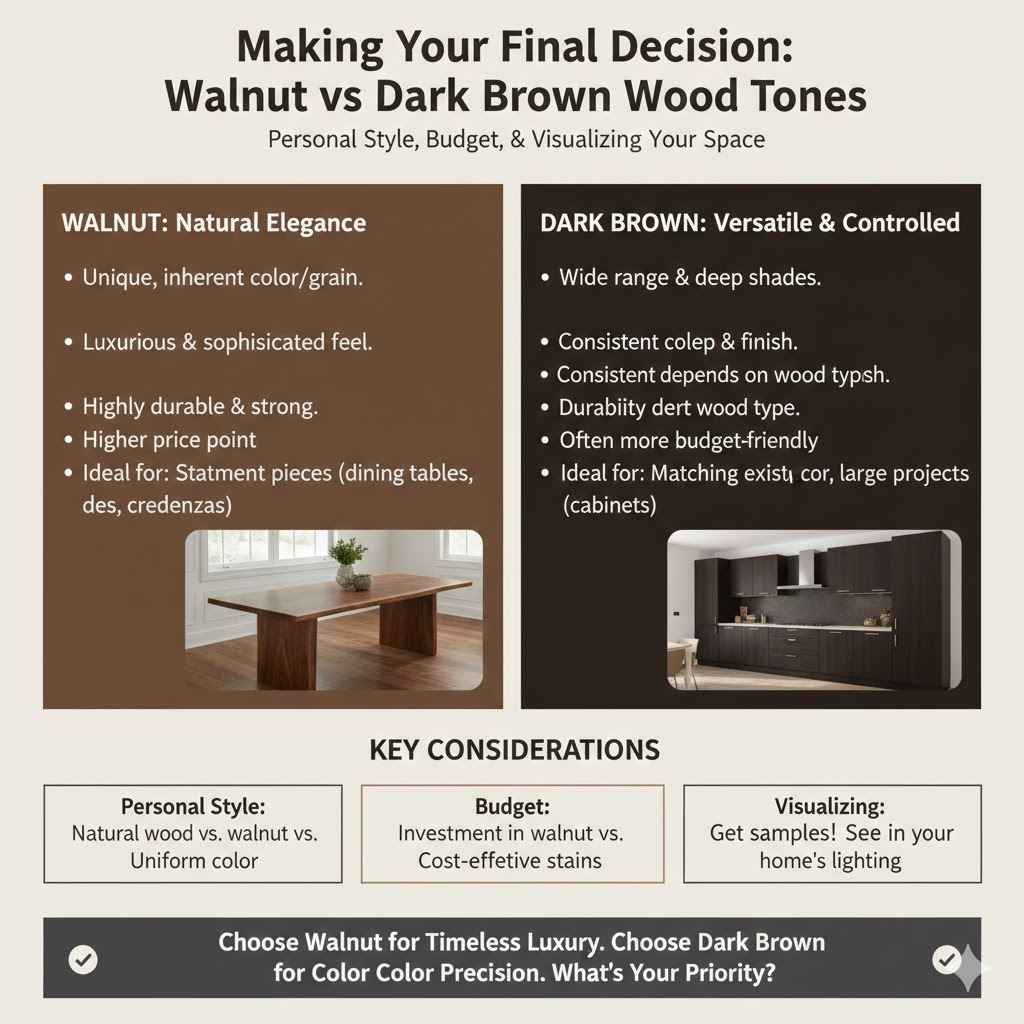
Deciding between walnut and dark brown really comes down to your personal taste, budget, and the specific look you want to achieve. Walnut offers a unique, natural elegance that stands out. Dark brown finishes provide a broad range of options and can be more budget-friendly.
Think about the other elements in your room. What colors are your walls? What other furniture do you have?
If you have a lot of other dark elements, a walnut might add a warmer contrast. If you are aiming for a very uniform look, a dark brown stain can help you achieve that consistency.
Consider looking at samples of both walnut wood and different dark brown stained woods. Place them next to your existing decor to see how they look in your home’s lighting. This is the best way to be sure you are making the right choice for your space.
Consider Your Personal Style
Your personal style is the most important factor. Do you prefer the natural beauty and subtle variations of real wood, or do you like the consistency and control that stains offer? If you appreciate organic textures and unique patterns, natural walnut is likely to appeal to you more.
If you have a very specific color in mind or want to match a particular aesthetic, a dark brown finish might be the better route. It’s about creating a space that feels right for you. There’s no single “right” answer, only what works best for your home and your vision.
Budgetary Factors
Budget is often a key driver in making design choices. If you are renovating an entire room or furnishing multiple pieces, the cost difference between natural walnut and stained wood can be significant. Being aware of these cost differences allows you to allocate your budget effectively.
You might choose to splurge on a walnut dining table as a centerpiece and opt for more budget-friendly dark brown stained wood for bookshelves or side tables. Mixing and matching can be a great strategy to get the look you want within your financial limits.
Sample Scenarios for Decision Making
Here are a couple of scenarios to help you visualize the decision:
Scenario 1: The Classic Entertainer You love hosting dinner parties and want your dining room to feel warm and sophisticated. You’ve seen beautiful walnut dining tables that have a rich, deep color and a lovely grain. You decide that the natural elegance and inherent quality of walnut are worth the investment for your centerpiece dining table.
For the surrounding chairs, you might opt for a dark brown stained wood that complements the walnut without competing, perhaps a stained oak for its durability.
Scenario 2: The Modern Minimalist You prefer clean lines and a consistent, sleek look throughout your home. You are redoing your kitchen cabinets and want a very dark, deep brown color. You find that a dark brown stained maple offers the smooth, uniform finish you desire, with a subtle grain that doesn’t distract.
While natural walnut is beautiful, you prefer the predictable color and finish that a stained wood can provide for your large cabinetry project.
Frequently Asked Questions
Question: Is walnut wood always darker than dark brown wood?
Answer: No, not always. Walnut wood has a natural color range that can vary from medium brown to very dark brown. “Dark brown” is a broader color category and can include woods stained to be even darker than some walnut.
It depends on the specific walnut species and the particular dark brown stain used.
Question: Which wood tone is more expensive, walnut or dark brown stained wood?
Answer: Natural walnut wood is generally more expensive than most common wood species stained to be dark brown. Walnut is a premium hardwood, and its natural beauty and rarity contribute to its higher cost.
Question: Can I get the look of walnut with a dark brown stain?
Answer: You can get a dark brown look with stain, but it’s hard to perfectly replicate the unique grain patterns and subtle undertones of natural walnut. However, you can choose a wood with a nice grain and stain it dark brown for a similar rich effect at a lower cost.
Question: Is walnut more durable than dark brown stained oak?
Answer: Both walnut and oak are hardwoods and are quite durable. Walnut is known for its strength and stability. Oak is also very strong and resistant to wear.
The durability of a stained wood also depends on the quality of the finish applied over the stain.
Question: Which wood tone is easier to find and buy?
Answer: Dark brown wood tones achieved through staining are generally easier to find and buy in a wide variety of furniture and flooring options. Natural walnut can sometimes be more specialized and might require sourcing from specific lumber yards or furniture makers.
Conclusion
When comparing walnut and dark brown, it’s about natural beauty versus customizable color. Walnut offers a unique, rich elegance with its own distinct grain. Dark brown finishes provide a spectrum of deep brown shades, often achieved through staining, offering greater flexibility and potential cost savings.
Both can create warm, sophisticated spaces. Your final choice hinges on personal style, budget, and the exact atmosphere you want to create.