Whittling vs Wood Carving: What’s the Difference?
Whittling is knife-only carving for small projects; once you need gouges, chisels, mallets, or larger forms, you’ve moved into broader wood carving. Mixing them up leads to poor tool choices, more tear-out, and avoidable cuts. This guide explains the boundary by project size, tool set, and safety so you can pick the right starting point.
| Decision factor | Whittling | Wood Carving | Winner |
|---|---|---|---|
| Project size | Small handheld objects, usually shaped one knife cut at a time | Small to large forms, including panels and deeper sculpture | Wood Carving |
| Tool count | Knife only | Knives, chisels, gouges, rasps, mallets, and sometimes power tools | Whittling |
| Portability | Very portable; a knife and a small wood blank fit in a pocket or pouch | Less portable because of bench tools, workholding, and strike tools | Whittling |
| Safety risk | Higher finger-proximity risk during close cuts | Still requires care, but many cuts are made farther from the supporting hand | Wood Carving |
| Detail ceiling | Good for simple features and small figures | Higher, especially for flat detail, recesses, and layered shapes | Wood Carving |
| Cleanup needs | Usually light cleanup from knife marks | Often more sanding or tool-mark cleanup, depending on the method | Whittling |
| Best first project | A spoon blank, small bird, simple handle, or chip-sized figure | A relief panel, carved plaque, or a larger animal form | Whittling |
| Best fit for a beginner with one tool | Clear match | Poor match until you add more tools and a stable bench setup | Whittling |
When a knife can’t do the job anymore
Whittling is the knife-only end of carving. Wood carving is the larger umbrella, and it includes whittling, chip carving, relief carving, and carving in the round. The boundary shifts when the project needs more than a knife to remove wood cleanly or shape a form efficiently.
Where the boundary starts to move
A project still reads as whittling when the form is small, handheld, and built with controlled knife cuts. Once the shape gets larger, flatter, or deeper than a knife can handle cleanly, chisels or gouges usually make more sense. That is the point where the work is still carving, but no longer whittling in the narrow sense.
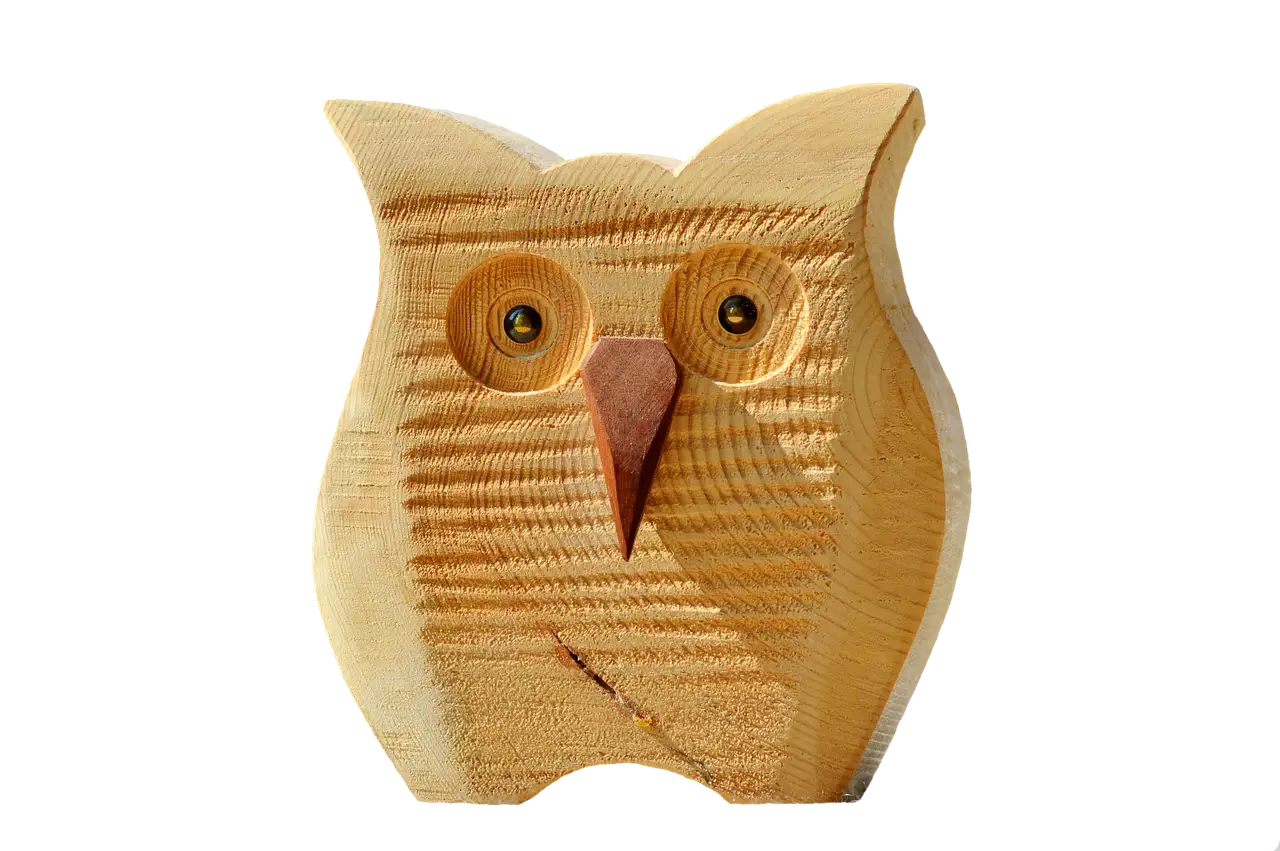
Say your goal is about a 2-inch bird from a basswood blank. A knife can define the beak, wings, and tail with close control. Suppose you switch to a carved plaque with recessed feathers and a raised border. That change in shape pushes the work toward relief carving, not knife-only whittling.
What is the difference between whittling and wood carving?
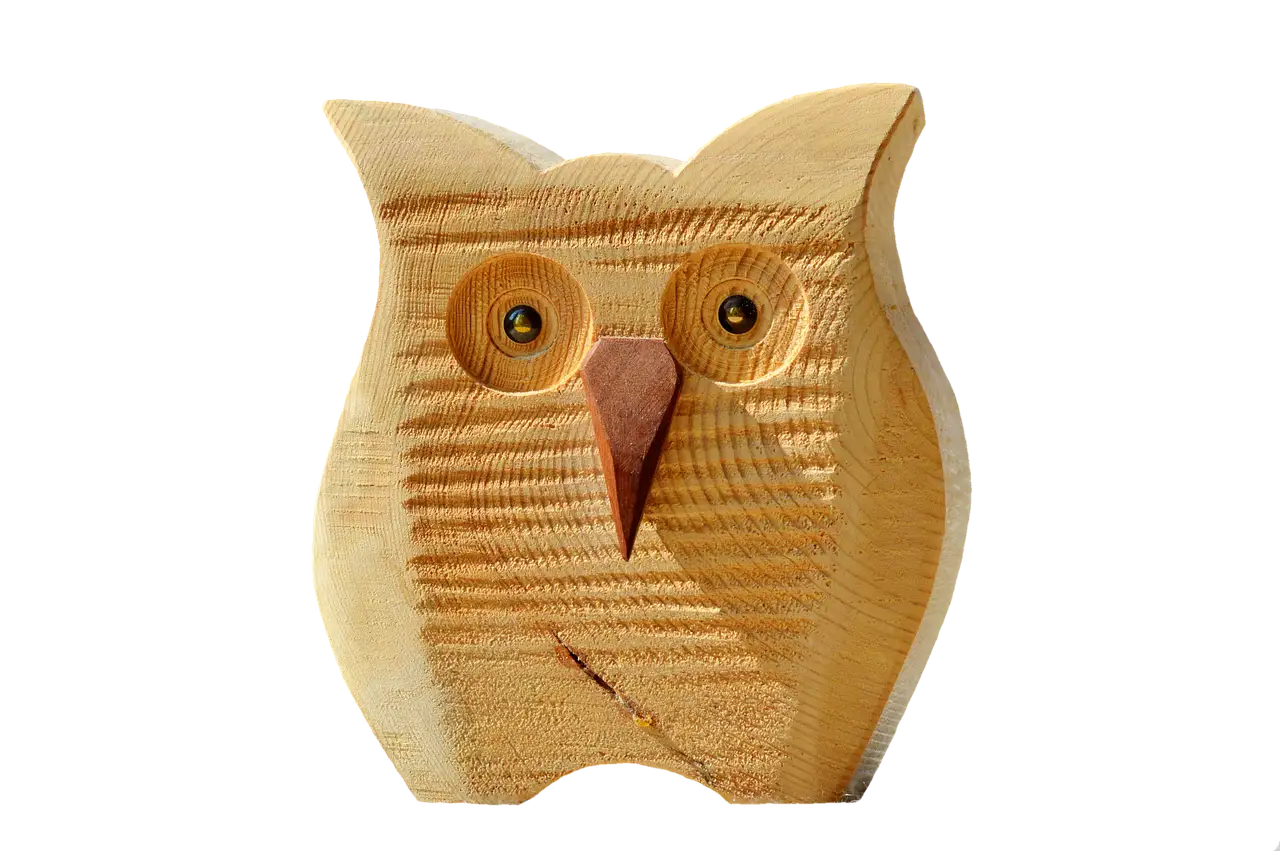
The practical difference is tool range and end product. Whittling is often described as using only a knife for small forms, while wood carving commonly uses a wider range of tools like chisels, gouges, rasps, power tools, and mallets. That broader tool set opens the door to larger shapes, deeper recesses, and more specialized finishes.
Whittling also asks you to work closer to the wood-holding hand. That matters because cuts happen near the fingers, which is one reason whittling can feel riskier than other carving methods. Wood carving spreads that work across more tools and often moves the cutting edge farther from the support hand.
Whittling vs Wood Carving decision table
This is the simplest way to choose. If you want one knife, a small blank, and a portable setup, whittling is the fit. If the project needs mallets, chisels, or gouges, wood carving is the better path.
What tools do you need?
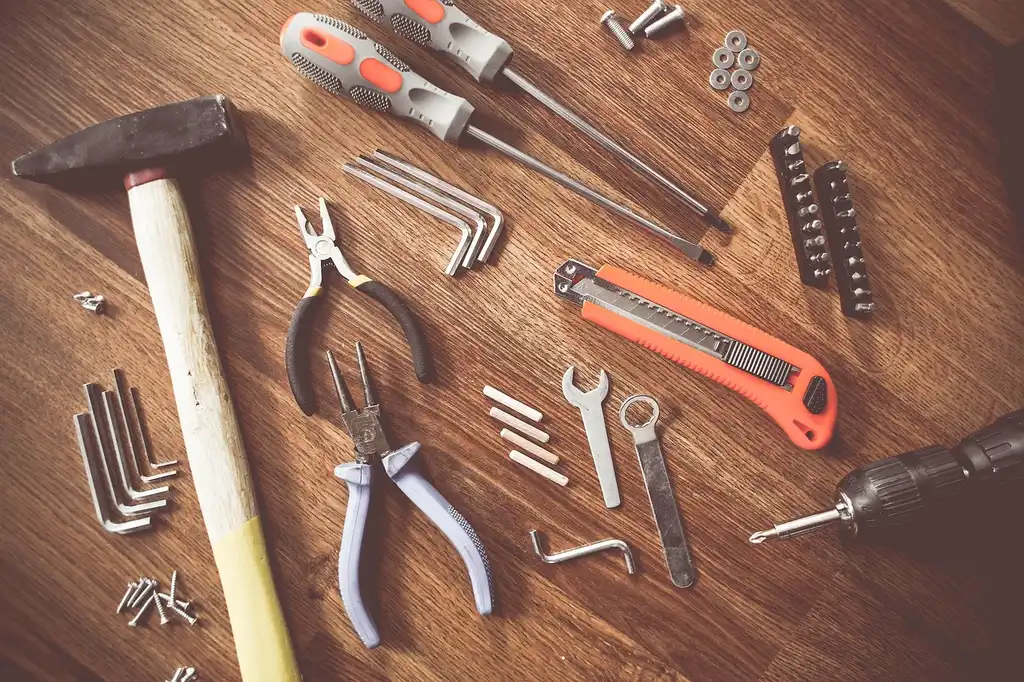
For whittling, the starter basics are a knife, wood, a strop, and hand protection. A whittling knife can be fixed-blade or folding, but it should feel comfortable in hand and hold a razor-sharp edge. A pocket knife can work as a starter tool when the handle feels secure and the blade suits controlled cuts.
Whittling knife and pocket knife basics
A fixed-blade whittling knife usually gives better control, but a folding knife can still work when the lock and handle feel secure. A pocket knife is most useful when the blade is easy to control and the grip does not shift during a push or pull cut. The edge matters more than a fancy name on the handle.
A good starter setup can include a high carbon steel blade or a knife with Rockwell Hardness between 58 and 62. The Mora 120 is described as a good all-purpose whittling knife, and Opinel No. 6 or larger is recommended because smaller sizes do not come with a blade lock.
When chisels and gouges make more sense
Chisels are a better match for roughing and detail work on larger or flatter forms, especially when you pair them with a mallet or hammer. Straight, skew, and fishtail variants each serve different cuts, so wood carving quickly becomes a tool-choice question as the project grows. Gouges, with their curved cutting edge, remove material quickly and are especially useful in relief carving.
That is why a chisel or gouge can feel slower to buy but faster to use on the right job. They remove more wood per stroke and help shape grooves, trenches, and recessed forms that are awkward with a knife alone.
Starter safety gear: carving glove and leather strop
A carving glove protects the hand holding the wood and lowers injury risk during close cuts. Slice-resistant options are worth considering if your cuts land near the thumb, index finger, or the top hand on a small figure. A leather strop with polishing compound keeps the knife razor sharp, which supports cleaner cuts and fewer forced passes.
- Choose a comfortable knife with a secure handle.
- Pick a soft, consistent starter wood.
- Wear a carving glove on the hand holding the stock.
- Keep a leather strop nearby and touch up the edge often.
What projects fit each method?
Whittling is often a good fit for small handheld objects. Think simple animals, hooks, spoons, and other forms you can hold in one hand while cutting with the other. Wood carving covers those too, but it also includes larger panels, relief scenes, and full three-dimensional figures.
Small handheld figures and simple forms
Whittling stays in its lane when the work is compact enough to control with a single knife. A small handle, a pocket-sized figure, or a rough spoon blank all fit that pattern. The moment the form needs broad flat areas or deep undercut details, the job starts to favor broader carving methods.
When a project becomes relief carving or carving in the round
Relief carving makes the design protrude from the piece of wood. That means the background gets lowered while the subject stands out from the surface. Carving in the round shapes the object from all sides and usually takes more than knife-only work. Chip carving is another carved style, but it is still part of the larger wood carving family.
Picture a 6-inch plaque with a raised leaf pattern. You can mark the outline with a knife, but the field around it usually becomes a chisel or gouge job. That is the cleanest sign that you are no longer in whittling territory.
Is whittling easier and safer?
Whittling is usually easier to start because the tool count is lower and the motions are simpler. It is not automatically safer, though. Cuts happen close to the fingers, so the work can feel more exposed than larger carving methods where the support hand sits farther from the edge.
Why the tool count is lower
One knife, one blank, and a strop can get you started. That simplicity lowers the setup barrier and makes practice easier to repeat. It also keeps the learning curve focused on edge control, grain direction, and hand position instead of tool selection.
Why finger proximity can raise risk
In whittling, the cutting hand often moves toward the support hand. That close spacing is the main reason the craft can feel riskier than broader wood carving. A glove helps, but the real control comes from keeping cuts short, pointed away from the body, and matched to the grain.
A common first-timer mistake is trying to force a deep cut against the grain on a small bird body. The knife grabs, the cut slips, and the support thumb ends up too close to the blade path. Soft basswood and lighter passes reduce that problem.
What kind of wood is best for whittling?
Basswood is often treated as a common starting wood because it is soft enough to cut, hard enough for small details, and usually has fairly consistent grain. That combination gives beginners a clearer read on the edge and fewer surprises in the cut. It is also one of the best woods for learning grain direction without fighting the material.
Why basswood is the default starting wood
Soft woods are easier to start with, but not all soft woods behave the same way. Basswood tends to cut cleanly and hold detail well, which makes it a practical practice wood for small figures and simple relief work. If the grain is consistent, the knife moves predictably and tear-out drops.
Simple hand-carving starter setup
If you want a hand-only starter kit, keep it small. Start with a comfortable knife, basswood blanks, a carving glove, and a leather strop with polishing compound. Add chisels or gouges only when the project shape demands them.
- Knife: fixed-blade or secure pocket knife
- Wood: basswood blanks
- Edge care: leather strop and polishing compound
- Protection: carving glove for the support hand
Choose Whittling if… / Choose Wood Carving if…
Choose Whittling if you want a portable craft that uses one knife, small stock, and a simple starter setup. Choose Wood Carving if your project needs larger shapes, flatter surfaces, deeper recesses, or tools beyond a knife. That split holds up better than any broad definition.
Choose Whittling if…
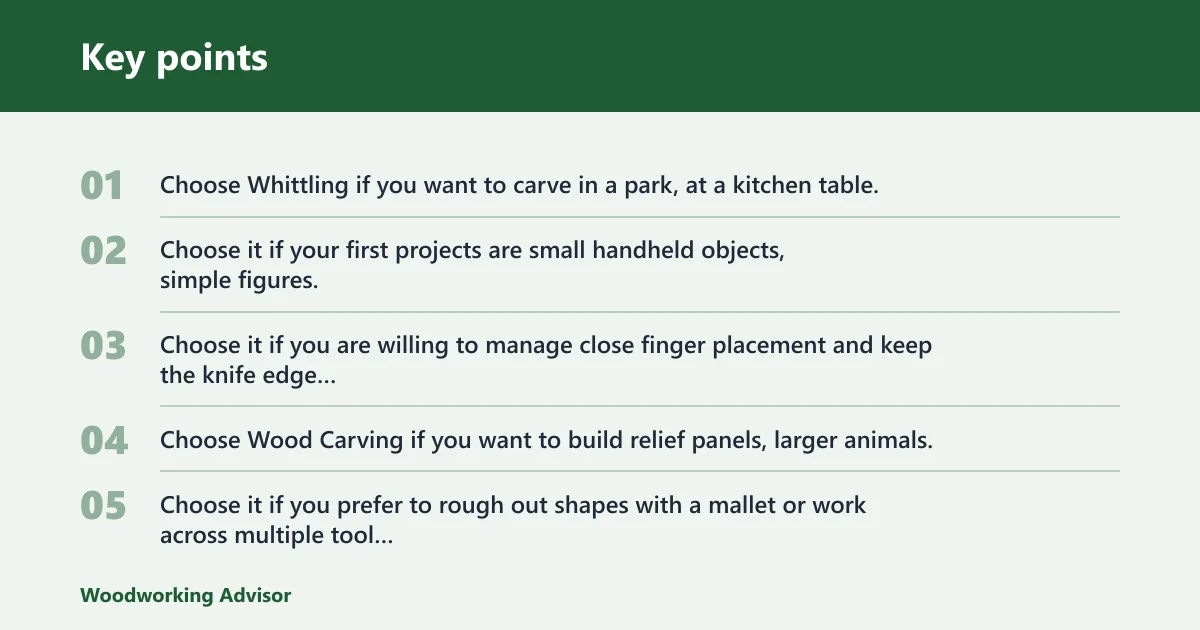
Choose Whittling if you want to carve in a park, at a kitchen table, or while traveling with minimal gear. Choose it if your first projects are small handheld objects, simple figures, or spoon blanks. Choose it if you are willing to manage close finger placement and keep the knife edge sharp.
Choose Wood carving if…
Choose Wood Carving if you want to build relief panels, larger animals, or deeper forms that need chisels or gouges. Choose it if you prefer to rough out shapes with a mallet or work across multiple tool types. Choose it if portability matters less than detail range and larger-scale control.


Frequently asked questions
Can whittling be considered wood carving?
Yes. Whittling fits inside the larger wood carving family, but it is the knife-only branch of it. If the work stays small and handheld and you are using only a knife, it is whittling. Once the project needs chisels, gouges, or mallets, it becomes broader wood carving.
What projects count as whittling instead of carving?
Small handheld objects count as whittling when you can shape them with a knife alone. Simple birds, hooks, little figures, and spoon blanks fit that pattern. If the design needs recessed backgrounds, broad flat areas, or strong three-dimensional shaping, it is better described as another carving method.
Can you whittle with any knife?
Not every knife is a good choice. A whittling knife should feel comfortable in hand and keep a razor-sharp edge, and a secure pocket knife can also work for controlled cuts. The blade needs to suit the cut style; a loose grip or awkward handle makes whittling harder and less safe.
Do you need chisels or gouges for wood carving?
You do not need them for every carve, but they matter for many projects. Chisels are better for roughing and detail work on larger or flatter forms, and gouges are useful for grooves, trenches, and relief carving. If the project grows beyond knife-only cuts, those tools become practical rather than optional.
Which tools are best to start with if I only want to carve by hand?
Start with a comfortable knife, basswood, a carving glove, and a leather strop. That setup covers the essentials without buying tools you may not need yet. If you later move into larger or flatter work, chisels and gouges are the next step, not the first one.
Is whittling more dangerous than other types of wood carving?
It can be, because the cuts happen close to the fingers. That close hand position is the main safety difference, not the knife itself. A glove helps reduce injury risk, but careful cut direction and light passes matter just as much when the blade is only inches from the support hand.
Sponsored / affiliate links. As an Amazon Associate I earn from qualifying purchases. I may earn additional commission from eligible campaigns.