Wood Furniture Feeling Sticky After Oiling: What Went Wrong
Sticky wood furniture after oiling usually means excess oil, slow curing, or both; wipe off liquid residue within about 15–30 minutes, and if it still feels tacky after about 24–48 hours, treat it as a cleanup issue. Left alone, the surface can stay grabby, collect dust, and cure into a blotchy finish. This guide shows how to match the symptom to the oil, fix the application error, and use the least aggressive cleanup that works.
Diagnosing the source of stickiness
Sticky feel comes from oil left on the surface, oil applied too heavily, or oil that is curing slowly in poor conditions. The first clue is where the tackiness sits: on top of the wood, throughout the pores, or only in end grain. That difference changes the fix.
Drying oils and wipe-on wood oils do not behave the same way as mineral oil. A curing oil hardens by oxidation; a non-curing oil stays oily and must be maintained as a lubricant or conditioner rather than a film finish. Blended wipe-on products sit between those two, so the brand and the instructions matter.
Open-pored woods usually take more oil into the grain, while dense woods can hold residue on the surface. End grain can over-absorb finish and look dull in one area, then feel sticky in another because the extra oil was never fully wiped away.
Sticky oil troubleshooting table
This table matches the timeline to the most likely cause, the safest correction, and the point where you should stop spot-fixing and consider full refinishing. Start with the least aggressive step that matches the symptom. Do not jump to sanding if a wipe-down still has a chance.
| Oil type | Symptom timing | Most likely cause | Safest corrective step | When full refinishing is likely |
|---|---|---|---|---|
| Food-grade mineral oil | Same day | Too much oil left on the surface after application | Wipe firmly with a clean lint-free cloth until the surface feels dry, then buff with a dry cloth | Rarely needed; this is usually residue, not a failed film |
| Food-grade mineral oil | 24 hours | Normal non-curing behavior plus excess buildup | Wipe again with a dry cloth; if needed, remove buildup with a cloth dampened with the correct solvent for the existing finish, then dry fully | If the piece was treated as a protective finish instead of a maintenance oil |
| Food-grade mineral oil | 72 hours | Repeated applications have left a greasy surface layer | Clean off the top layer and switch to a monthly maintenance cadence if the piece is food-contact wood | If the surface has collected grime that will not wipe off |
| Food-grade mineral oil | One week | Oil has not cured because it is not meant to cure | Remove surface residue and stop treating it like a film finish | Usually not a refinishing case; it is a maintenance problem |
| Tung oil | Same day | Coat was too thick or excess was not wiped off in time | Wipe hard with a clean lint-free cloth before it skins over | Only if the coat has already set in thick ridges or blotches |
| Tung oil | 24 hours | Surface film is still wet because the coat was heavy or air movement was poor | Wipe again, then improve ventilation and warmth within the product’s safe range | If a gummy film has built into a continuous layer |
| Tung oil | 72 hours | Slow oxidation from cool, damp air or a thick application | Use a non-scratch pad to lift residue, then allow more curing time | If the tacky layer remains soft under the surface after repeated wiping |
| Tung oil | One week | Incorrect application or an unsuitable product blend left a gummy film | Remove residue with the right solvent for that product and test a small area before recoating | Likely, if the surface still attracts dust after cleaning |
| Linseed oil or boiled linseed oil | Same day | Excess oil was left in the pores and on the surface | Wipe off all visible wetness immediately | Rare at this stage unless the coat was flooded on |
| Linseed oil or boiled linseed oil | 24 hours | Oxidation is starting but the film is still overloaded | Wipe the surface, increase ventilation, and keep the piece in a drier, warmer room | If the coat stays uniformly tacky after repeated wipe-downs |
| Linseed oil or boiled linseed oil | 72 hours | Cool or humid conditions slowed cure time | Use a gray Scotch-Brite equivalent or fine abrasive pad lightly, then wipe clean | If the finish remains soft enough to smear on the cloth |
| Linseed oil or boiled linseed oil | One week | Thick application, poor wipe-off, or contaminated blend | Strip the affected area and refinish if the surface is still grabby and dust-loaded | Often yes, especially on broad flat panels |
| Danish oil | Same day | Blended wipe-on finish was left too wet | Wipe thoroughly until the surface no longer feels slick | Not usually, if the problem is only on top |
| Danish oil | 24 hours | The solvent and oil blend is still flashing off slowly | Improve air movement and wipe any wet spots again | If the film stays sticky in low spots or corners |
| Danish oil | 72 hours | Too many coats have stacked up without full cure between them | Use a non-scratch pad to remove surface residue, then wait before recoating | If the finish has turned gummy over a wide area |
| Danish oil | One week | Application error plus poor curing conditions | Test a solvent wipe on a hidden area; strip if the coating softens unevenly | Likely, if the product never hardened into a dry surface |
| Mixed wipe-on oil | Same day | Excess coat left to sit on the surface | Wipe with a dry lint-free cloth before it sets | Usually not yet |
| Mixed wipe-on oil | 24 hours | Blend chemistry is slower than expected, or the room is too damp | Wipe again, then add ventilation and warmth | If the same spots keep feeling oily after two wipe-downs |
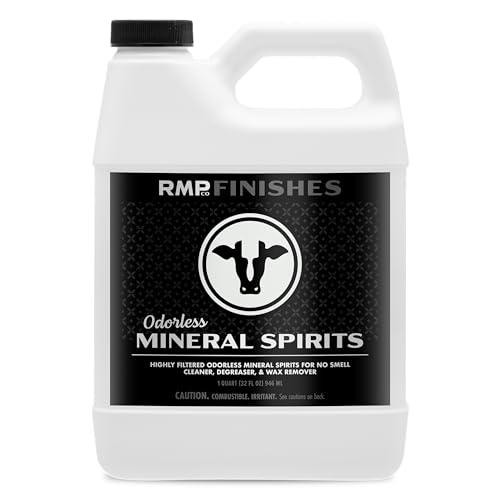
| Mixed wipe-on oil | 72 hours | Residual film is staying on the surface instead of curing into the wood | Use mineral spirits or the manufacturer’s solvent if the product calls for it | If a tacky film returns after cleaning |
| Mixed wipe-on oil | One week | Film is misapplied or incompatible with the base finish | Strip the affected finish and start over if residue cannot be removed cleanly | Often yes, especially if dust is embedded in the coating |
Did you apply too much oil?
Yes, very often. The common failure is not the wood absorbing too much finish; it is leaving too much finish on top of the wood. If the cloth still comes away wet after the wipe-off window, the coating was too heavy.
Open-pored woods can hide extra oil in the grain and still feel sticky on the high spots. Dense woods are different. They may accept less oil, so the same heavy application that disappears into oak can sit gummy on maple or a closed-grain veneer.
End grain is the trouble zone. It drinks in oil faster than face grain, so the surrounding surface may look even while the end grain stays wet or blotchy. That is why one shelf edge can feel wrong even when the flat field seems fine.
Say your oak tabletop felt dry after 20 minutes, but the edges still picked up dust the next morning. That usually points to excess oil in the end grain and too much left on the surface, not a ruined top.
How many coats is too many?
Too many coats are the point where the surface no longer dries evenly between applications. With wiping oils and blends, a second coat can be fine if the first one is fully dry, but stacked coats laid down too soon can leave a soft, sticky film. Stop when the wood stops accepting product evenly.
Which oil are you dealing with?
You need the product type before you choose the fix. Mineral oil, tung oil, linseed oil, Danish oil, and wipe-on blends all leave different residue patterns. Treating them the same can make the problem last longer.
Food-grade mineral oil
Food-grade mineral oil is used for seasoning and maintenance on cutting boards and other food-contact wood, but it is not a protective film finish. It does not cure the way a drying oil does. That means sticky feel usually comes from excess oil, not failed hardening.
The article recommends monthly oiling with food-grade mineral oil for maintenance, not as a one-time seal. If the piece feels greasy, wipe it dry and slow the cadence. More oil does not build a better barrier.
Tung oil
Tung oil is a curing oil that hardens by polymerizing. It can give better water resistance than mineral oil, but thick application is risky because uncured surface oil can stay tacky for a long time. Thin coats are safer than one heavy flood coat. (Wikipedia)
Linseed oil and boiled linseed oil
Linseed oil and boiled linseed oil cure by oxidation. They can be slow in cool or humid conditions, and that delay often shows up as a tacky surface that picks up dust. Keep the coat thin and wipe it back well after application.
Safety matters here. Oily rags can heat up as they oxidize, so lay them flat to dry outdoors on a nonflammable surface or store them in a sealed metal container filled with water until disposal, following local rules. Do not wad them into a pile.
Danish oil and wipe-on blends
Danish oil and other wipe-on blends combine oil with solvent and sometimes varnish resin. They are usually easier to wipe thin, but they can still stay sticky if you leave a thick coat or recoat too soon. Corners, grooves, and turned parts are common problem spots.
Suppose a side table was wiped with Danish oil and still feels slightly grabby two days later. The likely issue is a coat that sat on top of the surface, not a deep failure in the wood. A solvent wipe and better air movement are usually the first move.
How long should it take to stop feeling tacky?
There is no single cure time for every oil. Curing oils need time to oxidize, non-curing oils stay oily, and blends can sit in the middle. Temperature, humidity, and ventilation all change the result.
As a general rule, the surface should stop feeling wet soon after the excess is wiped off. If it still feels tacky after 24 hours, check the room conditions and product type. If it is still sticky after several days, the problem is usually excess residue or too many coats.
How humidity and temperature change dry time
High humidity slows curing. Low temperature slows oxidation. A cool, damp room can turn a normal wipe-on finish into a slow-drying film that keeps dust on it for days. More airflow helps, but ventilation should be gentle and steady, not dusty or windy enough to blow debris into the finish.
Most finishing products list a recommended application range on the label, and staying within that range matters more than adding another coat. If the room is cold or damp, give the piece more time between coats rather than forcing the schedule.
When more ventilation helps
Ventilation helps when the oil is curing slowly because the solvent or oxidation byproducts are lingering near the surface. Open windows, a fan set to move air across the room, and enough space around the piece can all help. Do not trap the furniture in a closed, damp room.
What should you use to remove sticky residue?
Start with a clean lint-free cloth. If the residue is still fresh, that alone may be enough. If the surface is still grabby after it has dried, use the least aggressive cleaner that matches the finish, then finish with a dry wipe.
Lint-free cloths and non-scratch pads
A lint-free cloth is the first tool because it removes surface residue without cutting into the finish. If the tacky layer has started to set, a non-scratch pad or fine abrasive pad can lift the residue without jumping straight to sanding. Gray Scotch-Brite equivalent pads are often the safer choice than coarse paper.
Mineral spirits or the correct solvent
Use mineral spirits or the product’s specified solvent only when the finish system allows it. That can break down leftover surface oil and help remove residue that a dry cloth cannot touch. Test a hidden area first, especially on dyed or delicate finishes.
When a fine abrasive pad is the safer step
A fine abrasive pad is safer than sandpaper when the problem is a thin sticky film on top, not a damaged finish below it. Use light pressure and short passes. If the residue balls up on the pad, stop and wipe again instead of digging deeper.
Do not flood the wood with water to chase off oil. Water can swell the fibers, push grime around, and make the cleanup harder. The goal is to remove the residue, not drive it deeper.
When does sticky finish need sanding or refinishing?
Sanding is not the first move unless the residue has cured into a film that no longer wipes clean. If the tackiness is still surface-level, wipe, solvent-clean, or pad it first. Reserve sanding for coatings that have set wrong and will not release their top layer.
When residue can still be wiped away
If the cloth still picks up oil or the finish feels wet under the fingertip, keep wiping and wait longer before recoating. That means the problem is still residue. More finish on top will usually make it worse.
When the film cured wrong
If the surface is tacky but no longer transfers much to the cloth, the film may have cured wrong. That happens with heavy coats, poor wipe-off, or slow-drying conditions. A solvent wipe and a light abrasive pad are usually worth trying before sanding.
When the finish has to come off
If the surface stays gummy after repeated cleaning, attracts dust fast, or feels soft in patches, the finish may need to come off. That is more common with thick wipe-on blends that cured unevenly. Full refinishing is the last step, not the first.
- Wipe the surface with a clean lint-free cloth.
- Check whether the tacky feel is only on top or still wet in the pores.
- Use mineral spirits or the correct solvent if the finish allows it.
- Try a fine abrasive pad if the residue remains on the surface.
- Wait for better curing conditions before recoating.
- Strip and refinish only if the film stays gummy or blotchy after cleanup.
Frequently asked questions
Why does my wood furniture feel sticky after oiling?
Sticky feel usually means excess oil, too many coats, or slow curing from humidity or low temperature. The problem is often on the surface, not deep in the wood. Wipe-off timing matters most in the first 15–30 minutes, then reassess after 24–48 hours.
Did I put on too much oil on wood furniture?
If the surface still looks wet after the wipe-off window, or dust sticks to it the next day, too much oil was probably left behind. Open-pored woods can hide some oil, but dense woods often show the mistake as a gummy top layer. Wipe again before adding more.
How long should furniture oil dry before it stops feeling tacky?
That depends on the product and the room. A drying oil should stop feeling wet fairly soon after excess is wiped off, but cool or humid air can slow cure time. If it is still tacky after 24–48 hours, treat it as a cleanup problem first.
Can I wipe off excess oil after it has already gotten sticky?
Yes. If the residue is still on the surface, a clean lint-free cloth can remove a lot of it even after it feels sticky. If that does not work, try the correct solvent or a fine abrasive pad before sanding. The aim is to remove only the residue.
Does sticky wood mean the finish is ruined?
No. Sticky wood often means the finish is overloaded or curing slowly, not that it is ruined. If the residue can still be wiped off, the surface may recover without stripping. Full refinishing is only needed when the film stays gummy after cleanup.
Can humidity make oiled wood stay sticky?
Yes. High humidity slows curing, and low temperature slows oxidation, so the oil can stay tacky much longer than expected. More ventilation helps, but a damp room can still keep the surface grabby. Warm, dry air within the product’s recommended range is better.
Sponsored / affiliate links. As an Amazon Associate I earn from qualifying purchases. I may earn additional commission from eligible campaigns.