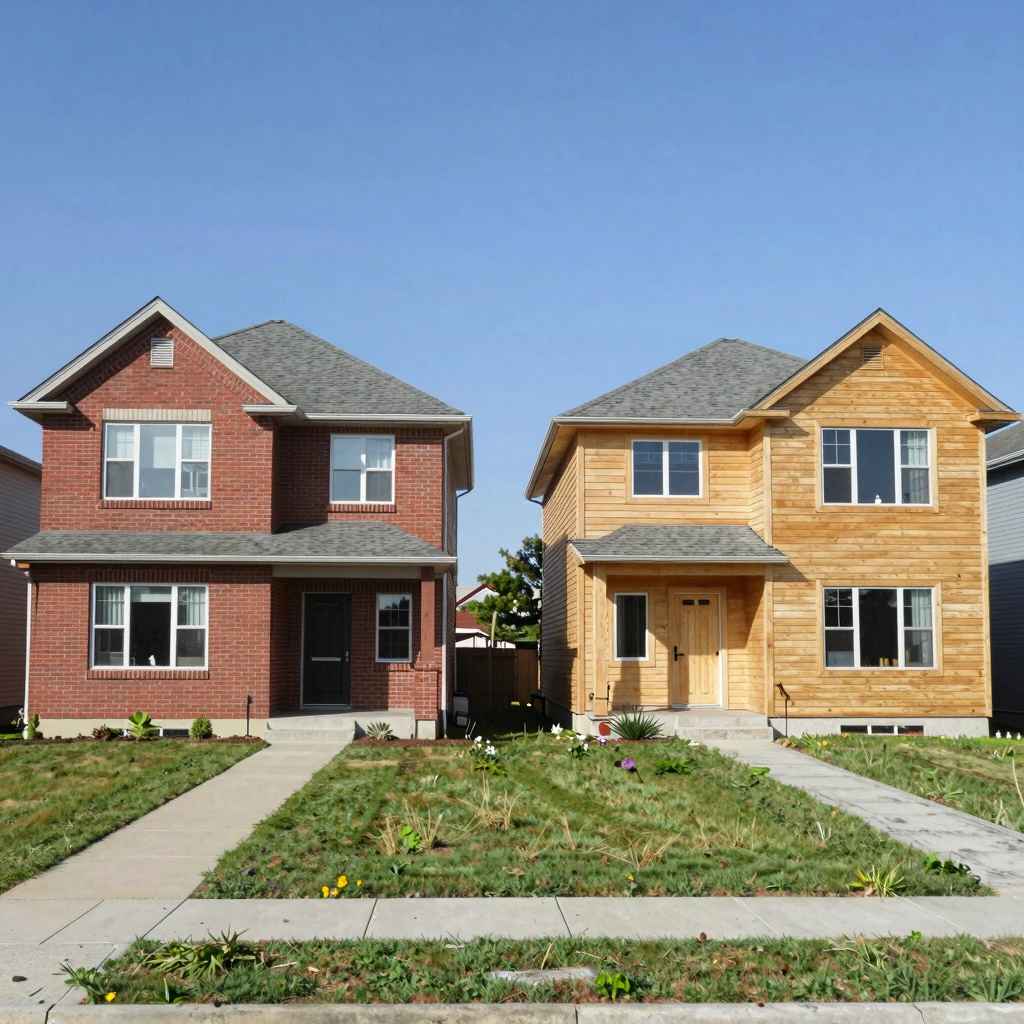
Are Brick Houses Better Than Wood? Pros And Cons Compared
Choosing a home is a big deal. You think about size, location, and price. But what about the walls?
Will they be made of bricks or wood? This choice affects your home a lot. It impacts how safe it is.
It changes how much it costs to heat and cool. It even changes how it looks over time. Many folks wonder which is truly better.
This guide breaks down brick versus wood homes for you. We will look at all the good and bad points. You will learn what fits your needs best.
Choosing between brick and wood for your home’s exterior is a significant decision. Both materials offer distinct advantages and disadvantages that influence cost, durability, maintenance, and aesthetic appeal. Understanding these differences helps homeowners make a more informed choice for long-term satisfaction and value. This comparison aims to clarify which material might be a better fit for your specific needs and priorities.
Wood Houses Explained
Best Wood Siding Sealer Pick

Ready Seal Exterior Wood Stain (1 Gal) – $34.79
If you go with wood siding, this is the maintenance brick never asks for — a UV-blocking, water-resistant stain that goes on without lap marks.
- Best for: Resealing wood siding, shakes, and shingles against sun and rain damage
- Why we picked it: No-lap, no-backbrush formula makes it realistic for a full siding job
- Main drawback: Needs reapplication every few years — an ongoing cost brick doesn’t have
Compare more wood siding protection options
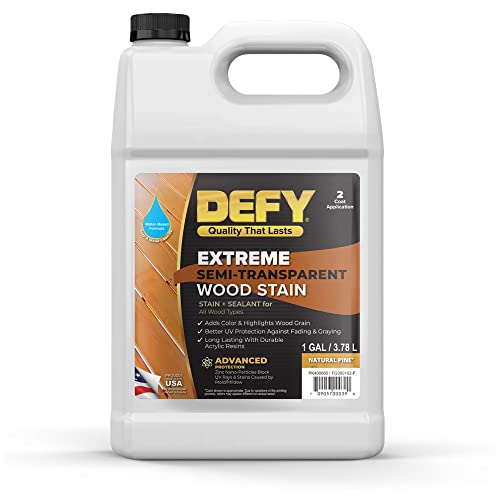
 Option 1 DEFY Extreme – $54.54
|
 Option 2 Olympic WaterGuard – $5.97
|
 Option 3 Titebond WeatherMaster – $9.57
|
As an Amazon Associate we earn from qualifying purchases.
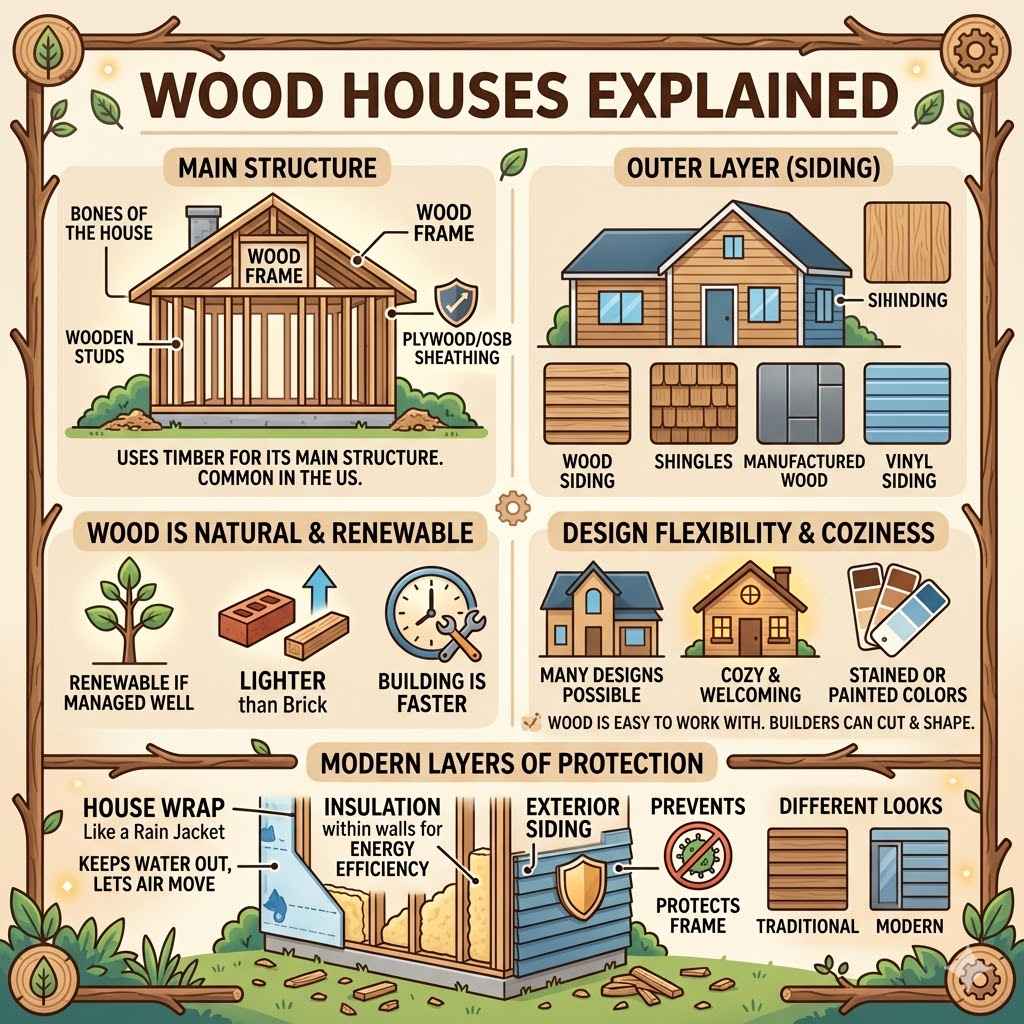
A wood house uses timber for its main structure. Wood frames are very common in the United States. The walls are usually built with wooden studs.
These are like the bones of the house. Then, materials like plywood or OSB (oriented strand board) are added. This makes the walls strong.
After that, an outer layer is put on. This outer layer can be many things. It might be wood siding, like clapboards.
It could also be shingles or even manufactured wood products. Vinyl siding is also very common on wood-framed homes.
Wood is a natural material. It is renewable if forests are managed well. It is also lighter than brick.
This can make building faster and sometimes cheaper. Wood is also easy to work with. Builders can cut, shape, and fit wood pieces easily.
This allows for many different home designs. Wood homes can look very cozy and welcoming. They have a natural warmth that many people love.
The wood itself can be stained or painted to many colors. This offers great design flexibility.
Modern wood homes often have layers of protection. They might have a house wrap. This is like a rain jacket for the walls.
It keeps water out but lets air move. This helps prevent rot. They also have insulation within the walls.
This makes them energy efficient. The exterior siding also protects the wood frame from the weather. Different types of wood siding offer different looks.
Some are very traditional. Others are more modern and sleek.
Comparing Durability and Lifespan
One of the biggest differences is how long they last. Bricks are incredibly durable. They can stand up to a lot of wear and tear.
They resist weather very well. Rain, snow, wind, and sun do not damage them easily. A well-built brick house can easily last 100 years.
Some brick structures have lasted for centuries! This makes them a very long-term investment. They are also resistant to pests like termites.
Termites love wood. They do not eat brick.
Wood houses are also durable. But they need more care. Wood can rot if it gets too wet for too long.
It can also be damaged by insects. Termites and carpenter ants can weaken wooden structures. Fire is also a bigger concern for wood.
While modern building codes have fire-resistant materials, wood is still more flammable than brick. However, a well-maintained wood house can last 50 to 75 years or more. Modern treatments and building methods have made wood homes much more resilient than they used to be.
The lifespan of any home also depends on maintenance. A brick house that isn’t checked for cracked mortar might have issues. Water can get in and cause damage.
A wood house with peeling paint or damaged siding will also suffer. Regular checks and repairs are key for both. But bricks tend to need fewer major structural repairs over their life compared to wood.
Cost: Upfront vs. Long-Term
When you first build, brick homes often cost more. The materials themselves can be pricier. Laying bricks also takes more time and skill.
This means more labor costs. So, the initial price tag for a brick house is usually higher than for a similar-sized wood house. This is a big factor for many buyers.
They have a budget to stick to. The upfront cost is a major part of that budget.
However, brick homes can save you money over time. Their durability means fewer repairs. You won’t need to replace siding as often.
You also don’t have to worry about termite damage repairs. Brick is also a great insulator. It holds heat in the winter and keeps it out in the summer.
This means lower energy bills. You’ll spend less on heating and air conditioning. Over 20, 30, or even 50 years, these savings add up significantly.
Wood houses often have a lower upfront cost. This makes them more accessible. They can be quicker to build.
The materials are often less expensive. They can also be very energy efficient with good insulation. However, they might have higher maintenance costs over their life.
Replacing siding, repairing wood rot, or dealing with pest problems can add up. So, while the start is cheaper, the long-term expenses might be higher than for brick.
Brick vs. Wood: Cost Snapshot
Upfront Cost:
- Brick: Higher
- Wood: Lower
Long-Term Costs:
- Brick: Lower (fewer repairs, lower energy bills)
- Wood: Potentially Higher (siding replacement, pest control, repairs)
Maintenance and Upkeep
Brick homes generally require less day-to-day maintenance. You don’t need to paint brick. You don’t need to seal it to protect it from the weather.
The biggest maintenance task is checking the mortar. Over many years, mortar can crack or crumble. If you see this, it needs to be repaired.
This is called repointing. It’s not a frequent job. You also need to keep the gutters clean.
Clogged gutters can cause water to run down the brick walls. This can stain the brick over time. Generally, though, brick is very low maintenance.
Wood homes need more regular attention. The exterior siding will likely need painting or staining every few years. This protects the wood and keeps it looking good.
You need to watch for peeling paint. You also need to check for any signs of wood rot. This might happen around windows or doors.
It can also occur at the base of the house. Regular pest inspections are a good idea. This is to catch any termite or ant activity early.
Cleaning out gutters is also crucial for wood homes. Water damage can be very serious for wood structures.
The materials used for wood siding matter too. Some wood siding types are more durable than others. For example, cedar or redwood can be more resistant to rot and insects than pine.
Engineered wood products are also designed to be more weather-resistant. However, all wood exteriors will demand more upkeep than brick. It’s like comparing a durable stone countertop to a wooden one.
Both can be beautiful, but one requires more careful handling and regular oiling.
Energy Efficiency Comparison
Brick is a dense material. It has a high thermal mass. This means it absorbs heat slowly.
It also releases heat slowly. In the summer, this is great. The brick absorbs the sun’s heat during the day.
It keeps the inside of your house cooler for longer. Then, at night, it releases that stored heat. In the winter, it helps keep heat inside.
It acts like a blanket for your home. This thermal mass effect can lead to significant savings on energy bills. You use your air conditioner and heater less.
Wood homes can also be very energy efficient. This depends heavily on the insulation used. Modern wood-framed homes often have excellent insulation.
This is packed into the walls. They can also benefit from good quality windows and doors. Vapor barriers and house wraps also help.
They control moisture and air leaks. While wood itself doesn’t have the same thermal mass as brick, good construction and insulation can make a wood home very efficient. The key is the building quality and materials used inside the walls.
When comparing, a standard brick home might have an edge in passive energy saving due to its thermal mass. However, a high-performance wood-framed home with advanced insulation and air sealing can be just as, if not more, energy efficient. It really comes down to the specifics of the build.
Looking at the insulation levels and the quality of windows and doors is important for both types.
Energy Efficiency Factors
Brick Homes:
- Thermal Mass: Absorbs and releases heat slowly, moderating temperature.
- Insulation: Often relies on insulation within the cavity or interior walls.
Wood Homes:
- Insulation: Primary energy saver, packed within wall cavities.
- Air Sealing: Crucial for preventing drafts and energy loss.
- Window/Door Quality: Significant impact on overall efficiency.
Fire Resistance
This is a major point where brick shines. Bricks are non-combustible. They do not burn.
This makes brick homes much safer in case of a fire. If a fire starts inside the house, the brick walls can contain it for a longer time. This gives people more time to escape.
It also helps limit the damage to the house. Wildfires are also less of a threat to brick homes. The exterior walls are unlikely to catch fire from flying embers or direct flame contact.
Wood is a combustible material. It can catch fire and burn. While modern building practices use fire-retardant treated wood and other safety measures, wood is still more vulnerable than brick.
A fire can spread more quickly through a wood-framed structure. This is a significant safety concern for homeowners in areas prone to wildfires or where fire safety is a top priority. The exterior siding on a wood home could potentially ignite.
It’s important to remember that the entire house needs to be safe. Fireplaces and chimneys in brick homes still have fire risks if not maintained. Electrical systems and internal furnishings in any home can cause fires.
But when comparing the structural integrity and resistance to external fire sources, brick offers a clear advantage over wood.
Sound Insulation
The density of brick makes it a great sound barrier. A brick house tends to be quieter inside. Sounds from outside, like traffic or loud neighbors, are muffled.
This is because the heavy brick walls absorb sound waves. The mortar joints also help. They stop sound from easily passing through.
This creates a more peaceful living environment. For people who value quiet and privacy, this is a big plus.
Wood homes can be less effective at blocking sound. The frame itself is not as dense. Sound can travel through the walls more easily.
However, this can be improved. Builders can add soundproofing materials within the walls. This includes special insulation or sound-dampening drywall.
The type of exterior siding also plays a role. Thicker, denser siding might offer better sound reduction than thin vinyl. But generally, brick has a natural advantage in keeping noise out.
If you live in a noisy area, or if you just prefer a quiet home, this is something to consider. The difference in sound insulation between a standard brick home and a standard wood home can be quite noticeable. You can often hear the difference when walking past them on the street, especially if there is noise nearby.
Soundproofing: Which is Quieter?
Brick Houses:
- Dense Material: Absorbs sound waves effectively.
- Natural Barrier: Muffles external noise significantly.
Wood Houses:
- Less Dense Frame: Sound can travel more easily.
- Potential for Improvement: Soundproofing materials can be added during construction.
Aesthetics and Curb Appeal
Brick offers a classic, timeless look. It has a certain gravitas. Many people associate brick homes with quality and permanence.
The varied colors and textures of brick allow for beautiful designs. You can have a warm red brick look. Or you might prefer a stately gray or tan.
The way the bricks are laid, like in a running bond or stack bond, also changes the appearance. Brick can make a home look grand, elegant, or charmingly rustic.
Wood homes offer a wide range of styles. They can be made to look very modern or very traditional. Wood siding, like clapboard, is a classic look.
Shingles can give a cozy, cottage feel. Natural wood finishes can be beautiful. Painted wood siding offers endless color choices.
You can make a wood house match any neighborhood style. It’s very versatile. Some people prefer the natural warmth and texture of wood.
It can feel more inviting to them.
Ultimately, curb appeal is subjective. What one person finds beautiful, another might not. Both brick and wood can create stunning homes.
The choice often comes down to personal taste and the surrounding environment. A rustic wood cabin might look perfect in the mountains. A classic brick colonial might be ideal in a historic town.
The context matters for how the house fits in and looks.
Resale Value and Investment
Brick homes often hold their value well. Because they are durable, require less maintenance, and are energy efficient, they can be very attractive to future buyers. The lower long-term costs are appealing.
Buyers see a brick home as a solid, long-term investment. They don’t expect major repair bills soon after moving in. This can translate into higher resale values, especially in competitive markets.
A well-maintained brick home is often a safe bet.
Wood homes can also have good resale value. This depends a lot on the upkeep and the age of the home. A modern wood home with good siding and recent updates can sell very well.
Older wood homes might need more renovations to attract buyers. If a wood home has had issues with rot or pests, this can significantly lower its appeal and value. Buyers might see the potential for future repair costs.
However, a well-kept, charming wood home in a good location can be a great investment.
When thinking about investment, consider the total cost of ownership. This includes the purchase price, maintenance, utilities, and potential repairs. Brick homes might have a higher purchase price, but their lower ongoing costs can make them more financially sound over many years.
This stability often translates to better long-term returns on investment.
Investment Potential: A Quick Look
Brick Houses:
- Strong Value Retention: Durable and low maintenance.
- Buyer Appeal: Seen as a solid, long-term investment.
Wood Houses:
- Value Depends on Condition: Upkeep is key for resale.
- Potential for Lower Entry Cost: Can be more affordable initially.
Real-World Context and Scenarios
In many parts of the U.S., especially in older towns and cities, brick homes are common. Think of neighborhoods in cities like Philadelphia, Boston, or Chicago. Brick construction was popular for its durability and fire resistance, especially in denser areas.
These homes often have a historic charm. They have weathered many seasons and seen generations of families.
In suburban developments and newer areas, wood-framed houses with various siding types are more common. This is often due to faster construction times and lower initial costs. For example, a sprawling ranch-style home in Texas might be wood-framed with stucco or vinyl siding.
A family home in a Minnesota suburb might be wood-framed with lap siding. The local climate also plays a role. In very humid or coastal areas, specific treatments are needed for both wood and brick to prevent moisture issues.
I remember visiting a friend’s new construction home in Arizona. It was wood-framed but had a beautiful synthetic stucco exterior. It looked solid and felt cool inside, even in the summer heat.
My grandparents, on the other hand, lived in a brick bungalow built in the 1940s. That house was always so quiet inside. You could barely hear the lawnmower outside.
And it stayed remarkably cool in the summer without much air conditioning. It was a different feeling entirely.
What This Means for You: When it’s Normal, When to Worry
For a brick house, it’s normal to see some weathering. The color might change slightly over decades. Small cracks in mortar are common after many years.
Worry if you see large sections of crumbling mortar. Or if you see bricks that are loose or falling out. Water stains that don’t wash off could mean a drainage problem.
Check for signs of moisture getting behind the brick, especially around the foundation.
For a wood house, normal things include needing to repaint or reseal the siding every few years. Small dents or scratches on siding are also normal. Worry if you see soft spots in the wood when you push on it.
This is a sign of rot. Look for any signs of insect damage, like tiny holes in the wood or mud tubes. Water damage, especially around windows and doors, is a big red flag.
Black mold or mildew can also indicate moisture problems that need fixing quickly.
The best approach for both is regular observation. Walk around your house a few times a year. Look closely at the walls.
Check for anything that seems out of place. Early detection of small problems can prevent major, costly repairs down the road. It’s about being proactive rather than reactive.
Quick Fixes and Tips
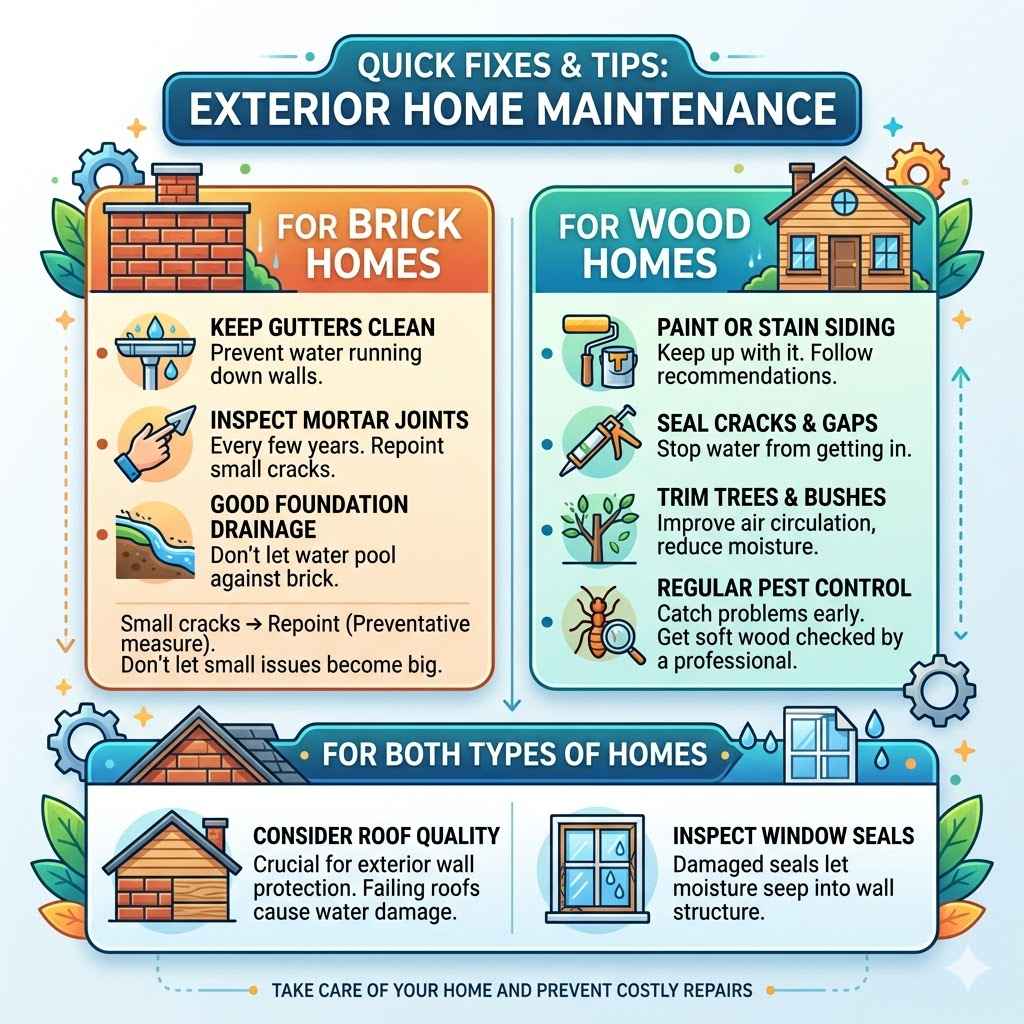
If you have a brick home, keep your gutters clean. This prevents water from running down the walls. Inspect your mortar joints every few years.
If you see small cracks, consider having them repointed. This is a preventative measure. Don’t let small issues become big ones.
Ensure good drainage around your foundation so water doesn’t pool against the brick.
For wood homes, keep up with painting or staining your siding. Follow the manufacturer’s recommendations. Seal any cracks or gaps in the siding promptly.
This stops water from getting in. Trim trees and bushes away from your house. This improves air circulation and reduces moisture buildup.
Regular pest control checks can catch problems early. If you notice any soft wood, get it checked out by a professional right away.
For both types of homes, consider the quality of your roof and windows. These are crucial for protecting your exterior walls. A failing roof can cause water damage to both brick and wood.
Damaged window seals can let moisture seep into the wall structure.
Frequently Asked Questions
Which type of house is more expensive to build: brick or wood?
Generally, brick homes are more expensive to build upfront. The materials and labor for bricklaying are typically higher than for wood framing and siding. However, the long-term costs for brick homes can be lower.
Are brick houses better insulated than wood houses?
Brick has higher thermal mass, which helps moderate indoor temperatures naturally. However, wood houses can be very energy efficient with modern insulation. The overall energy efficiency depends more on the quality of construction and insulation than just the exterior material.
Which material offers better protection against pests like termites?
Brick offers superior protection against termites and other wood-boring insects. Termites cannot eat brick. Wood homes, while protected by modern treatments and siding, are inherently more susceptible to pest infestation.
How often does brick siding need maintenance compared to wood siding?
Brick requires very little maintenance. You might need to clean it occasionally or have mortar repointed every many decades. Wood siding needs regular painting or staining every few years and may require repairs for rot or damage.
Is a brick house safer in a fire than a wood house?
Yes, brick is non-combustible and offers much better fire resistance. Brick walls can help contain a fire longer, providing more time for escape and limiting damage. Wood is combustible and can contribute to fire spread.
Which type of house generally has better resale value?
Brick homes often maintain and appreciate value better over time due to their durability, lower maintenance, and perceived longevity. However, a well-maintained wood home in good condition can also have strong resale value.
Conclusion
Deciding between a brick and a wood house is a big choice. Both have their own good and bad points. Brick offers amazing durability, fire safety, and lower long-term costs.
It often holds its value well. Wood homes can be cheaper to build upfront and offer lots of design freedom. They can also be very energy efficient with good building practices.
Think about your budget, what you want your home to feel like, and how much work you want to do. Weighing these pros and cons helps you pick the best home for you.
Sponsored / affiliate links. As an Amazon Associate I earn from qualifying purchases. I may earn additional commission from eligible campaigns.