Are Builders Edge Vinyl Shutters Paintable? Here Is The Truth
You might have looked at your current shutters and thought, “These are still good, but the color is all wrong.” Or maybe you’re buying new ones and a specific shade isn’t available, but you know you can paint. It’s totally understandable to want options. This is where that specific question about Builders Edge vinyl shutters and painting comes up.
Let’s clear this up.
The truth about painting Builders Edge vinyl shutters is nuanced. While generally not recommended by manufacturers due to potential adhesion and finish issues, it is technically possible with the right preparation and specific paint types. Success often depends heavily on following strict guidelines.
Understanding Vinyl Shutters and Paint

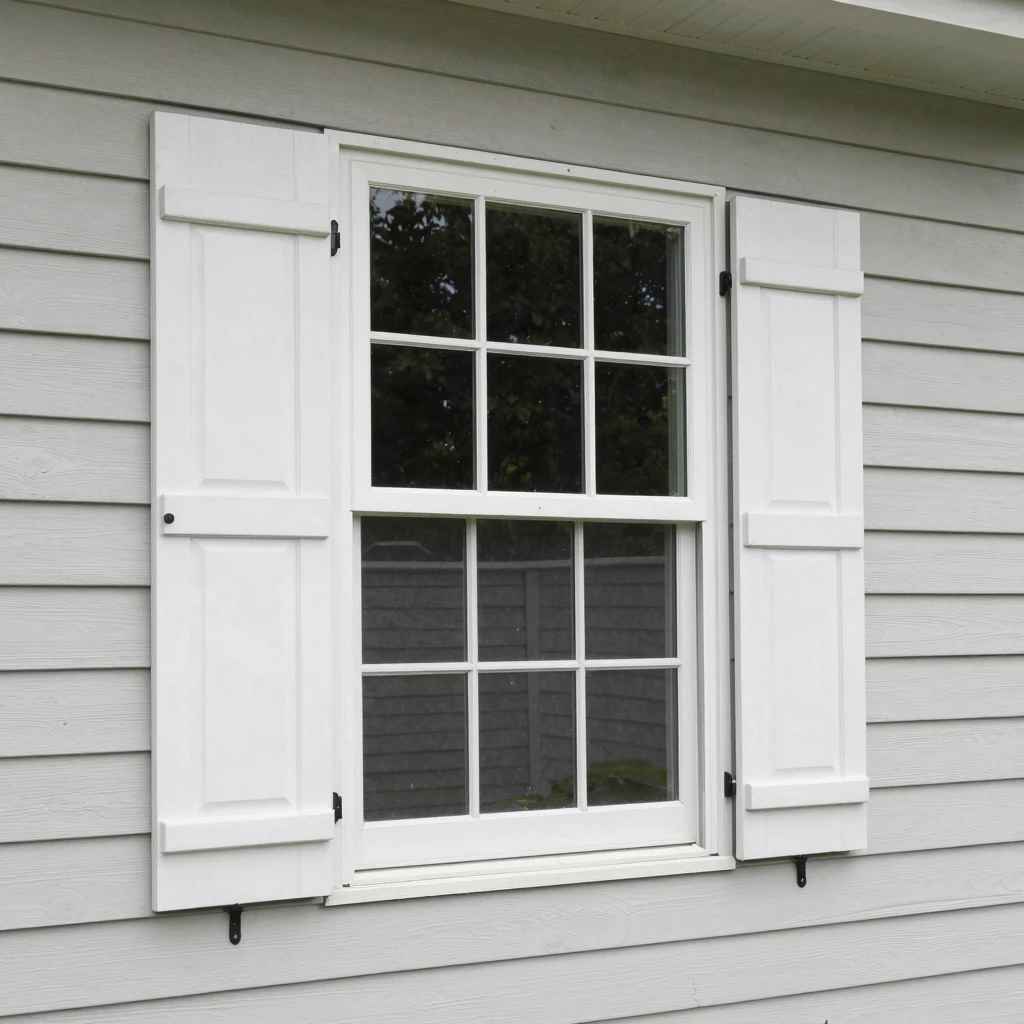
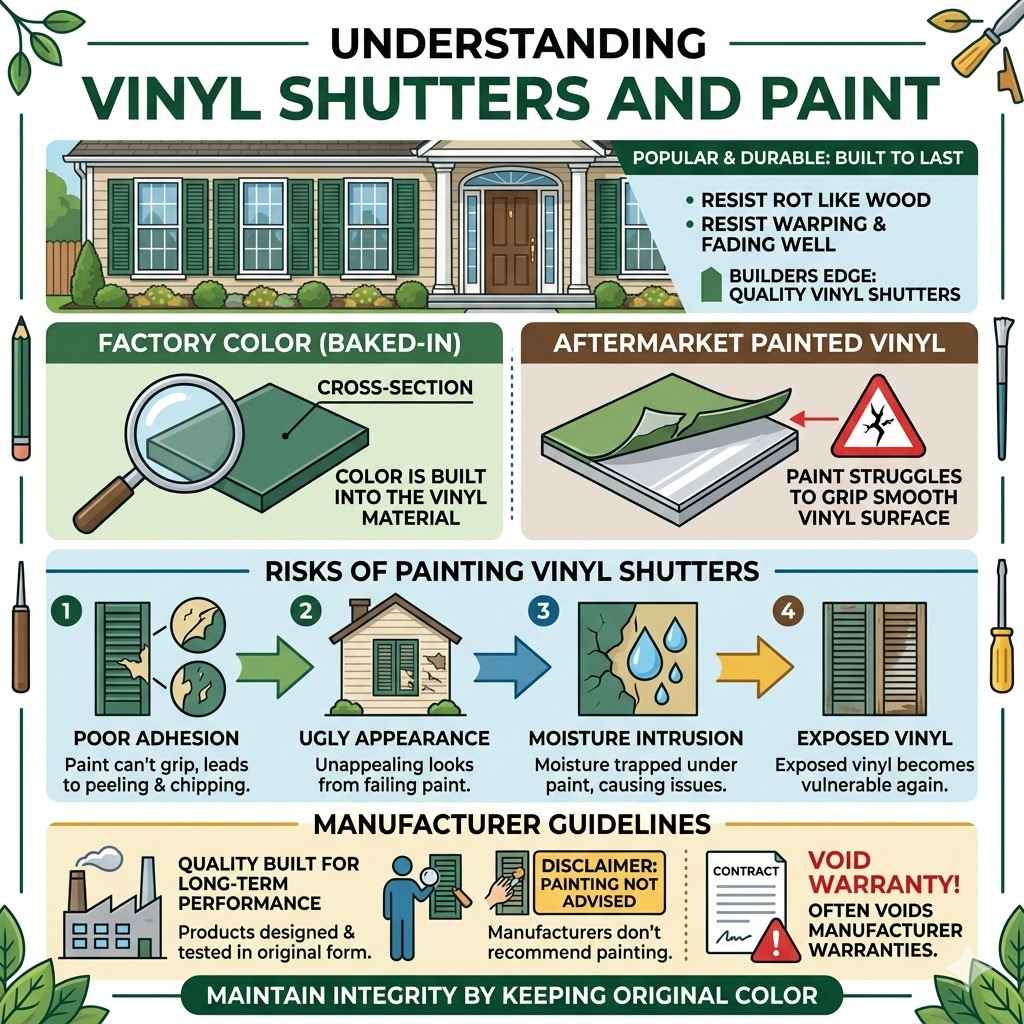
Vinyl shutters are popular for a reason. They are built to last. They don’t rot like wood.
They also resist warping and fading pretty well. Builders Edge is known for making quality vinyl shutters. They often come in a range of colors.
These colors are usually baked into the vinyl itself. This is different from painted shutters.
When paint is applied to vinyl, it needs to stick very well. Vinyl is a smooth, sometimes slick surface. Paint can have trouble gripping it.
If the paint doesn’t stick, it can peel or chip. This looks bad. It also means the vinyl is exposed again.
Moisture can get under the paint. This can cause more problems down the road.
Manufacturers, like Builders Edge, usually design their products to be used as they come. They test them for durability in their original form. Painting them can change how they perform.
This is why you often see disclaimers. They might say painting voids warranties. They might also say it’s not advised.
My Own Experience with Painting Vinyl
I remember a time a few years back. My parents decided to repaint their house. The shutters were a dated brown.
The new house color was a cheerful yellow. They wanted the shutters to be a deep forest green. They had Builders Edge shutters.
They were about ten years old. They seemed sturdy enough.
My dad was convinced he could paint them. He’s a handy guy. He went to the paint store.
He asked about painting vinyl. The person there gave him a special primer. They also suggested a specific type of paint.
It was supposed to be flexible. It was meant for plastic surfaces. He bought it all.
He was super excited.
He spent hours cleaning the shutters. He scrubbed them with soap and water. Then he rinsed them.
He let them dry completely. He applied the primer very carefully. He let it dry overnight.
Then he put on the first coat of paint. It looked okay. But then came the second coat.
And the third. It was a lot of work.
For the first few months, they looked amazing. The green was rich. It really popped against the yellow house.
We were all so proud. But then, the first signs of trouble appeared. A small chip on one shutter.
Then a tiny bubble. Summer heat seemed to make it worse. By the end of the first year, there were noticeable spots where the paint was flaking off.
It was disheartening. It made us realize why the manufacturers often say ‘no’ to painting.
Key Steps If You Decide to Paint
Even though my experience wasn’t perfect, I know people do it successfully. If you’re set on painting your Builders Edge vinyl shutters, you must be very thorough. Skipping steps will almost guarantee failure.
Here’s how you’d ideally approach it. Think of it like a science experiment. Precision is key.
First, always check the manufacturer’s recommendations. Builders Edge might have specific guidance on their website. Or you can call their customer service.
They are the experts on their own products. If they say absolutely not, it’s wise to listen. This is for your own good.
It saves you time and money.
If they don’t explicitly forbid it, or if you’re willing to accept the risks, here’s a general plan. It involves a lot of cleaning and specific products. You need the right primer.
You need the right paint. And you need patience. Lots of it.
Painting Steps: A Quick Look
1. Thorough Cleaning: This is non-negotiable. Use a mild detergent and water.
Scrub gently. Remove all dirt, grime, and chalking. Rinse very well.
Let them dry completely. Some suggest a degreaser for extra measure.
2. Light Sanding (Optional but Recommended): A very fine grit sandpaper can help create a slight “tooth” for the paint to adhere to. Sand very lightly.
Just enough to dull the surface sheen. Wipe away all dust afterwards with a tack cloth.
3. Apply a Quality Vinyl-Safe Primer: This is crucial. Use a primer specifically designed for vinyl or plastics.
It needs to bond well. Apply thin, even coats. Let it dry for the time recommended on the can.
Often, this means 24 hours.
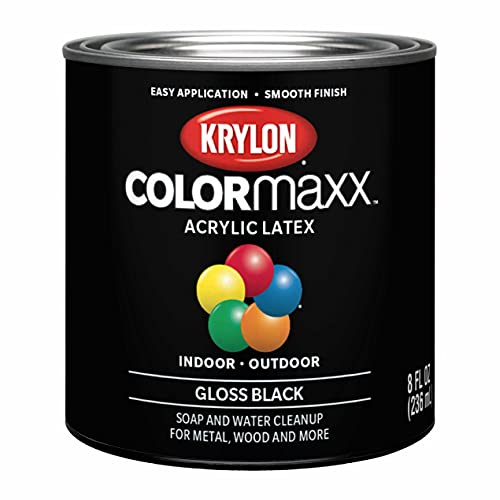
4. Use a High-Quality Paint: Choose an exterior-grade paint. Acrylic latex paints are often recommended.
Look for paints labeled “vinyl-safe” or “plastic-friendly.” Spray paint designed for plastic can also work well if applied evenly.
5. Apply Multiple Thin Coats: Don’t try to cover everything in one go. Build up the color with several thin coats.
This prevents drips. It also helps the paint last longer. Allow adequate drying time between coats.
Again, check the paint can.
6. Allow Ample Curing Time: Paint needs time to harden. This is called curing.
It can take days or even weeks. During this time, avoid touching or cleaning the shutters. Be gentle.
This is when adhesion is critical.
Understanding the “Why” Behind the Paint Issues
So, why is this process so tricky? It’s mostly about two things: adhesion and expansion/contraction. Vinyl, as a plastic, behaves differently than wood.
It expands when it’s hot. It shrinks when it’s cold. This natural movement can stress a paint bond.
If the paint isn’t flexible enough, it can crack. It can pull away from the vinyl. Imagine a sticker on a balloon.
As the balloon inflates, the sticker might stretch or even tear. Vinyl shutters do this cycle every day. The paint needs to be able to move with them.
Chalking is another issue. Older vinyl shutters can start to break down. They release a fine powder.
This is called chalking. If you don’t clean this off completely, the paint won’t stick. The new paint is essentially sticking to dust.
That’s a recipe for peeling. This is why cleaning is so vital.
Also, the color of the paint matters a lot. Dark colors absorb more heat. This means the shutters will get hotter.
They will expand more. This puts more stress on the paint. If your original shutters are a light color, painting them a very dark color is riskier.
It’s a common reason for paint failure. Manufacturers sometimes advise staying within a certain color range. Darker colors can potentially warp the vinyl itself over time, not just the paint.
Dark Colors: A Special Warning
The Heat Factor: Dark paint absorbs sunlight. This turns light energy into heat. Your vinyl shutters can get significantly hotter than their original color.
This extra heat means more expansion.
Stress on Paint: The increased expansion and contraction cycles put extreme stress on any paint applied. This can lead to cracking, peeling, and premature failure.
Potential Vinyl Damage: In extreme cases, excessive heat from dark colors could even cause the vinyl itself to warp or distort over time. This is more likely in very hot climates.
Manufacturer Advice: Builders Edge and other manufacturers often recommend sticking to lighter or similar color shades if painting. They may specifically caution against dark colors.
Alternatives to Painting
Before you commit to painting, it’s worth considering alternatives. Sometimes, there are easier ways to get the look you want. Or to fix a problem without the risk.
What’s your main goal? Is it a color change? Is it to refresh faded shutters?
If the shutters are old and brittle, or severely damaged, replacement might be best. Builders Edge offers shutters in many standard colors. You might find a new set in the exact shade you desire.
This is often the most reliable long-term solution. It guarantees factory finish and durability.
If the color is just a bit faded, but the shutters are otherwise fine, you might not need to do anything. Or perhaps a good cleaning product can bring back some of their original luster. Some vinyl cleaners are quite effective.
They can remove chalking and restore a bit of sheen.
Sometimes, people use vinyl-specific sprays. These can offer a fresh coat of color. They are designed to adhere to plastic.
However, they also have their limitations. Like traditional paint, they can chip or wear over time. The prep work is still just as important.
And you still need to consider the color choice. Dark colors are still a concern.
Quick Scan: Painting vs. Replacing
| Consideration | Painting Vinyl Shutters | Replacing Vinyl Shutters |
|---|---|---|
| Cost | Lower initial material cost. Higher labor/time cost. | Higher initial material cost. Lower labor/time cost. |
| Durability Risk | High risk of peeling, chipping, fading. Warranty voided. | New, durable finish. Manufacturer warranty intact. |
| Color Options | Limited by paint availability and color heat absorption. | Wide range of factory-applied colors. |
| Time Investment | Significant prep, priming, and multiple paint coats. Long curing time. | Removal of old shutters, installation of new ones. Faster overall. |
| Environmental Impact | Uses paints and primers. Potential for paint to degrade and wash off. | Disposal of old shutters. New shutters are durable. |
When is Painting a Bad Idea?
There are certain situations where painting your Builders Edge vinyl shutters is just a really bad idea. Listen to your gut, and to the professionals. If the shutters are old and brittle, painting them might actually make them more prone to breaking.
The paint adds weight. The cleaning process can be harsh. And as I saw, the paint itself can fail, looking worse than before.
If your home is in a very hot climate, like Arizona or parts of Texas, painting dark colors is especially risky. The intense sun and heat can cause extreme expansion. This will challenge the paint bond greatly.
You might find yourself repainting every year or two. That’s a lot of effort for a temporary fix.
Also, if you’re not a patient person, don’t paint. This isn’t a weekend project that you can rush. Every step needs careful attention.
If you cut corners, the paint will peel. It will bubble. It will look sloppy.
It’s better to live with the current color than to have poorly painted shutters.
Finally, if the shutters have any damage, like cracks or deep gouges, painting won’t fix them. It will just cover them up. The damage will likely get worse.
Water can seep into cracks. If you paint over them, it can trap moisture. This leads to mold and mildew.
It can also weaken the vinyl further. In these cases, replacement is the only sensible option.
Real-World Context: Your Home’s Exposure
Think about where your shutters are located. Are they directly facing the sun all day? Do they get a lot of harsh weather, like strong winds and rain?
If they are in a sheltered spot, they might fare better. But most exterior shutters face the elements daily. They are exposed to UV rays, temperature swings, and moisture.
The quality of the vinyl itself matters. Builders Edge shutters are generally high quality. They are made to withstand outdoor conditions.
But even the best vinyl can be affected by improper painting. The interaction between the paint and the vinyl is key. This is why choosing the right products is so important.
Consider the age of your shutters. Newer shutters might hold paint better than older ones. Older vinyl can become chalky or brittle.
This makes adhesion much harder. You might need more intensive cleaning and priming. Even then, success isn’t guaranteed.
It’s like trying to paint a chalk board that’s crumbling.
If your shutters are part of a historical home, you might have specific rules. Some areas have historical commissions. They might dictate what materials and colors you can use.
Painting shutters might not be allowed. Or it might need special approval. Always check local regulations for older homes.
What This Means for Your Home
So, if you’re considering painting Builders Edge vinyl shutters, what’s the takeaway? It means you need to go in with your eyes wide open. Understand the risks.
Be prepared for a lot of work. And know that even with perfect execution, there’s no 100% guarantee of long-term success.
If your shutters are in good condition, and you are willing to invest the time and effort in proper preparation and the right materials, you might achieve a satisfactory result. The key is patience and attention to detail. Do not rush.
Do not skip steps. Use products specifically made for vinyl.
However, if your shutters are old, brittle, or damaged, or if you live in a very hot climate and want dark colors, painting is likely to be a frustrating and short-lived solution. In these cases, investing in new shutters from Builders Edge or another reputable brand might save you time, money, and headaches in the long run. You’ll get a finish that’s meant to last, and a warranty to back it up.
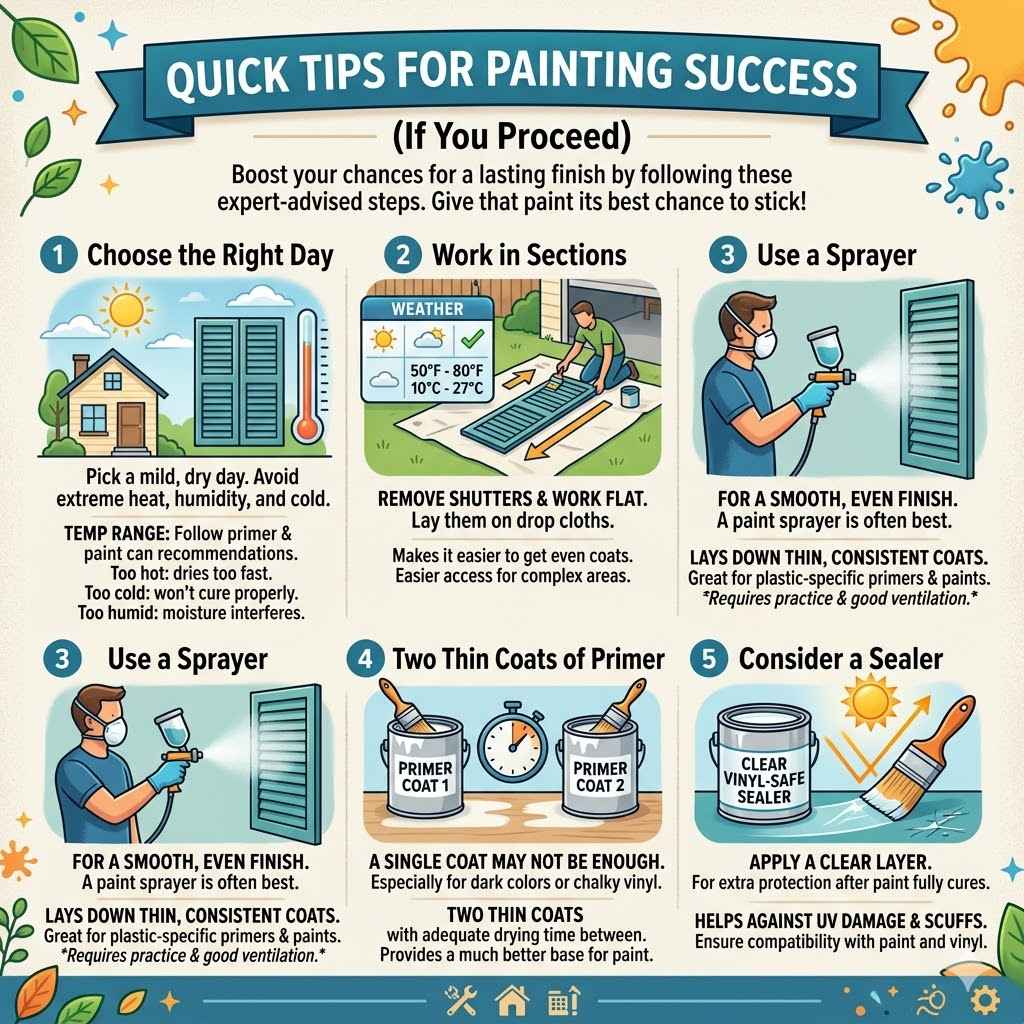
Quick Tips for Painting Success (If You Proceed)
If you’ve weighed the pros and cons and decided to paint, here are some final tips to boost your chances. These are based on what I’ve learned and what experts often advise. It’s all about giving that paint the best possible chance to stick.
Choose the Right Day: Pick a mild, dry day. Avoid extreme heat or humidity. The temperature should be within the range recommended on your primer and paint cans.
Too hot, and the paint dries too fast. Too cold, and it won’t cure properly. Too humid, and moisture can interfere.
Work in Sections: If you’re removing the shutters, paint them off the house. This allows you to work on a flat surface. It also makes it easier to get even coats.
Lay them on drop cloths. Work from top to bottom.
Use a Sprayer: For the smoothest, most even finish, a paint sprayer is often best. It helps lay down thin, consistent coats. This is especially helpful with primers and paints designed for plastics.
However, it requires practice and a good ventilation setup.
Two Thin Coats of Primer: Sometimes, a single coat of primer isn’t enough for vinyl. Especially if it’s a dark color you’re painting over, or if the vinyl is slightly chalky. Two thin coats, with adequate drying time in between, can provide a much better base.
Consider a Sealer: Once the paint is fully cured, some people apply a clear vinyl-safe sealer. This can add an extra layer of protection. It might help against UV damage and minor scuffs.
Again, make sure the sealer is compatible with the paint and vinyl.
Frequently Asked Questions About Painting Builders Edge Shutters
Can I paint my Builders Edge vinyl shutters with regular exterior paint?
It’s generally not recommended. Regular exterior paint may not adhere well to the slick surface of vinyl. It can also be too rigid and crack when the vinyl expands and contracts with temperature changes.
You need a special primer and paint designed for vinyl or plastic surfaces.
Will painting my Builders Edge shutters void the warranty?
Most manufacturers, including Builders Edge, state that painting their vinyl products will void the warranty. Painting is considered a modification of the product. If the paint fails or causes damage, the manufacturer will not be responsible.
What is the best way to clean Builders Edge vinyl shutters before painting?
Thorough cleaning is critical. Use a mild detergent or a specialized vinyl siding cleaner mixed with water. Scrub gently with a soft brush or sponge.
Rinse thoroughly with clean water to remove all soap residue. Allow the shutters to dry completely before proceeding.
Can I paint my dark Builders Edge vinyl shutters a lighter color?
This is very risky. Dark vinyl absorbs more heat, causing more expansion and contraction. Painting them a lighter color might seem like it would reduce heat absorption, but the underlying dark vinyl is still there.
The extreme temperature fluctuations can still stress the paint bond. It’s generally advised to stay with lighter colors or similar shades.
How long will painted Builders Edge vinyl shutters last?
The lifespan of painted vinyl shutters varies greatly. If done perfectly with the right products and conditions, they might last several years. However, it’s common for paint to start peeling, chipping, or fading within 1-3 years, especially with dark colors or in harsh weather.
Some people have success for longer, but it requires meticulous work.
Is spray paint a good option for painting Builders Edge vinyl shutters?
Yes, spray paint specifically formulated for plastic or vinyl can be a good option, offering a smooth, even finish. However, it requires careful application to avoid drips and runs. You still need to properly clean and prime the shutters first.
The durability can be similar to brush-on paints, depending on the product and application.
Final Thoughts on Painting Shutters
Deciding whether to paint your Builders Edge vinyl shutters is a big choice. It’s one that requires careful thought. You’ve got to balance your desire for a new look with the reality of the material.
Vinyl is durable, but it’s also particular about what sticks to it.
Ultimately, while it’s possible, it’s not always the best path. For many, the effort and risk of paint failure aren’t worth it. Replacing them or living with the current color might be simpler.
But if you’re determined, remember the steps: clean, prime, paint, and pray for good weather and patience. Good luck!
Sponsored / affiliate links. As an Amazon Associate I earn from qualifying purchases. I may earn additional commission from eligible campaigns.
 Vinyl Siding Removal Tool with Extra Long Handle- Steel Blade Vinyl Non-Slip Grip Handle for Installation and Removal Tool Avoid Damaging Vinyl Siding Tool (2)
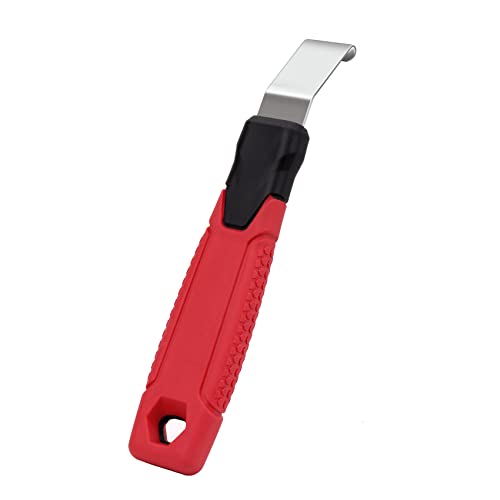 Vinyl Siding Removal Tool with Extra Long Handle- Steel Blade Vinyl Non-Slip Grip Handle for Installation and Removal Tool Avoid Damaging Vinyl Siding Tool (1)