Are All Toilet Wax Rings The Same Size? What You Must Know
It’s a question many homeowners grapple with when faced with a leaky toilet: are all toilet wax rings the same size? You’re probably standing there, staring at the base of your toilet, wondering if you need a special size or if any old ring will do. It’s a frustrating situation, and the thought of getting it wrong can be daunting.
We’ve all been there, wanting a quick fix that lasts.
The truth is, this seemingly simple question has a nuanced answer. Getting it right is crucial for preventing those nasty leaks and preventing more significant water damage down the line. This guide will break down everything you need to know about toilet wax ring sizes and what makes them different.
We’ll cover the common sizes, why they exist, and how to pick the perfect one for your needs.
It’s a common belief that all toilet wax rings are one-size-fits-all, but this isn’t quite true. While there are standard sizes, variations exist to accommodate different toilet flange heights and types, which is critical for a proper seal.
Understanding Toilet Wax Rings
A toilet wax ring is a simple yet vital plumbing component. Its main job is to create a watertight seal between the toilet and the drainpipe in your floor. This seal stops sewer gases from escaping into your bathroom.
It also prevents water from leaking out when you flush.
Think of it like a gasket. When you set the toilet down, the weight of the toilet presses the wax ring. This pressure squishes the wax.
It fills any gaps and forms a tight barrier. This barrier is key to a functional and odor-free bathroom.
The wax ring sits on top of the toilet flange. The flange is the fitting that connects your toilet to the floor’s drainpipe. It’s usually made of plastic or metal.
The wax ring seals against the bottom of the toilet bowl and the top of the flange.
Why Size and Type Matter
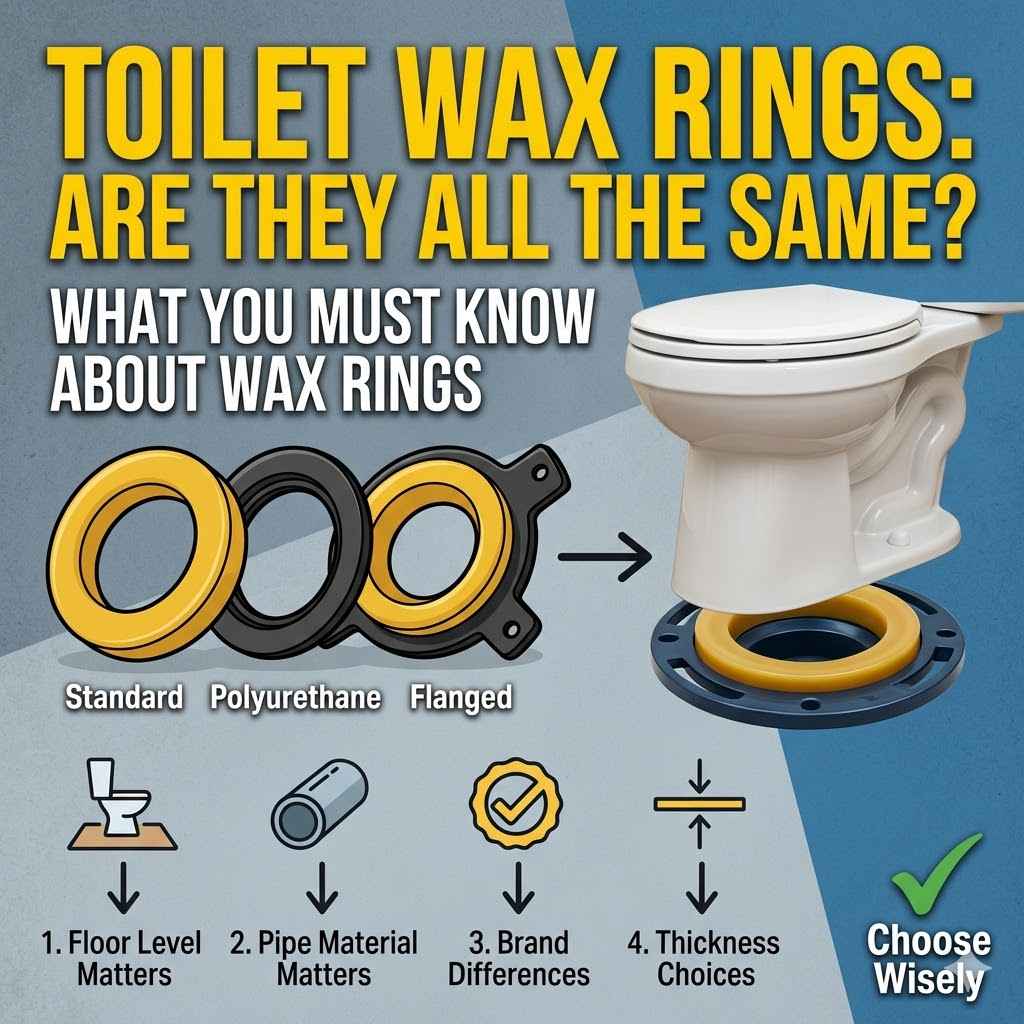
So, why can’t they all be the same? The answer lies in the variations of plumbing setups in different homes. Homes can have different floor heights.
Toilets can also sit at different levels above the floor. This is where the flange height comes into play.
The toilet flange connects the toilet’s drain to the sewer pipe below. If your toilet sits higher off the floor, the flange will also be higher. If the toilet sits lower, the flange might be closer to the floor.
The wax ring needs to bridge this gap effectively.
A standard wax ring works well when the toilet flange is at the typical height, usually about 1/4 inch above the finished floor. But what if your floor is thicker? Or maybe you have a thicker subfloor?
Your flange might be lower than usual.
Conversely, if you’ve just installed a new tile floor, your finished floor is now higher. This makes your flange appear lower. In these cases, a standard ring might not be enough.
It won’t create a good enough seal. This can lead to leaks and smells.
There are also different types of flanges. Some are recessed slightly into the floor. Others sit flush or even protrude a bit.
The wax ring needs to adapt to these differences. The right size ensures the wax can deform properly to create that seal.
The wrong size can cause several problems. If the ring is too thin, it might not fill the gap. This means leaks and sewer gas can escape.
If it’s too thick, it might not compress enough. It could also push the toilet bowl away from the wall.
Getting the seal right is not just about preventing water damage. It’s also about maintaining a healthy and pleasant bathroom environment. Nobody wants to deal with the smell of sewer gas.
That’s why choosing the correct wax ring is so important.
Common Toilet Wax Ring Sizes and Types
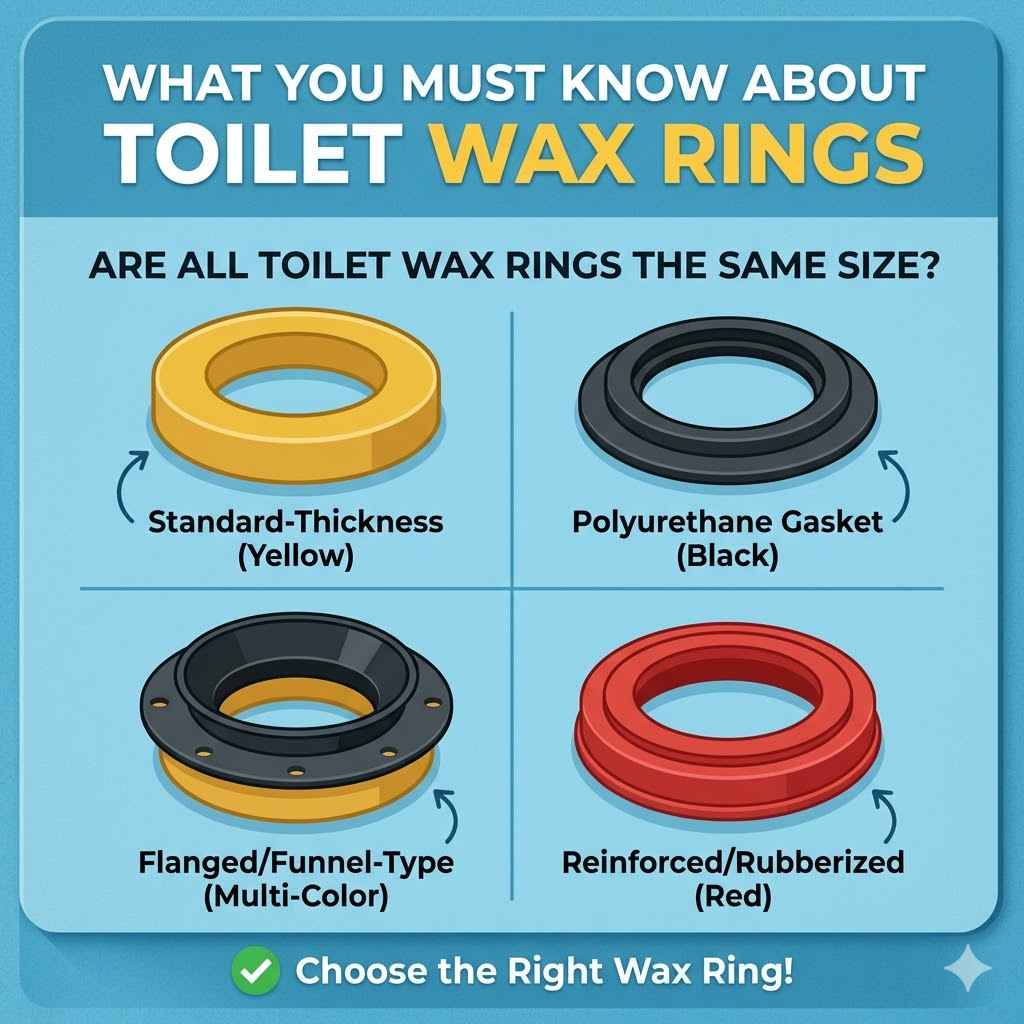
Let’s look at the common options you’ll find. Most stores carry standard wax rings. These are usually about 2 inches in diameter.
They are about 1/2 inch thick. These work for most typical toilet installations.
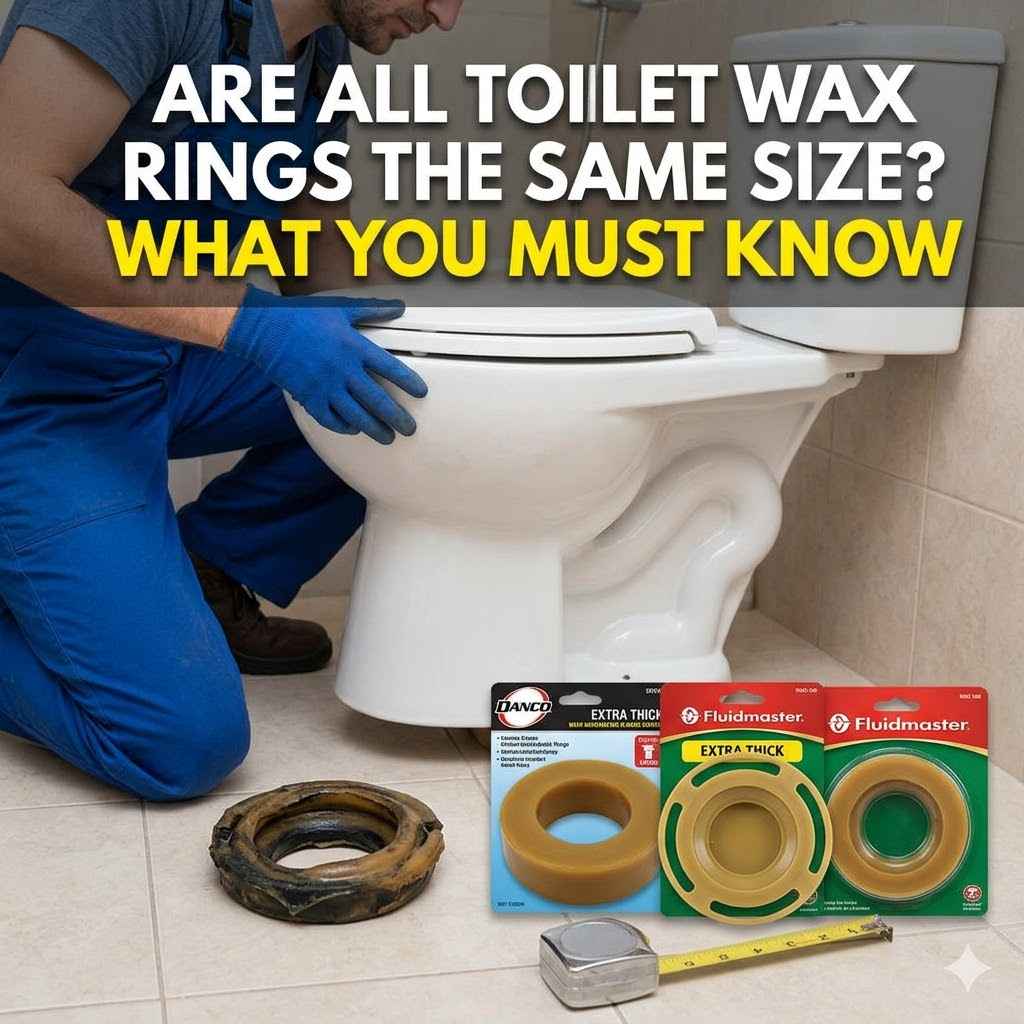
However, there are specialized rings. You’ll find extra-thick wax rings. These are designed for situations where the toilet flange is below the finished floor level.
They provide more wax material. This helps create a seal across a larger gap.
Some extra-thick rings are 3 inches thick. Others can be even thicker. They are much more substantial than the standard ones.
These are a lifesaver for older homes or renovations where floor levels have changed.
Then there are wax rings with horns. A horn is a plastic or rubber sleeve. It extends down into the drainpipe.
This gives an extra layer of protection. It helps prevent sewer gases from escaping. It also provides a better seal if the flange is slightly off-center or damaged.
Some wax rings are even reinforced with plastic. These are often called “extra heavy duty” or “no-corrosion” rings. They offer added durability.
They might also provide a more consistent seal. They resist deformation better over time.
You might also see flange extenders. These are not wax rings themselves. They are used to raise a flange that sits too low.
Once the flange is raised, you can then use a standard wax ring. This is a good option if you don’t want to use a super-thick wax ring.
When buying a wax ring, look at the packaging. It should tell you what it’s designed for. It might mention flange height or type.
Some even come with a universal fit claim. But it’s always best to know your specific situation.
The key takeaway here is that while “wax ring” sounds generic, there are specific types for specific needs. Don’t assume one will work for every toilet. It’s like buying shoes; you need the right size and fit for comfort and function.
Quick Guide: Choosing Your Wax Ring
Standard Ring: Best for flanges at or slightly above floor level.
Extra-Thick Ring: Use when the flange is noticeably below the floor.
Ring with Horn: Adds extra seal and gas protection, good for imperfect flanges.
Reinforced Ring: Offers more durability and consistent sealing.
My Own Wax Ring Mishap
I remember this one time, years ago, when I decided to replace an old, rocking toilet in my guest bathroom. It seemed like a straightforward DIY job. I’d watched videos.
I felt pretty confident. I bought what I thought was a standard wax ring from the hardware store.
The old toilet came off. I cleaned the flange. Everything looked okay.
I put the new wax ring down. I set the new toilet in place. I bolted it down.
It felt solid. I turned on the water. I flushed.
Success! Or so I thought. A few hours later, I noticed a faint, unpleasant odor.
Then, a small puddle appeared at the base.
Panic set in. I had definitely messed something up. I carefully removed the new toilet.
And there it was. The wax ring was indeed compressed, but not evenly. It had squeezed out more on one side.
There was a clear gap on the other. The flange was a little lower than I’d realized. The standard ring just wasn’t thick enough to make a good seal.
That experience taught me a valuable lesson. Always check the flange height. Don’t just grab the first wax ring you see.
I ended up going back to the store. I bought an extra-thick wax ring with a horn. This time, I measured carefully.
The thicker ring made all the difference. The leak stopped. The smell disappeared.
It was a costly lesson in the importance of the right parts.
How to Check Your Toilet Flange Height
Before you buy any wax ring, it’s smart to check your toilet flange height. This ensures you get the right size the first time. It saves you the frustration I went through.
First, you need to remove the toilet. This is the most involved part. You’ll need to shut off the water supply.
Then, disconnect the water line. After that, remove the caps covering the bolts at the base of the toilet. Unbolt the toilet.
Then, carefully lift it off the flange.
Once the toilet is removed, look at the toilet flange. This is the ring sitting on the floor connected to the drainpipe. You need to see how it sits in relation to your finished floor.
Use a flat object, like a ruler or a level, to measure the gap.
Place the ruler across the top of the flange. See where the finished floor level is. If the top of the flange is flush with or slightly above the floor, a standard wax ring should work.
This is usually about 1/4 inch above the floor. This is the most common scenario.
If the top of the flange is below the finished floor level, you’ll need a thicker wax ring. Measure the depth. If it’s 1/4 inch below, a standard ring might still work, but it’s borderline.
If it’s 1/2 inch below, you definitely need an extra-thick ring.
If the flange is more than 1/2 inch below the floor, you might need an extra-thick wax ring or even consider a flange extender. Flange extenders are plastic rings that bolt onto the existing flange. They raise it up to the correct height.
This allows you to use a standard wax ring afterward.
It’s also worth inspecting the flange itself. Is it cracked? Is it loose?
If the flange is damaged, a new wax ring won’t fix the underlying problem. In that case, you might need to repair or replace the flange. This is a more involved DIY task or a job for a plumber.
Taking these measurements and checking the condition of the flange will give you confidence. You’ll know exactly what type of wax ring you need. It’s a small step that prevents big headaches later on.
Flange Height Check: A Quick Summary
Flange flush or above floor: Standard wax ring.
Flange 1/4 inch below floor: Standard or slightly thicker wax ring.
Flange 1/2 inch below floor: Extra-thick wax ring.
Flange more than 1/2 inch below floor: Extra-thick ring or flange extender.
What Happens If You Use the Wrong Size?
Using the wrong size wax ring can lead to several annoying and potentially costly problems. It’s not just about a little drip. It can escalate.
The most common issue is a leaky toilet. If the wax ring isn’t thick enough, it won’t create a complete seal. Water from the tank and bowl will seep out.
This water can damage your subfloor. It can also spread to your ceiling below if you live in a multi-story home. This can lead to rot and mold growth.
Another major problem is the escape of sewer gases. These gases contain methane and hydrogen sulfide. They smell terrible.
They can also be harmful if inhaled in large amounts. A properly sealed wax ring acts as a barrier against these odors. A bad seal means those smells can fill your bathroom.
You might also notice a rocking toilet. If the wax ring is too thick, it might not compress enough. This can create an uneven surface.
The toilet won’t sit level on the floor. This rocking can further compromise the seal over time. It can also make the toilet feel unstable.
In some cases, an incorrectly sized ring can cause the toilet to sit too far from the wall. This leaves an unsightly gap. It can also affect how the tank connects to the bowl.
It makes the whole setup look awkward and unprofessional.
The financial impact can also be significant. Water damage can be expensive to repair. Remediation for mold can cost thousands.
Dealing with persistent sewer gas smells might require calling in professionals. It’s far cheaper to buy the right wax ring upfront.
So, what seems like a small part is actually quite important. Taking the time to understand your specific needs will save you a lot of trouble and expense. It’s a small effort for long-term peace of mind.
Always aim for that perfect, leak-free seal.
Wax Ring Alternatives and Innovations
While wax rings have been the go-to for decades, the plumbing industry is always evolving. There are newer options available now. Some people prefer these for various reasons.
One popular alternative is a foam or rubber wax-free seal. These seals are made from synthetic materials. They are designed to compress and create a seal.
They often have a sticky backing for easy installation. They are less messy than wax.
These wax-free seals can be more forgiving. They can adapt to slight imperfections in the flange or toilet. Some are designed to create a seal even if the flange is slightly below floor level.
They don’t degrade over time like wax can.
Another innovation is the flexible wax ring. These are still made of wax but have a more pliable consistency. They are designed to conform better to irregular surfaces.
They offer the benefits of wax but with improved adaptability.
Some products are also designed as a toilet seal kit. These kits might include a wax ring along with other components. They could have flange gaskets or shims.
They aim to provide a more complete solution for challenging installations.
The main advantages of these alternatives are ease of use and consistency. They can be less messy. They often provide a more reliable seal, especially in non-standard situations.
They might also be more resistant to temperature changes.
However, traditional wax rings are still very effective. They are also typically the most affordable option. For most standard installations, a good quality wax ring does the job perfectly.
The choice often comes down to personal preference and the specific plumbing situation.
If you’re a DIY beginner, a wax-free seal might offer a more foolproof experience. If you’re dealing with an older plumbing system or a tricky flange, an innovative seal might be worth considering. Always read the product descriptions carefully.
Wax Ring vs. Wax-Free Seals: Key Differences
Wax Rings: Traditional, effective, affordable. Can be messy. Might degrade over time.
Best for standard installations.
Wax-Free Seals: Less messy, easier to install, more forgiving. Can be more expensive. Good for tricky situations or DIYers.
Consider: Your flange height, your comfort level with DIY, and your budget.
Real-World Scenarios: When to Use What
Let’s walk through a few common scenarios you might encounter in a typical American home. This will help solidify when to reach for a standard ring versus a specialized one.
Scenario 1: The Standard Replacement. You’re replacing an old toilet in a bathroom that hasn’t been renovated in years. The toilet feels solid, no rocking. When you remove it, the flange is about 1/4 inch above the tile floor.
In this case, a standard wax ring is perfectly fine. It’s the most common situation, and the standard ring is designed for it.
Scenario 2: The New Tile Floor. You just installed beautiful new tile in your bathroom. After the toilet is reinstalled, you notice it’s sitting a little higher than before. When you remove it to check, the flange is now about 1/2 inch below the new tile.
Here, you’ll need an extra-thick wax ring. The standard ring won’t be able to bridge that gap effectively. You want enough wax to create a good seal without compressing too much.
Scenario 3: The Old House with Uneven Floors. You’re working on a historic home. The floors are uneven, and the toilet flange looks a bit worn. It might not be perfectly flat.
In this situation, a wax ring with a horn is a great choice. The horn provides an extra seal into the drainpipe, and the wax itself can deform better around minor imperfections. A reinforced wax ring could also offer more stability.
Scenario 4: The Low Flange and a Tight Budget. The flange in your basement bathroom is significantly lower than the concrete floor. You’ve measured it, and it’s about 3/4 inch below. An extra-thick wax ring might be available, but you’re worried about getting a good seal.
You could consider using a flange extender. This bolts onto the existing flange, raising it up. Then, you can use a standard wax ring on top of the extender.
This offers a stable, level surface.
Scenario 5: The First-Time DIYer. You’re replacing a toilet for the first time. You want to minimize the chances of error. You’ve checked your flange height, and it’s standard.
You might opt for a wax-free seal. These are often easier to position correctly. They don’t melt or get sticky in your hands.
They can make the installation process less stressful.
These scenarios highlight that the “right” wax ring depends on your specific plumbing. It’s not a one-size-fits-all situation. Understanding your flange’s position relative to the floor is the most critical step.
When Is a Leak Normal? (Spoiler: Never!)
It’s important to be clear: no water leak from the base of your toilet is normal. If you see water pooling around the base, it means the seal isn’t working correctly. This needs to be addressed promptly.
Even small drips can cause significant damage over time. They can soak into your subfloor, leading to rot. This can weaken the floor structure.
Mold can grow in damp environments, affecting air quality and potentially causing health issues. And the constant moisture can damage surrounding materials like drywall and baseboards.
The smell of sewer gas is also a sign that something is wrong. While some residual odor might be present immediately after installation, a persistent or strong smell indicates a breach in the seal. This is not something to ignore.
What might seem like a minor issue can quickly turn into a major repair job. The sooner you identify and fix a leak, the less damage you’ll likely incur.
When you notice a leak, the first step is always to shut off the water supply to the toilet. This prevents further water from entering the bowl and potentially overflowing. Then, you can proceed to investigate the cause, which often points back to the wax ring and its seal.
Regularly check the area around your toilet, especially if you’ve recently had any plumbing work done. A quick visual inspection can save you from major headaches down the road. It’s part of good home maintenance.
Quick Fixes and Tips for a Good Seal
While the core of a good seal is the correct wax ring, a few practices can help ensure it works its best.
Tip 1: Cleanliness is Key. Ensure the old wax is completely removed from the flange and the toilet base. Any residue can prevent the new ring from seating properly. A clean surface is essential for a good bond.
Tip 2: Proper Flange Seating. Make sure the toilet is aligned correctly with the flange before you lower it. The horn of the wax ring (if it has one) should easily slide into the drainpipe opening. Don’t force it.
Tip 3: Gentle Compression. Once the toilet is in place, lower it straight down. Avoid wiggling or twisting it excessively. You want the weight of the toilet to compress the wax evenly.
One firm push down is better than repeated adjustments.
Tip 4: Bolt Tightening. Tighten the floor bolts gradually and evenly. Don’t overtighten them. Overtightening can crack the porcelain base of the toilet.
It can also unevenly compress the wax ring, leading to leaks.
Tip 5: Test Thoroughly. After installation, turn the water back on. Let the tank fill. Flush the toilet several times.
Check the base for any signs of water or smell. Run your hand around the base to feel for moisture.
Tip 6: Consider a Wax-Free Alternative. If you’re still worried about getting a perfect wax seal, especially in challenging situations, a wax-free seal might be a simpler solution. They offer a different kind of reliable seal.
Remember, the goal is a complete, watertight seal. These tips help ensure that your chosen wax ring, whatever its size or type, does its job effectively for years to come.
Frequently Asked Questions About Toilet Wax Rings
Are all toilet wax rings the same shape?
Most standard toilet wax rings are round. However, some specialized rings might have different shapes or include a horn that extends down. The primary concern is the thickness and diameter to match your flange and floor setup.
Can I reuse an old wax ring?
No, you should never reuse an old wax ring. Once compressed, a wax ring loses its ability to form a proper seal. Reusing it will almost certainly lead to leaks and sewer gas issues.
What is the standard thickness of a toilet wax ring?
A standard toilet wax ring is typically about 1/2 inch thick. However, thicker options exist for flanges that sit lower than the finished floor.
How do I know if I need an extra-thick wax ring?
You need an extra-thick wax ring if your toilet flange sits below the level of your finished bathroom floor. Measure the gap; if it’s more than 1/4 inch, consider a thicker ring or a flange extender.
What’s the purpose of the horn on a wax ring?
The horn is a flexible plastic or rubber extension on some wax rings. It fits into the drainpipe and provides an additional seal against sewer gases and potential leaks, especially if the flange isn’t perfectly aligned.
Can I use plumber’s putty instead of a wax ring?
No, plumber’s putty is not suitable for sealing a toilet to the floor flange. Plumber’s putty is designed for different applications, like sealing drains in sinks. A wax ring is specifically formulated to create a watertight and odor-proof seal under the weight of a toilet.
How long should a toilet wax ring last?
A properly installed wax ring can last for many years, often the lifespan of the toilet itself. However, they can fail if the toilet rocks, if the seal is compromised, or due to extreme temperature changes. It’s best to replace them whenever the toilet is removed for any reason.
Conclusion
So, to answer the initial question: no, not all toilet wax rings are the same size. While standard rings are common, variations in thickness and design exist to meet different plumbing needs. Understanding your toilet flange height is key.
Choosing the right wax ring ensures a leak-free bathroom and prevents nasty odors. Taking a few minutes to measure and inspect your flange can save you significant time, money, and frustration. It’s a small detail with a big impact on your home’s comfort and integrity.