Bellawood vs Bona Floor Cleaner: Honest Comparison
Choosing the right floor cleaner can feel like a puzzle, especially when you’re just starting to care for your beautiful wood floors. Many people wonder about the Bellawood vs Bona Floor Cleaner: Honest Comparison because both names come up often. It can be a little confusing to know which one is the best fit for your home.
Don’t worry! We’ll break it down nice and simply, showing you exactly what you need to know, step by step. Get ready to learn what makes each cleaner stand out and which one might be perfect for your floors.
Why Choose the Right Floor Cleaner
Picking the correct cleaner for your wood floors is super important. It’s not just about making them look shiny; it’s about keeping them healthy and protected for years to come. Using the wrong product can accidentally damage the finish, leaving dull spots or even causing the wood to wear out faster.
Think of it like picking the right soap for your skin – you want something gentle but effective. This is why comparing options like Bellawood and Bona is a common topic for homeowners who want the best for their investments.
Understanding Floor Finishes
Wood floors have a protective layer on top, called a finish. This finish is what keeps the wood underneath safe from spills, scuffs, and daily wear and tear. There are different types of finishes, and they react differently to cleaning products.
Some finishes are more durable, while others require a gentler touch. Knowing your floor’s finish is the first step to picking a cleaner that won’t harm it.
For example, polyurethane finishes are very common and generally tough. They provide a good shield against moisture and abrasion. However, even polyurethane can be dulled or scratched by abrasive cleaners or too much water.
Other finishes, like wax or oil, are more natural and can be repaired more easily, but they need specific care and are less resistant to moisture.
Different cleaners are formulated to work with specific types of finishes. A cleaner that’s great for a polyurethane finish might be too harsh for a waxed surface. This is a key reason why checking the product label and understanding your floor’s finish is so vital before you buy.
The Impact of Harsh Chemicals
Many general household cleaners contain harsh chemicals like ammonia or strong solvents. These can be very effective at cutting through grease and grime on other surfaces, but on wood floors, they can be problematic. Ammonia can strip away the protective finish over time, making the wood look dull and faded.
Solvents can break down the binders in the finish, leading to a sticky residue or even permanent damage to the protective layer.
Imagine using a strong degreaser on your skin – it would dry it out and cause irritation. Wood finishes can react similarly. They are designed to be durable but not indestructible.
When harsh chemicals are used repeatedly, they gradually weaken the finish, leaving it vulnerable to everyday life. This can shorten the lifespan of your beautiful wood floors, leading to costly refinishing or even replacement down the line.
The goal of a good wood floor cleaner is to lift dirt and grime without compromising the finish. This means using pH-balanced formulas that are specifically designed for wood. Products that contain too much alcohol or are too alkaline can strip the shine and leave the wood unprotected.
It’s all about finding a balance between effective cleaning and gentle care.
Common Pitfalls for Beginners
When you’re new to taking care of wood floors, it’s easy to make mistakes. One common problem is using too much water. Wood and water don’t mix well; excess moisture can seep into the wood, causing it to swell, warp, or develop dark stains.
Many beginners think that more water means cleaner floors, but this is not the case for wood.
Another mistake is using the wrong tools. Scrub brushes with stiff bristles can scratch the finish, and mops that are too wet can leave behind streaks and moisture. People often grab whatever cleaning supplies they have under the sink, not realizing that wood requires specialized care.
This can lead to regret and extra work to fix any damage.
Over-cleaning is also an issue. Constantly scrubbing or using too much cleaner can wear down the finish faster than necessary. Wood floors don’t need to be deep cleaned every single day.
Regular dusting and quick spot cleaning are often enough for daily maintenance. Understanding these common mistakes helps you avoid them from the start.
Bellawood Floor Cleaner Insights
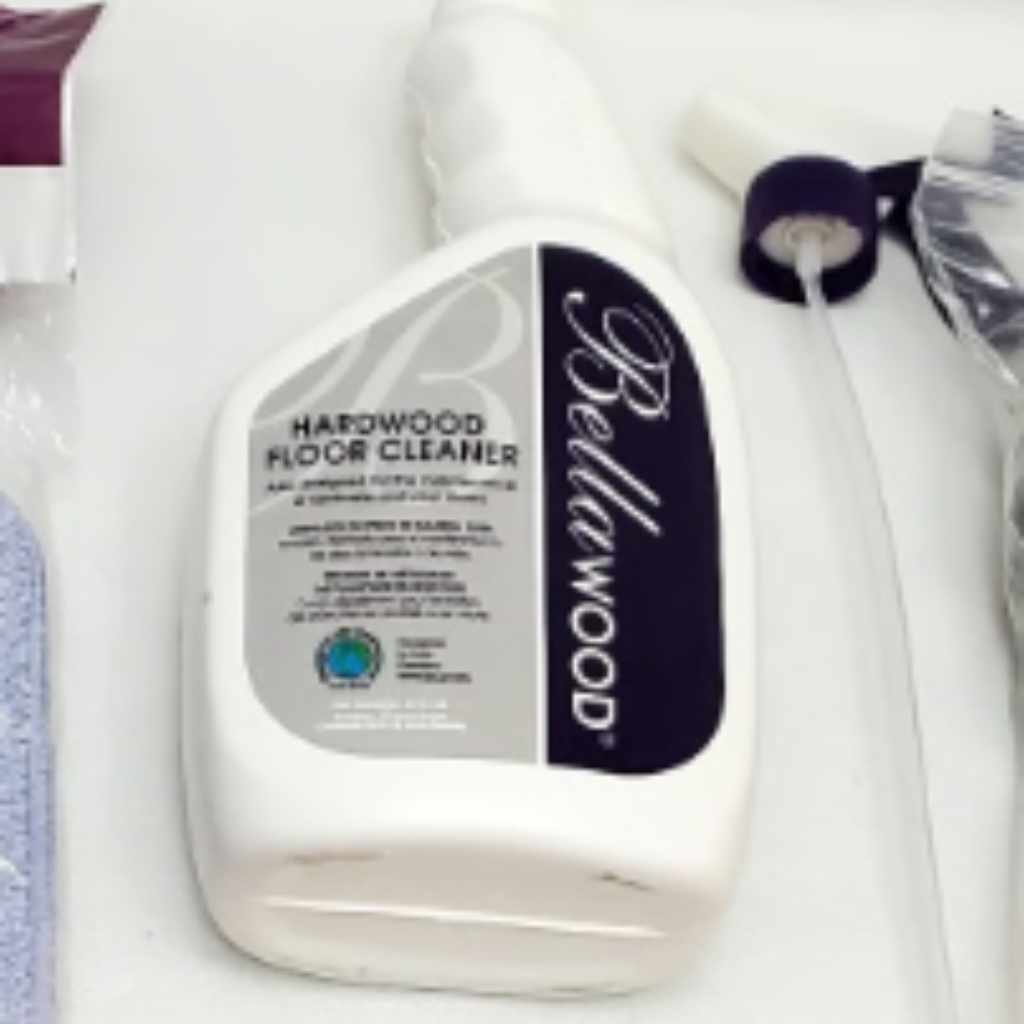
Bellawood is a brand that many people associate with high-quality wood flooring products. Their floor cleaner is designed to work with their own flooring systems and other finished hardwood floors. It’s often praised for its effectiveness in cleaning without leaving behind a dulling residue.
The goal is to restore the natural beauty of the wood while providing a protective touch.
This cleaner is typically formulated to be tough on dirt but gentle on the finish. It aims to remove everyday grime, scuff marks, and footprints, leaving the floor looking refreshed and clean. Many users report a pleasant scent and a finish that feels smooth and natural after cleaning.
It’s a popular choice for those who have installed Bellawood floors themselves or who trust the brand’s reputation for wood care.
When considering Bellawood, it’s worth noting its specific formulation. It’s often described as a pH-neutral cleaner, which is a good sign for wood floor safety. This means it’s less likely to strip away the finish or cause discoloration.
The brand often recommends specific cleaning methods to go along with their cleaner, like using a microfiber mop to avoid excess moisture.
Bellawood Cleaner Formula and Ingredients
The formulation of Bellawood floor cleaner is a key factor in its performance. It’s generally understood to be a water-based solution, which helps in its ability to rinse clean without leaving sticky buildup. Key ingredients often focus on surfactants that lift dirt and grime effectively from the surface of the wood.
These surfactants work by reducing the surface tension of water, allowing it to spread more easily and grab onto dirt particles.
One of the main selling points is its lack of harsh chemicals like ammonia or waxes that can dull the finish over time. This makes it a safer option for maintaining the original look of your wood floors. Many users appreciate that it doesn’t contain petroleum distillates, which can sometimes leave a greasy film on the surface.
The focus is on a clean that feels natural and doesn’t add unnecessary layers.
The specific ingredient list can vary slightly, but generally, you’ll find purified water as the base, along with cleaning agents and perhaps a mild fragrance. The absence of ingredients that can cause damage is what sets it apart for many consumers. It’s designed to be a maintenance cleaner, meaning it’s for regular upkeep rather than deep, restorative cleaning of heavily damaged floors.
Ease of Use and Application
Bellawood floor cleaner is generally quite straightforward to use. It typically comes in a ready-to-use spray bottle, meaning you don’t need to dilute it with water. This makes the application process very simple: just spray it directly onto a section of the floor and then wipe it up with a clean microfiber mop.
This direct spray method helps control the amount of liquid used, which is crucial for wood floors.
The instructions usually recommend working in small sections. This way, the cleaner doesn’t sit on the floor for too long and the moisture has a chance to evaporate quickly. After mopping, the floor is usually safe to walk on once it’s dry, which often happens within a few minutes.
This quick drying time is a big plus for busy households.
Many users find the spray bottle design ergonomic and easy to handle. The mist it produces is generally fine enough to coat the floor evenly without oversaturating it. The whole process can be completed relatively quickly, making it a convenient option for regular cleaning.
The focus on simplicity ensures that even those new to wood floor care can achieve good results.
Performance on Different Wood Finishes
Bellawood floor cleaner is primarily designed for use on sealed hardwood floors, particularly those with polyurethane finishes. It’s very effective at cleaning up everyday dust, dirt, and light scuff marks that accumulate over time. For many users with newer or well-maintained polyurethane floors, it provides a sparkling clean finish without any residue.
However, its performance can vary on older or unfinished wood floors. If your floors have a wax or oil-based finish, this cleaner might not be the best choice. These types of finishes require specialized cleaners that are compatible with their specific properties.
Using a cleaner designed for polyurethane on a waxed floor could potentially strip away the wax layer, leaving the wood unprotected.
It’s always important to check the manufacturer’s recommendations for your specific flooring. If Bellawood floors are installed, their cleaner is usually the safest bet. For other brands or types of wood floors, it’s wise to confirm compatibility.
While it’s a popular choice for its general effectiveness, understanding its limitations is key to avoiding any unwanted side effects on your wood.
User Experiences and Reviews
Across various platforms, user reviews for Bellawood floor cleaner are often positive. Many homeowners appreciate its effectiveness in removing everyday dirt and grime without leaving a sticky or hazy residue. People frequently mention how their floors look cleaner and brighter after using it.
The scent is also often noted as pleasant and not overpowering, which is a plus for many.
A common theme in reviews is how easy it is to use, especially the ready-to-use spray bottle. This convenience is highly valued by those who want a quick and simple cleaning routine. Some users also note that it seems to help maintain the protective coating on their floors, preventing minor scratches from becoming more noticeable.
However, some users have mentioned that for heavily soiled floors or those with stubborn, dried-on messes, it might require repeat applications or a bit more scrubbing. There are also instances where users with non-polyurethane finishes found it less effective or even slightly detrimental. Overall, for its intended purpose and on the right floor type, Bellawood cleaner generally receives high marks for its cleaning power and ease of use.
Bona Floor Cleaner Analysis
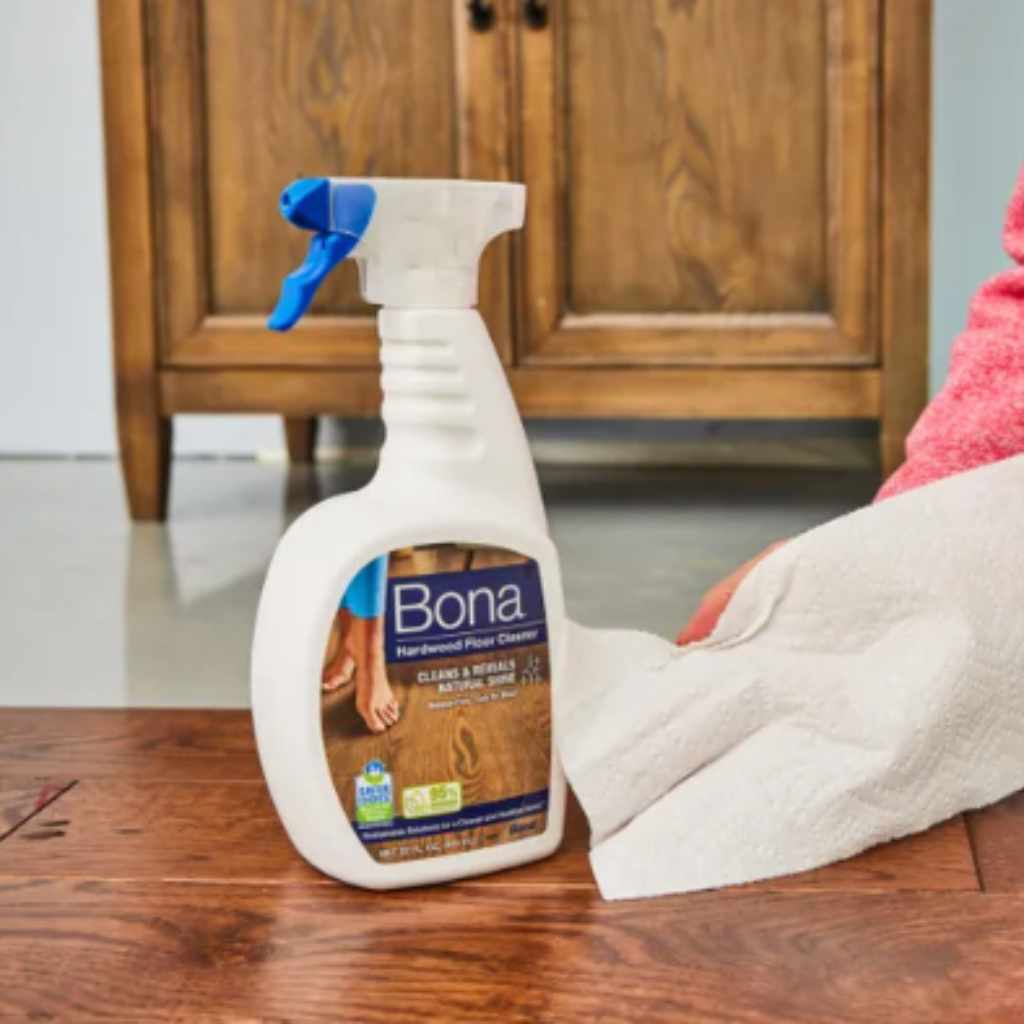
Bona is another leading name in wood floor care, known for its comprehensive range of cleaning and maintenance products. Bona floor cleaners are developed with a strong emphasis on protecting and preserving the finish of hardwood floors. They are often recommended by flooring professionals and are widely available in stores.
The brand offers different formulations for various types of floors and cleaning needs. Their most popular product is the Bona Hardwood Floor Cleaner, which is pH-neutral and designed for regular cleaning. It’s known for being effective at removing dirt and grime while being safe for the wood and its finish.
Bona also offers cleaners for stone, tile, and laminate floors, showcasing their broad expertise.
A significant aspect of Bona’s approach is its focus on sustainability and non-toxic formulations. This appeals to many homeowners who are conscious about the chemicals they bring into their homes. The brand’s commitment to research and development ensures their products are effective and safe for wood flooring.
Bona Cleaner Formulation and Safety
Bona floor cleaners, particularly their wood floor versions, are formulated with user and floor safety in mind. The most popular Bona Hardwood Floor Cleaner is pH-neutral, meaning it has a balanced acidity that won’t damage or strip the protective finish of hardwood floors. This is a critical feature because an imbalanced pH can lead to dullness, discoloration, or even breakdown of the finish over time.
The ingredients are carefully selected to be effective cleaners without leaving behind harmful residues. They typically use water-based solutions with mild, non-ionic surfactants that effectively lift dirt and grease. Bona is also known for avoiding harsh chemicals such as ammonia, formaldehyde, and petroleum distillates.
These substances can be detrimental to both the floor’s finish and indoor air quality.
Many Bona products are GREENGUARD GOLD certified, which signifies that they are tested for low chemical emissions and contribute to healthier indoor environments. This certification is a strong indicator of the brand’s commitment to safety and environmental responsibility. For homeowners with pets or young children, this focus on non-toxic ingredients provides extra peace of mind.
Application Methods and Best Practices
Bona floor cleaners are designed for simple and effective application. The most common format is a spray bottle, which allows for controlled application directly onto the floor. For Bona Hardwood Floor Cleaner, the recommended method is to lightly mist a section of the floor and then immediately wipe it clean with a microfiber mop.
It’s crucial to avoid saturating the wood with liquid, as excessive moisture can damage the flooring.
The brand strongly advises using a Bona microfiber mop, as these mops are designed to distribute the cleaner evenly and absorb moisture efficiently. Using a damp (not wet) mop is key. After mopping, the floor usually dries within a few minutes, leaving a clean, streak-free surface ready for immediate use.
This quick drying time is a significant convenience for households with high traffic or pets and children.
Bona also offers a concentrated cleaner that requires dilution with water, providing an alternative for those who prefer to mix their own solutions or use larger quantities. For these concentrates, following the dilution instructions precisely is essential to ensure the cleaner is effective and safe for the floors. Adhering to these best practices helps maintain the beauty and longevity of your hardwood floors.
Performance Across Different Floor Types
Bona has a strong reputation for creating cleaners that are safe and effective across a wide range of floor types. Their Bona Hardwood Floor Cleaner is specifically formulated for finished hardwood and engineered wood floors. It performs exceptionally well in removing everyday dirt, dust, grime, and light scuff marks without damaging the polyurethane or urethane finishes typically found on these floors.
Beyond hardwood, Bona offers specialized cleaners for other types of hard surface flooring. They have Bona Stone Tile & Laminate Cleaner, which is formulated to safely clean sealed stone, tile, and laminate surfaces without leaving dulling residues. They also have Bona Hardwood Floor Polish, which can be used after cleaning to add a protective sheen and fill in micro-scratches, further enhancing the floor’s appearance and durability.
The brand’s commitment to research means their cleaners are designed to interact appropriately with various surface treatments and materials. This multi-product approach ensures that homeowners can find a safe and effective cleaning solution for almost any hard flooring surface in their home. When using any cleaner, however, it’s always best to consult the flooring manufacturer’s guidelines to ensure compatibility.
User Feedback and Professional Recommendations
Bona products consistently receive high marks from both consumers and flooring professionals. Many users praise the effectiveness of the Bona Hardwood Floor Cleaner for its ability to clean without leaving streaks or a sticky residue. The quick drying time and the fresh, clean scent are also frequently mentioned positives.
Homeowners often report that their floors look noticeably cleaner and shinier after using Bona.
Professionals in the flooring industry often recommend Bona cleaners because they trust the brand’s quality and commitment to floor care. Many installers of hardwood floors suggest Bona products to their clients as the go-to choice for maintenance. This widespread professional endorsement speaks volumes about the reliability and safety of Bona cleaners for hardwood floors.
Reviews frequently highlight the GREENGUARD GOLD certification as a significant benefit, especially for families concerned about indoor air quality and exposure to chemicals. While some users mention that for very heavy, ground-in dirt, multiple passes might be needed, the overall consensus is that Bona provides excellent everyday cleaning power and is a safe, reliable choice for maintaining beautiful hardwood floors.
Bellawood vs Bona Floor Cleaner Honest Comparison
When you’re looking at Bellawood vs Bona Floor Cleaner: Honest Comparison, you’re essentially comparing two top-tier products made for keeping your wood floors looking their best. Both brands are well-respected, but they have slightly different approaches and target audiences, though there’s a lot of overlap. Understanding these differences can help you pinpoint which one might be the perfect fit for your specific needs and your home.
Think of it like choosing between two great brands of coffee. Both will give you a caffeine boost, but one might have a richer, bolder flavor that you prefer, while the other might be smoother and lighter. Similarly, Bellawood and Bona offer excellent cleaning, but subtle distinctions in their formulas, application, and ideal uses might sway your decision.
The goal here is to give you clear, unbiased information so you can make an informed choice. We’ll break down how they stack up side-by-side on key aspects like cleaning power, safety for different finishes, ease of use, and value.
Cleaning Power and Effectiveness
Both Bellawood and Bona floor cleaners are designed to tackle everyday dirt, dust, and grime effectively. Bellawood is often noted for its ability to cut through scuff marks and leave a bright, clean appearance. Its formula aims to lift surface contaminants without dulling the floor’s finish, making it a strong contender for general maintenance cleaning.
Bona, on the other hand, is widely recognized for its streak-free cleaning. Its pH-neutral formula is highly effective at removing dirt and grime while being gentle on the finish. Many users appreciate that Bona leaves floors looking exceptionally clean and clear, without any hazy or sticky residue, even after repeated use.
This consistency in performance is a major plus.
For heavily soiled floors, some users of both brands might find that a second pass or slightly more effort is required. However, for routine cleaning, both Bellawood and Bona deliver excellent results. The perceived difference often comes down to personal preference in how the floor looks and feels after cleaning, rather than a significant gap in fundamental cleaning ability.
Safety for Different Wood Finishes
A crucial aspect when comparing Bellawood and Bona is their safety for various wood floor finishes. Bellawood cleaner is generally recommended for sealed hardwood floors, especially those with polyurethane finishes. It is formulated to be non-damaging to these types of surfaces when used as directed.
It avoids ingredients that could strip or dull the finish.
Bona Hardwood Floor Cleaner is also pH-neutral and specifically designed for sealed hardwood and engineered wood floors with polyurethane or urethane finishes. Its formulation is considered very safe, and the GREENGUARD GOLD certification further underscores its minimal chemical emissions, making it a safe choice for households with children or pets. Bona’s product line also includes specialized cleaners for other floor types, indicating a broad understanding of material compatibility.
For floors with older finishes, such as wax or penetrating oil, neither of these primary cleaners might be the best option. These finishes often require more specialized cleaning products that are formulated to be compatible with their unique properties. Always check the product label and, if possible, the flooring manufacturer’s recommendations to ensure the chosen cleaner is appropriate for your specific floor finish to avoid any potential damage.
Ease of Use and Convenience
Both Bellawood and Bona floor cleaners score highly on ease of use, which is a major advantage for busy homeowners. Bellawood typically comes in a ready-to-use spray bottle, allowing for direct application. You simply spray a section of the floor and wipe it with a mop.
This makes the cleaning process quick and straightforward, requiring no mixing or complicated steps.
Bona also offers its popular hardwood floor cleaner in a ready-to-use spray bottle, which follows a similar application method. Spray, mop, and let it dry. Bona also emphasizes the use of their microfiber mops, which are designed for optimal performance with their cleaners, ensuring an even application and efficient moisture pick-up.
This system approach can make the cleaning routine even smoother.
Some users might prefer Bona’s concentrated options if they use a lot of cleaner or want to reduce packaging waste. However, the ready-to-use sprays from both brands offer a high level of convenience for regular cleaning. The quick drying times for both products also add to their convenience, as floors are typically ready to be walked on shortly after cleaning.
Value and Price Point
When comparing the value of Bellawood and Bona floor cleaners, price is a significant factor. Both brands are considered premium products in the wood floor care market, and their prices generally reflect this. You can expect to pay a bit more for these specialized cleaners compared to generic all-purpose cleaners.
The cost of Bellawood floor cleaner can vary depending on the retailer and the size of the bottle. It’s often found in specialty flooring stores and some home improvement chains. Bona floor cleaner is widely available in major retailers, including big box stores and online marketplaces, which can sometimes lead to more competitive pricing and a wider range of purchase options.
In terms of value, it’s important to consider the longevity and effectiveness of the product. While the initial cost might be higher, if a cleaner provides superior results, protects your floors better, and lasts longer without causing damage, it can offer better long-term value. Many users find that the quality and peace of mind provided by these trusted brands justify their price point.
Key Differences Summarized
Here’s a quick look at the main distinctions:
- Brand Focus: Bellawood is strongly associated with its own flooring products, offering a cleaner designed to complement them. Bona is a broader floor care specialist with a wide range of products for various flooring types, emphasizing sustainability and professional recommendations.
- Residue Perception: While both aim for a clean finish, Bona often gets slightly more mentions for its truly streak-free, residue-free appearance. Bellawood users also report great results, but the nuances of “feel” can differ.
- Certifications: Bona prominently features GREENGUARD GOLD certification on many of its products, highlighting its commitment to low chemical emissions and healthier indoor environments. Bellawood also focuses on safe formulations but may not highlight these specific certifications as prominently.
- Availability: Bona generally has broader retail availability, making it easier to find in most major stores. Bellawood might be more readily found in specialty flooring outlets or online.
Ultimately, both are excellent choices for maintaining finished hardwood floors. The choice often comes down to which brand’s overall philosophy, availability, and subtle performance characteristics best align with your preferences and needs.
Tips for Maintaining Your Wood Floors
Keeping your wood floors in top condition goes beyond just picking the right cleaner. It involves a consistent routine and some smart practices that protect them from daily wear and tear. By incorporating a few simple habits, you can significantly extend the life and beauty of your wood flooring, ensuring it remains a stunning feature of your home for years to come.
Think of your wood floors like any other valuable asset in your home. Regular, gentle care is far more beneficial than occasional harsh treatments. This means addressing spills immediately, using protective measures, and cleaning them regularly with appropriate products.
These steps are not difficult but require a bit of attention to detail.
We’ll cover everything from how to deal with spills to using protective accessories. These tips are designed to be practical and easy to implement, helping you become a wood floor care pro in no time. Let’s explore how to keep those floors looking gorgeous.
Daily and Weekly Cleaning Routines
A good routine is key to maintaining your wood floors. Daily, the most important thing you can do is sweep or vacuum up loose dirt and debris. This prevents grit from being tracked across the floor, which can act like sandpaper and scratch the finish.
Use a soft-bristle broom or a vacuum cleaner with a hardwood floor attachment; avoid attachments with beater bars that can scratch.
Weekly, it’s time for a more thorough cleaning. This is where your chosen floor cleaner, like Bellawood or Bona, comes into play. For most homes, a weekly damp mop is sufficient.
Remember, “damp” is the operative word. Your mop should be barely moist, not wet, to prevent moisture damage. Work in small sections and allow the floor to dry quickly.
Avoid using excessive amounts of cleaner. The goal is to lift dirt, not to soak the floor. If you notice a buildup of cleaner residue, it might mean you’re using too much product or not rinsing properly (though most modern wood floor cleaners are designed to be rinse-free).
Regular dusting between these cleanings can also help maintain a pristine look.
Protecting Your Floors from Damage
Preventing damage is often easier and less expensive than repairing it. One of the simplest ways to protect your floors is by using furniture pads on the legs of chairs, tables, and sofas. These soft pads absorb shock and prevent scratching when furniture is moved.
Regularly check and replace worn-out pads to ensure continuous protection.
Entry mats are another essential protective measure. Place durable mats both outside and inside each exterior door. These mats trap dirt, sand, and moisture from shoes, preventing them from being tracked onto your wood floors.
Regularly clean or shake out your mats to ensure they are effective.
High heels and hard-soled shoes can cause significant damage to wood floors, especially in high-traffic areas. Consider implementing a “shoes off” policy in your home, or at least encourage the use of soft slippers or socks indoors. For areas prone to heavy wear, like under a dining table, consider using area rugs or runners to provide an extra layer of protection.
Dealing with Spills and Accidents
When it comes to spills on wood floors, speed is of the essence. Wood is porous, and liquids can quickly seep into the material, causing stains, discoloration, or even warping. If a spill occurs, blot it up immediately with a clean, absorbent cloth or paper towel.
Do not wipe, as this can spread the liquid and push it deeper into the wood grain.
For sticky spills or those that have started to dry, use a slightly damp cloth with a small amount of your approved wood floor cleaner. Again, use minimal moisture. If the spill is particularly stubborn, you might need to gently work at it with a soft cloth, but avoid aggressive scrubbing that could damage the finish.
After cleaning up the spill, ensure the area is completely dry. You can use a clean, dry microfiber cloth or a fan to speed up the drying process. For larger accidents, like a pet accident or a significant water spill, be sure to clean the area thoroughly and dry it completely to prevent any long-term damage to the wood.
If you suspect moisture has penetrated deeply, consult a flooring professional.
When to Call a Professional
While most routine cleaning and maintenance can be handled by homeowners, there are times when professional help is necessary. If your floors have suffered significant water damage, such as from a burst pipe or a major flood, it’s crucial to contact a professional flooring specialist immediately. They have the tools and expertise to assess the damage, dry out the subfloor, and recommend the best course of action, which might include board replacement or refinishing.
Deep scratches, gouges, or significant wear and tear that go beyond surface-level issues are also indicators that professional intervention may be needed. A professional can refinish your floors, sanding down the existing finish and applying a new one to restore their original beauty and protective qualities. This process can revitalize old or heavily used wood floors.
If you’re unsure about your floor’s finish or have concerns about using a particular cleaner or product, it’s always best to err on the side of caution. Consult with a local flooring expert. They can provide advice tailored to your specific flooring and help you avoid costly mistakes.
Regular professional inspections, especially for older floors, can also help identify potential problems before they become major issues.
Frequently Asked Questions
Question: Is Bellawood cleaner safe for all wood floors?
Answer: Bellawood cleaner is generally safe for sealed hardwood floors, particularly those with polyurethane finishes. It’s always best to check the product label and, if possible, your flooring manufacturer’s recommendations to ensure compatibility with your specific floor type and finish.
Question: Can I use Bona cleaner on laminate floors?
Answer: Bona offers a separate cleaner specifically designed for laminate floors (Bona Stone Tile & Laminate Cleaner). While their hardwood floor cleaner is formulated for wood, it’s not recommended for laminate as it may leave residues or not clean effectively on that surface type.
Question: Do I need to rinse after using Bellawood or Bona cleaners?
Answer: No, both Bellawood and Bona wood floor cleaners are designed to be rinse-free. They are formulated to clean effectively and dry without leaving a residue, so there is no need to rinse the floor after cleaning.
Question: Can I use a steam mop with Bellawood or Bona cleaners?
Answer: It is generally not recommended to use steam mops on wood floors, regardless of the cleaner used. The heat and moisture from steam can damage the wood finish and the wood itself, leading to warping or discoloration.
Question: Which cleaner is better for pet messes?
Answer: Both Bellawood and Bona cleaners are effective at cleaning general grime and everyday messes. For pet accidents, it’s important to blot up the mess immediately and then use your chosen cleaner to ensure the area is properly cleaned. Bona’s non-toxic formulation might be a preference for homes with pets.
Final Thoughts
When you’re weighing the Bellawood vs Bona Floor Cleaner: Honest Comparison, you’re looking at two excellent options that both prioritize the health and appearance of your wood floors. Both brands offer well-formulated cleaners that effectively tackle everyday dirt and grime while being mindful of your floor’s finish. Bellawood stands out as a strong companion to their own flooring products, known for its brightening effect.
Bona shines with its widespread professional endorsements, strong emphasis on eco-friendly and safe formulations, and reputation for streak-free results.
Ultimately, the choice between them often boils down to personal preference and availability. If you have Bellawood floors, their cleaner is a natural fit. If you prioritize the GREENGUARD certification and a universally praised streak-free finish, Bona might be your go-to.
For most sealed hardwood floors, either cleaner will likely deliver satisfying results when used according to the instructions.
Don’t be afraid to try a smaller bottle of each if you’re unsure, or consider what your flooring manufacturer specifically recommends. The most important thing is to use a cleaner designed for your specific floor type and to maintain a consistent, gentle cleaning routine. By doing so, you’ll keep your wood floors beautiful and protected for many years.