Best Screws for Cedar Decking (2026): research shows
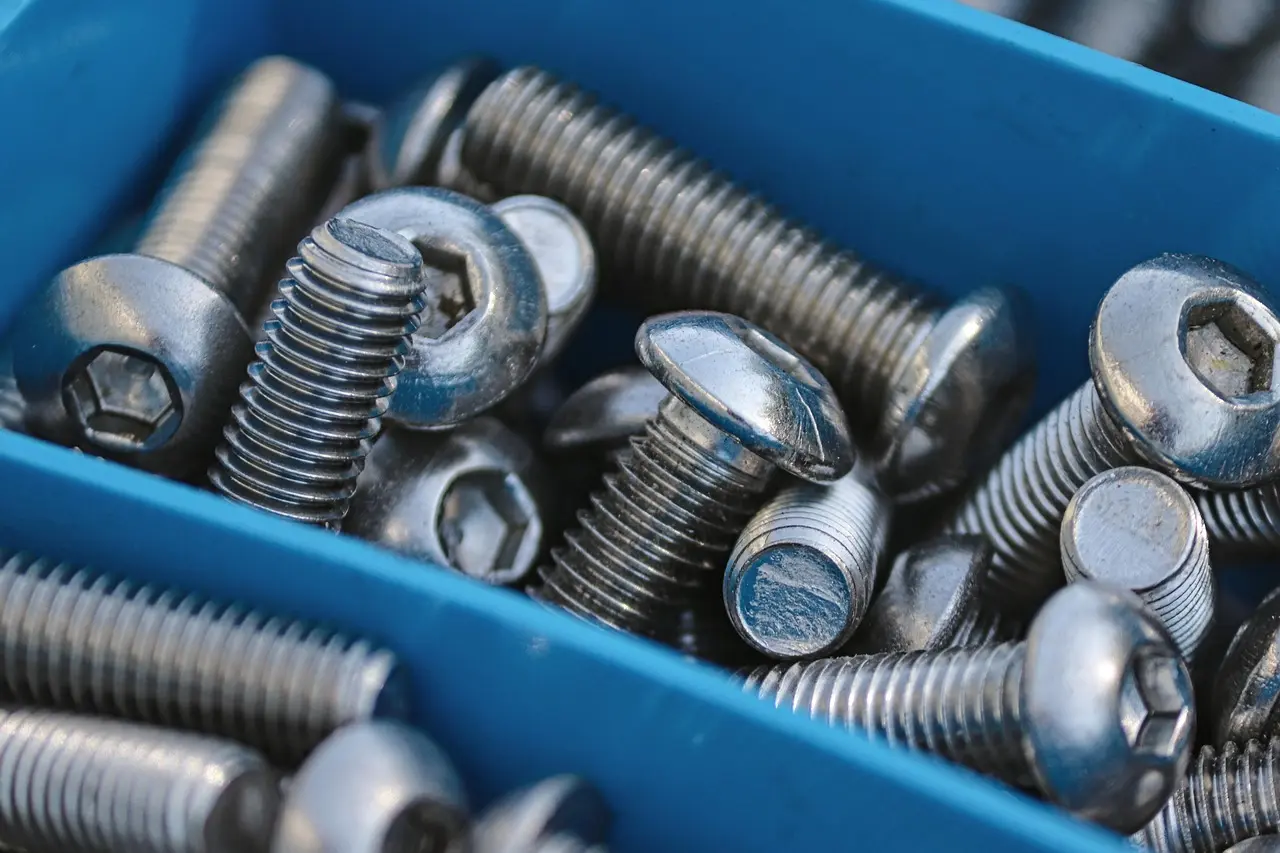
For cedar decking, stainless screws are a common choice, with 305 or 316 often used. For 5/4 boards into 1 1/2-inch framing, a typical choice is 2 1/2-inch screws; use a slightly longer screw when the board thickness or hidden fastener seating needs more bite. Wrong fasteners stain cedar, corrode early, and can leave loose boards that cost more to repair than the screws. This guide compares the best screw types by cedar thickness, exposure, finish visibility, and compatibility with treated framing.
Best screws for cedar decking: top pick and why
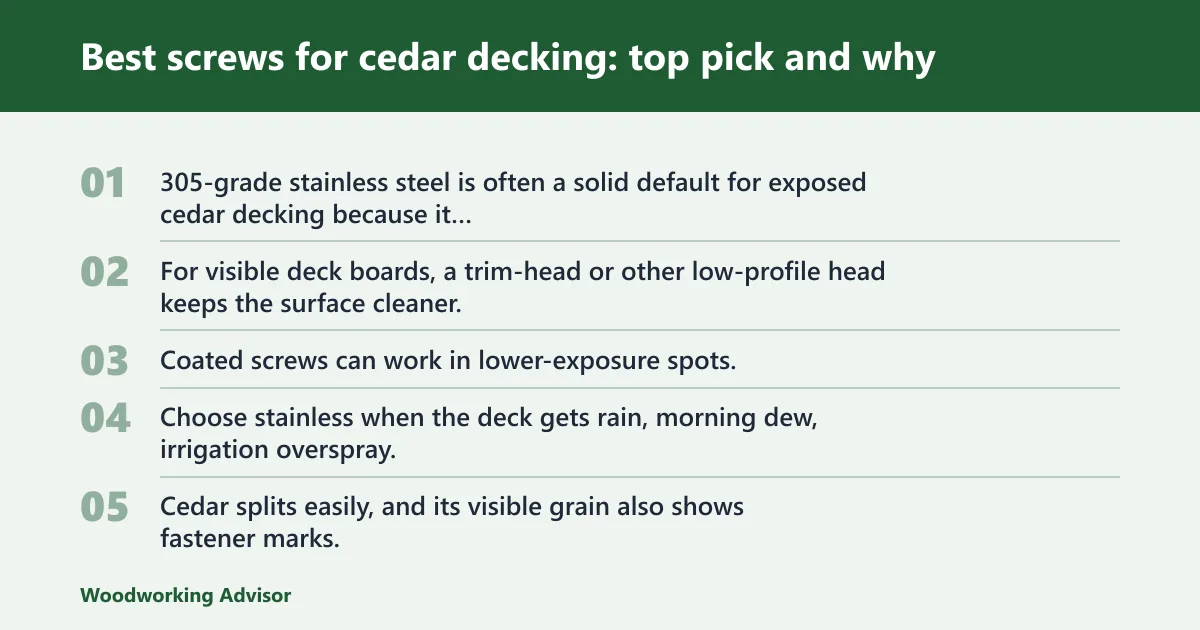
305-grade stainless steel is often a solid default for exposed cedar decking because it generally holds up well in wet outdoor service and can help reduce staining concerns compared with some lower-grade coatings. For visible deck boards, a trim-head or other low-profile head keeps the surface cleaner, while a Torx or Star drive improves control during driving. Coated screws can work in lower-exposure spots, but stainless is the safer choice where moisture lingers.
305-grade stainless steel: best default for exposed cedar decks
Choose stainless when the deck gets rain, morning dew, irrigation overspray, or coastal air. Cedar splits easily, and its visible grain also shows fastener marks, so corrosion is more than a cosmetic issue; rust streaks can move through the surface and make later replacement harder.
Stainless is also the better match for cedar-to-ACQ-treated lumber. ACQ framing is far more demanding than plain interior wood, and mixed-material fastening is where corrosion margin matters most. If the framing is treated and the deck surface is visible, stainless should be the default rather than the upgrade.
When epoxy-coated screws are acceptable
Epoxy-coated exterior deck screws are a lower-cost option for dry or moderately exposed projects where full stainless is not required. They can be a reasonable fit for covered decks, porch steps, and less visible framing connections. Look for a self-drilling or self-tapping point if you want easier starts in cedar.
Coated screws are not the best answer when the deck is regularly wet, shaded for long periods, or built close to salt air. The coating can slow corrosion, but it does not match stainless for long-term resistance. If staining would be hard to live with, stainless is the safer call.
When trim-head screws make the finish cleaner
Trim-head deck screws are the better choice when the surface matters. Their low-profile head leaves a cleaner look and sits nearly flush, which is helpful on front porches, bench tops, and deck boards that stay in view. They also reduce the chance of a bulky head standing out against cedar’s grain.
The tradeoff is less bearing area than a standard head. That means you need better drive control and the right length for the board thickness. Trim-head works best when the deck is finished carefully and the framing is sound.
📊 DeckWise cedar trim-head screws use a T15 drive. Source: Best Screws for Cedar Decking: Durable Fasteners for Long….
Quick comparison

| Product | Badge | Best for | Price | ||
|---|---|---|---|---|---|
 |
#10×2-1/2 Inch 304 Stainless Steel Deck Screws 500 PCS –RVSurve | Our pick | #10 x 2-1/2" 304 Stainless · 500 pcs | $56.99
Price as of 10 Oct 2026
|
View |
 |
#10 x 2-1/2" SPAX Stainless Steel Wood Screws Exterior DeckSPAX | Also great | #10 x 2-1/2" SPAX Stainless · 83 pcs | $21.73
Price as of 10 Oct 2026
|
View |
 |
Simpson Strong-Tie S10250WPB Deck-Drive DWP Wood SS Screw –Simpson Strong-Tie | Upgrade pick | #10 x 2-1/2" Simpson 305 SS · 1750 pcs | $277.87
Price as of 10 Oct 2026
|
View |
 |
BNUOK #10 Deck Screws 2-1/2 Inch Exterior Decking WoodBNUOK | Budget pick | #10 x 2-1/2" Bronze Coated · 66 pcs | $8.49
Price as of 10 Oct 2026
|
View |
 |
Grip Rite MAXS21210DS3051#10 x 2-1/2 in. 305 StainlessGrip-Rite | Pair with it | #10 x 2-1/2" 305 SS · 1 lb | $16.97
Price as of 10 Oct 2026
|
View |
This comparison should help you narrow the choice by board thickness, exposure, and how visible the screw heads will be. Match the screw material to the environment first, then pick head style, drive type, and length.
| Board thickness / use | Exposure | Visibility | Framing type | Recommended screw material | Head style | Drive type | Length |
|---|---|---|---|---|---|---|---|
| Thin cedar trim, fascia, or skirting | Low to moderate | High visibility | Cedar or non-treated framing | 305 stainless steel | Trim-head | T15 or T20 Torx / Star | 1-1/4 inch or 1-1/2 inch |
| 5/4 cedar decking | Moderate to high | Visible | 1 1/2-inch framing | 305 stainless steel | Trim-head or flat head | T15 or T20 Torx / Star | 2 inch, 2-1/2 inch, or 2 3/4 inch where extra bite is needed |
| 5/4 cedar decking over ACQ-treated framing | High | Visible or semi-visible | ACQ-treated lumber | 305 stainless steel | Trim-head or flat head | T15 or T20 Torx / Star | 2-1/2 inch to 3 inch |
| Covered deck boards or less visible areas | Low to moderate | Low visibility | Wood framing | Epoxy-coated exterior screw | Flat head | Torx / Star | 2 inch to 2-1/2 inch |
| Thicker cedar members or mixed-material fastening | High | Varies | ACQ-treated or cedar framing | 305 stainless steel | Flat head | Torx / Star | 3 inch |
How we chose
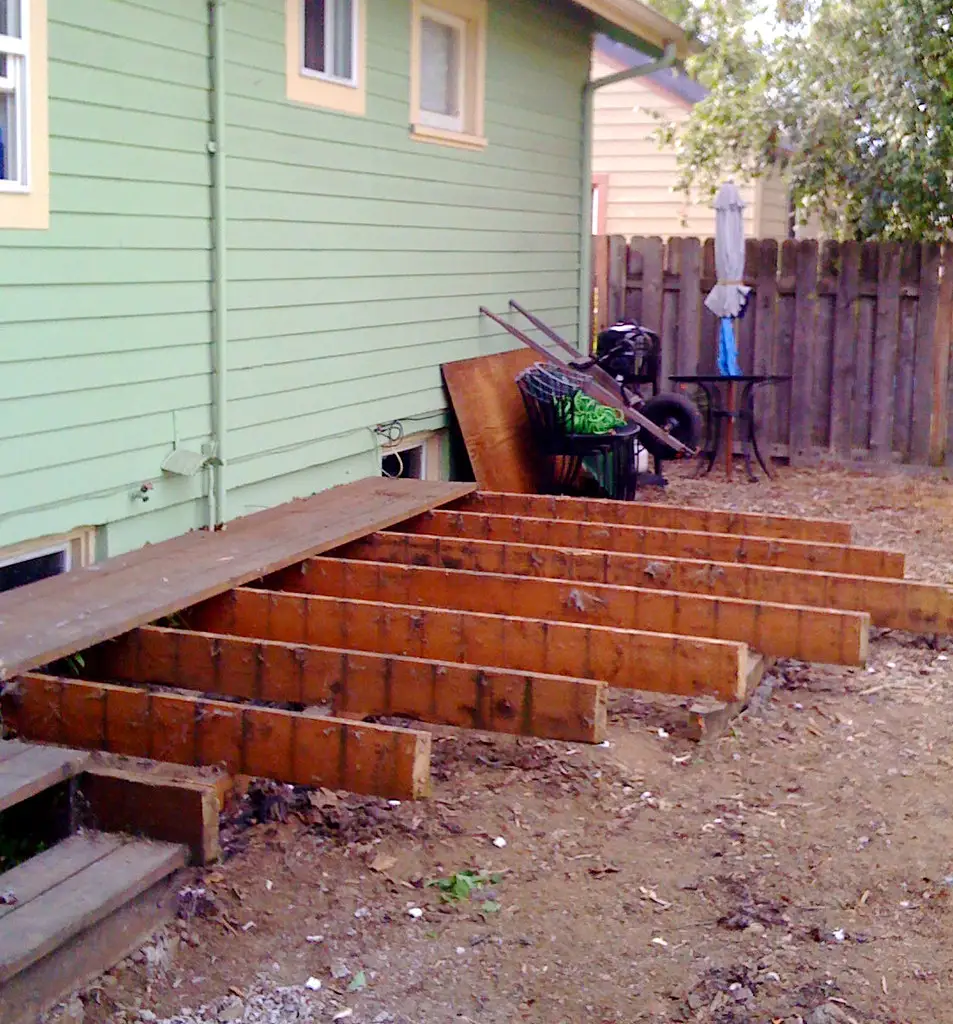
The main filter was corrosion resistance in outdoor cedar applications, especially where cedar meets treated framing. Finish appearance mattered next, because cedar boards are often left visible and show fastener heads clearly. Drive control and splitting risk also mattered, since cedar can split near ends and knots.
Compatibility with ACQ-treated lumber was another key factor. A screw that is fine for cedar-to-cedar work may be the wrong call once treated framing enters the picture. Length and head style had to make sense together, not in isolation.
DeckWise cedar trim-head screws: best for high-visibility cedar decking

Choose these when the deck surface is front-and-center and you want a cleaner look with strong corrosion resistance. DeckWise uses 305-grade stainless steel, a T15 drive, and a Type 17 auger tip, and the trim-head design is described as nearly flush. That combination fits cedar boards where appearance and wet-weather durability both matter.
The main drawback is that trim-head screws give you less visible head area than a standard deck screw, so driving must be careful. The pack size is also large at 1750-Qty, which is useful for bigger projects but more than many small repairs need.
RVSurve 304 stainless deck screws: best for general cedar deck fastening
This is a practical choice for cedar decking when you want stainless steel, a T25 star drive, and a full-length 2-1/2-inch screw. The self-tapping tip and recessed shoulder are aimed at reducing splitting and speeding installation, and the included drive bits are handy for a single-job purchase.
The drawback is straightforward: 304 stainless is solid for outdoor use, but the listing does not give the same cedar-specific positioning as a dedicated trim-head option. The 500-piece box may also be more screw than a small deck needs.
Grip-Rite MAXS 305 stainless deck screw: best for cedar and treated framing
Pick this when you need a cedar-friendly stainless screw that is also listed for redwood, composite, and PVC materials. It uses 305 stainless steel and is specifically engineered for cedar and redwood applications, which makes it an easy fit for mixed outdoor projects where corrosion resistance matters.
The drawback is that the product data here is sparse compared with the others, so the head profile and drive details are less explicit. For buyers who want a low-profile visible finish, a trim-head alternative may fit better.
SPAX stainless wood screws: best for strong clamping in cedar
Use these when clamping power matters and you want a stainless screw with a 2-1/2-inch length. SPAX lists premium stainless steel, a double-thread design for maximum clamping power, and a self-tapping 4CUT point that drives easily without pre-drilling in many cases. That makes it a strong fit for deck boards that need firm pull-down.
The drawback is that the standard screw head will not disappear into the surface the way a trim-head fastener can. The 83-piece pail is also smaller than some bulk options, which can be a plus for repairs but not for large decks.
BNUOK epoxy-coated deck screws: best budget option for lower-exposure cedar work
These are a lower-cost option for cedar where stainless is not required. The bronze epoxy coating is aimed at outdoor durability, the screw is 2-1/2 inches long, and the knurled shank near the head is intended to help prevent splitting. That makes it a workable pick for sheds, covered sections, and less visible fastening.
The drawback is exposure. Coated screws are not the first choice for wet, high-visibility cedar decks or cedar-to-ACQ framing. If staining would be a problem, stainless is still the safer choice.
What screw length should you use for cedar deck boards?
For cedar decking, length depends on the board thickness and framing depth, not just on holding power. Use 1-1/4 inch or 1-1/2 inch for thinner cedar trim pieces, 2 inch to 2-1/2 inch for standard deck boards, and 3 inch when you need extra bite in thicker stock or mixed-material fastening. For 5/4 decking, 2-1/2 inch is the usual target into 1 1/2-inch framing.
Length by board thickness
- 1-1/4 inch: thin trim, fascia, and light cedar details.
- 1-1/2 inch: thin cedar parts where you want a little more hold.
- 2 inch: thinner deck boards or light exterior boards.
- 2-1/2 inch: the common choice for 5/4 cedar decking.
- 3 inch: thicker boards, mixed-material fastening, or places that need more embedment.
Longer is not always better. Cedar can split more easily when a fastener is oversized for the board, especially near ends. Use the shortest length that still gives secure embedment into the framing.
Do you need to predrill cedar decking?
Predrilling is often wise for cedar, especially near board ends, around knots, and in tighter grain. Cedar is split-prone, and a slower, cleaner start reduces the chance of splitting. You can sometimes skip predrilling with self-tapping or Type 17 points, but the risk goes up as the screw moves closer to the end grain.
Where splitting risk is highest
Board ends are the first place to watch. Knots can also deflect the screw and open a split line, especially if you drive fast or overdrive the head. Thin trim pieces, weathered cedar, and cold-dry boards are all less forgiving than fresh, well-supported stock.
Drive speed matters as much as the hole itself. Start slow, keep the bit seated, and stop as soon as the head is flush or nearly flush. Overdriving crushes fibers and can create the same damage you were trying to avoid.
- Mark the fastening line before driving.
- Predrill near ends, knots, and tight grain.
- Use a Torx / Star bit that fully seats in the recess.
- Drive at a steady, moderate speed.
- Stop when the head is flush or nearly flush.
Picture a 5/4 cedar board with the last screw placed 1 inch from the end. Without predrilling, the board can open along the grain as the point bites. A small pilot hole often avoids that problem and keeps the edge clean.
Which one should you buy?
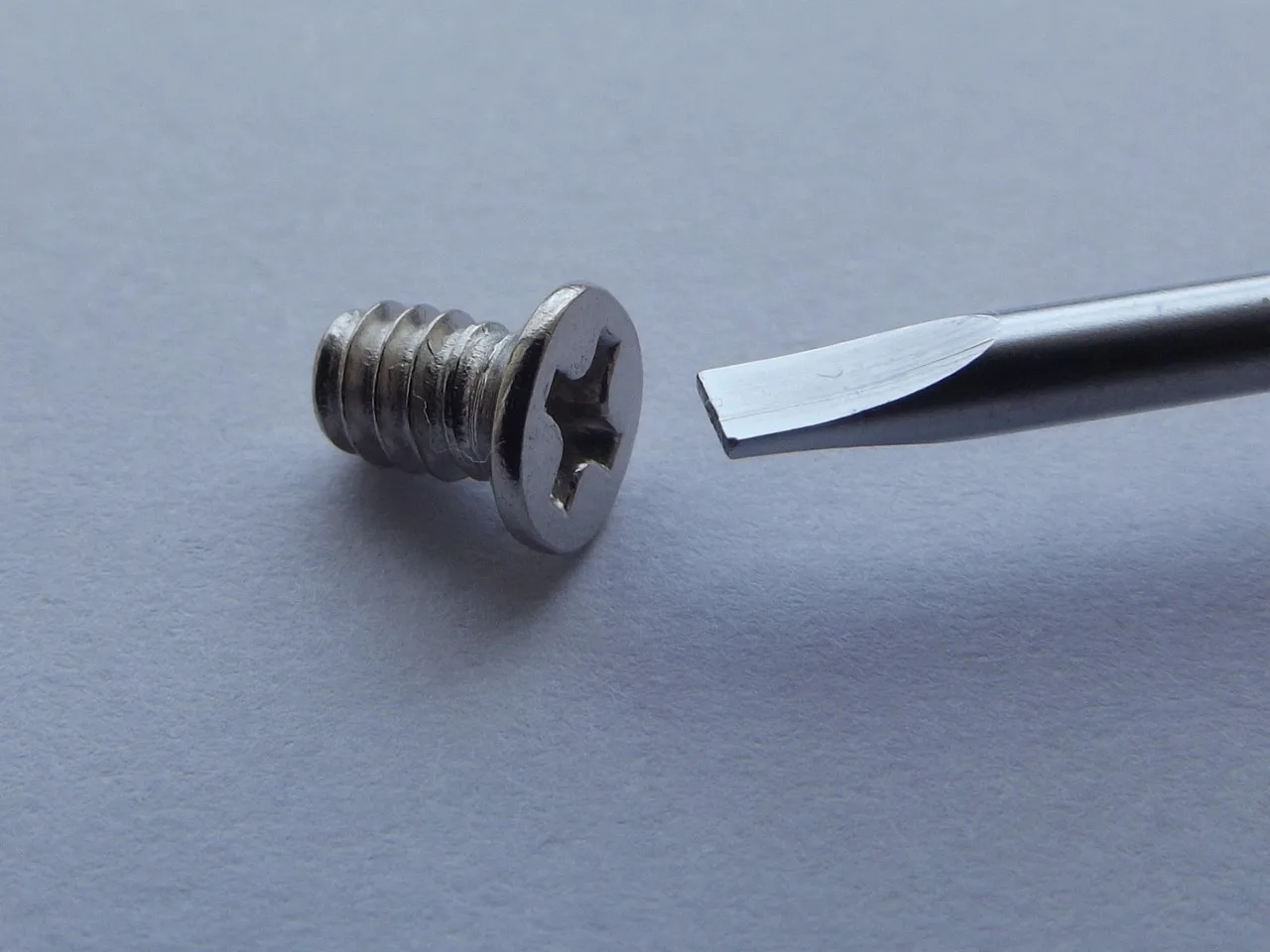
Buy 305-grade stainless first if the deck is exposed, visible, or built over ACQ-treated framing. Buy epoxy-coated screws only when the project is lower exposure and the budget matters more than long-term corrosion margin. For a cleaner face, use trim-head stainless. For cedar-to-ACQ work, stainless is the safest default.
Say your deck boards are 5/4 cedar over treated framing, and the fasteners will be visible from the patio. That is a stainless-and-trim-head job, not a bargain-coated one. Suppose the project is a covered side porch with hidden framing details; a coated screw may be acceptable if corrosion exposure is truly limited.
Best choice by exposure level
High exposure calls for 305-grade stainless steel. Wet locations, coastal air, and shaded decks that dry slowly all belong in that category. For those jobs, the safer call is the screw that resists corrosion most reliably, even if it costs more up front.
Best choice by budget
If the deck is sheltered and the budget is tight, epoxy-coated exterior deck screws can work. Keep them away from the most demanding locations and do not treat them as interchangeable with stainless. A few dollars saved on fasteners is not worth early staining or replacement.
Best choice by appearance
Use trim-head screws when the goal is a cleaner face on visible cedar. They sit lower and disappear better than standard heads, which helps on finished deck surfaces. Pair them with the right length and a Torx / Star drive so the driver stays centered.
Best choice for cedar-to-ACQ framing
Use 305-grade stainless steel here. That pairing gives the best corrosion margin in mixed-material fastening and reduces the risk that treated lumber chemistry will shorten service life. A Type 17 point can also help where starting resistance is higher.
Frequently asked questions
what kind of screws for cedar decking
Use exterior-rated screws with strong corrosion resistance, and stainless is the safest default for exposed cedar. For visible boards, choose a trim-head or low-profile head. For easier driving, a Torx / Star drive is a better fit than a slotted or Phillips head, especially on longer deck screws.
what screws to use with cedar decking
For most cedar decks, 305-grade stainless steel deck screws are the best all-around choice. Use coated screws only where exposure is limited and appearance concerns are lower. Match the length to board thickness, and use a drive style that resists cam-out so you do not tear the cedar fibers.
what are the best screws for cedar decking
The best screws for cedar decking are 305-grade stainless screws with a Torx / Star drive and a length suited to the board thickness. For visible surfaces, trim-head screws give a cleaner finish. For cedar-to-ACQ framing, stainless is the safer default because corrosion resistance matters more there.
Do I need stainless steel screws for cedar decking?
You do not need stainless for every low-exposure project, but it is the safest choice for exposed decks, high-visibility surfaces, and any cedar-to-ACQ connection. Coated screws can work in sheltered areas, yet they do not offer the same corrosion margin or staining protection as stainless.
Will coated deck screws stain cedar?
They can, especially if the coating is damaged, the deck stays damp, or the fasteners begin to corrode. Coated screws are a lower-cost option, not a stain-proof guarantee. If the cedar will stay visible and the environment is wet, stainless is the safer way to avoid streaking.
Should I predrill cedar decking before screwing?
Often yes, especially near board ends, around knots, and in tight grain. Cedar splits more easily than many builders expect. A pilot hole can reduce splitting, and it is especially useful when you are using larger screws, driving close to an edge, or fastening weathered boards.
What drive type is best for cedar deck screws?
Torx / Star drive is the best all-around choice because it reduces cam-out and holds torque more consistently. T15 and T20 are common sizes on cedar-friendly screws. A good bit fit matters as much as the drive type, since poor engagement can chew up the head and mar the board.
Can I use screws for cedar to ACQ-treated lumber?
Yes, but stainless is the safer default. ACQ-treated lumber is harder on fasteners than plain wood, so corrosion resistance matters. Use 305-grade stainless steel where cedar meets treated framing, and choose a drive and length that let the screw seat cleanly without overdriving.
What screws work best for 5/4 cedar decking?
For 5/4 cedar decking, 2-1/2 inch 305-grade stainless screws are the best starting point into standard framing. Use a Torx / Star drive, and consider a trim-head if the boards are highly visible. Predrill near ends and knots to lower the chance of splitting.
Sponsored / affiliate links. As an Amazon Associate I earn from qualifying purchases. I may earn additional commission from eligible campaigns.