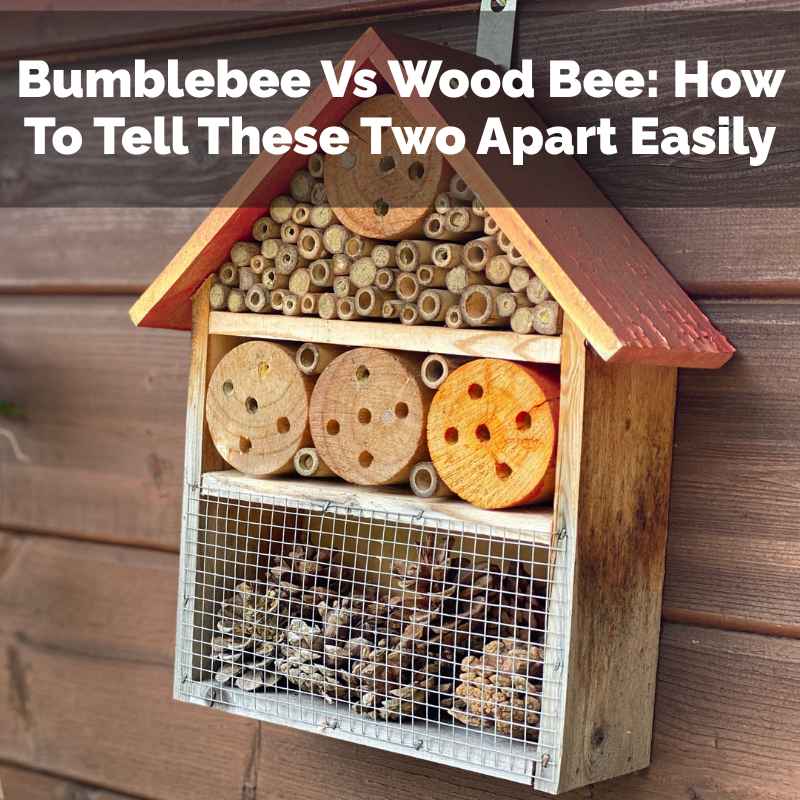
Bumblebee Vs Wood Bee: How To Tell These Two Apart Easily
It’s springtime, and the garden is coming alive. That means more buzzing sounds. You might see big, fuzzy bees.
Are they bumblebees? Or are they something else? Lots of people get mixed up between bumblebees and carpenter bees, or wood bees as some call them.
They look similar at first glance. But they act very differently. And knowing the difference matters.
It can help you care for your garden better. It also helps you understand these busy little workers. Let’s clear this up.
The Buzz About Bumblebees vs. Carpenter Bees
Seeing a bee in your yard is usually a good thing. Bees are super important. They help flowers and plants make seeds.
They do this by moving pollen around. This is called pollination. Bumblebees are great at this.
They are big and round. They have fuzzy bodies. Carpenter bees, or wood bees, are also quite large.
But they look sleeker. They have shiny bottoms. This difference in looks is key.
But their habits are even more telling. Bumblebees live in big families. They build nests underground.
Wood bees are mostly alone. They bore holes into wood. That’s a big clue right there.
Understanding these two types of bees can save you worry. It can also help you protect your home. And your plants too.
We’ll break down what makes them different. We’ll talk about where they live. We’ll look at what they eat.
And what they do all day. By the end, you’ll be a bee expert. You’ll know just what you’re looking at.
And you won’t have to guess anymore.
My Own Bee Mix-Up Story
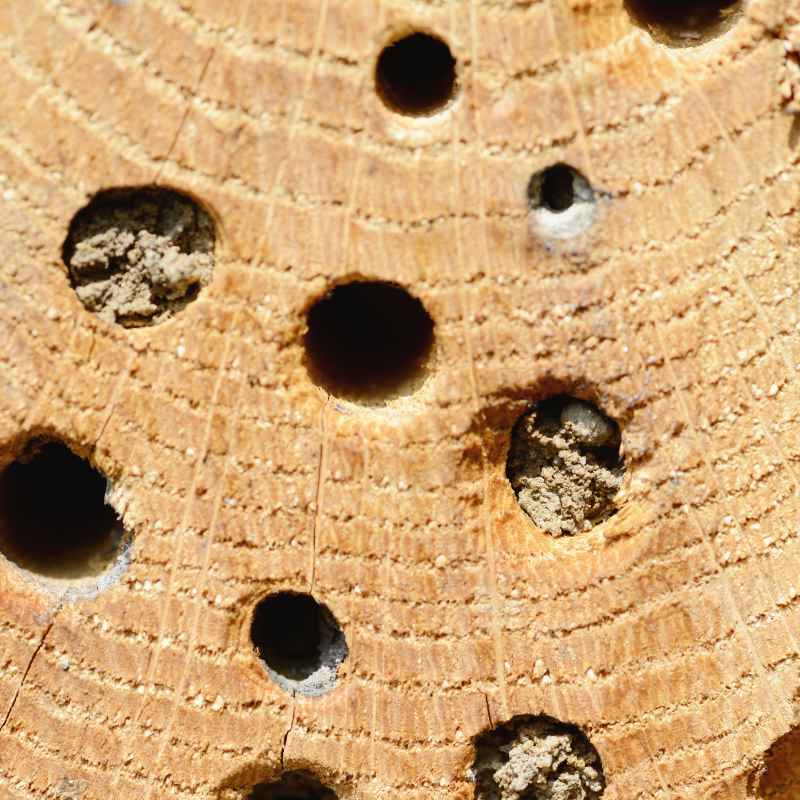
I remember one summer. My porch swing was looking a bit sad. It had some small holes in the wood.
At first, I didn’t think much of it. Then I saw these big, black bees. They were flying around the holes.
They seemed pretty busy. I immediately thought, “Oh no, termites!” My mind raced. I pictured my porch collapsing.
I had always seen bumblebees in my flower beds. They were fuzzy and looked friendly. These bees were different.
They were shiny and a bit intimidating. I was worried. I thought they were eating my swing.
I was ready to call an exterminator. Then I did some reading. I learned about carpenter bees.
I realized these weren’t termites. They also weren’t bumblebees. They were drilling holes for nests.
It was a relief to know they weren’t destroying my swing from the inside. But I still had holes. I learned that only the males are harmless.
The females can sting. They are generally not aggressive, though. It was a lesson in looking closer and not jumping to conclusions.
Quick Look: Bumblebee vs. Carpenter Bee
Bumblebee:
- Body: Big, round, very fuzzy all over.
- Color: Black and yellow bands. Some have orange.
- Sound: Louder, deeper buzz.
- Nest: Underground or in thick grass. Live in colonies.
- Damage: None to wood. They pollinate plants.
Carpenter Bee (Wood Bee):
- Body: Large, but less fuzzy. Shiny, black abdomen.
- Color: Mostly black. Sometimes yellow markings on thorax.
- Sound: A more high-pitched buzz.
- Nest: Bore tunnels into wood. Live alone or in small groups.
- Damage: Can drill holes in wooden structures.
What Exactly IS a Bumblebee?
Bumblebees are truly nature’s gentle giants. They are part of the genus Bombus. You can spot them by their size.
They are among the largest bees. Their bodies are quite stout. And they are covered in soft, fuzzy hair.
This fuzz isn’t just for looks. It helps them stay warm. This lets them fly even when it’s cool out.
That’s why you often see them early in spring. Or on cloudy days. Their fuzzy coats trap heat.
Their colors are usually bold. Most have black and yellow stripes. Some have white or orange patches too.
These bright colors warn other animals. They say, “I can sting if I need to.”
Bumblebees are social insects. They live in colonies. These colonies are usually small.
They might have 50 to 400 bees. The queen starts the nest. She finds a good spot in the spring.
This is often underground. Think old mouse holes or in thick grass. She lays eggs.
Then she raises the first workers. After that, the workers take over. They find food and expand the nest.
The queen just lays more eggs. Their nests are made of wax. They collect pollen and nectar.
They store it for food. Bumblebees are amazing pollinators. They are very important for many crops.
Things like tomatoes and blueberries rely on them. They even do something called “buzz pollination.” They vibrate their flight muscles. This shakes pollen out of certain flowers.
No other bee can do that as well.
When you see a bumblebee, it’s usually busy. It’s flying from flower to flower. It’s collecting food for the colony.
They are not usually aggressive. They only sting if they feel threatened. Or if their nest is in danger.
They want to avoid conflict. Their main goal is getting food for their family. They are slow flyers compared to other bees.
And they are much less likely to chase you. They are more interested in flowers than people.
What About Carpenter Bees (Wood Bees)?
Carpenter bees are also large bees. They are sometimes called “lumber bees.” The name comes from what they do. They don’t eat wood.
But they drill into it. They create tunnels. These tunnels are for nesting.
Female carpenter bees do the drilling. They use their strong jaws. They bore perfect round holes.
These holes are about half an inch wide. They are usually in untreated wood. Think fences, decks, eaves, and outdoor furniture.
They prefer soft woods. But they will drill into harder woods too. They don’t live in huge colonies like bumblebees.
They are more solitary. A female might share a tunnel system. But each female carves out her own nesting space.
Carpenter bees look a bit different. They are still big. But their bodies are not as fuzzy.
They look more shiny. The biggest giveaway is their abdomen. It’s often smooth and black.
Bumblebees are fuzzy all over. Carpenter bees have a distinct look. The male carpenter bee is very common.
He’s often seen patrolling an area. He’s looking for a mate. Male carpenter bees have no stinger.
They can fly right up to you. They might even hover. They seem bold.
But they can’t hurt you. The female carpenter bee can sting. She does have a stinger.
But she’s usually not aggressive. She only stings if cornered or handled. She’s busy with her drilling.
These bees are also pollinators. They visit flowers for nectar and pollen. However, they are not as efficient as bumblebees.
They are known for “robbing” nectar. They can chew a small hole at the base of a flower. Then they suck out the nectar.
They bypass the pollen. This means they don’t always pollinate the flower well. So, while they are bees, their impact on pollination is less significant than bumblebees.
Their main impact on humans is the damage they can cause to wooden structures. The holes they create can weaken wood over time. Rain and insects can then get into these holes.
This causes more damage.
Carpenter Bee Nest Facts
Hole Size: About 1/2 inch in diameter.
Location: Untreated wood, fences, decks, siding, eaves.
Tunnel Depth: Several inches deep.
Purpose: Female lays eggs in tunnels. Stores pollen for larvae.
Activity: Males patrol areas. Females drill and maintain tunnels.
How to Spot the Difference: A Visual Guide
Let’s get down to the nitty-gritty. How do you tell them apart when you see one? Look closely.
These differences are clear once you know what to see. It’s like learning to spot different birds. Or different types of trees.
Fuzz Factor: The Biggest Clue
This is the easiest way to tell. Bumblebees are fluffy. Think of a teddy bear.
Their whole body is covered in thick, soft hair. This fuzz is usually yellow and black. Or black and white.
It makes them look plump. Carpenter bees are different. They are still large.
But their fuzz is sparse. Especially on their rear end. Their abdomen is usually shiny and black.
It looks almost polished. Some carpenter bees have some fuzz on their head and thorax. But the tail end is the tell-tale sign.
If it’s shiny and black, it’s likely a carpenter bee.
Body Shape: Round vs. Sleek
Bumblebees are built like little tanks. They are round and chunky. They have a very full look.
Carpenter bees are also big. But they look sleeker. More streamlined.
They are not as rounded. Imagine a bullet shape versus a ball shape. The shiny, less fuzzy abdomen also makes them look less bulky.
So, a round, fuzzy bee is a bumblebee. A sleeker, shiny-bottomed bee is a carpenter bee.
Color Patterns: Stripes and Shine
Bumblebees often have distinct bands of color. Yellow and black are common. Some have white or orange bands too.
The fuzz covers these bands. Carpenter bees are mostly black. Some might have yellow markings on their upper body.
But their lower body is typically a solid, glossy black. This shiny black is a very strong indicator. If you see a big black bee with a shiny rear, it’s a carpenter bee.
If it’s fuzzy all over with clear yellow and black stripes, it’s likely a bumblebee.
Sound of the Buzz
You can often hear the difference too. Bumblebees have a deep, loud buzz. It’s a steady drone.
It sounds powerful. Carpenter bees have a higher-pitched buzz. It can sound a bit more frantic.
Especially when they are flying around their holes. It’s not a guarantee, but it’s another clue. If it sounds like a tiny chainsaw, it might be a bumblebee.
If it sounds more like a buzzing fly, it might be a carpenter bee.
Key Visual Differences Summarized
| Feature | Bumblebee | Carpenter Bee |
|---|---|---|
| Fuzziness | Very fuzzy all over | Less fuzzy, especially on abdomen |
| Abdomen | Fuzzy, banded | Shiny, black, smooth |
| Body Shape | Round, plump | Sleeker, more streamlined |
| Color | Yellow and black bands, sometimes white/orange | Mostly black, shiny abdomen |
Where Do They Live? Nests and Homes
The place a bee calls home is a big clue to its identity. Bumblebees and carpenter bees have very different nesting habits. This tells you a lot about their life cycle and needs.
Bumblebee Nests: Cozy Underground Homes
Bumblebees are colony builders. They need a safe place for many bees to live together. Their favorite spots are often hidden.
They like to build nests underground. This usually means finding an old burrow. A rodent hole is perfect.
Or they might nest in a dense patch of grass. Sometimes they use birdhouses. Or even compost piles.
The queen bee finds this spot in early spring. She starts building the nest herself. It’s made of wax.
She makes a small chamber. She lays her eggs there. She collects pollen and nectar.
She stores it near the nest. As the colony grows, the workers take over. They expand the nest.
They forage for food. They keep the nest warm. These nests can become quite large.
They are home to many bees. The entire colony lives and works from this one spot.
Because their nests are often underground, you don’t usually see them. You see the bees coming and going. They fly in and out of the ground.
Or a small opening in thick grass. They don’t damage property when they nest. Their nesting sites are usually out of the way.
This is why bumblebee nests aren’t typically a problem for homeowners. They are focused on survival and raising young. They don’t interact with wood structures.
Carpenter Bee Nests: Tunnels in Wood
Carpenter bees have a much different approach to housing. They are called “wood bees” for a reason. They don’t build nests from scratch.
Instead, they bore into wood. Female carpenter bees do the drilling. They use their strong mandibles.
They create tunnels. These tunnels are about half an inch wide. They can be many inches deep.
They prefer unpainted or untreated wood. This makes it easier for them to drill. Common spots are decks, fences, railings, eaves, and outdoor furniture.
They are looking for soft wood. But they will drill in harder wood if needed.
Once a tunnel is made, the female bee lays eggs. She creates cells within the tunnel. Each cell gets an egg.
She also packs it with pollen and nectar. This food source is for the larva when it hatches. The tunnel serves as a nursery.
These tunnels can be used for many years. New bees may expand old tunnels. Or they might start new ones nearby.
This is where the damage comes in. The holes can weaken the wood. They can allow water to get in.
This can lead to rot. Termites and other insects can also use these holes. So, while a carpenter bee isn’t eating the wood, its nesting habits can cause problems.
You’ll see carpenter bees hovering around these wooden structures. They are often inspecting the wood. Or flying in and out of the holes they’ve made.
This behavior is a clear sign. It’s not a sign of termites. It’s a sign of carpenter bees establishing their homes.
Unlike bumblebees, their nesting choice directly impacts human structures.
Where to Find Their Homes
Bumblebees:
- Underground (old rodent burrows)
- Thick grass or mulch
- Birdhouses
- Compost piles
Carpenter Bees:
- Wooden decks and porches
- Wooden fences and railings
- Siding and eaves of houses
- Outdoor furniture
- Unfinished wood structures
Diet and What They Eat
Both bumblebees and carpenter bees eat nectar and pollen. This is the fuel that powers them. It’s also what they feed to their young.
However, their methods of getting food and their foraging habits can differ.
Bumblebee Diet: Pollen and Nectar
Bumblebees are diligent foragers. They visit a wide variety of flowers. Their main food sources are pollen and nectar.
Nectar is a sugary liquid. It provides energy. It’s like their carbohydrate drink.
Pollen is a protein source. It’s essential for growth. Especially for the young bees.
Bumblebees are fuzzy. This helps them collect pollen. As they fly from flower to flower, pollen sticks to their hairy bodies.
They then pack this pollen into special baskets on their legs. These baskets are called corbiculae. They carry it back to the nest.
Bumblebees are superb pollinators. They visit flowers to collect nectar and pollen. In the process, pollen grains get transferred.
This is how pollination happens. They are vital for many fruits and vegetables. Like apples, berries, and melons.
Their fuzzy bodies are great for this. Pollen clings easily to their hairs. They also have long tongues.
This allows them to reach nectar deep inside flowers. Their ability to fly in cooler temperatures means they start pollinating earlier in the season. This is crucial for many plants that bloom early.
Carpenter Bee Diet: Nectar and Pollen (with a Twist)
Carpenter bees also feed on nectar and pollen. They visit flowers just like bumblebees. They use nectar for energy.
They gather pollen to feed their larvae. However, their foraging style can be different. They are known for “nectar robbing.” This is when they chew a small hole near the base of a flower.
They then insert their tongue through this hole. They suck out the nectar directly. This often bypasses the flower’s reproductive parts.
This means they don’t always pick up pollen effectively. So, they might get a sugary meal without doing much pollinating.
While they do contribute to pollination, it’s generally less effective than bumblebees. They visit fewer flower types. And their nectar robbing habit means they are not always efficient transporters of pollen.
They can still pollinate plants. But their impact is not as widespread as that of bumblebees. Their diet is primarily nectar for themselves and a mix of nectar and pollen for their young.
They are not interested in the wood they bore into for food. That wood is purely for shelter and reproduction.
Foraging Styles
| Aspect | Bumblebee | Carpenter Bee |
|---|---|---|
| Primary Food | Nectar and Pollen | Nectar and Pollen |
| Pollination Efficiency | Very High; good pollen collection | Moderate; can “rob” nectar |
| Collection Method | Pollen baskets on legs; fuzzy bodies | Less efficient pollen collection; nectar robbing |
Behavior and Temperament: Friendly vs. Feared
When we see a bee, our first thought is often about whether it will sting. Their behavior and temperament are key to understanding them. And to feeling comfortable around them.
Bumblebee Behavior: Gentle and Focused
Bumblebees are known for their gentle nature. They are not aggressive bees. They are quite docile.
Their main focus is collecting food. They are usually busy visiting flowers. They fly from bloom to bloom.
They are not interested in bothering humans. You can often work in your garden. Or sit on your patio.
With bumblebees flying around. They will likely ignore you. They only sting if they feel threatened.
Or if their nest is disturbed. This is rare. When they do sting, it can be painful.
But they are not likely to chase you. One sting is usually all they give. Unlike honeybees, they don’t die after stinging.
They are important pollinators. They are crucial for our food supply. It’s best to admire them from a distance.
Don’t try to swat them. Or trap them. If a bumblebee lands on you, stay calm.
Gently brush it off. Or wait for it to fly away. They are more afraid of you than you are of them.
Their buzzing sound is loud. But it’s usually a sign they are busy working. Not that they are angry.
Carpenter Bee Behavior: Bold Males, Busy Females
Carpenter bees have two main behaviors to consider. The males and the females. Male carpenter bees are often seen patrolling areas.
They fly around wooden structures. They are looking for females to mate with. These males are very bold.
They will fly right up to you. They might hover in front of your face. It can be startling.
But remember, male carpenter bees have no stinger. They cannot hurt you. They are harmless.
They are just being territorial or looking for a mate.
Female carpenter bees are the ones that drill. They are focused on creating their nests. They are more cautious.
They are the ones with stingers. However, they are still not typically aggressive. They will only sting if they feel directly threatened.
Or if they are handled. They are often more concerned with their work. If you see one drilling, give her space.
Don’t poke or prod. She’s busy building her home. She’s focused on laying eggs and preparing food.
If you accidentally get too close, she might fly away. She’s not likely to attack. But it’s always best to avoid startling any bee.
The most noticeable behavior of carpenter bees is their drilling. You’ll see them on wooden surfaces. Especially in sunny spots.
They might be buzzing around a hole. Or you might see sawdust. This is often a sign of their activity.
This behavior can be a concern for homeowners. Because it can lead to wood damage. Unlike bumblebees, their behavior directly interacts with our homes.
Temperament At a Glance
Bumblebee:
- Gentle and docile.
- Rarely sting. Only when provoked.
- Not aggressive.
- Important pollinators.
Carpenter Bee:
- Males are bold but stingless.
- Females can sting but are not aggressive.
- Females drill into wood for nests.
- Activity centers around wooden structures.
What This Means for Your Garden and Home
Understanding the differences between bumblebees and carpenter bees is more than just trivia. It has real implications for your garden and your home. Knowing who is who helps you make better choices.
Bumblebees in Your Garden: A Welcome Sight
If you see bumblebees in your garden, celebrate! They are a sign of a healthy ecosystem. They are your garden’s best friends.
They are crucial for pollinating your flowers. And your vegetable plants. Without them, your tomatoes might not produce fruit.
Your berries might be small. They help ensure a good harvest. Their fuzzy bodies are perfect for collecting pollen.
They transfer it efficiently. They can fly in cooler weather. This means they work longer hours.
And visit more plants. They are key to biodiversity.
You should encourage bumblebees. Plant flowers that attract them. Bees love bright colors.
Especially blue, purple, and yellow. Flowers like coneflowers, sunflowers, and lavender are great. Provide a water source.
A shallow dish with pebbles is good. Bees need water too. Avoid using pesticides.
Especially those that harm bees. If you see a bumblebee nest, leave it alone. They are usually in out-of-the-way places.
The colony dies off in winter. Only new queens survive. They will start new nests elsewhere.
Trying to remove a nest is dangerous and unnecessary.
Carpenter Bees and Your Home: Potential Problems
Carpenter bees can be a nuisance. And they can cause damage to your home. The holes they drill weaken wood.
They can allow moisture to enter. This can lead to rot. Other insects might use the holes too.
Carpenter bees return to the same nesting sites. So, if you have them one year, you might have them again. The drilling activity usually happens in spring.
When the females are looking for nesting spots. Males might be seen patrolling areas.
If you see carpenter bees around your wooden structures, take note. You might see piles of sawdust below the holes. This is a sign they have been drilling.
Female carpenter bees can sting. While they are not aggressive, it’s good to be cautious. Especially if you have children or pets playing in the area.
The primary concern is the damage to the wood. It’s not about them being aggressive. It’s about protecting your property.
Garden vs. Home Impact
Bumblebees:
- Garden: Highly beneficial. Excellent pollinators.
- Home: No negative impact. Nesting sites are usually hidden and harmless.
Carpenter Bees:
- Garden: Moderate pollinators. Can damage flowers via nectar robbing.
- Home: Can cause structural damage by drilling holes in wood. Potential for stings from females.
When to Worry and When to Relax
Most of the time, seeing bees is a good sign. But it’s helpful to know when you might need to take action. Or when you can just relax and enjoy nature.
Relax: Bumblebee Encounters
If you see a bumblebee, generally, you can relax. They are not looking for trouble. They are busy collecting food for their colony.
Their fuzzy appearance might seem intimidating. But they are generally peaceful. Unless you try to harm them or their nest, they will leave you alone.
Just watch where you’re walking. And try not to disturb them if they are on a flower. If one lands on you, stay still.
It will fly off. Don’t panic. Their presence means your garden is healthy.
If you find a bumblebee nest, leave it be. They are usually located in safe, hidden spots. Like under a shed or in a thick bush.
The colony will naturally die off in the fall. Only the new queens will survive the winter. They will find new nesting spots next year.
Interfering with a nest can be dangerous. It’s not necessary for your own safety or your garden’s health.
When to Act: Carpenter Bee Issues
You should take notice if you see carpenter bees actively drilling into wood. Especially if it’s on your house or deck. Piles of sawdust beneath holes are a clear indicator.
This means they are actively nesting. The damage can worsen over time. If you see this, it’s time to consider taking action.
Protecting your wooden structures is important. Also, be aware of the female’s ability to sting. If you have many carpenter bees around, it’s wise to be cautious.
Actions might include sealing existing holes. Or treating the wood to deter future drilling. It’s not about eradicating bees.
It’s about managing the damage they cause to your property. It’s about protecting your home. And your family from potential stings.
Action Guide: When to Worry
Bumblebee Alert: Relax!
- Seeing bumblebees in the garden.
- Finding a nest in an out-of-the-way location.
- A bumblebee lands on you.
Carpenter Bee Alert: Take Note!
- Seeing active drilling into wooden structures.
- Finding piles of sawdust below wooden surfaces.
- Large numbers of carpenter bees around your home.
- Concerns about female bees stinging pets or children.
Quick Fixes and Preventive Tips
Dealing with carpenter bees can be frustrating. But there are ways to manage them. And to keep them from causing too much damage.
Bumblebees, on the other hand, usually don’t need intervention.
For Bumblebees: Support, Not Solutions
For bumblebees, the best approach is support. Plant bee-friendly flowers. Provide a water source.
Avoid pesticides. If you see a nest, leave it alone. They are vital pollinators.
They are harmless when left undisturbed.
For Carpenter Bees: Prevention and Management
If you have carpenter bees drilling into your wood, here are some things you can do:
- Seal Existing Holes: After drilling, female bees lay eggs. The best time to seal holes is late summer or fall. After the young bees have left. Or early spring before they start drilling. Use wood filler, putty, or dowels. Paint or varnish the repaired areas.
- Use Protective Coatings: Carpenter bees prefer unpainted or weathered wood. Painting your wooden structures is a good deterrent. Use oil-based paints or stains. These are harder for them to penetrate. Keep your wood in good repair.
- Traps: There are carpenter bee traps available. These are wooden boxes with holes. The bees crawl in. They can’t get back out. These can help reduce the population.
- Insecticides (Use with Caution): Insecticidal dust or sprays can be used. Apply them directly into the holes. This kills the bees inside. It’s best to do this at night. When the bees are less active. Always follow product instructions carefully. And consider the impact on other beneficial insects.
- Natural Deterrents: Some people report success with natural sprays. Like citrus oil or almond oil. Or even diluted vinegar. Spray these around areas where you see activity. Their effectiveness can vary.
Remember, carpenter bees do help with pollination. And the males are harmless. The goal is to manage the damage.
Not to eliminate them entirely. Consider the less harmful methods first.
Frequently Asked Questions
Are carpenter bees dangerous?
Male carpenter bees are not dangerous at all. They cannot sting. Female carpenter bees can sting.
But they are generally not aggressive. They only sting if they feel threatened. Or if handled directly.
Their primary concern is nesting. So, they pose little risk unless provoked.
Can I tell if a bee is a bumblebee or a carpenter bee from a distance?
It can be tricky from far away. But look for fuzziness. Bumblebees are very fuzzy all over.
Carpenter bees have a shiny, smooth abdomen. That’s the biggest clue. Also, carpenter bees often hover near wood.
Bumblebees are usually on flowers.
Do carpenter bees damage my house?
Yes, they can cause damage. Female carpenter bees drill tunnels into wooden structures. These holes can weaken the wood.
They can also allow moisture to enter. This can lead to rot and further damage. They prefer unpainted or weathered wood.
How do I get rid of carpenter bees?
You can seal the holes they drill with wood filler. Painting or staining your wood can deter them. Traps are also available.
Insecticides can be applied to holes, but use them carefully. Natural deterrents might also help.
Are bumblebees aggressive?
Bumblebees are very gentle and non-aggressive. They only sting if they feel threatened or if their nest is in danger. They are far more interested in collecting nectar and pollen from flowers.
They are not likely to sting you if you leave them alone.
Can I attract bumblebees to my garden?
Yes! Plant a variety of flowers they love. Bees like bright colors like purple, blue, and yellow.
Flowers such as coneflowers, sunflowers, and lavender are great choices. Providing a shallow water source also helps.
What is the difference between a bumblebee nest and a carpenter bee nest?
Bumblebee nests are usually built underground. Or in dense grass or cavities. They are large, social colonies.
Carpenter bee nests are tunnels drilled into wood. Each female usually makes her own tunnel. They are more solitary than bumblebees.
Conclusion
So there you have it. The mystery of the big, buzzing bee is solved. Bumblebees are your fuzzy, friendly garden helpers.
They are crucial for pollination. Carpenter bees, or wood bees, are sleeker. They drill into wood for their homes.
While they also pollinate, they can cause damage. Knowing the difference helps you appreciate the good. And manage the problems.
Enjoy your garden buzz!