How Much Do Saws Cost? 2026 Price Ranges by Saw Type
Most saws cost between about $10 and $300 for home and beginner use. A hand saw runs roughly $10 to $40, a corded jigsaw or circular saw about $45 to $130, a cordless circular saw about $85 to $185 as a bare tool, and a 10 inch miter saw or jobsite table saw starts near $140 and $300. The sticker price is only part of the picture, so this guide also covers what a saw costs once you add a blade, a battery and safety gear.
Every price below was pulled from live Amazon listings on September 30, 2026, and each one has that date attached. Saw prices change with sales and stock, so treat them as a snapshot for comparing one type of saw against another, not as a promise of what you will pay next month.
How Much Do Saws Cost? The Short Answer
Best Budget Circular Saw Pick
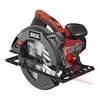 |
SKIL 15 Amp 7-1/4 Inch Circular Saw (5280-01), $69.00 on Amazon as of Sept 30, 2026 If you buy only one power saw, a corded 7-1/4 inch circular saw at this price point is where most of the cutting value is.
|
Here is the same information as a quick table. The prices are real listings from September 30, 2026, chosen to show where each type of saw typically starts and where the mid-tier brands sit.
| Saw (example model) | Price on Sept 30, 2026 | What it is good for |
|---|---|---|
| Coping saw (Irwin ProTouch) | $8.99 | Curves and trim work by hand |
| Universal handsaw, 15 inch (Irwin 1773465) | $19.99 | General crosscuts and rip cuts by hand |
| Japanese pull saw (Gyokucho 180 mm) | $19.95 | Clean, fine cuts and joinery |
| Corded jigsaw (SKIL JS314901) | $44.10 | Curves and cutouts |
| Corded circular saw, 13 amp (SKIL 5080-01) | $44.00 | Straight cuts on a tight budget |
| Corded circular saw, 15 amp (SKIL 5280-01) | $69.00 | All-round beginner straight cutting |
| Reciprocating saw (SKIL 9206-02) | $54.99 | Demolition and rough cuts |
| Corded circular saw, mid-tier (DeWalt DWE575) | $129.00 | Longer life, sturdier base plate, wider bevel range |
| Cordless circular saw, bare tool (Craftsman V20 CMCS500B, 6-1/2 inch) | $84.99 | Battery-platform owners |
| Cordless circular saw, bare tool (DeWalt DCS565B, 6-1/2 inch) | $129.00 | Battery-platform owners who want brushless |
| 10 inch compound miter saw (Metabo HPT C10FCG2) | $139.00 | Repeatable crosscuts and trim |
| 10 inch jobsite table saw (SKIL TS6307-00) | $302.68 | Ripping boards and sheet goods at a jobsite |
Notice the gap between the cheapest and the mid-tier corded circular saw: $44.00 versus $129.00 for the same 7-1/4 inch blade size. That gap buys durability, a sturdier base plate and a wider bevel range, not more cutting ability on a weekend project.
Saw Prices by Type: What Each One Costs and What You Get
Hand saws: about $10 to $40
A hand saw has no motor, no cord and no battery, which makes it the cheapest way to start cutting wood. A coping saw for curves was $8.99 on September 30, 2026, a 15 inch universal handsaw was $19.99, and a 6 inch Suizan dozuki-style Japanese pull saw was $38.80. Pull saws cut on the pull stroke with a thin blade, which is why beginners often find them easier to keep straight than a Western push saw. If you are new to hand saws, our woodworking saws guide explains which saw does which job.
Jigsaws: about $45 to $150
A jigsaw cuts curves and interior cutouts, and a straight cut with one tends to wander unless you clamp a guide to the board. The SKIL JS314901 listed at $44.10 with tool-free blade changes. Paying more usually gets you a more rigid shoe, less blade wobble and a better anti-vibration handle. See our jigsaw guide for blade selection.
Corded circular saws: about $45 to $130
The 7-1/4 inch corded circular saw is the workhorse for straight cuts in lumber and plywood. On September 30, 2026, the SKIL 5080-01 (13 amp) listed at $44.00, the SKIL 5180-01 (14 amp) at $59.98, the SKIL 5280-01 (15 amp) at $69.00 and the DeWalt DWE575 at $129.00. A higher amp rating does not automatically mean a better saw: a 13 amp saw with a sharp blade will out-cut a 15 amp saw running a dull one. For a step-by-step on using one safely, read how to use a circular saw, and for model comparisons see our budget circular saw and best circular saw pages.
Cordless circular saws: about $85 to $185 as a bare tool
Bare-tool cordless prices on September 30, 2026: the BLACK+DECKER 20V 5-1/2 inch at $74.99, the Craftsman V20 6-1/2 inch at $84.99, the DeWalt 20V MAX 6-1/2 inch brushless (DCS565B) at $129.00 and the DeWalt 20V MAX XR brushless 7-1/4 inch (DCS590B) at $184.00. Many cordless circular saws use a 5-1/2 or 6-1/2 inch blade, which cuts shallower than a 7-1/4 inch corded saw, so check the maximum depth of cut if you plan to cut 2x lumber at an angle.
Reciprocating saws: about $55 to $180
A reciprocating saw is built for demolition, pruning and rough cuts, not clean woodworking joints. The corded SKIL 9206-02 listed at $54.99 on September 30, 2026. Buy one only if a renovation job calls for it. It is a poor first saw for furniture or shelving.
Miter saws: about $140 to $280 for a 10 inch model
A miter saw makes repeatable crosscuts and angled cuts for trim, frames and shelving. The Metabo HPT 10 inch compound miter saw (C10FCG2) listed at $139.00, the DeWalt DWS713 at $259.99 and the SKIL 10 inch dual-bevel sliding model at $279.00 on September 30, 2026. Sliding models cost more but cut wider boards. Our miter saw overview covers the differences.
Table saws: about $190 to $600 for a jobsite model
A 10 inch jobsite table saw is the most expensive saw most beginners will consider: the SKIL TS6307-00 with folding stand listed at $302.68 and a DeWalt 10 inch model with rolling stand at $599.00 on September 30, 2026. For more on that category, see how much table saws cost, and for a budget option with dado capability, the cheapest table saw with dado. A table saw also carries a higher injury risk than the others, so budget for a push stick and proper guarding before you buy.
The Real Cost of a Saw: What the Price Tag Leaves Out
A saw is rarely a one-line purchase. Four extra costs catch beginners, and none of them appear in the listing price.
- The battery platform. A bare-tool cordless saw looks like a bargain until you add a battery and charger. Batteries and chargers commonly add anywhere from about $50 to well over $100 depending on brand and capacity, so a $129 saw can become a $200 or more purchase if you are not already invested in that brand. If you already own a 20V drill from the same platform, a bare tool is a genuine saving.
- A better blade. The blade that ships on a budget circular saw is usually a fast-cutting framing blade. For cabinet-grade plywood or a clean crosscut, a fine-tooth blade with more teeth leaves a smoother edge, and a good replacement blade often costs about $15 to $40. See our 7-1/4 inch circular saw blade guide.
- Safety gear. Safety glasses and hearing protection are inexpensive compared with the saw. Budget roughly $25 to $60 for both, and add a dust mask when you cut MDF or sheet goods.
- A straightedge or guide. A circular saw cuts as straight as the guide you give it. A clamped straightedge costs less than $30 in most cases and improves your cuts more than a saw upgrade would.
A myth worth correcting: not every saw has an electric brake
Older versions of this page told beginners to look for an electric brake on jigsaws and circular saws alike. That is only half right. An electric brake is a circular saw feature that stops the blade within moments of releasing the trigger. Jigsaws and reciprocating saws do not have one, and their blades keep moving briefly as the motor winds down, so always wait for the blade to stop before setting the tool down. Check the spec sheet on the specific circular saw you are considering rather than assuming it has a brake.
Which Saw Should You Buy First?
Start from the cuts you will actually make, not from the price.
- Assembling furniture, minor repairs, small trim: a hand saw at $20 or less is enough.
- Shelves, a workbench, framing and plywood: a corded circular saw in the $45 to $70 range, plus a clamped straightedge.
- Curves, cutouts and scrollwork: a corded jigsaw around $45.
- Trim, picture frames and repeatable crosscuts: a 10 inch miter saw from about $140.
- Ripping boards to width: a jobsite table saw from about $300, or a circular saw with a guide as a cheaper starting point.
If you can only afford one power saw, buy the circular saw and pair it with a hand saw for fine work. That pairing covers most beginner projects for under $100.
How to Pay Less Without Buying a Bad Saw
- Buy bare-tool if you own the battery. Same saw, less money.
- Watch the sales calendar. Tool brands and big retailers often discount around Black Friday, Memorial Day and Labor Day, and some listings show typical-price markdowns that change week to week.
- Buy a kit when you need the battery anyway. A kit with a battery and charger is often cheaper than buying both separately.
- Inspect used saws. Check the cord, the trigger, the base plate for warping and, above all, whether the blade guard snaps back smoothly. Skip any saw with a missing or jammed guard.
- Compare warranty terms. A longer warranty on a $130 saw can be worth more than a $10 savings on a cheaper one.
Frequently Asked Questions About Saw Prices
What is the cheapest saw I can buy?
A manual hand saw or coping saw. On September 30, 2026, a 15-inch Irwin universal handsaw listed for $19.99 and an Irwin coping saw for $8.99 on Amazon. Prices move, but hand saws reliably sit in the tens of dollars.
How much should I spend on my first power saw?
For a corded circular saw or jigsaw, plan on roughly $45 to $130. Entry models such as the SKIL 5080-01 circular saw ($44.00) and SKIL JS314901 jigsaw ($44.10) were in that range on September 30, 2026, and a DeWalt corded circular saw was about $129.
Is a cordless saw worth the extra money?
Only if you value portability or already own batteries for the same brand. A bare-tool cordless circular saw can cost about the same as a corded one, but you also pay for a battery and charger if you do not have them, which can add well over $50 to the total.
Do jigsaws have an electric brake?
No. An electric brake is a feature of circular saws that stops the blade quickly after you release the trigger. A jigsaw blade simply stops moving as the motor winds down, so keep the shoe flat on the wood and wait for the blade to stop before you set the tool down.
Is a used saw a good way to save money?
It can be, if you check the cord, the blade guard action, the trigger and the shoe or base plate for damage. If the guard sticks or is missing, walk away. A repaired guard is not worth the risk on a saw that can kick back.
Which saw should I buy first for woodworking?
Match the saw to your first three projects. Straight cuts in lumber and plywood point to a circular saw, curves point to a jigsaw, and fine joinery points to a hand saw such as a Japanese pull saw.
Buying Your First Saw Safely
Whatever you spend, use the guard, wear eye and ear protection, clamp your workpiece and keep both hands clear of the blade path. A circular saw can kick back if the blade binds, so support the offcut and never force the cut. If you are considering other tools next, our pole saw price guide and reciprocating saw price page cover the specialty side of the saw range.
Sponsored / affiliate links. As an Amazon Associate I earn from qualifying purchases. I may earn additional commission from eligible campaigns.