How Much Does A Drill Cost? (Buying Guide 2026)
Understanding the cost of a drill involves looking at power type, features, brand, and intended use. Cordless drills range from $50 for basic models to over $400 for high-end kits. Corded drills are generally cheaper, often $30 to $150. Specialized drills like hammer drills or impact drivers may cost more. The price reflects the drill’s durability, battery technology, motor type, and included accessories.
What Factors Affect Drill Prices?
When you look at drills, you’ll see prices all over the place. Why is that? Several things make one drill cost more than another.
It’s not just the brand name. It’s about what the drill can do. It’s also about how well it’s made.
We’ll go over the main things that change the price tag.
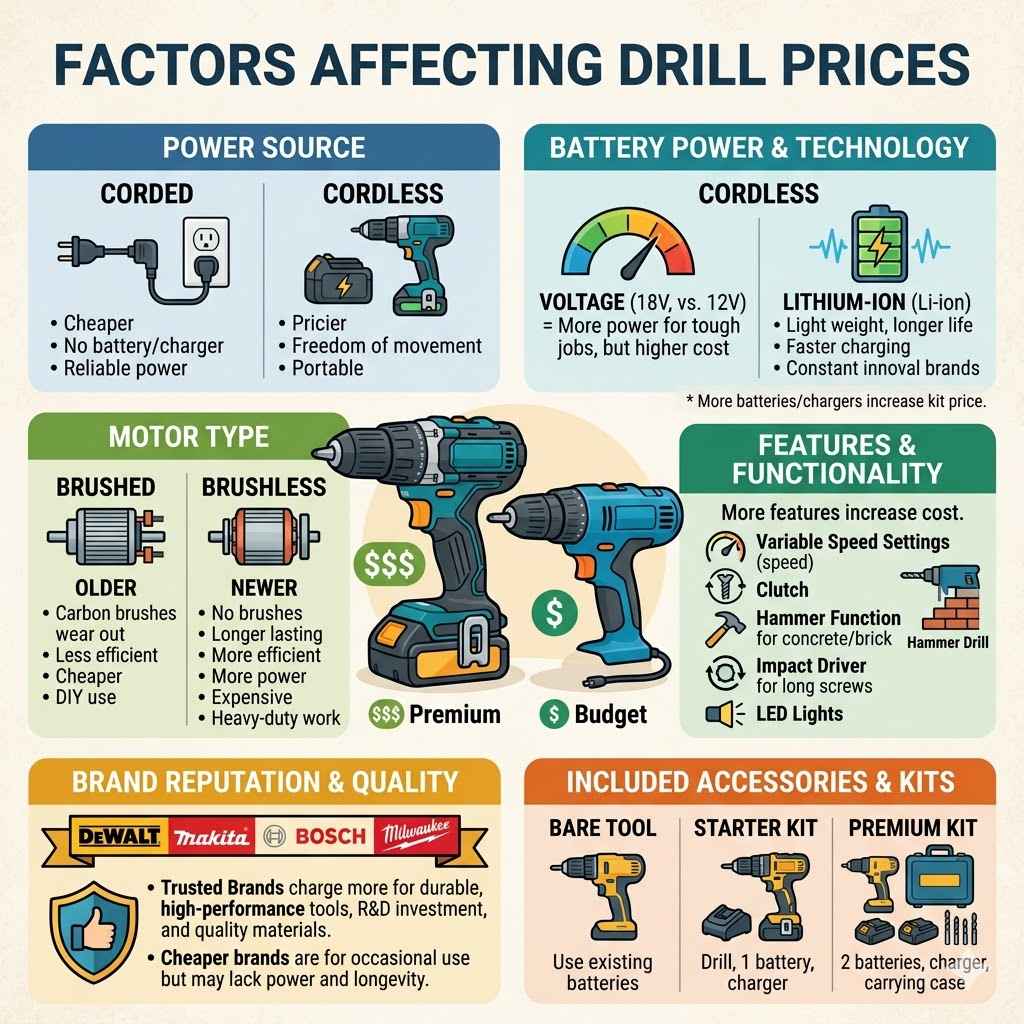
Power Source: Corded vs. Cordless
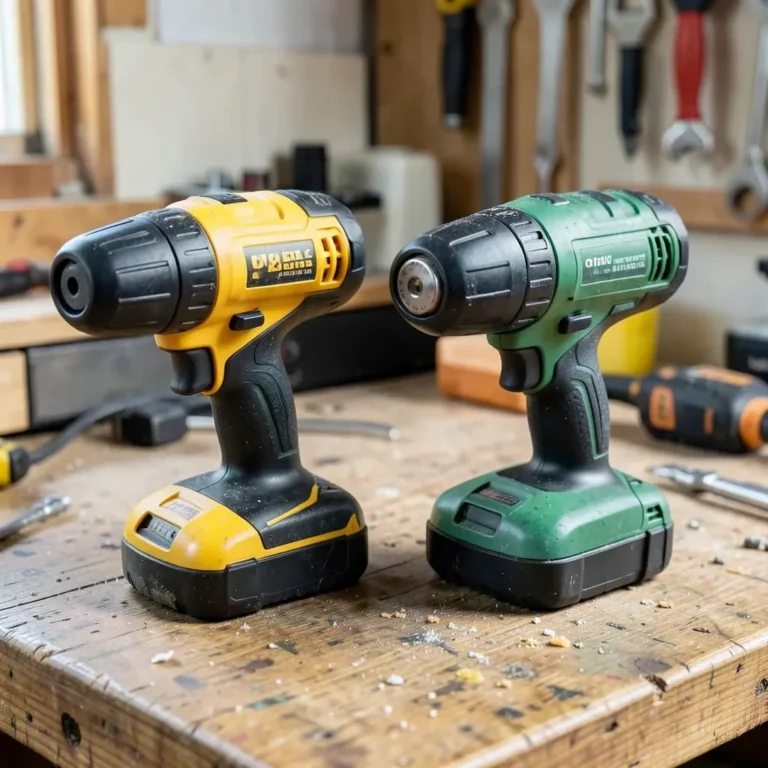
This is a big one. Drills run on electricity in two main ways. Some plug into the wall.
These are corded drills. Others use batteries. These are cordless drills.
Corded drills are usually cheaper. This is because they don’t need a battery or a charger. Batteries cost money to make.
They also add complexity to the tool.
Cordless drills offer freedom. You can take them anywhere. No cord means no getting tangled.
No need to be near an outlet. But this freedom comes at a price. The battery is a major cost.
Higher voltage batteries and more powerful ones cost more. Chargers also add to the total price.
Battery Power and Technology
For cordless drills, the battery matters a lot. Drills come in different voltages. Common voltages are 12V, 18V, and 20V.
Higher voltage means more power. This is good for tough jobs. But it also means a higher cost.
A 12V drill is usually less expensive than an 18V or 20V drill. These higher voltage tools are better for drilling into harder materials.
Battery technology also plays a role. Lithium-ion (Li-ion) batteries are standard now. They are lighter and last longer than older types.
Brands are always improving battery tech. They make them last longer on a charge. They make them charge faster.
These newer, better batteries cost more. Some kits come with two batteries. This is great for continuous work.
But it also increases the total price. You might see prices for just the tool. Then, separate prices for battery kits.
This lets you choose what you need.
Motor Type: Brushed vs. Brushless
Inside the drill is a motor. Most drills have either a brushed motor or a brushless motor. Brushed motors are older.
They use carbon brushes that wear out. They are less efficient. Drills with brushed motors are usually cheaper.
They are fine for light DIY tasks. For example, hanging pictures or assembling furniture.
Brushless motors are newer and better. They have no brushes. This means they last longer.
They are more efficient. They use less battery power. They can deliver more power.
Brushless drills are often more expensive. They are great for heavy-duty work. They are good for drilling into concrete or large metal pieces.
If you use your drill a lot, a brushless motor is worth the extra cost. You get more power and it lasts longer.
Features and Functionality
Drills do more than just spin a bit. Many have extra features. These features add to the cost.
Variable speed settings are common. This lets you control how fast the drill spins. More speeds usually mean a slightly higher price.
A clutch is important. It stops the drill from over-tightening screws. It prevents stripping screw heads.
Drills with many clutch settings are better.
Some drills have a hammer function. This is called a hammer drill. It pounds forward while it spins.
This is great for drilling into brick or concrete. Hammer drills cost more than standard drills. Impact drivers are another type.
They deliver rotational impacts. This is good for driving long screws. They also cost more.
Other features include LED lights. These light up your work area. They are a nice addition.
But they don’t add much to the cost.
Brand Reputation and Quality
Well-known brands often cost more. Companies like DeWalt, Makita, Bosch, and Milwaukee have built a reputation. They are known for making durable, high-performance tools.
People trust these brands. They expect their tools to last. This reputation allows them to charge a premium.
They invest a lot in research and development. They use high-quality materials.
Cheaper brands might be fine for occasional use. But they might not last as long. They might not have the same power.
They might use lower-quality plastics. They might not offer as good a warranty. For professionals or serious DIYers, investing in a trusted brand is often wise.
It saves money in the long run. You don’t have to replace them as often.
Included Accessories and Kits
The price you see can depend on what’s in the box. Some drills are sold as “bare tools.” This means you just get the drill. You need to have a battery and charger already.
Other drills come in kits. These kits include batteries, a charger, and a carrying case. Some kits even have drill bits or other accessories.
A full kit will cost more than a bare tool.
The number of batteries in a kit also affects the price. A kit with two batteries will cost more than one with one battery. If you’re just starting out, a kit can be a good value.
It has everything you need to get going. If you already own tools from a certain brand, you might just buy the bare tool. This saves you money.
You can use your existing batteries and charger.
Drill Cost Breakdown by Type (2026 Estimates)
Let’s look at some specific types of drills. Prices can change. But this gives you a good idea of what to expect in 2026.
Basic Corded Drills
These are the simplest and often cheapest drills. They plug into the wall. They are good for basic tasks.
Think light drilling and screw driving around the house. Typical Price Range: $30 – $80
What you get: A corded drill. Maybe a basic set of drill bits. No batteries or charger needed.
Pros: Very affordable. Unlimited run time as long as it’s plugged in. Lightweight.
Cons: Limited by cord length. Not as powerful as many cordless options. Less portable.
Best for: Occasional DIYers. Small projects. Those on a very tight budget.
Standard Cordless Drills (12V-18V, Brushed Motors)
These are the workhorses for many homeowners. They use batteries. They are versatile.
They handle most everyday tasks. Typical Price Range: $70 – $200 (for bare tool)
Typical Price Range: $120 – $300 (for kits with 1-2 batteries and charger)
What you get: A cordless drill. A battery or two. A charger.
Often a carrying case. Some might have a few bits. Pros: Portable.
Good power for most jobs. Easy to use. Wide variety of options.
Cons: Battery life limits run time. Batteries can be expensive to replace. Brushed motors wear out over time.
Best for: Homeowners. Hobbyists. Light to moderate DIY projects.
High-Performance Cordless Drills (18V-20V+, Brushless Motors)
These are for the serious DIYer or the professional. They have more power. They use advanced battery tech.
They have brushless motors. Typical Price Range: $150 – $350 (for bare tool)
Typical Price Range: $250 – $500+ (for kits with multiple batteries and premium chargers)
What you get: A powerful drill. High-capacity Li-ion batteries. Fast chargers.
Often a robust carrying case. May include specialized bits. Pros: Excellent power and torque.
Long battery life. Durable brushless motor. Great for tough materials.
Cons: Higher initial cost. Can be heavier. Might be overkill for simple tasks.
Best for: Tradespeople. Serious DIYers. Projects involving hard materials like dense wood or metal.
Hammer Drills (Corded and Cordless)
These drills add a hammering action. This is for drilling into masonry. They can be corded or cordless.
Typical Price Range: $50 – $150 (corded)
Typical Price Range: $100 – $300 (cordless, bare tool)
Typical Price Range: $150 – $400+ (cordless kits)
What you get: A drill with a hammer function. Can be used as a regular drill too. Cordless versions need batteries.
Pros: Essential for drilling into brick, stone, or concrete. Versatile for both wood/metal and masonry. Cons: Can be heavier.
Hammer function adds complexity and cost. Not needed if you don’t drill masonry. Best for: Homeowners installing shelves on brick walls.
Anyone working with masonry.
Impact Drivers
These tools are designed for driving screws. They deliver powerful rotational impacts. They are great for long screws or tough materials.
Typical Price Range: $70 – $200 (bare tool)
Typical Price Range: $120 – $300+ (kits)
What you get: A compact, powerful tool specifically for driving screws. Usually uses the same battery system as other cordless tools from the brand. Pros: Excellent for driving screws quickly and easily.
Less likely to strip screw heads. Very powerful. Cons: Not a drill.
Can’t mix and blend in the same way as a drill. Might be too much power for small screws. Best for: Deck building.
Framing. Furniture assembly. Any task involving many screws.
Specialty Drills (e.g., Right Angle Drills, Rotary Hammers)
These are for very specific, demanding jobs. Right angle drills get into tight corners. Rotary hammers are heavy-duty for demolition or large concrete jobs.
Typical Price Range: $100 – $300+ (right angle drills)
Typical Price Range: $200 – $600+ (rotary hammers)
What you get: A tool designed for a niche application. These are often more expensive because of their specialized design and power. Pros: Solves very specific problems where standard drills can’t go or aren’t powerful enough.
Cons: Very expensive. Limited use for most people. Best for: Professional tradespeople.
Specific construction or renovation tasks.
Drill Buying Checklist
Power Source: Need corded freedom or cordless mobility?
Battery Voltage: 12V for light jobs, 18V/20V for more power.
Motor Type: Brushless means more power and longer life, but higher cost.
Features: Do you need hammer function or variable speed?
Brand: Trust established brands for durability or save money with less known ones?
Kit vs. Bare Tool: Do you have batteries already?
My Own Drill Learning Curve
I remember when I first needed a serious drill. My old one was a cheap hand-me-down. It could barely make a dent in drywall.
I was trying to hang some heavy shelves in my garage. The wall was concrete block. My little drill just whined.
It spun its wheels. I felt so frustrated. Dust went everywhere.
The bits kept slipping.
I looked online. I saw prices that made my eyes water. $200?
$300? For a drill? I thought it was crazy.
I ended up buying a mid-range cordless drill. It was around $150 for a kit. It had a battery and charger.
It was an 18V brushed model. It was a huge step up. It handled the concrete block with ease.
I felt so empowered. I could finally do the job. That experience taught me a lot.
It showed me that the right tool matters. It also showed me that sometimes, paying a bit more upfront saves you trouble later.
Drill Kit vs. Bare Tool: What’s Your Situation?
- Kit Advantage: Everything in one box. Great for first-time buyers. Ensures battery and charger compatibility. Often a good value overall.
- Bare Tool Advantage: Cheaper if you already own batteries/charger from the same brand. Allows you to upgrade tools within your existing system. Reduces waste if you don’t need extras.
- When to Buy a Kit: Starting from scratch. Expanding to a new tool platform. Need extra batteries.
- When to Buy Bare Tool: Already invested in a brand’s battery ecosystem. Only need the tool itself. Replacing a worn-out tool from your current system.
Real-World Scenarios and Costs
Let’s think about where and why you might buy a drill. The situation often dictates the best type and price point.
The Weekend DIYer
This person tackles projects on Saturdays and Sundays. They might assemble IKEA furniture. They hang pictures.
They might build a small bookshelf or deck railing. They don’t need professional-grade tools. But they want something reliable.
They don’t want it to break on their third project.
For them, a standard cordless drill kit is often ideal. An 18V or 20V model with a brushed motor is usually sufficient. A price point of $100-$200 for a kit is common.
They might look for deals. They might buy during holiday sales. They value ease of use and portability.
They might not need a hammer function.
The Serious Homeowner/Hobbyist
This person does bigger projects. They might renovate a bathroom. They might build a large deck.
They might do woodworking projects. They need tools that can handle tough materials. They need them to last for years.
Durability and power are important.
A brushless cordless drill is a good choice here. They might look at higher-end brands. A bare tool could cost $150-$250.
A kit with two good batteries might be $250-$400. They might also consider a separate hammer drill if they work with masonry often. They are willing to invest more for better performance and longevity.
The Professional Contractor
For someone who uses a drill every day, cost is a factor, but reliability is paramount. Downtime costs money. A cheap tool that breaks is more expensive in the long run.
They need professional-grade tools.
They typically buy high-end cordless drills and impact drivers. Brushless motors are a must. They will invest $200-$500+ for a bare tool.
Kits can easily go over $500. They often buy multiple batteries. They prioritize durability, ergonomics, and power.
They might also need specialized tools like rotary hammers for concrete work, which can cost $300-$600 or more.
The Occasional User
This person might only use a drill a few times a year. Maybe to change a light fixture or fix a loose cabinet handle. For them, a very basic, inexpensive option is best.
A corded drill might be perfect. They can find good ones for $30-$60. Even a very basic cordless drill kit can be found for $50-$100 on sale.
The key is not to overspend on features they’ll never use. They should ensure it has enough power for simple tasks. They should also check the warranty.
Even basic tools should have some guarantee.
Cost vs. Use: Finding Your Balance
| User Type | Typical Drill Type | Estimated Cost Range (USD) | Key Considerations |
|---|---|---|---|
| Occasional User | Basic Corded or Entry-Level Cordless | $30 – $100 | Lowest cost, sufficient for light tasks. |
| Weekend DIYer | Standard Cordless (Brushed) | $100 – $200 (Kit) | Portability, good for most home tasks. |
| Serious Homeowner | High-Performance Cordless (Brushless) | $250 – $400 (Kit) | Durability, power, battery life for bigger projects. |
| Professional | Professional-Grade Cordless (Brushless), Impact Driver, Rotary Hammer | $300 – $600+ (per tool/kit) | Reliability, speed, performance, longevity. |
What This Price Tag Really Means
When you see a drill priced at $50 versus $250, what’s the difference in value? It’s not just about spinning faster.
Durability and Longevity
Higher-priced drills often use better materials. The gearbox might be metal instead of plastic. The housing might be more impact-resistant.
The motor is usually built to last longer. For a professional, a tool that lasts five years is much cheaper than one that needs replacing every year. Even for a serious DIYer, a tool that lasts a decade is a good investment.
Performance and Efficiency
Brushless motors, as we discussed, offer more power and run longer on a charge. Better battery technology means more charges and more consistent power output. Higher-end drills have better torque control.
This means they can handle tougher materials without bogging down. This performance saves you time and effort.
Ergonomics and Comfort
More expensive tools are often designed with the user in mind. They might have better weight balance. They might have softer, more comfortable grips.
This makes a big difference if you’re using the drill for hours. Reduced fatigue means better work and fewer mistakes.
Warranty and Support
Reputable brands offer better warranties. A five-year warranty on a $200 drill feels much better than a one-year warranty on a $50 one. Good customer support can also be crucial.
If something goes wrong, you want to know you can get it fixed or replaced easily.
Spotting Quality: What to Look For
- Weight and Balance: Does it feel good in your hand?
- Grip Material: Is it rubberized and comfortable?
- Chuck Quality: Does it hold bits securely? Metal chucks are usually better.
- Noise Level: Higher-end tools often run smoother and quieter.
- Brand Reputation: Check reviews for long-term reliability.
When Is a Cheaper Drill Okay?
Not everyone needs a top-of-the-line tool. Sometimes, the budget option is the smart choice.
Light, Occasional Use
If you only need to drill a few small holes a year, spending hundreds of dollars makes no sense. A basic corded drill or an inexpensive cordless model will serve you well. Think about hanging a picture or assembling a piece of flat-pack furniture.
These tasks don’t require much power or advanced features.
Testing the Waters
Maybe you’re new to DIY. You’re not sure how much you’ll use a drill. Buying a very cheap one is a low-risk way to start.
If you find you enjoy it and need more, you can always upgrade later. It’s better than spending a lot on a tool you might let gather dust.
Budget Constraints
Let’s be honest. Sometimes, you just can’t afford the expensive option. If your budget is very tight, look for sales on mid-range tools.
A good sale can bring a $200 kit down to $120. Read reviews carefully. Even budget tools have some decent options.
Look for tools with at least a one-year warranty.
Budget Drill Red Flags
- No Warranty: A tool with no warranty is a big risk.
- Flimsy Plastic: If it feels cheap and brittle, it likely is.
- Weak Motor: Listen to the sound. Does it sound strained?
- Poor Grip: Uncomfortable tools are hard to use safely.
- Generic Brand: Unless heavily discounted, unknown brands can be unreliable.
When to Splurge on a Drill
There are times when spending more is the right move. It’s an investment in your projects and your time.
Frequent or Heavy Use
If you use your drill daily or weekly, you need something that can keep up. Professionals know this. Serious DIYers learn it quickly.
A powerful, durable tool makes work faster and easier. It reduces the frustration of tools failing mid-job.
Tough Materials
Drilling into hardwood, metal, stone, or concrete requires power. A cheap drill will struggle. It might overheat, burn out, or simply not be able to penetrate.
A high-torque, high-RPM drill, possibly with a hammer function, is essential. These tools cost more but can do the job efficiently.
Complex or Precision Work
For woodworking or detailed assembly, you need control. Variable speed settings, precise clutch adjustments, and a good chuck that holds bits firmly are important. These features are typically found on more expensive drills.
They allow for cleaner cuts and prevent damage to materials.
Long-Term Investment
Think of a good drill as a tool that will be with you for many years. If you plan on many future projects, buying a quality tool now makes sense. You won’t have to replace it soon.
You’ll enjoy using it more.
Quick Checks and Tips for Buying
Before you click “buy” or head to the store, do a few simple things.
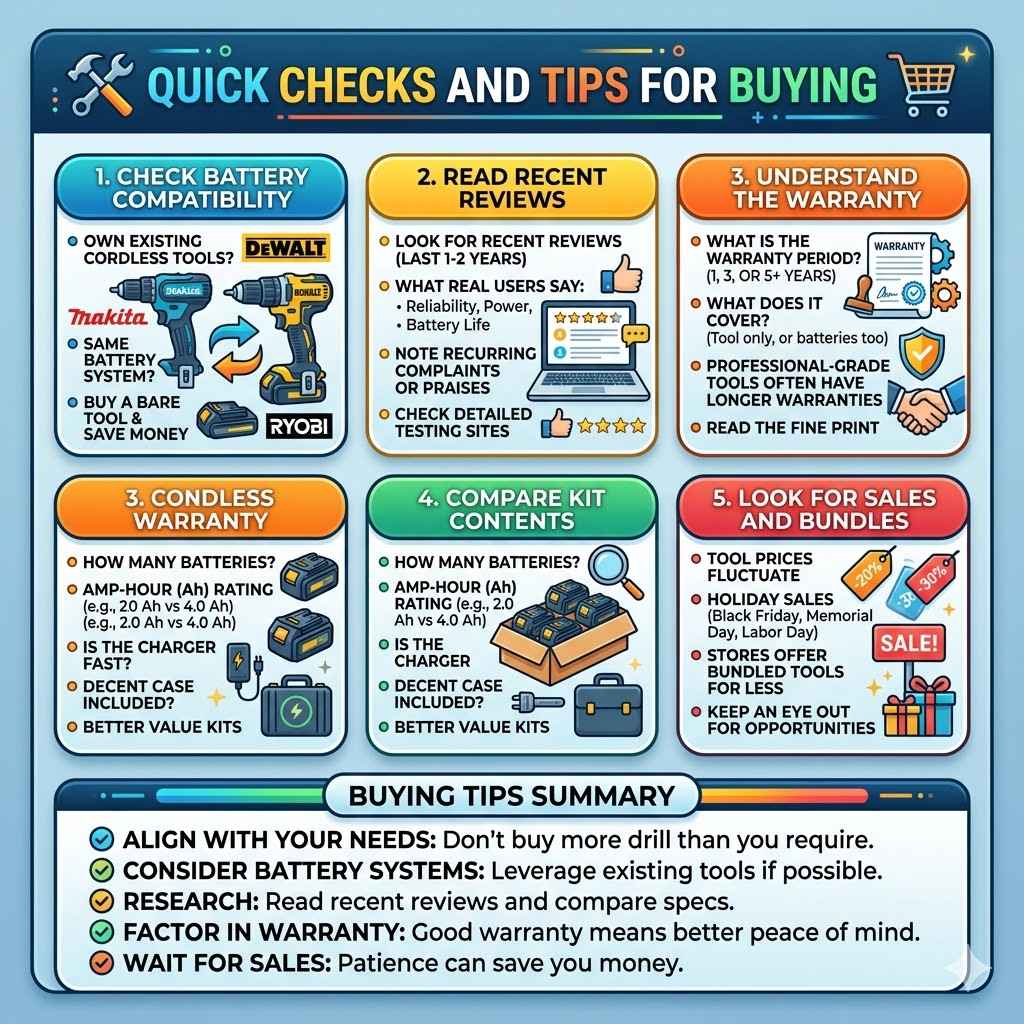
Check Battery Compatibility
If you already own cordless tools from a specific brand (like Makita, DeWalt, Ryobi), check if the new drill uses the same battery system. This can save you a lot of money if you buy a bare tool. You won’t need to buy new batteries and a charger.
Read Recent Reviews
Online reviews are a great source of information. Look for reviews from the last year or two. See what real users are saying about reliability, power, and battery life.
Pay attention to recurring complaints or praises. Some sites offer detailed testing of drills.
Understand the Warranty
What is the warranty period? What does it cover? Most reputable brands offer at least a one-year warranty.
Professional-grade tools might have three or five years. Read the fine print. Some warranties cover just the tool, others cover batteries too.
Compare Kit Contents
If you’re buying a kit, look closely at what’s included. How many batteries? What’s their amp-hour (Ah) rating?
Is the charger fast? Does it come with a decent case? Sometimes, a slightly more expensive kit offers much better value.
Look for Sales and Bundles
Tool prices can fluctuate. Major holidays (like Black Friday, Memorial Day, Labor Day) often bring big sales. Stores sometimes bundle tools together for a discounted price.
Keep an eye out for these opportunities.
Buying Tips Summary
- Align with your needs: Don’t buy more drill than you require.
- Consider battery systems: Leverage existing tools if possible.
- Research: Read recent reviews and compare specs.
- Factor in warranty: Good warranty means better peace of mind.
- Wait for sales: Patience can save you money.
Frequently Asked Questions About Drill Costs
How much should I expect to pay for a good cordless drill kit in 2026?
For a good quality cordless drill kit in 2026, you can expect to spend anywhere from $150 to $300. This price usually gets you an 18V or 20V model, often with a brushless motor, one or two lithium-ion batteries, and a charger.
Are corded drills still cheaper than cordless drills?
Yes, generally corded drills remain cheaper than cordless ones. A basic corded drill can be found for $30 to $80, while even entry-level cordless kits start around $70-$100 and go up significantly from there. This is due to the added cost of batteries and chargers for cordless models.
What is the difference in price between a standard drill and a hammer drill?
Hammer drills typically cost more than standard drills. A corded hammer drill might start around $50-$70, while a cordless hammer drill kit can range from $150 to $400+. The added mechanism for the hammering action increases the complexity and manufacturing cost.
Is it worth buying a more expensive drill if I only do small DIY projects?
For very small, occasional DIY projects, a cheaper drill might be sufficient. However, even for small projects, a slightly more expensive drill (like a $70-$100 cordless model) can offer better performance, reliability, and battery life, making your projects easier and more enjoyable than using a very basic tool.
How much does a replacement battery for a cordless drill typically cost?
Replacement batteries for cordless drills can be quite expensive. A compatible lithium-ion battery for an 18V or 20V system can cost anywhere from $50 to $150 or more, depending on the brand and capacity. This is a significant factor in the long-term cost of owning cordless tools.
What does “bare tool” mean when looking at drill prices?
“Bare tool” means you are only buying the drill itself. It does not include batteries, a charger, or any accessories like drill bits or a carrying case. This option is usually cheaper but is only cost-effective if you already own compatible batteries and a charger from the same tool brand.
Conclusion
Finding the right drill at the right price involves understanding your needs. Prices range from under $50 for basic corded models to over $500 for professional cordless kits. Consider the power source, motor type, features, and brand.
For most home users, a quality cordless drill kit offers a good balance of performance and cost. Investing in a tool that fits your projects ensures you get the job done efficiently and without frustration.
Sponsored / affiliate links. As an Amazon Associate I earn from qualifying purchases. I may earn additional commission from eligible campaigns.