How Long Should Concrete Cure Before Drilling?

How Long Should Concrete Cure Before Drilling?

It’s a common question for anyone working with concrete. You’ve poured a new patio, built a foundation, or maybe just set some fence posts. Now you need to drill a hole.

Maybe for a railing, a light fixture, or a garden hose hook. But the big worry is: how long should concrete cure before drilling into it? You don’t want to damage your new work, right?

It’s a real balancing act. Too soon and you risk cracks or crumbling. Too late, and you might just be making the job harder than it needs to be.

We get it. That feeling of uncertainty is frustrating, especially when you’ve put in so much effort. This guide will break down exactly what you need to know about concrete curing times for drilling, so you can move forward with confidence.

We’ll cover the science behind it, the factors that make a difference, and what to watch out for.

Generally, you should wait at least 7 days before drilling into concrete for light tasks. For heavier loads or if you need strong anchors, waiting 28 days is recommended. This allows the concrete to reach sufficient strength and hardness.

Always consider the specific concrete mix and environmental conditions, as these can affect curing time. Proper curing is key to preventing damage when drilling.

Understanding Concrete Curing

Concrete might seem hard and solid right after it’s poured. But it’s not fully cured. Curing is a process.

It’s how concrete gains strength. It involves a chemical reaction. This reaction is called hydration.

Water is essential for this to happen. When water mixes with cement, a chemical change begins. This change makes the concrete hard and strong.

It’s like baking a cake. The ingredients need time to react and set. Concrete needs time too.

If you drill too early, you can interrupt this process. This can make the concrete weaker.

The full strength of concrete develops over time. This happens in stages. The first few days are critical.

This is when most of the early strength builds. But the process continues for weeks. Even months later, concrete is still getting a little stronger.

So, while it feels hard, it’s still gaining integrity. This is why waiting is important before putting stress on it. Drilling creates vibrations and stress.

It also removes material. Doing this too soon can cause problems that aren’t obvious at first.

Think of it like a sponge. When it’s wet, it’s soft and bends easily. As it dries, it gets firmer.

Concrete is similar but it’s a chemical process, not just drying. The water is a reactant, not just a solvent. The cement particles link together.

They form a hard, solid mass. This bonding process takes time and needs the right conditions. Too much heat, too much cold, or drying out too fast can hurt the final strength.

This is why proper curing practices are so vital for the longevity of any concrete structure.

The strength is often measured in pounds per square inch (PSI). New concrete might be around 500 PSI after a day. After a week, it could be 2,000 to 3,000 PSI.

Full strength, often considered around 4,000 PSI or more, can take up to 28 days. Sometimes longer. The exact numbers depend on the concrete mix.

It also depends on the conditions it cures in. Understanding this progression helps explain why different waiting times are suggested for different jobs.

Understanding Concrete Curing

Intrigued by Drilling? Here’s a related post to explore further. 1/4 Drill Bit In Mm: Exact Size Explained Clearly

How Long Does Concrete Cure Before Drilling? The General Rule

Most experts agree on a general timeline. For most common DIY projects, waiting at least 7 days before drilling is a good starting point. This allows the concrete to gain enough initial strength.

It can then withstand some light stress. This is okay for things like hanging a small shelf bracket. Or maybe installing a simple garden light.

It’s not for anything that will hold significant weight.

If your project involves attaching something that will carry a load, like a railing, a carport, or deck posts, you need to wait longer. The standard recommendation for this is 28 days. This is the time it usually takes for concrete to reach about 90% of its final designed strength.

This is when it’s strong enough for heavier applications. Drilling into it for anchor bolts or lag screws is much safer then.

So, the answer really depends on what you’re doing. For simple tasks, a week is often enough. For anything structural or load-bearing, a month is the safer bet.

It’s always better to err on the side of caution. A few extra days can save you from costly repairs later. Think about the forces involved.

Drilling creates localized stress. Anchoring something creates ongoing stress. You want the concrete to be ready for both.

I remember a time a friend was building a small retaining wall. He needed to drill holes for drainage pipes after about five days. He was eager to finish.

He drilled carefully. But within a few weeks, he noticed small cracks around the holes. The concrete hadn’t cured enough.

The vibrations from his drill, combined with the early stress of water flow, caused the damage. It was a simple mistake, but it taught us a valuable lesson about patience.

Factors Affecting Concrete Curing Time

While 7 or 28 days are common guidelines, several things can change how long concrete actually takes to get strong enough for drilling. It’s not just a one-size-fits-all answer. Understanding these factors will help you make a better decision for your specific situation.

Temperature

Temperature plays a huge role. Concrete cures best in mild temperatures. Around 50°F to 70°F (10°C to 21°C) is ideal.

If it’s too cold, the hydration process slows down. It can even stop if it gets too cold. This means it will take much longer to gain strength.

If it’s too hot, the water can evaporate too quickly. This can weaken the concrete. If you pour concrete in very hot weather, you might need to use special curing compounds.

Or mist it with water frequently. Cold weather pours require protection. Like blankets or heaters.

They might need much longer before they are drill-ready.

When it’s cold, the chemical reactions move slower. It’s like trying to cook a meal in a cold oven. It just takes longer.

In really freezing temperatures, water can freeze within the concrete. This is very bad. It expands and creates tiny cracks.

It makes the concrete weak and porous. If you pour in winter, you might need to wait weeks longer than usual. Even if it feels hard on top.

The internal structure might still be weak. I’ve seen projects delayed by a month or more because of unexpected cold snaps.

Conversely, extreme heat can be just as tricky. If the surface dries out too fast, the hydration stops there. You get a weak outer layer.

This can lead to dusting or cracking later. Proper curing means keeping the concrete moist. And at a stable temperature.

So, if you’re in a desert climate, you’ll need to be extra vigilant. Misting the concrete with water multiple times a day might be necessary. Especially in the first week.

This helps ensure the whole slab cures evenly and strongly.

Expand your knowledge about Drilling with this article. How Long Does It Take To Charge A Drill Battery?

Humidity

Humidity is related to temperature. High humidity is good for curing. It means there’s more moisture in the air.

This helps prevent the concrete from drying out too fast. Low humidity, on the other hand, speeds up water evaporation. This can lead to premature drying.

And a weaker final product. If you live in a dry region, you’ll need to take extra steps. Like covering the concrete with plastic sheeting.

Or using wet burlap to retain moisture. These methods create a more humid microclimate around the concrete.

Think about it this way. If you leave a wet cloth out on a humid day, it stays wet longer. If you leave it out on a dry, windy day, it dries out fast.

Concrete curing is similar. The water is essential. Keeping that water in the mix for as long as possible is key.

Especially in the early stages. This is why curing compounds are often sprayed on. They form a thin barrier.

This barrier seals in the moisture. It allows the hydration reaction to continue at an optimal pace.

I once helped a neighbor pour a small walkway in late summer. The humidity was very low. We covered it with plastic right after finishing.

Even then, we had to lift the plastic and mist it every few hours for the first two days. He was impatient to walk on it. But I insisted on waiting the full week.

He eventually drilled some holes for solar lights. The concrete was solid and held up perfectly. That experience showed me how much humidity matters.

Concrete Mix Design

Not all concrete is created equal. The type of cement used. The amount of water added.

The size and type of aggregates (sand and gravel). All these affect how fast concrete cures and how strong it gets. Standard concrete mixes for driveways or patios are designed for strength and durability.

Special mixes might cure faster or slower. For example, a concrete mix designed for rapid setting will harden much faster. But it might not reach the same ultimate strength as a standard mix.

Some concrete contains admixtures. These are chemicals added to change its properties. Some admixtures speed up setting.

Others slow it down. Some improve water resistance. Others improve freeze-thaw resistance.

If you’re using a special pre-mixed bag, read the label. It often gives specific curing instructions. And recommended waiting times.

If you’re mixing your own, stick to proven ratios. For best results, consult the concrete supplier about their mix design.

A contractor friend of mine uses a specific mix for his commercial jobs. It’s designed for high early strength. He can often put heavy machinery on it after just three days.

But this is a specialized mix. It’s not something you’d typically find in a bag at the hardware store. For typical home projects, standard concrete is used.

And it follows the standard curing times. Always ask if you’re unsure about the mix you’re using. It’s a critical piece of the puzzle.

Eager to delve deeper into Drilling? Check out this article for more insights. How Long Before You Can Drill Into Quikrete Safely

Air Movement (Wind)

Wind can also impact curing. Strong winds can speed up the evaporation of surface moisture. This is especially true if the air is also dry and hot.

It’s similar to how wind makes you feel colder by speeding up evaporation from your skin. For concrete, this means the surface can dry out too fast. This leads to a weaker outer layer.

Just like with low humidity, covering the concrete can help. Plastic sheeting or burlap can create a calmer environment. This allows the concrete to cure more evenly.

A windy day can be a challenge for fresh concrete. It whips away that precious surface moisture. That moisture is what the cement needs to keep hydrating.

So, if you’re pouring on a blustery day, be prepared to protect your work. You might need to apply curing compounds sooner. Or use more robust coverings.

Wind can also blow dust and debris onto the surface. This can embed itself in the wet concrete. Making the finish rough.

It’s another reason to keep the surface protected.

I remember one job where we poured a small slab for a hot tub. It was a beautiful, sunny day. But there was a steady breeze.

We thought it would be fine. Within a few hours, the edges started looking dry and chalky. We quickly got tarps to cover it.

The next day, the surface was okay. But those first few hours were nerve-wracking. It really emphasized how much external factors can affect the outcome.

What Does “Cured” Really Mean for Drilling?

When we talk about concrete being “cured” for drilling, we mean it has reached a certain level of hardness and structural integrity. It’s not just about being dry to the touch. It’s about the internal chemical bonds being strong enough.

These bonds can resist the forces created by drilling.

Drilling involves two main forces. First, there’s vibration. The hammer action of a drill can shake the concrete.

If the bonds are weak, this shaking can cause micro-fractures. These fractures spread and weaken the surrounding area. Second, there’s pressure.

The drill bit applies force. This force is concentrated on a small area. Weak concrete can crumble or chip under this pressure.

So, “cured enough to drill” means the concrete can handle these forces without damage. It means the hydration process has progressed sufficiently. The cement particles have bonded tightly.

They form a rigid matrix. This matrix can absorb the vibrations. It can resist the localized pressure of the drill bit.

It’s important to differentiate between “set” and “cured.” Concrete sets when it loses its plasticity. It becomes firm enough to hold its shape. This can happen within hours.

Curing is a longer process. It’s when the concrete gains strength and durability. You can drill into concrete that has set, but it might not be cured.

And drilling into uncured concrete is where the problems lie.

Let’s break down the stages:

  • Initial Set: Concrete starts to stiffen. It’s still workable but losing plasticity. (Hours)
  • Final Set: Concrete is firm. It can support some weight but is not strong. (Several hours to a day)
  • Early Strength Gain: Concrete begins to gain significant strength. This is when lighter tasks might be possible. (Days to a week)
  • Full Strength: Concrete reaches its designed load-bearing capacity. This is when heavier applications are safe. (28 days or more)

For drilling, we’re typically looking for the point where early strength gain has occurred. And for load-bearing situations, full strength is necessary. The longer you wait, the more robust the concrete structure becomes.

And the less risk you have of causing damage when you drill.

Want to learn more about Drilling? This post could provide more insights. How Much Should You Pay For A Drill In 2026?

My First Drilling Mishap: A Story of Impatience

I’ll never forget the first time I tried to hang a heavy mirror on a freshly poured concrete wall in my garage. It was maybe four days old. It felt rock solid.

I was so proud of the new wall. I wanted to see the mirror up immediately. I got my hammer drill and a masonry bit.

I carefully marked the spot.

I started drilling. The drill bit was biting into the concrete. But then, I heard it.

A slight crumbling sound. And I felt the drill bit wobble a bit more than it should. I stopped.

Pulled the bit out. And sure enough, there was a small, but noticeable, crater around the hole. It wasn’t just a clean hole.

It was ragged. The edges looked like they had chipped off.

I tried a second hole. I was gentler. But the same thing happened.

The concrete just wasn’t ready. It was still too soft internally. The vibration of the hammer drill was too much for those developing cement bonds.

I felt a wave of frustration and disappointment wash over me. My beautiful new wall had damage from my own impatience. I had to patch those holes.

And wait a full two more weeks. It was a costly lesson in waiting for concrete to truly cure before putting any stress on it.

That experience taught me patience. And respect for the material. It’s not just about the surface hardness.

It’s about the internal strength. That mirror is now hanging securely. But the scar from my early drilling attempt is still there.

A constant reminder. It’s a perfect example of why understanding curing times matters.

Quick Curing Check: The Scratch Test

While not a definitive scientific test, the scratch test can give you a rough idea. Try to scratch the surface with a hard object like a nail or a key. If it easily leaves a deep mark or crumbles, it’s likely not ready.

If it’s very difficult to scratch, and only a faint line appears, it’s probably gaining enough strength for light drilling. Remember, this is just an indicator. It doesn’t replace proper waiting times.

Looking for more insights on Drilling? You may find this post valuable. Water Well Drilling Cost: Full Price Breakdown 2026

Real-World Contexts and Scenarios

The purpose of your concrete project really dictates how long you need to wait. Different applications have different demands. This affects the required strength of the concrete before drilling.

Foundations and Structural Walls

If you’ve poured a foundation for a house, a garage, or a new addition, this concrete is critical. It supports the entire weight of the structure. Drilling into these walls too early can compromise their integrity.

You might need to drill for rebar dowels. Or anchor bolts for sill plates. For these applications, you absolutely must wait the full 28 days.

Often, inspectors will check the concrete’s strength using methods like the Windsor probe. It’s not something to take chances with.

In these situations, specialized anchor systems are often used. These require the concrete to be fully cured. A weak foundation means a weak building.

That’s why regulations and best practices are so strict. Even after 28 days, extreme loads might require further testing or specific anchor types. Always follow engineering or architectural plans precisely for structural concrete.

Patios, Sidewalks, and Driveways

These are generally less critical than structural elements. But they still experience wear and tear. If you’re drilling into a patio to install a pergola.

Or a sidewalk to add a fence post. Or a driveway to secure a basketball hoop. Waiting 7 days is usually sufficient for light to moderate loads.

For a driveway, if you plan on parking heavy vehicles on it soon after pouring. It’s wise to wait the full 28 days.

Consider the thickness of the slab. A 4-inch patio slab might be drillable after a week for a light fixture. A 6-inch driveway slab meant for cars needs more time.

The stresses are different. Even simple things like kids riding bikes can put stress on a slab. So, assess the intended use.

And wait accordingly. If you’re unsure, waiting the longer period is always the safer choice.

Basement Floors and Garage Slabs

These areas are often where people want to anchor shelves, workbenches, or machinery. Like washing machines or dryers. For these, the 7-day rule is often a good guideline for light-duty anchors.

If you’re installing heavy equipment. Or planning to use the space for a workshop with significant vibration. Then the 28-day mark is a much better target.

The concrete needs to be strong enough to resist the vibrations and the static load.

Think about the weight of a fully loaded washing machine. Or the vibrations from a table saw. These put considerable stress on the concrete.

A failure here could mean damage to your equipment or even the slab itself. I’ve seen garage floors develop cracks around anchor bolts. Because the concrete was too green when the heavy equipment was installed.

It’s a common mistake when people are eager to set up their space.

Contrast Matrix: Normal vs. Concerning Cracking

Normal Curing Concerning Signs (After Drilling)
Small hairline cracks may appear during curing. They often disappear as the concrete gains strength. Deep, spiderweb cracks radiating from the drilled hole.
Slight discoloration or surface variations. Concrete crumbling or chipping away from the hole.
The surface feels hard to the touch. The drilled hole feels loose or the anchor can be wiggled significantly.

What This Means for You: When to Worry

Knowing the general rules is great. But how do you apply it to your situation? And when should you be concerned?

When is it Okay to Drill?

You can likely drill into concrete after 7 days for most non-structural purposes. This includes things like:

  • Mounting small shelves.
  • Installing curtain rods.
  • Putting up a clothesline.
  • Securing lightweight garden decorations.
  • Drilling for small anchors for things like hose holders.

If the concrete feels hard and sounds solid when tapped, and you’re not putting significant weight on it, a week is a reasonable minimum. The key is light stress and minimal vibration.

When Should You Wait Longer?

You need to wait for the full 28 days for:

  • Any structural attachments (railings, pergolas, support beams).
  • Installing heavy machinery or appliances.
  • Drilling for large anchor bolts for carports or sheds.
  • Any application where the concrete will bear significant weight or experience substantial vibration.
  • If the concrete was poured in cold temperatures.
  • If the concrete mix was a standard, slow-setting type.

Basically, if the item you’re attaching is heavy, or if its failure could cause damage or injury, wait the full month. It’s the safest approach.

Signs of Trouble When Drilling

If you start drilling and notice any of these, stop immediately. Your concrete might not be ready:

  • The drill bit seems to be cutting too easily. Like it’s going through soft material.
  • You hear excessive crumbling or grinding sounds.
  • The concrete around the hole is chipping away in large pieces.
  • The hole itself seems to be widening or deforming.
  • The anchor you try to insert feels very loose.

If you see these signs, your concrete is likely not cured enough. You’ll need to patch the damaged area. And wait longer.

For structural applications, you might need to consult a professional.

Infographic: Curing Time vs. Application

After 7 Days:

  • Light shelves
  • Curtain rods
  • Hose holders
  • Small garden lights
  • Most non-load-bearing fixtures

After 28 Days:

  • Railings
  • Pergolas
  • Carports
  • Sheds
  • Heavy machinery
  • Structural supports
  • Any load-bearing attachments

Quick Tips for Drilling into Cured Concrete

Once your concrete is properly cured, drilling into it should be straightforward. Here are a few tips to make the job easier and safer.

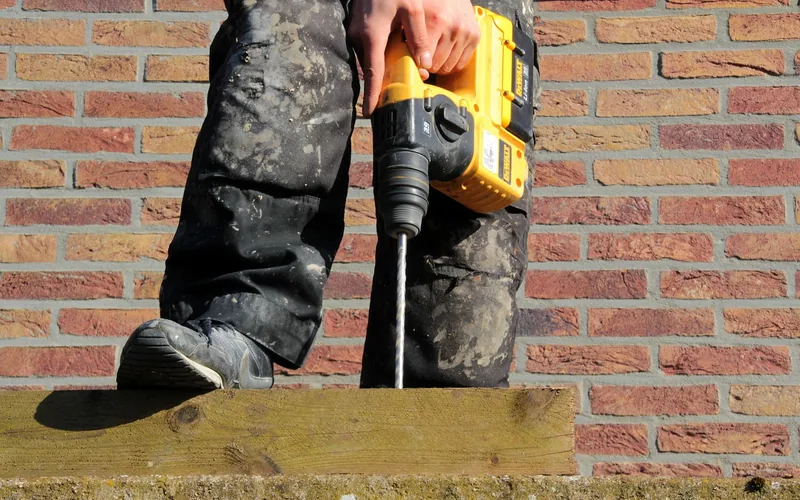
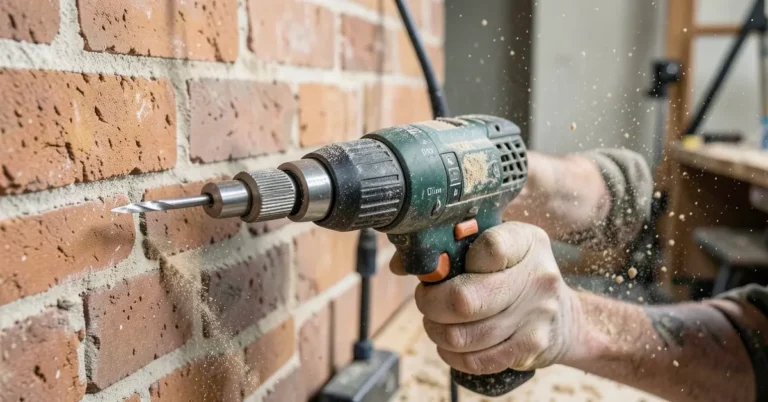
  • Use the Right Drill Bit: Always use a masonry bit. These are designed to cut through hard materials like concrete. A carbide-tipped bit is best for most DIY tasks. For very hard concrete or frequent drilling, a diamond-tipped bit might be considered, but it’s usually overkill.
  • Choose the Right Drill: A standard drill can work for small holes. But a hammer drill is highly recommended for concrete. It adds a hammering action to the rotation. This makes drilling much faster and easier. Ensure your hammer drill has an adjustable clutch to prevent over-tightening anchors.
  • Start Slowly: Begin drilling at a slower speed. This helps the bit find its mark and prevents it from skipping. Once the hole is started, you can increase speed.
  • Apply Steady Pressure: Don’t force the drill. Let the bit do the work. Apply steady, consistent pressure.
  • Clear the Hole: Periodically pull the drill bit out of the hole. This removes dust and debris. This also helps cool the bit. Compressed air or a small shop vacuum can help clear the hole completely.
  • Don’t Overheat the Bit: If the bit starts smoking, stop drilling. Let it cool down. Overheating can damage the bit. It can also make drilling harder.
  • Use Safety Gear: Always wear safety glasses. Concrete dust can be harmful to your eyes. Hearing protection is also a good idea, especially with a hammer drill. A dust mask is recommended to avoid inhaling fine concrete particles.

These tips apply to cured concrete. If your concrete is still too soft, even these precautions might not prevent damage. Patience is the first and most important tool.

Quick Tips for Drilling into Cured Concrete

Frequently Asked Questions About Concrete Curing and Drilling

Can I drill into concrete the next day?

Generally, no. Concrete needs time to develop its internal strength. While it might feel hard within 24 hours, it’s nowhere near strong enough for drilling without risking damage. Waiting at least 7 days is recommended for light tasks, and 28 days for heavier ones.

What happens if I drill into concrete too soon?

Drilling too early can cause the concrete to crumble around the hole. It can create cracks. This weakens the concrete structure. This damage might not be immediately obvious but can lead to bigger problems later, like structural failure or poor anchor holding power.

Does temperature really affect how long concrete cures?

Yes, very much. Colder temperatures slow down the chemical curing process. Warmer temperatures speed it up, but can also cause water to evaporate too quickly if not managed. Ideal curing happens in mild temperatures (50-70°F). Extreme temperatures often require longer curing times or special measures.

Is 28 days the absolute maximum curing time needed before drilling?

For most residential and DIY applications, 28 days is considered the point at which concrete reaches significant strength. However, for very high-stress industrial applications or specialized mixes, concrete can continue to gain strength for months or even years. For typical drilling needs, 28 days is a very safe benchmark.

Can I use regular drill bits for concrete?

No, you should not use standard drill bits. They will likely break or become severely damaged. You need specialized masonry bits, often made with carbide tips, which are designed to cut through hard materials like concrete, brick, and stone.

What if I need to drill into concrete before it’s fully cured for an emergency?

For true emergencies, proceed with extreme caution. Use the smallest bit possible. Drill slowly and gently. Understand that you are likely to cause some damage. Immediately patch any damaged areas with a concrete repair product. For anything critical, it’s best to consult a concrete professional if you must drill prematurely.

Conclusion: Patience is Key for a Strong Finish

Waiting for concrete to cure before drilling is not just a suggestion; it’s a crucial step. It ensures the longevity and integrity of your work. Remember the general guidelines: at least 7 days for light tasks and 28 days for anything load-bearing.

Always consider the environmental factors. Temperature, humidity, and wind all play a part. They can influence the actual curing time needed.

By understanding these elements and paying attention to your concrete’s condition, you can avoid common mistakes. Like the one I made years ago. A little patience now saves a lot of headaches later.

With the right approach, you can confidently drill into your concrete. And ensure your projects are built to last.

Similar Posts