Ideal Temperature for Hardwood Floors
Keep indoor air at about 60–80°F and relative humidity near 35–55%. For hardwood floors, a surface temperature near 60–80°F is generally considered safe, with about 70°F air and roughly 40–45% RH a practical winter target. Push past those limits, and the floor is more likely to gap, cup, crack, or suffer finish damage that can turn into repair costs. Here’s what temperature means for solid and engineered wood, and why humidity control matters more than heat alone.
Balancing comfort and floor safety
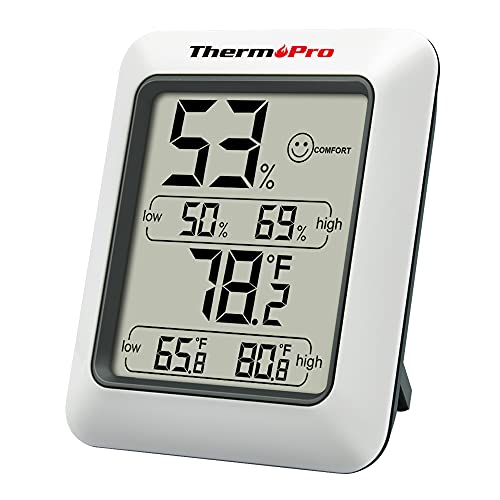


Hardwood floors usually do best when room air stays in a normal occupied range and the floor surface stays below about 80°F. There is no single magic number. The safer setup is a stable room, steady humidity, and no overheated surface from radiant heat.
Safe winter room-air range
A practical indoor target is about 70°F air with roughly 40–45% relative humidity. Many occupied homes sit comfortably within 60–80°F, but the real floor-protection target is the full set of conditions, air temperature, humidity, and how much heat reaches the wood surface.
Wood tracks the moisture in the air around it. If the room is warm but very dry, the floor can still shrink and gap. If the room is mildly warm but damp, the boards can swell or cup. Temperature matters, but humidity sets the pace.
Typical floor-surface target
For heated hardwood, the floor surface should stay at or below 80°F. WarmlyYours notes that nailed hardwood can be heated with the right system and thermostat settings, and recommends a floor-sensing thermostat for hardwood-safe heating. That control matters because the floor surface is where heat damage starts.
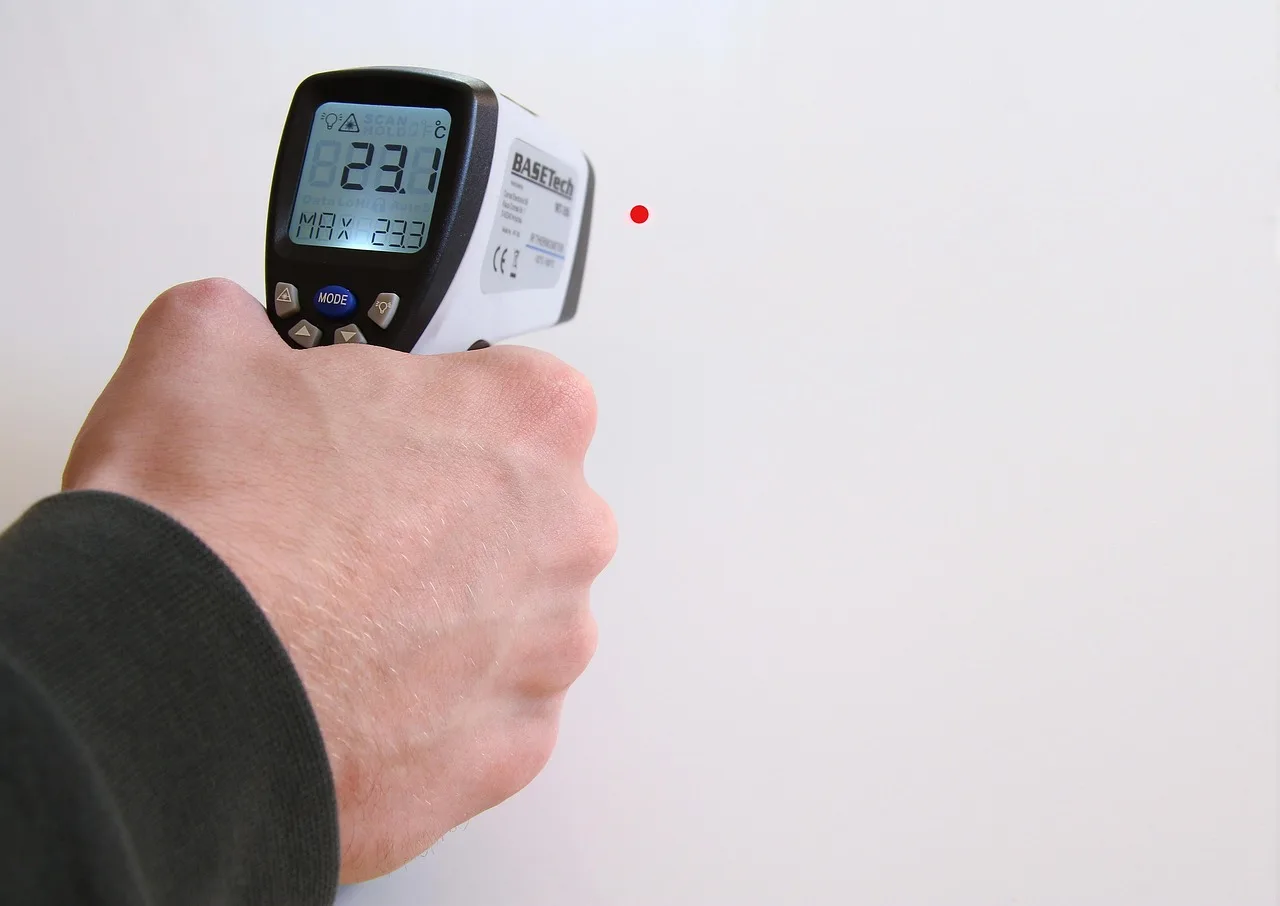
Room-air temperature and floor-surface temperature are different measurements. A room may feel cool while the floor stays within limits, especially with radiant heat. A floor-sensing thermostat helps cap the surface temperature directly, which is the safer way to manage a heated hardwood floor.
When comfort and floor health overlap
Most homeowners can aim for the overlap of comfort and wood stability by keeping winter air near 70°F and relative humidity near 40–45%. That setting usually supports normal occupancy, helps limit seasonal movement, and avoids the dry-air conditions that drive gaps and finish stress.
Say your living room sits at 68°F with 42% RH and the floor surface reads 76°F under radiant heat. That is generally within a safe winter zone. If the same room drops to 30% RH, the floor can still move even though the air temperature has not changed.
Why humidity matters more than heat
Relative humidity is the main control variable for wood movement. Wood reaches an equilibrium moisture content, or EMC, with the ambient space humidity and temperature. When indoor air dries out in winter, EMC falls and the boards shrink. When moisture rises, EMC rises and the boards expand.
Equilibrium moisture content
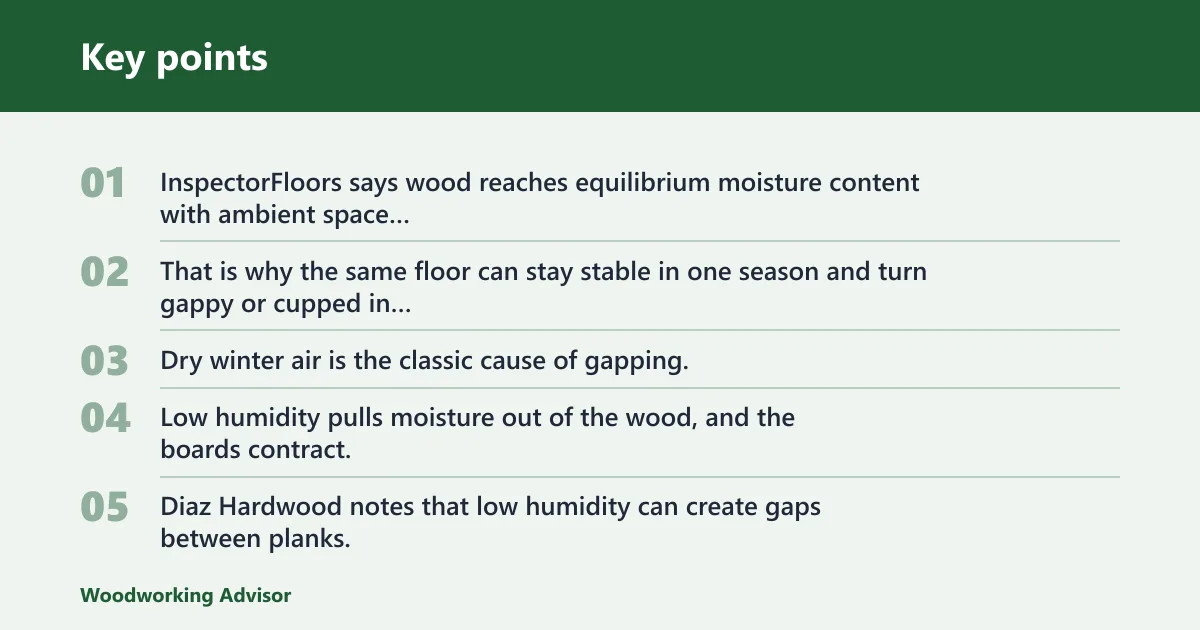
InspectorFloors says wood reaches equilibrium moisture content with ambient space humidity and temperature, and that EMC varies significantly with ambient relative humidity. That is why the same floor can stay stable in one season and turn gappy or cupped in another, even if the thermostat setting never changes.
Dry winter air is the classic cause of gapping. Low humidity pulls moisture out of the wood, and the boards contract. Diaz Hardwood notes that low humidity can create gaps between planks. Those seams often show up most clearly in visible traffic areas or along long board runs.
Dry air and seasonal shrinkage
Gapping is a dry-air failure mode, and it usually means the room needs more moisture, not more heat. Small seasonal seams can be normal. Wider or sudden gaps point to air that is too dry, a heating system that is stripping moisture, or both.
Solid hardwood is more sensitive to moisture than engineered wood. That means solid boards tend to show seasonal shrinkage and expansion more clearly. If winter humidity keeps dropping, the floor can look fine one week and then open seams the next.
High moisture and movement risk
Too much moisture creates the opposite problem. The same source says humidity can cause swelling and warping in hardwood floors. When the top of a board gains moisture faster than the bottom, cupping can appear, which means the board edges lift and the center dips. That is a warning sign, not a cosmetic quirk.
High moisture can also lead to buckling, where planks detach from the subfloor. Diaz Hardwood identifies buckling as planks detaching from the subfloor. Once movement reaches that level, the floor needs prompt attention from the installer or manufacturer guidance.
Solid vs. engineered hardwood
Solid hardwood moves more in winter than engineered hardwood because it responds more directly to changes in humidity. Engineered hardwood has greater dimensional stability because of its layered cross-grain construction. That makes it the better choice for seasonal swings, lower levels, and slab installations in many homes.
How solid wood moves in winter
Solid hardwood expands and contracts with humidity changes. It is best on or above grade, where moisture conditions are usually easier to manage. In a dry winter, solid boards may gap more quickly. In a damp room, they may swell, cup, or warp if conditions stay unstable.
TreePlantation says solid hardwood is more sensitive to moisture than some other flooring options. That does not make it a poor choice. It does mean the room needs tighter humidity control, especially during heated winter months.
Why engineered wood stays steadier
Engineered hardwood has greater dimensional stability than solid wood because its layers cross the grain. That construction helps it resist seasonal movement better than solid boards. It is often better suited to lower levels and slabs, where moisture swings can be harder to avoid.
A common first-timer mistake is assuming hardwood floors can stay perfectly stable even when a sunroom swings from chilly mornings to warm afternoons. It still responds to humidity, it just moves less. You still need to watch relative humidity and keep the surface temperature within the safe range.
Can radiant heat damage hardwood floors?
Yes, radiant heat can damage hardwood floors if the surface gets too hot or if the system dries the room too much. It can be used under hardwood, including nailed and glued installations, when the temperature is controlled and the floor stays below the common 80°F surface limit.
Floor-sensing thermostat limits
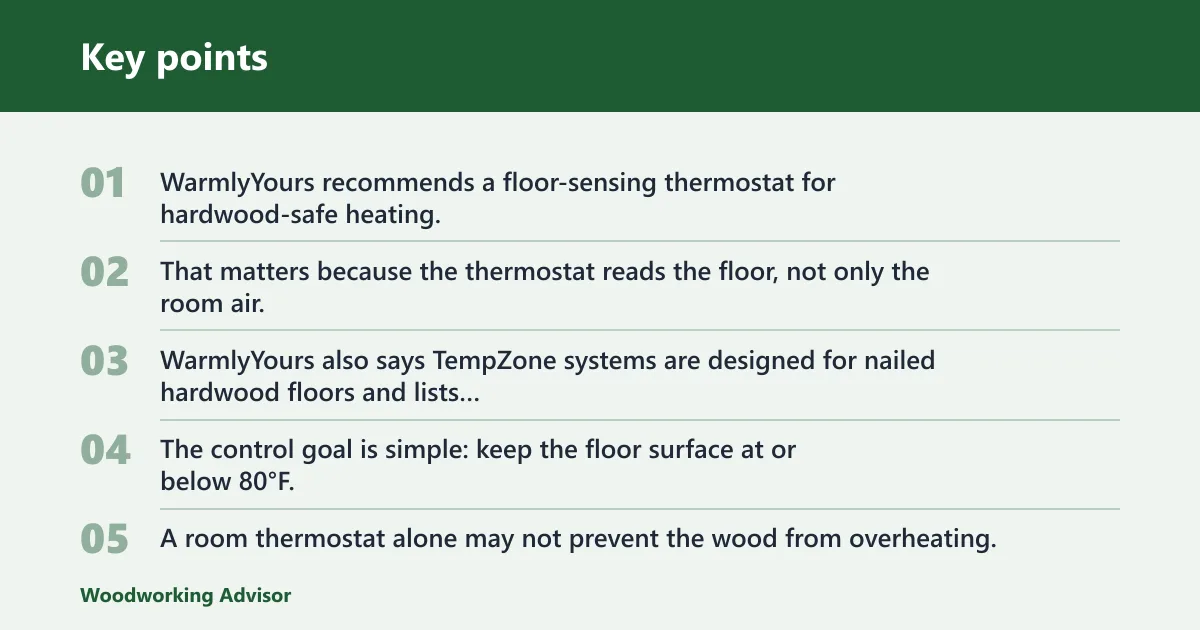
The same source recommends a floor-sensing thermostat for hardwood-safe heating. That matters because the thermostat reads the floor, not only the room air. WarmlyYours also says TempZone systems are designed for nailed hardwood floors and lists hard wood glued and hard wood nailed as supported flooring types.
The control goal is simple: keep the floor surface at or below 80°F. A room thermostat alone may not prevent the wood from overheating, especially if the system has strong radiant output or the room has slow heat loss.
Surface temperature caps to verify
Verify the floor limit in the manufacturer’s instructions for both the flooring and the heating system. WarmlyYours also lists 1- to 2-inch-wide sleepers in its installation description, which shows that the assembly details matter as much as the heat source. Do not assume every hardwood floor has the same heat tolerance.
The warm floor review also mentions keeping heated hardwood around 73°F to avoid feeling cold. That is a comfort point, not a maximum limit. The safer ceiling remains the floor-surface limit set by the product guidance.
Signs the floor is getting too warm
Watch for unusually dry air, finish stress, or board movement that appears after the heat cycles run hard. A floor that feels hot to the touch, dries the room sharply, or shows sudden seams may be running too warm. In radiant systems, check the thermostat setting before the wood shows damage.
Suppose a bathroom-adjacent hallway has radiant heat set high and the floor surface reads 84°F. The room may still feel fine, but the wood is above the common safety ceiling. That is the point to lower the floor limit, not wait for the boards to show movement.
What humidity level is best?
The best indoor humidity level for hardwood floors in winter is usually about 35–55% relative humidity, with 40–45% as a practical target in many homes. That range helps keep EMC steadier, which reduces gapping in dry spells and swelling or cupping in damp conditions.
Winter indoor target range
Wood movement is driven more by humidity than by heat alone. Keep relative humidity in a stable middle range if you want the floor to stay visually tight and dimensionally calm. Large swings are harder on solid hardwood than on engineered wood.
Very low humidity is the main winter problem. Very high humidity can be just as damaging if it persists. The goal is consistency, not chasing a perfect number every hour.
How to read a hygrometer
Use a hygrometer in the main living area, not only near a vent or fireplace. Readings near windows, supply registers, or exterior doors can be misleading. Place the meter where people live, because that is where the floor is actually reacting.
If the meter reads below 35%, add moisture to the room. If it rises much above 55% for long periods, reduce moisture before swelling or cupping starts. Short swings happen; long exposure is the real risk.
When to add or reduce moisture
Add moisture when winter heat drives the reading down and gaps begin to widen. Reduce moisture when the room stays damp, the floor edges lift, or the surface looks concave. A portable humidifier or dehumidification strategy may be needed depending on the season and climate.
- Check room air temperature with a thermometer.
- Check relative humidity with a hygrometer in the living area.
- Confirm the floor surface temperature if you have radiant heat.
- Set the floor-sensing thermostat so the surface stays at or below 80°F.
- Compare current readings with your floor type and winter target range.
- Call the floor manufacturer or installer if you see cupping, buckling, or sudden wide gaps.
Hardwood floor winter comfort chart
This chart ties together room-air temperature, floor-surface temperature, and relative humidity. Use it as a quick read on likely outcomes. Solid hardwood is the more sensitive option, while engineered hardwood tolerates seasonal swings better because of its layered construction.
| Floor type | Room air | Floor surface | Relative humidity | Likely outcome |
|---|---|---|---|---|
| Solid hardwood | 68–72°F | 70–78°F | 40–45% | Stable for most winter conditions |
| Solid hardwood | 68–72°F | 70–78°F | Below 35% | Dry-gap risk; seams may open |
| Solid hardwood | 68–72°F | 70–78°F | Above 55% | Swell/cup risk if moisture stays high |
| Engineered hardwood | 68–72°F | 70–78°F | 40–45% | Stable; lower movement than solid wood |
| Engineered hardwood | 68–72°F | 70–80°F | Below 35% | Dry-gap risk, usually less pronounced |
| Engineered hardwood | 68–72°F | Above 80°F | 40–45% | Heat stress risk; verify system settings |
The chart is meant for everyday decisions, not for replacing product instructions. If humidity is in range but the floor still moves, temperature may be too high at the surface. If the room is warm and the floor still gaps, dry air is still the likely cause.
Do hardwood floors make a house colder?
Hardwood floors can feel colder underfoot than carpet because wood conducts heat away from your feet more readily than soft pile, but they do not usually make the whole house colder. If a room feels cold, drafts, insulation gaps, and subfloor conditions are usually bigger causes than the wood flooring itself.
Surface feel vs. actual heat loss
The floor’s surface temperature affects comfort first. A wood floor can feel cool without meaning the house is losing heat through the flooring. That sensation is partly about contact and thermal transfer, not a sign that the floor is a cold source on its own.
Drafts, insulation, and subfloors
Check exterior leaks, crawlspace insulation, basement air, and duct or vent leaks before blaming the flooring. A poorly insulated subfloor can make the room above it feel colder. That is especially true on lower levels and over slabs, where surface conditions matter more.
Picture a main-level family room with sealed windows, but a cold crawlspace below and a thin subfloor assembly. The hardwood may feel cool because heat is moving away into the assembly below, not because the wood itself is creating cold air. In that case, insulation and air sealing are the real fix.
What to check before blaming the floor
Start with the thermometer, hygrometer, and thermostat settings. If room air is in range, humidity is steady, and the floor surface is below 80°F, the floor is probably not the source of the problem. If the room still feels cold, look for drafts and heat loss paths around the room.
Frequently asked questions
What is the ideal temperature for hardwood floors?
A practical winter target is about 70°F room air with 40–45% relative humidity, while the floor surface should stay at or below 80°F. That range keeps hardwood comfortable and reduces the odds of gapping, cupping, or finish stress. Humidity matters as much as the thermostat setting.
What temperature is too hot for hardwood floors?
For heated hardwood, a floor surface above 80°F is too hot by common guidance. That ceiling matters more than room air temperature because the wood is damaged at the surface. Use a floor-sensing thermostat and verify the manufacturer’s limit before raising radiant heat settings.
What temperature should hardwood floors be in winter?
Hardwood floors do not need a single fixed temperature in winter, but a surface near 70–78°F and room air around 70°F is a practical goal for many homes. Keep relative humidity in the 35–55% range so the boards stay closer to equilibrium moisture content.
What humidity level is best for hardwood floors?
The best winter range is usually 35–55% relative humidity, with 40–45% a useful target for many homes. That range helps prevent the dry shrinkage that causes gaps and the excess moisture that can lead to swelling or cupping. Stability matters more than chasing one number.
Do hardwood floors make your house colder?
No, hardwood floors do not usually make the whole house colder. They can feel cooler underfoot because they transfer heat away from your feet faster than carpet. If the room is actually cold, check drafts, insulation, and subfloor conditions before blaming the flooring itself.
Sponsored / affiliate links. As an Amazon Associate I earn from qualifying purchases. I may earn additional commission from eligible campaigns.